
A coast that Europe fought over
The Central Region was the first part of Ghana to make formal contact with Europeans, and the coastline still reads like a map of that rivalry. The Portuguese founded St. George's Castle at Elmina in 1482, selecting a narrow promontory with the Atlantic on one side and the Benya River on the other, where the lee of the headland gave them a natural harbour. It became the first major European construction in tropical Africa and gave Portugal an unrivalled grip on the region's gold.
The Dutch took Elmina in 1637 and held it until 1872, rebuilding the castle between 1770 and 1775 and running the Dutch Gold Coast from its walls. They built Fort Coenraadsburg, also called Fort St. Jago, on the hill opposite — purely military architecture with no warehouses, its strongest bastions trained inland, where an attack was most likely to come. At Cape Coast, the Swedes raised a fort in 1653, the Danes and the local Fetu chief seized it in turn, the Dutch occupied it from 1660, and a British fleet under Captain Holmes took it in 1665. By 1700 the British had upgraded it into a castle.
Smaller forts punctuate the shore between them: Fort William at Anomabo, Fort Patience at Apam, Fort Good Hope at Senya Beraku, and the ruined pair at Komenda, Fort Vredenburg and English Fort Komenda. Cape Coast was the capital of the Gold Coast until 1877, when the seat of government moved to Accra. The Bond of 1844, between the British and seventeen coastal and near-coastal states, was signed inside its castle.

The slave trade, told with gravity
The castles are not simply old buildings. Cape Coast Castle and Elmina Castle are UNESCO World Heritage Sites and reminders of the transatlantic slave trade, and both are now museums in the care of the Ghana Museums and Monuments Board. At Cape Coast, the slave trade was principal until its ban in 1807, and it is estimated that around 1700 the Royal African Company was exporting some 70,000 enslaved people a year to the New World. The castle's museum, established in 1974 and transformed in 1994 with support from the GMMB, UNDP, USAID and the Smithsonian Institution, holds gold weights, state swords, shackles, maps of slave trade routes and the objects exchanged for human beings.
Inland, the story begins earlier. Assin Manso was one of the largest slave markets gathering people for sale, the final link in the route from northern Ghana. Captives were held at Donkor Nsuo, the slave river, fed and rested for days or weeks because merchants knew healthy captives fetched higher prices, and there they took their last bath in the waters of their native land before the roughly 40-mile march to the coast, still shackled. The site now holds an ancestral graveyard, where the returned remains of two diasporans were reburied, and a Memorial Wall of Return where visitors write their names. Emancipation Day is marked there each 1 August.
This history is not a spectacle. Walk slowly, listen to the guides, and give yourself room afterwards.

Fante towns, Asafo companies and the Effutu
The coast's culture is Fante, and its most visible expression is the posuban — the fortified, painted shrines built by the Asafo companies, the traditional warrior organisations that still structure town life. Elmina's posuban buildings stand within walking distance of the castle. At Apam, the town's No. 1 Asafo company built its own posuban shrine, and at Anomabo the Dontsin No. 3 Company posuban was outdoored in 1948 and rebuilt in 1966, attributed to the artist Kwamina Amoaku.
Winneba, or Simpa, is the seat of the Effutu people, whose principal deity is Penkye Otu. Tradition holds that Penkye Otu guided the Simpa people from the historic land of Timbuktu, twenty kilometres north of the Niger River, to their present home. During the reign of King Bondze Enyinam in the 1400s, the annual propitiation shifted from human blood to the symbolic sacrifice of a live bushbuck, and the Aboakyer festival was born. The Effutu maintain a communal sacred forest and customary hunting ground that has been kept for over 300 years, and the first catch of a live bushbuck from that forest marks the peak of the festival.
Elsewhere the region holds quieter stories. The Elmina Java Museum, the first private museum in Ghana, opened in 2003 to preserve the history of the Belanda Hitam, the Black Dutchmen: between 1831 and 1872 some 3,000 African recruits sailed from Elmina to Batavia to serve in the Dutch colonial army, and veterans were allocated plots behind St. George's Castle on a hill still called Java Hill. At Assin Kushea, the Owirenkyi paramount chief's palace is reported as the biggest palace in West Africa.

From rainforest canopy to working shoreline
Inland, the land rises into the forested hills of the north. Kakum National Park sits in the Assin Attandanso Reserve about 33 kilometres north of Cape Coast, a protected rainforest of roughly 375 square kilometres. Its best-known feature is the canopy walkway: seven suspension bridges forming a 333-metre route suspended up to 27 metres above the forest floor, supported by trees over 300 years old. The park is a premier site for birdwatchers, with over 300 species including eight of global conservation concern, and more than 600 butterfly species have been recorded. Mammals include forest elephants, leopards, bongos, bushbucks and many primates, though game viewing is difficult.
The shoreline is just as alive. Elmina's fishing harbour sits below the castle, where pirogues land their catch, busiest at the morning returns and evening departures, and the fish market on the quay fills from around six in the morning. Apam has a working artisanal harbour and fish market below Fort Patience; Senya Beraku has a government-built landing site; Winneba is a historic fishing port near the mouth of the Ayensu River. Between the towns lie beaches at Anomabo, Apam, Brenu Akyinim, Komenda and Cape Coast, and at Komenda a small sandstone sea cave opens a few metres from the College of Education, reached by stairs.

What to do
Things to do in Central
-
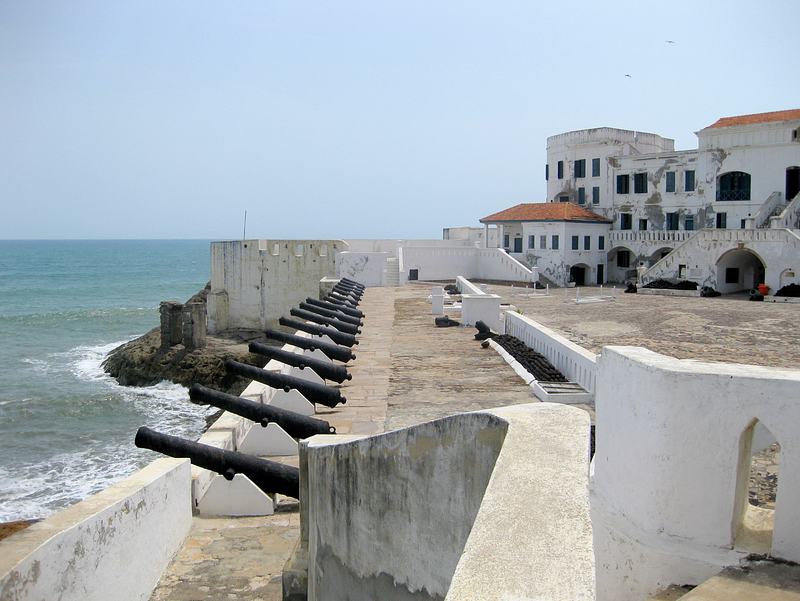
1.Cape Coast Castle and its museum
The region's defining visit. A guided tour takes you through the courtyards, the slave dungeons, the condemned cell and the Door of No Return, and the castle museum adds gold weights, state swords, shackles, maps of slave trade routes and the goods exchanged for human beings. The castle was begun by the Swedes in 1653, taken by the British in 1665 and upgraded into a castle by 1700, and it served as the seat of the British governor.
Tip: Allow two hours and take the guided tour rather than wandering alone; the guides carry the weight of the story and set the tone.
-
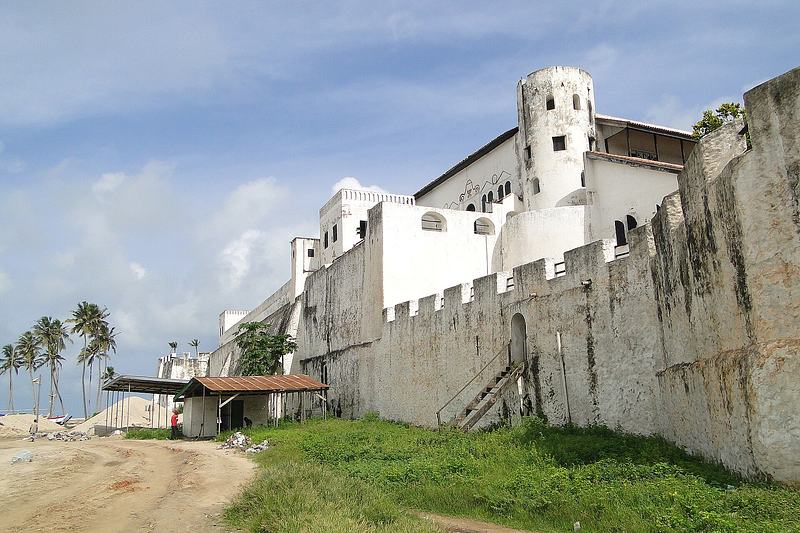
2.Elmina Castle (St. George's Castle)
Founded by the Portuguese in 1482, St. George's Castle is the first major European construction in tropical Africa and a UNESCO World Heritage Site. The Dutch took it in 1637, rebuilt it between 1770 and 1775, and ran the Dutch Gold Coast from here until 1872. It is now a historical museum, and the fishing harbour sits directly beside it, with Fort Coenraadsburg, the Dutch cemetery and the town's posuban buildings all within walking distance.
Tip: Pair it with Cape Coast Castle on separate days if you can — two dungeons in one afternoon is a great deal to carry.
-
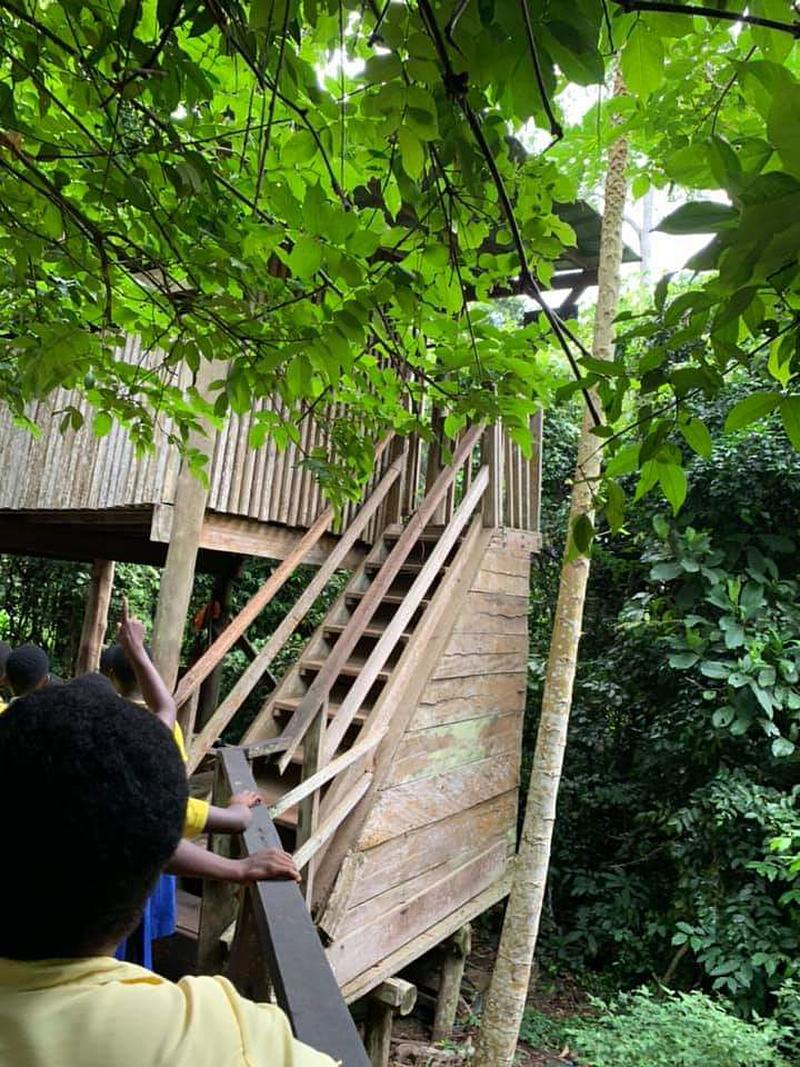
3.Kakum National Park canopy walkway
Seven suspension bridges form a 333-metre walkway suspended up to 27 metres above the forest floor, supported by trees over 300 years old. Beyond the bridges there are guided forest walks, a night hike, evening drumming and a children's park with a mini canopy walkway. The park protects roughly 375 square kilometres of rainforest with over 300 bird species and more than 600 recorded butterflies.
Tip: This is rainforest and it can rain at any time — bring a raincoat and trainers, keep your hands free for the ropes, and use a small backpack for your camera.
-
Attraction
4.Assin Manso Ancestral Slave River Park (Donkor Nsuo)
One of the largest slave markets gathering people for sale, and the final link in the route from northern Ghana. Captives were rested here for days or weeks, then took their last bath in African waters before the roughly 40-mile march to the coast. The site holds the ancestral graveyard, where the returned remains of two diasporans were reburied, and the Memorial Wall of Return, where visitors write their names.
Tip: Visit before the coastal castles, not after — following the route in order makes the geography of the trade legible.
-
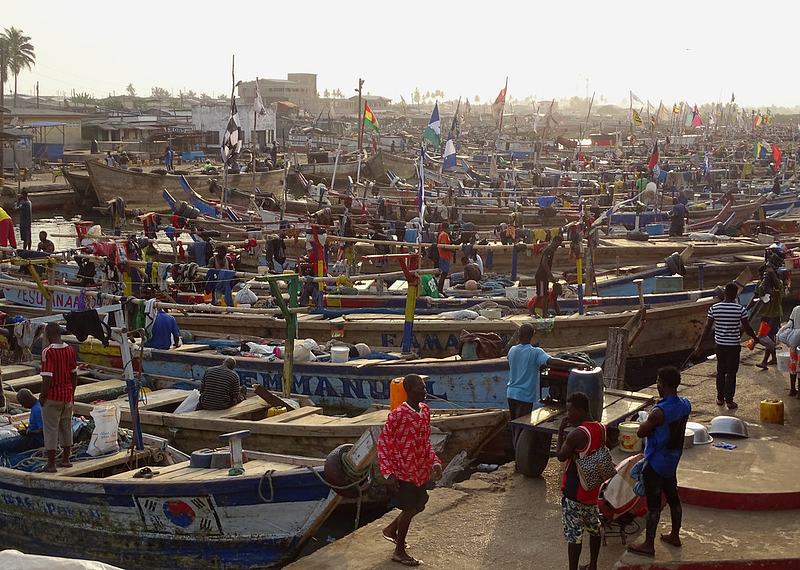
5.Elmina Fishing Harbour and Fish Market
A working port below the castle, where pirogues land their catch and the quay fills with traders. The harbour is busiest at the morning returns and the evening departures, and the fish market beside it comes alive from around six in the morning. It is one of the most immediate ways to see how the coast still lives off the Atlantic.
Tip: Go early, ask before photographing people at work, and keep clear of the boats being hauled up the beach.
-
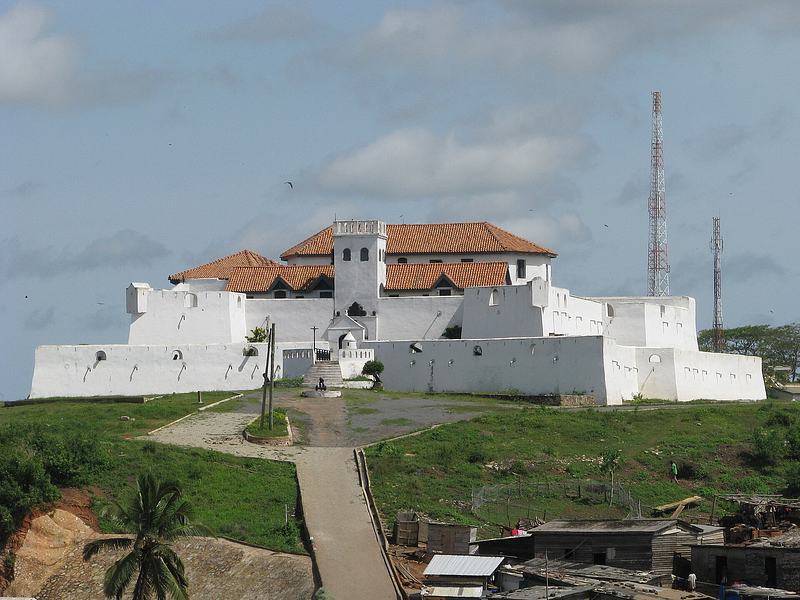
6.Fort Coenraadsburg (Fort St. Jago)
The Dutch built this hilltop fort by the 1660s on the site of a Portuguese chapel, after they had used the same height in 1637 to bombard the weakest side of Elmina Castle into surrender. It is considered the oldest purely military architecture on the Gold Coast, with no commercial warehouses and its strongest bastions trained inland. The climb rewards you with the best view over the castle, the town and the sea.
Tip: Come for late-afternoon light; the fort has served as a prison, hospital and rest house, so expect plain interiors and let the view do the work.
-
7.Elmina Java Museum
The first private museum in Ghana, opened in 2003, telling the story of the Belanda Hitam — the Black Dutchmen. Between 1831 and 1872 some 3,000 African recruits sailed from Elmina to Batavia to serve in the Dutch colonial army; veterans were given plots behind St. George's Castle on what is still called Java Hill. Exhibits cover the recruits, Elmina's relationship with the Dutch and the Ashanti Empire, and the Ulzen family genealogy from 1731.
Tip: A small, personal museum — read the panels rather than rushing through, and ask about the two Ashanti princes educated in the Netherlands.
-
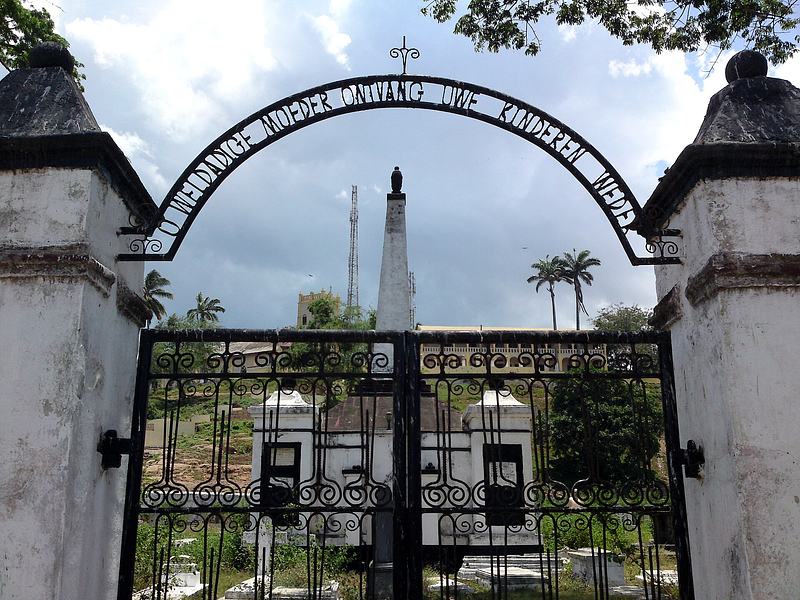
8.Dutch Cemetery, Elmina
A public, non-denominational colonial burial ground established in 1806 on the order of Governor Johannes Petrus Hoogenboom, holding about seventy interments. Those buried here include Dutch officials and Elmina King Nana Kobina Gyan. It is a quiet, walled counterpoint to the castle, and one of the sites the Ghana Museums and Monuments Board lists within walking distance of St. George's Castle.
Tip: Combine it with Fort St. Jago and the castle on a single walk through town; the three sit close together.
-
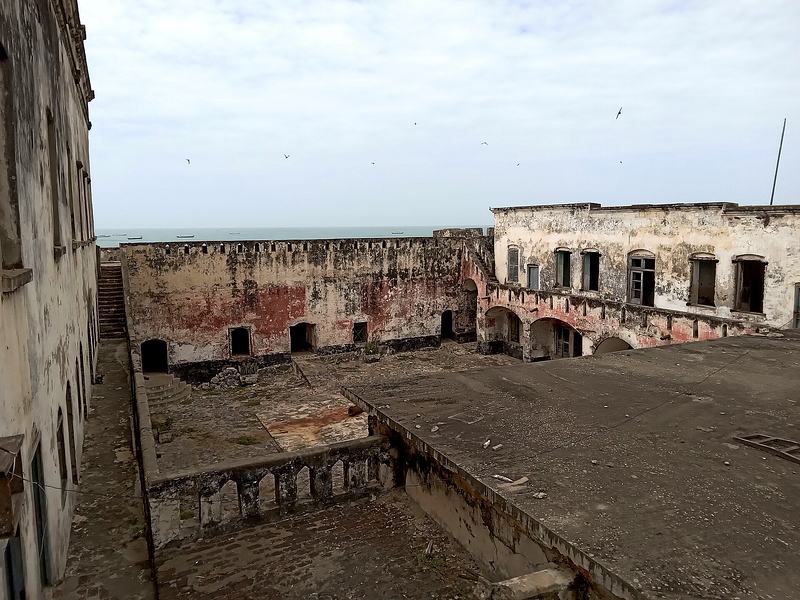
9.Fort William and the Memorial Garden of Return, Anomabo
A British trading fort at Anomabo, built from 1753, later used as a prison and now in the custody of the Ghana Museums and Monuments Board. Beside it, the Memorial Garden of Return was redeveloped for the Year of Return, Ghana 2019, giving the town a place to receive diaspora visitors. Anomabo also has a wide Atlantic beach and the Dontsin No. 3 Company posuban shrine, outdoored in 1948 and rebuilt in 1966.
Tip: Anomabo sits about 115 km west of Accra on the coastal road, making it a natural first or last stop on a coastal run.
-
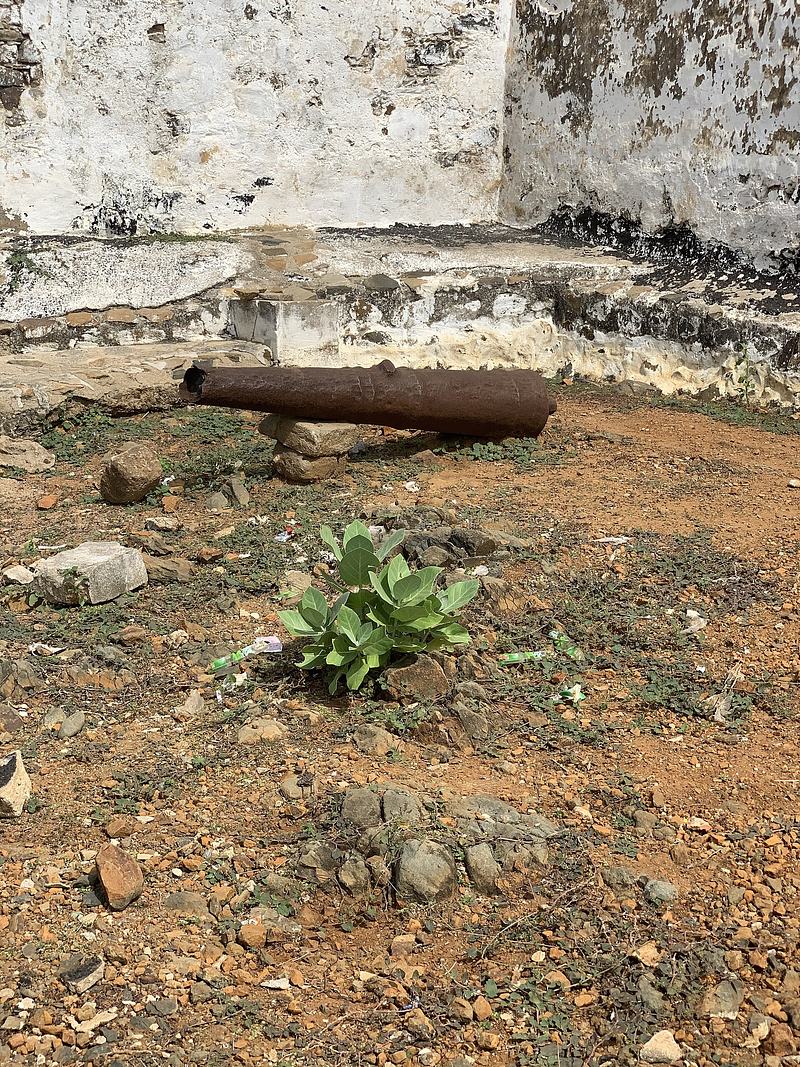
10.Fort Patience and Apam's harbour
Dutch-built Fort Patience, or Fort Lijdzaamheid, stands on a promontory at Apam overlooking the fishing harbour and the Gulf of Guinea coast. Below it, Apam's working artisanal harbour and fish market are among the liveliest on this stretch of shore, and the town's No. 1 Asafo company built its own posuban shrine. Apam Beach runs along the same waterfront.
Tip: The town is about 45 km east of Cape Coast, so it fits neatly into a day heading back towards Accra.
-
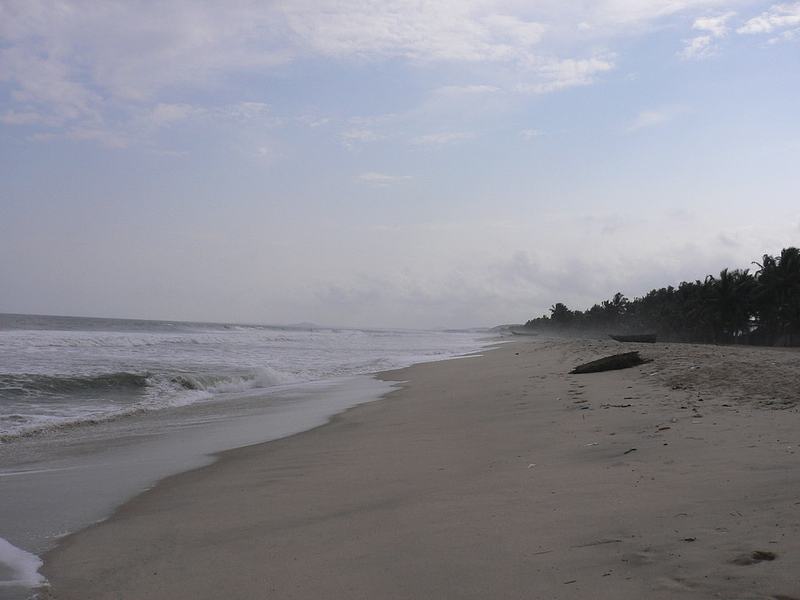
11.Winneba: Penkye Otu, the sacred forest and the beach
Winneba, or Simpa, is a historic fishing port and Effutu Municipal capital near the mouth of the Ayensu River. Penkye Otu is the principal deity of the Effutu, and the Effutu Community Sacred Forest is a communal sacred hunting ground maintained for over 300 years. Fort Winneba, a Royal African Company fort of 1694, stands on the coast, and Sir Charles Tourist Centre occupies the western seafront with a colonial-era pool that fills at high tide.
Tip: Treat the shrine and sacred forest as living sites, not attractions: ask locally before entering or photographing.
-
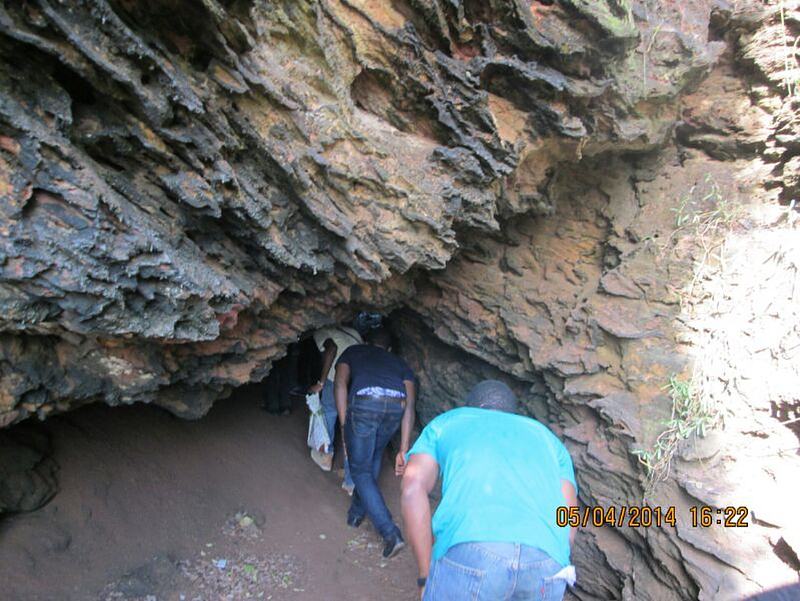
12.Komenda's forts, cave and beach
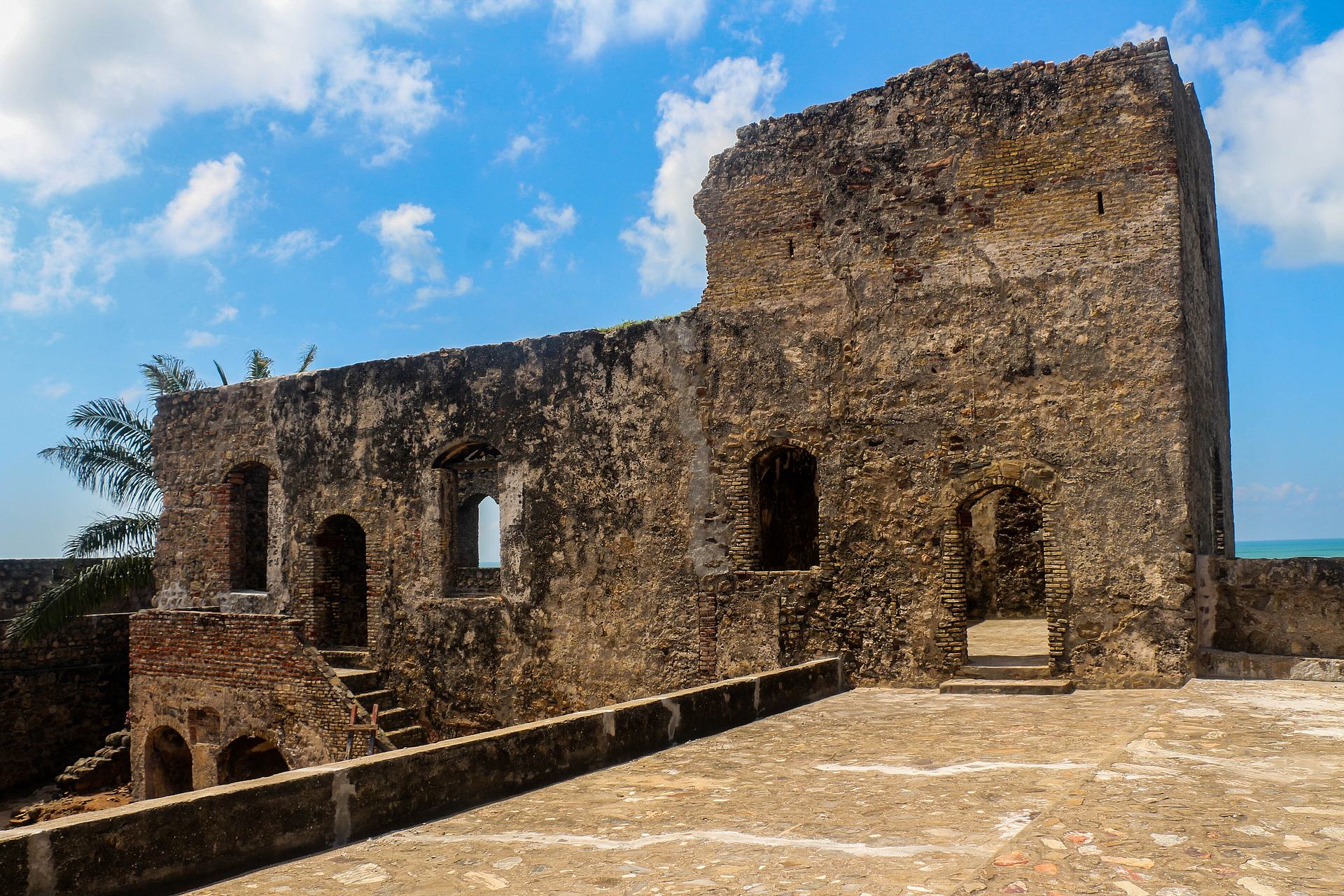
Komenda holds two ruined forts on the river: Fort Vredenburg, a Dutch fort of 1682 inscribed as UNESCO World Heritage in 1979, and English Fort Komenda, a British Gold Coast fort in Ghana Museums and Monuments Board custody. A few metres from the College of Education, stairs lead down to the small sandstone Komenda Sea Cave, and Komenda Beach runs along the Gulf of Guinea. The dormant state-owned Komenda Sugar Factory stands as a landmark of industrial heritage.
Tip: The forts are ruins rather than restored sites — go for the river setting and the cave, and set your expectations accordingly.
-
Attraction
13.Cape Coast town: Fort Victoria, Fort William Lighthouse and the Gothic House
Cape Coast rewards a walk beyond the castle. Fort Victoria is a hilltop monument overlooking the town and the Atlantic, and Fort William Lighthouse stands on Dawson's Hill as a historic lookout. The Gothic House, or Public Works Department building, is a nineteenth-century Gothic Revival landmark tied to the Aborigines' Rights Protection Society. The Centre for National Culture on Takoradi Road runs festivals, heritage programming and skills training.
Tip: Build the walk around late afternoon, when the light on the colonial facades is at its best and the heat has eased.
-
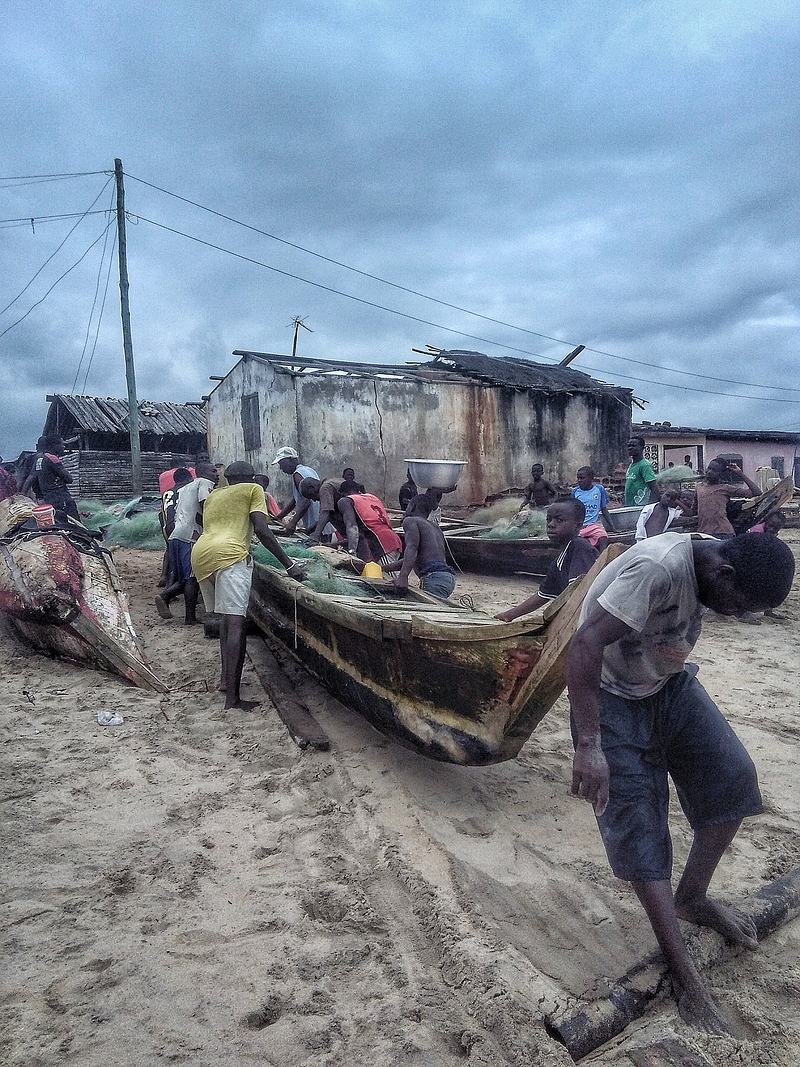
14.Brenu Beach and the quieter sands
Brenu Beach at Brenu Akyinim is a community-owned beach resort about 20 km from Cape Coast, conveniently placed between Elmina Castle and Kakum. Further west, Komenda Beach and Anomabo Beach offer long, open sand, while Cape Coast Castle Beach is the working fishing shoreline directly below the castle — open access, but with dangerous surf and no visitor amenities.
Tip: Swim only where locals swim and where the surf allows; the Atlantic here is powerful and there are no lifeguards.


Plan your time
Suggested itinerary
Half a day: Cape Coast in close-up
Start at Cape Coast Castle when it opens, take the guided tour through the dungeons and the Door of No Return, then spend time in the castle museum. Walk up to Fort Victoria and Fort William Lighthouse for the view over the town and the Atlantic, then loop back past the Gothic House and the Centre for National Culture. Finish with a slow look at the fishing beach below the castle — from a safe distance, as the surf is dangerous and there are no amenities.
Cape Coast Castle→Cape Coast Castle Museum→Fort Victoria→Fort William Lighthouse→Gothic House (Public Works Department Building), Cape Coast→Centre for National Culture, Cape Coast→Cape Coast Castle Beach
One day: Elmina and the canopy
Begin early at Elmina, where the pirogues land and the fish market fills from around six in the morning. Tour Elmina Castle, then climb to Fort Coenraadsburg for the view back over the castle and town, and walk down to the Dutch Cemetery and the town's posuban buildings. After lunch, drive north to Kakum National Park for the canopy walkway and a guided forest walk, staying for the evening drumming if the timing works. If you have energy left, the Elmina Java Museum is a short, absorbing stop.
Elmina Castle (St. George's Castle)→Elmina Fishing Harbour→Elmina Fish Market→Fort Coenraadsburg (Fort St. Jago)→Dutch Cemetery, Elmina→Kakum National Park→Elmina Java Museum
Two days: the full coastal arc
Day one follows the slave trade inland and out to the sea: Assin Manso Ancestral Slave River Park first, then Cape Coast Castle and its museum, then the town's hilltop forts and the Gothic House. Day two runs west along the coast — Elmina Castle, the harbour and Fort St. Jago, then Brenu Beach for a rest, then Komenda's ruined forts and sea cave. If you are heading back towards Accra instead, reverse the coastal leg and take in Anomabo's Fort William and Memorial Garden of Return, Apam's Fort Patience and harbour, and Winneba's beach and sacred forest.
Assin Manso Ancestral Slave River Park (Donkor Nsuo)→Cape Coast Castle→Cape Coast Castle Museum→Fort Victoria→Gothic House (Public Works Department Building), Cape Coast→Elmina Castle (St. George's Castle)→Elmina Fishing Harbour→Fort Coenraadsburg (Fort St. Jago)→Brenu Beach (Brenu Akyinim)→Komenda Sea Cave→English Fort Komenda→Fort Vredenburg→Fort William (Anomabu)→Fort Patience (Fort Lijdzaamheid)→Winneba Beach

Seasons and festivals
When to go
The Central Region is a coastal destination, so plan around rain rather than temperature. Kakum is rainforest and can rain at any time of year, so a raincoat and trainers belong in your bag whenever you go. The fishing harbours have their own daily rhythm: Elmina's boats land from around six in the morning and the harbour is busiest at the morning returns and evening departures, so early starts pay off whatever the season. The region's biggest festival, Aboakyer at Winneba, falls on the first Saturday of May, with the preceding week given over to clean-ups, a health walk and the parading of the gods through the streets. Emancipation Day is marked at Assin Manso on 1 August, with a durbar, a visit to the slave river and wreaths laid at the graves of returnees.
- Aboakyer, Winneba · First Saturday of May, with events through the preceding week
- The Effutu festival honouring Penkye Otu, the principal deity who tradition says guided the Simpa people from Timbuktu to their present home. Two Asafo companies, Tuafo Number One and Dentsefo Number Two, compete to bring the first catch of a live bushbuck from the sacred hunting forest to the durbar ground, where the Omanhen steps on it three times to signal the god's acceptance. The shift from human sacrifice to the bushbuck is traced to the reign of King Bondze Enyinam in the 1400s.
- Emancipation Day at Assin Manso · 1 August
- An annual durbar at the Assin Manso Ancestral Slave River Park, combined with a visit to the slave river and the laying of wreaths at the graves of returnees, including the two diasporans whose remains were reburied at the site. It is the climax of the Emancipation Day commemorations and a natural date for diaspora travellers to be in the region.
Access
Getting there and around
Cape Coast, the regional capital, is roughly a two-hour drive west of Accra, and the coastal road continues west through Elmina, Komenda and on towards the Western Region. Anomabo lies about 115 km west of Accra on that coastal road, and Apam about 45 km east of Cape Coast, so the towns string together neatly for a road trip. Kakum National Park is about 33 km north of Cape Coast, near Abrafo; VisitGhana advises using pre-arranged transport, though it is also possible by public transport with a connection from Cape Coast. Assin Manso sits 40 km along the Cape Coast–Kumasi highway at the Yamransa junction, which makes it a straightforward stop on the inland route. Within Cape Coast and Elmina, the castles, forts, cemeteries and markets are close enough to walk between, and Cape Coast is well served by established tour operators and transport if you would rather not drive yourself.
Good to know
Before you go
The castles and the slave river are memorial sites as much as historic ones. Dress and behave accordingly, keep your voice low in the dungeons, and let the guides lead. Ask before photographing people at work in the harbours and markets, and expect a warm but firm no in some places, particularly around shrines. The posuban shrines, Penkye Otu and the Effutu sacred forest are living religious sites, not exhibits: seek permission and follow local guidance. The Atlantic along this coast is powerful, with dangerous surf and no lifeguards at the working beaches, so swim only where locals do and where conditions allow. Kakum is rainforest — take a raincoat, wear shoes with grip, and keep your hands free on the canopy walkway. Carry cash for small purchases, and remember that the castles and forts are administered by the Ghana Museums and Monuments Board, so opening arrangements can change.

FAQ
Questions travellers ask about Central
Where is Ghana's Central Region, and what is its capital?
It lies on Ghana's southern coast, bordered by Ashanti and Eastern regions to the north, Western Region to the west, Greater Accra to the east and the Gulf of Guinea to the south. Its capital is Cape Coast, which was also the capital of the Gold Coast until 1877.
How long do I need for Cape Coast and Elmina?
Two days lets you do both castles properly, plus Fort St. Jago, the Dutch Cemetery, the Elmina harbour and the town's posuban buildings. Add a third day for Kakum and Assin Manso if you want the full picture.
Is the Kakum canopy walkway suitable for children?
Yes — VisitGhana describes the park as child-friendly, with a children's park that includes a mini canopy walkway, swings and a play area. There is a brief hike before you reach the bridges, so good shoes help.
What is the Aboakyer festival?
It is the Effutu festival at Winneba, held on the first Saturday of May in honour of the deity Penkye Otu. Two Asafo companies race to bring the first live bushbuck from the sacred hunting forest to the durbar ground, where the Omanhen steps on it three times to signal the god's acceptance.
What happened at Assin Manso?
Assin Manso was one of the largest slave markets gathering people for sale and the final link in the route from northern Ghana. Captives were rested at Donkor Nsuo, the slave river, and took their last bath in African waters before the roughly 40-mile march to the coastal castles.
Who were the Belanda Hitam?
They were African soldiers recruited on the Dutch Gold Coast in the nineteenth century for the Royal Netherlands East Indies Army. Between 1831 and 1872 some 3,000 recruits sailed from Elmina to Batavia, and the Elmina Java Museum tells their story.
Can I visit the forts along the coast?
Yes. Fort St. Jago at Elmina, Fort William at Anomabo, Fort Patience at Apam and Fort Good Hope at Senya Beraku are among the sites listed by the Central Regional Coordinating Council, while the Komenda forts are ruins. Fort Good Hope has been restored and now operates as a rest house and visitor attraction.
In pictures
Central in pictures
Sources for this guide (12)
- St. George's Castle (Elmina Castle), Elmina (1482) – Ghana Museums and Monuments Board
- Cape Coast Castle, Cape Coast (1653) – Ghana Museums and Monuments Board
- Fort St. Jago, Elmina (1660s) – Ghana Museums and Monuments Board
- Kakum National Park – Visit Ghana
- Assin Manso Ancestral Slave River Site – Visit Ghana
- Tourism in Central Region – Central Regional Coordinating Council
- Central Region (Ghana) – Wikipedia
- Central Region – Ghana Districts
- Elmina Java Museum – Wikipedia
- Elmina – Java Museum – Edward A. Ulzen Memorial Foundation
- Cape Coast Castle Museum – MoMAA
- Effutu Traditional Area celebrates 2024 Aboakyer in splendour – Modern Ghana (GNA)
Written September 29, 2026 from these sources and reviewed by the VisitGhana.app team. Confirm practical details locally before travelling.


