
A kingdom of drums and skins
Dagbon is among the oldest and most organised traditional kingdoms in Ghana, founded by the Dagomba people — Dagbamba in their own language — and tracing its ruling line to Naa Gbewaa, who unified decentralised chieftaincies headed by earth priests known as Tindaamba. The kingdom's kings bear the title Yaa Naa, meaning king of strength, and its capital of custom is Yendi, while Tamale grew into the largest city and commercial centre. At its height Dagbon's influence reached across what are now the Northern, Upper East, Upper West, Savannah and North East regions, and into parts of Burkina Faso, Ivory Coast and Togo. The kingdom established one of Ghana's oldest learning institutions at Moliyili, pioneered a writing system and built centres of healing. It is also one of the few African kingdoms where certain chieftaincy titles are reserved for women, who rule with male subjects and hold royal lands. Since independence, Dagbon has held a traditional and customary role within the republic, but its authority over land, custom and dispute is still felt daily. In Tamale you do not visit this history in a museum; you walk through it, past the palaces and courts of sub-chiefs such as the Gulkpe Naa, and hear it recited by the Lunga talking drum.

The road of salt, kola and human cargo
North of Tamale, the town of Salaga carries a heavier history. In the eighteenth and nineteenth centuries it was a great market town at the southern edge of the Sahel, so cosmopolitan that it was called the Timbuktu of the south. Kola nuts travelled south through it towards the coast and salt and other goods travelled north, and control of the town meant control of trade in both directions. It was also the largest slave market of its era, a place where people were bought and sold and from which captives were marched to the coast for export across the Atlantic. What remains today is quiet and spare: a young baobab on the site of the old market, and a pond whose Hausa name, Wonkan bawa, means the bathing spot of slaves. A market in Jamestown, Accra, still bears the name Salaga because people shipped from here were sold there. Visit with gravity. This is not spectacle but a place of remembrance, and the descendants of those who passed through it still live in the town.

Mud, faith and the Sudanic style
Islam reached northern Ghana along the trans-Saharan trade routes, carried by Mande warriors, traders and missionaries, and it left behind some of the region's most striking architecture. The ancient mosques of the north belong to the Sudanic-Sahelian tradition, also found in Burkina Faso and Ivory Coast, in which local building techniques are fused with the rules of mosque design. The Sudanic style is rectangular, with timber pillars supporting the roof, two pyramidal towers for the minaret and mihrab, and irregular buttresses topped with pinnacles that rise above the parapet. The finest example is the Larabanga Mosque, near Damongo on the way to Mole, thought to be the oldest mosque in Ghana and one of the oldest in West Africa, and popularly called the Mecca of West Africa. It is roughly eight metres square, built of mud and stick, and has four entrances — for the village chief, men, women and the muezzin. Tradition says an Islamic trader named Ayuba was told in a dream to build it, and woke to find its foundations already laid; his remains are said to lie beneath a baobab beside the door. The mosque has appeared on the World Monuments Fund's list of most endangered sites, and the Ghana Museums and Monuments Board works with communities and international partners on its restoration. Non-Muslims may not enter.

Savannah, sky and the animals that live in it
The Northern Region marks the ecological turn from Ghana's forested south to open savannah, and its landscapes run from grasslands studded with baobab and acacia to the Gambaga escarpment and the Nakpanduri cliffs. The climate is tropical, with a wet season from May to October and a dry season in which temperatures can reach 38°C; more than three-quarters of the working population farms the land. Just beyond the region's boundary, Mole National Park protects around 4,577 square kilometres of fairly undisturbed Guinea savannah, and is Ghana's first and largest protected area. It holds some 742 vascular plant species, more than 90 mammal species including five primates, 334 bird species and around 120 butterfly species. Elephants, buffalo, kob, roan antelope, hartebeest and waterbuck are among the animals visitors hope to see, and the park is considered to have the most viable elephant population in Ghana. It was inscribed on UNESCO's Tentative List of World Heritage properties in 2000. The park borders 33 fringe communities across two regions, and its guides lead foot, vehicle and night safaris.

What to do
Things to do in Northern
-
1.Walk with elephants at Mole National Park
Ghana's first and largest protected area spreads across roughly 4,577 square kilometres of Guinea savannah, and its foot safaris are the reason many travellers come north at all. Walking — rather than driving — puts you at eye level with a landscape of grassland, woodland and seasonal waterholes, with elephants, buffalo, kob, roan antelope and waterbuck among the animals regularly seen. The park also holds more than 90 mammal species and 334 bird species, so bring binoculars even if the big animals stay shy.
Tip: The park entrance sits three kilometres from Larabanga, off the Damongo–Sawla road; arrange your safari with the park's guides on arrival and start early, when the light is best and the animals are active.
-
2.See the Larabanga Mosque
Thought to be the oldest mosque in Ghana and one of the oldest in West Africa, Larabanga is a small mud-and-stick building in the Sudanic-Sahelian style, roughly eight metres square, with timber pillars, two pyramidal towers and buttresses crowned by pinnacles. It has four entrances — for the village chief, men, women and the muezzin — and a baobab beside the door is said to shelter the remains of the trader who built it. It is a working place of worship, not a monument.
Tip: Non-Muslims may not enter the mosque, so plan to admire it from outside and dress and behave accordingly; it sits near Damongo on the road to Mole, making it an easy stop en route.
-
3.Spend an afternoon at Red Clay Studio
Founded by the Ghanaian artist Ibrahim Mahama and inaugurated in 2020, Red Clay Studio is an open art campus of red-brick halls outside Tamale, named for the burnt-umber earth of the north. Its galleries hold exhibitions, installations and archives — including repurposed colonial-era trains and Soviet-era aircraft — alongside workshops, film screenings and community projects. Even visitors who think they do not like galleries tend to leave this one talking about it.
Tip: It lies outside the city, so arrange transport rather than expecting to walk; allow a couple of hours and ask your guide about the works on show, since the displays change.
-
4.Browse Tamale Central Market
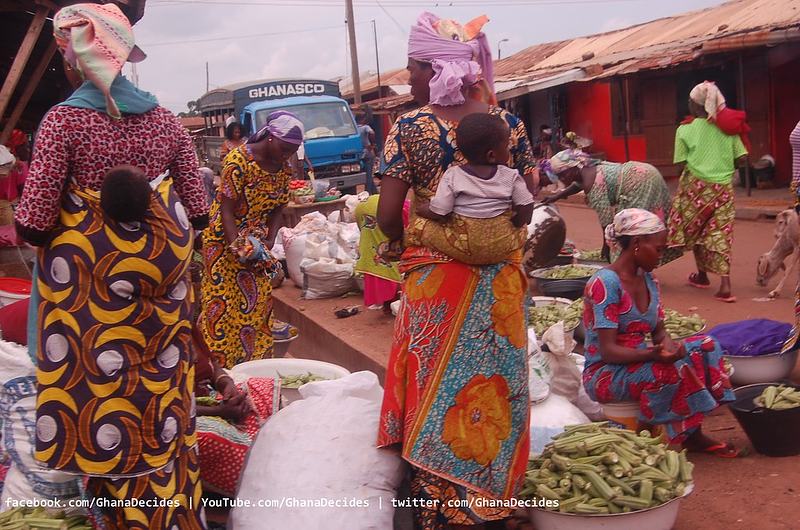
Tamale's main market is the commercial heart of the north, a dense, loud grid of stalls where the Aboabo and Dakurili sections sell food, crafts and clothing. It is the place to understand how the city feeds itself and trades with the towns around it, and to pick up practical things — cloth, baskets, sandals — rather than souvenirs made for visitors. Go with time to spare and no fixed route.
Tip: Go in the morning when the market is at its liveliest and the heat is manageable, keep valuables close, and ask before photographing traders.
-
Attraction
5.Watch potters at work at Kukuo
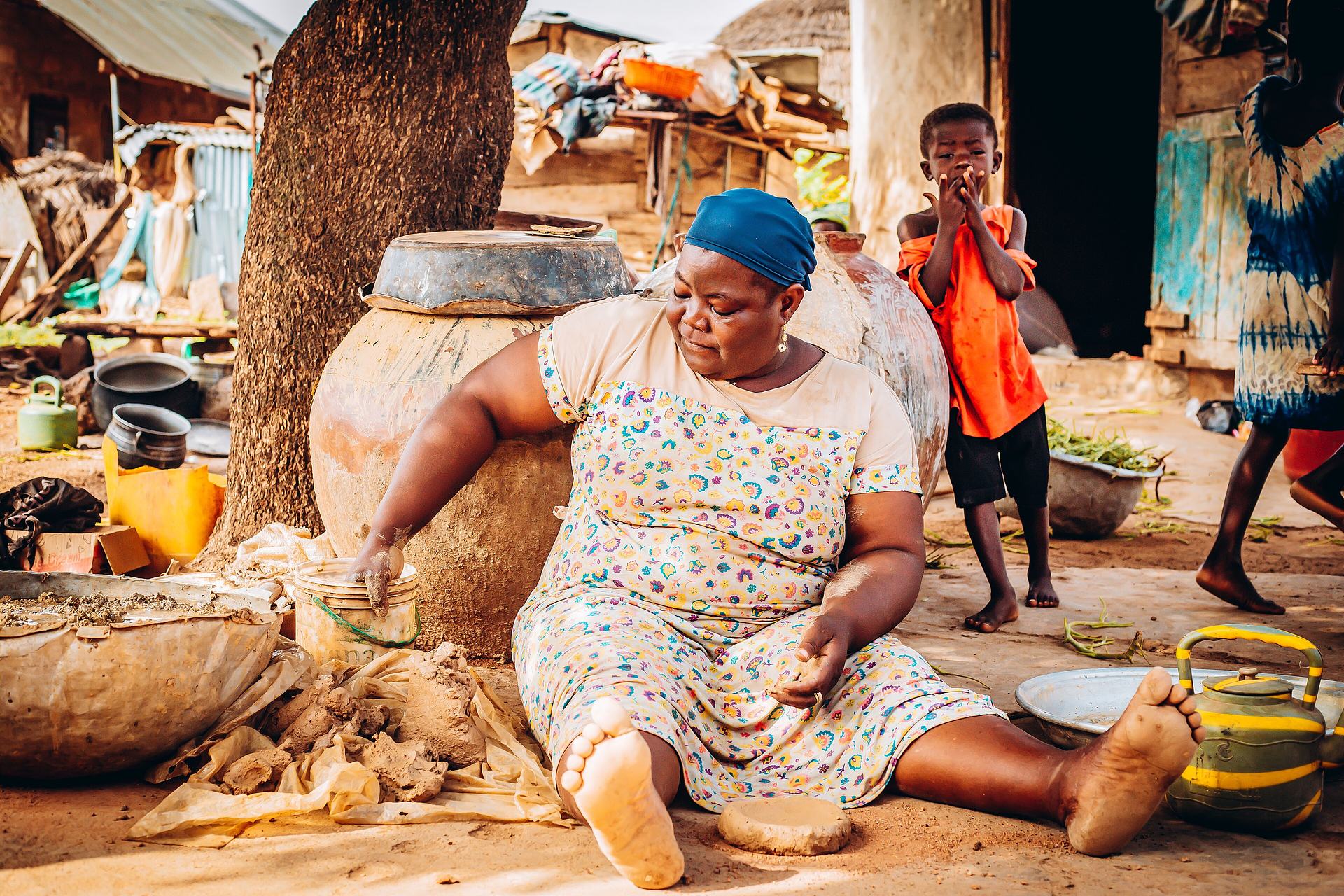
Kukuo is a traditional pottery-making community near Tamale, listed by Visit Ghana among the region's key attractions. Potters here shape clay by hand into cooking pots, water vessels and bowls using techniques passed down through generations, and the process — digging, wedging, coiling, smoothing and firing — is as interesting as the finished work. It is a working village rather than a staged demonstration, which is exactly its appeal.
Tip: Ask permission before taking photographs and consider buying directly from the makers; a local guide can explain the stages of production and translate.
-
Attraction
6.Visit the Centre for National Culture, Tamale
The Northern Regional office of Ghana's National Commission on Culture sits in Tamale's Central Business District and gathers several things in one place: a crafts village, sewing centres, bars and a restaurant. It is a convenient first stop for anyone wanting an overview of northern craft — smocks, leatherwork, baskets and textiles — and for meeting makers without travelling far from the city centre. The centre also hosts cultural programming through the year.
Tip: Come early in the day and treat it as an orientation stop before heading to markets or villages; prices are negotiable but bargaining should stay good-humoured.
-
7.Pay respects at the Dakpema Chief's Palace
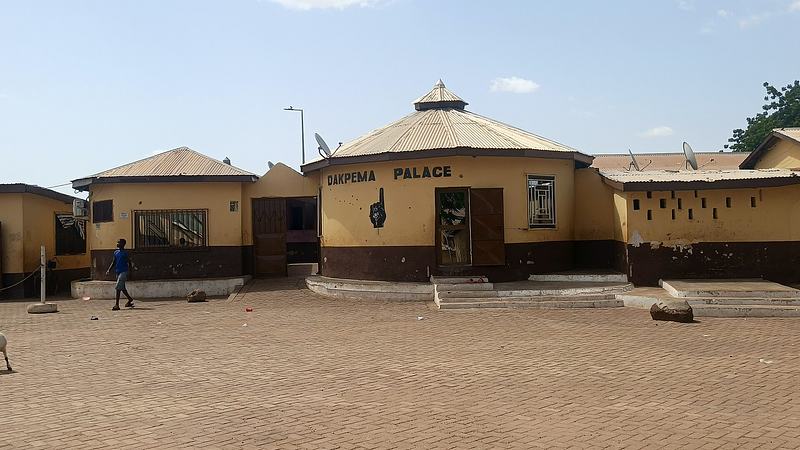
The palace of the Dakpema, chief of Tamale, is a focal point of Dagbon traditional life in the city and a gathering place during festivals. It is a seat of governance rather than a visitor attraction, and that is precisely why it matters: seeing where a chief holds court, receives elders and settles matters gives context to everything else you will encounter in Dagbon. Approach it as you would a working parliament.
Tip: Dress modestly, remove hats and shoes where indicated, and never enter or photograph without permission; a guide who knows the protocols will make the visit smoother and more respectful.
-
8.Follow the slave route at Salaga
In the eighteenth and nineteenth centuries Salaga was the largest slave market of its era and a great trading town at the edge of the Sahel, so cosmopolitan it was called the Timbuktu of the south. Captives were sold here and marched to the coast for export across the Atlantic. What survives is restrained and affecting: a young baobab on the site of the old market and a pond known in Hausa as Wonkan bawa, the bathing spot of slaves.
Tip: Come with a guide who can explain the town's place in both the trans-Saharan and Atlantic trades, allow quiet time, and remember that people still live here — this is remembrance, not spectacle.
-
9.Time your trip to Damba or the Fire Festival
Damba is the most widely celebrated festival in northern Ghana, a pageant of drumming, horsemanship and dance that glorifies chiefs and royalty, with the Yaa Naa sitting in state at Yendi. Bugum Chugu, the Fire Festival, opens the Dagomba lunar year on the ninth day of the month of fire, when celebrants dressed as warriors carry burning torches through the streets to remember a king's lost son. Both are living ceremonies, not performances for visitors.
Tip: Festival dates follow the lunar calendar, so check locally before booking; watch from the edges of the crowd, keep clear of the torches, and ask before filming.


Plan your time
Suggested itinerary
Half a day: Tamale's culture and craft
Start at the Centre for National Culture in the Central Business District, where the crafts village and sewing centres give you a quick grounding in northern textiles and leatherwork. Move on to Tamale Central Market and wander the Aboabo and Dakurili sections for food, cloth and everyday trade. Finish at the Dakpema Chief's Palace, observing the protocols of a working traditional court, and if time allows drive out to Kukuo to watch potters shaping and firing clay by hand.
Centre for National Culture, Tamale→Tamale Central Market→Dakpema Chief's Palace (Tamale)→Kukuo Pottery Centre (Kukuo Pottery Village)
One day: art, history and the road to Mole
Give the morning to Red Clay Studio outside Tamale, where Ibrahim Mahama's red-brick galleries, installations and archives deserve a couple of unhurried hours. Then take the road south-west towards Damongo, stopping at Larabanga to see the ancient mud mosque from outside. Arrive at Mole National Park in the afternoon, settle in, and take an evening or early-morning guided safari on foot among elephants, antelope and savannah birds before returning to Tamale.
Red Clay Studio
Two days: Dagbon in depth
Day one covers Tamale itself — the Centre for National Culture, the central market, the Dakpema Chief's Palace and the potters of Kukuo — with an afternoon at Red Clay Studio. Day two heads out of the city: drive to Salaga to walk the site of the old slave market and its wells with a guide, taking time to sit with what happened there, then return via Larabanga and Mole National Park for a safari. If your visit coincides with Damba or Bugum Chugu, build the day around the festival instead.
Centre for National Culture, Tamale→Tamale Central Market→Dakpema Chief's Palace (Tamale)→Kukuo Pottery Centre (Kukuo Pottery Village)→Red Clay Studio

Seasons and festivals
When to go
The Northern Region has a tropical climate with a wet season from May to October and a dry season in which temperatures can reach 38°C. The dry months are the better time for wildlife: with vegetation thinner and waterholes shrinking, animals concentrate and are easier to see, which is why the dry season is recommended for Mole National Park. Expect hot, bright days and cool nights for much of the year, and pack for dust as well as sun. The region's festivals follow the lunar calendar, so their dates shift from year to year — confirm locally before you travel.
- Damba Festival · Lunar calendar; the most widely celebrated festival in northern Ghana
- Damba is a celebration of chiefs and royalty, marked by traditional pageantry, drumming, dance and feasting. It begins with the sighting of the new crescent moon and builds through ten days of song-learning and dance practice to the main ceremonies, when the Yaa Naa sits in state at the Gbewaa Palace in Yendi. It is celebrated by Dagombas and also by the Mamprusi, Gonja and the people of Wa.
- Bugum Chugu (Fire Festival) · Ninth day of Buɣim Goli, the first month of the Dagomba lunar year
- The first Dagomba festival of the year commemorates a king's lost son, found asleep under a tree by torchlight. After a day of feasting and new-year greetings, celebrants dressed as warriors carry burning torches through the streets, chanting and dancing the ancient ziem, with the chief lighting the first torch. It is observed across the Dagbon area, including Tamale, Yendi and Savelugu.
Access
Getting there and around
Tamale is the gateway to the north and the natural base for the region. By road it is served by daily buses and coaches from Accra, Kumasi and Bolgatanga, with operators including STC, Metro Mass Transit, VIP and VVIP; from Wa, Metro Mass Transit runs to Damongo daily. Tamale also has an airport with flights from Accra and Kumasi. Once in the city, shared taxis and tro-tros cover most journeys, and hiring a car and driver is the simplest way to reach villages, Salaga and the park. Mole National Park lies about 146 kilometres south-west of Tamale, roughly two and a half hours by road, with a single main entrance three kilometres from Larabanga off the Damongo–Sawla road. A daily Metro Mass Transit bus links the park and Tamale, and from Tamale's Sankpala Station you can take a tro-tro straight to the park or a Damongo-bound tro-tro and change there. Driving from Accra takes around ten hours and from Kumasi around six, so most visitors break the journey or fly.
Good to know
Before you go
The north is predominantly Muslim and more conservative in dress than Ghana's south, so cover shoulders and knees, and women may wish to carry a scarf for visits to mosques and palaces. Always ask before photographing people, chiefs' palaces or ceremonies, and never enter a mosque or palace without permission — Larabanga Mosque, for instance, is closed to non-Muslims. Chieftaincy is a living system of governance, not heritage theatre: dress modestly, follow your guide's lead on greetings and protocol, and treat palaces with the seriousness you would give a parliament. Learn a few words of Dagbani and greet people before asking questions. The region is hot and dry for much of the year, so carry water, sun protection and a hat, and be prepared for dusty roads. Distances between sites are long and public transport is slow, so build slack into your plans. Finally, approach Salaga and other sites of the slave trade with quiet respect; people live with this history every day.

FAQ
Questions travellers ask about Northern
Where is the Northern Region of Ghana and what is its capital?
The Northern Region lies in the north of Ghana, bordered by the Upper East and Upper West Regions, Togo, the Black Volta River and Ivory Coast. Its capital and largest city is Tamale, which serves as the commercial centre of the north and the main base for visitors.
Is Mole National Park in the Northern Region?
Mole National Park is often associated with the north but now falls within the Savannah Region, just beyond the Northern Region's boundary. It is about 146 kilometres south-west of Tamale, roughly two and a half hours by road, and is easily visited as a trip from the city.
When is the best time to visit northern Ghana?
The dry season is generally the best time, especially for wildlife, because thinner vegetation and shrinking waterholes make animals easier to see at Mole. The wet season runs from May to October, and dry-season temperatures can reach 38°C, so plan around heat and dust.
What festivals can visitors see in Dagbon?
The two major Dagomba festivals are Damba, a celebration of chiefs and royalty with drumming, dance and pageantry, and Bugum Chugu, the Fire Festival, when celebrants carry burning torches through the streets at the start of the Dagomba lunar year. Both follow the lunar calendar, so dates change each year.
Can non-Muslims go inside the Larabanga Mosque?
No. Non-Muslims are not allowed to enter the Larabanga Mosque, which is a working place of worship. Visitors can admire its Sudanic-Sahelian architecture from outside, and should dress modestly and behave respectfully.
How do I get to Tamale?
Tamale is reachable by daily buses and coaches from Accra, Kumasi and Bolgatanga, and by air from Accra and Kumasi. From Tamale, tro-tros, shared taxis and hired cars with drivers connect the city to villages, Salaga and Mole National Park.
What is there to see in Tamale itself?
Tamale offers the Centre for National Culture with its crafts village, the busy Central Market, the Dakpema Chief's Palace, and the pottery village of Kukuo nearby. Outside the city, Red Clay Studio, founded by the artist Ibrahim Mahama, holds galleries, installations and archives in red-brick halls.
In pictures
Northern in pictures
Sources for this guide (10)
- Northern Region — Visit Ghana (Ghana Tourism Authority)
- Kingdom of Dagbon — Wikipedia
- Ancient Mosques of the Northern Region — Ghana Museums and Monuments Board
- Mole National Park — official park site
- Getting There — Mole National Park
- Bugum Chugu — Wikipedia
- Salaga — Wikipedia
- Ghana: Tamale — Red Clay Studio — Hoblets On The Go
- Damba Festival: History, Rituals and How Dagbon Celebrates — Dagbon Kingdom
- The Pillars of the North: A History of the Dagbon Kingdom — TamaleGhana.com
Written September 29, 2026 from these sources and reviewed by the VisitGhana.app team. Confirm practical details locally before travelling.


