
The kingdom that kept its own account
Kumasi was the capital of an Asante state that, at its height in the eighteenth century, was among the richest and most powerful on the African continent. Its unity was expressed in the Golden Stool, which Asante tradition holds descended from the sky and to which all chiefs pledged allegiance. The kingdom's authority was spiritual as much as military: Okomfo Anokye, the priest who helped found it alongside Asantehene Osei Tutu I, is said to have driven his sword into the ground at Kumasi as a symbol of Akan unity, declaring that no one would ever pull it free. It is still there, on the grounds of the Komfo Anokye Teaching Hospital, and the claim that it has never been removed is repeated as living tradition rather than settled fact.
The nineteenth century brought war with Britain, the exile of Asantehene Prempeh I, and then, in 1900, the demand by the British governor that the Golden Stool be surrendered. Yaa Asantewaa, Queen Mother of Ejisu, refused. Born around 1840 at Besease, she had become regent after her grandson was exiled, and at a council of the remaining Asante leaders she asked how a proud and brave people could sit back while their king was taken. She led the rising that became the War of the Golden Stool, was captured, and died in exile in the Seychelles in 1921. The stool was never handed over. Manhyia Palace, built by the British in 1925 as a residence for the returning Prempeh I, now houses a museum of that history — and the Asantehene still sits in session there.

Cloth that carries a message
Asante cloth is not decoration. Kente is woven on a hand-operated loom in strips that are later sewn together, and its patterns carry names drawn from proverbs, historical events and chiefs. One design, Nkyimkyim, says that the path of life is not straight; another, Obi Nkyee Obi Kwan Mu Si, that no one shows you how to chart your path. The cloth's origin story belongs to Bonwire, where tradition says two hunter brothers, Opoku Kuragu and Kwakye Ameyaw, watched a spider — Ananse — spin its web around 1720 and reproduced the weave in raffia fibre. The first cloth was black and white. Later weavers introduced colour and geometric pattern, and the Asante kings created stools and titles for the families who wove for the court. Adanwomase, a few kilometres away, is the other great weaving town, and the two communities both claim the craft's deepest roots.
Adinkra works differently. At Ntonso, artisans boil and pound the bark of the badie tree into a dense black dye, carve symbols into calabash shells, dip and stamp. The symbols are concepts and proverbs: Gye Nyame, 'except God'; Sankofa, the bird looking back, meaning it is not taboo to return for what you have forgotten; Duafe, the wooden comb, for care and femininity. Visitors can pound bark, stamp a strip of cloth and take it home.

Forest, crater and cocoa country
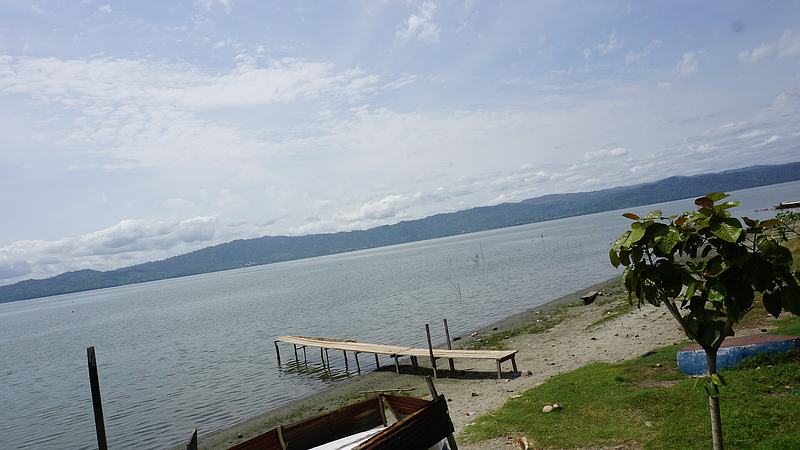
Beyond the city, the region turns green and steep. Lake Bosomtwe, about 30 km south-east of Kumasi, is Ghana's only natural inland lake, sitting in an impact crater roughly 10.5 km across and about a million years old. It has no surface outlet and is fed by rain and by streams tumbling down the crater's steep sides. UNESCO counts it as one of only six meteoritic lakes in the world, and the surrounding biosphere reserve holds forest, wetland and mountain ecosystems, with tree pangolin, lesser spot-nosed monkey and a long list of birds. For the Asante it is sacred: tradition holds that the souls of the dead come here to bid farewell to Asase Ya, and fishing is done from flat wooden planks rather than canoes. Around thirty villages ring the shore, Abono being the usual base.
Elsewhere the region is cocoa and timber country, with forest reserves such as Bobiri, near Kubease on the Accra road, where an arboretum, forest trails and a butterfly sanctuary sit inside semi-deciduous rainforest. The land is also gold country — the Ashanti gold belt runs through it, and the crater itself is under pressure from illegal artisanal mining, a reminder that this landscape is worked as well as admired.

What to do
Things to do in Ashanti
-
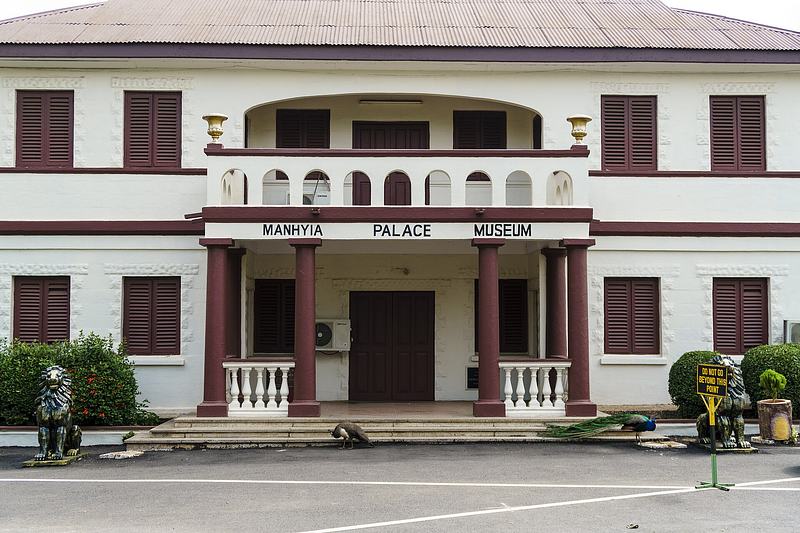
1.Manhyia Palace Museum
The essential first stop in Kumasi. The old palace, built in 1925 for Asantehene Agyeman Prempeh I on his return from nearly three decades of exile, became a museum in 1995 and holds regalia, furnishings, photographs and wax figures of past kings and queens. Guides walk you through the Asante account of the Anglo-Asante wars and the exile. It reopened in 2024 after refurbishment, with Asante artefacts loaned from the British Museum and the V&A.
Tip: If your visit coincides with Akwasidae, the sixth-Sunday durbar at the palace, plan the museum for another day — the ceremony takes over the compound.
-
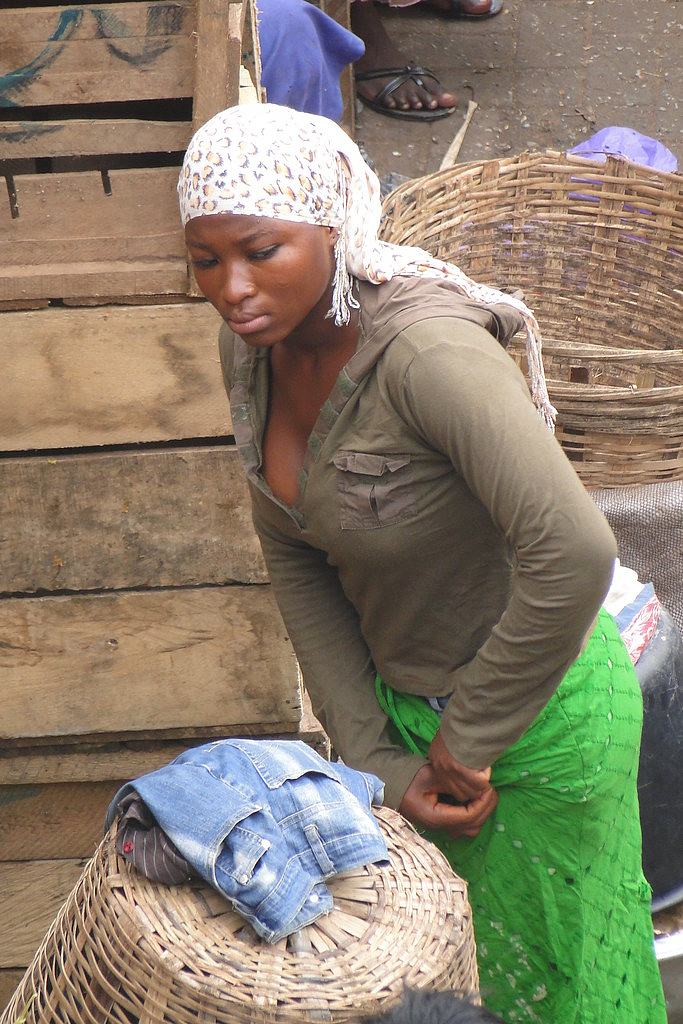
2.Kejetia Market
Kumasi Central Market is a multi-level city within a city, trading Monday to Saturday, and the region's commercial engine. Visit Ghana describes it as the largest open-air market in West Africa; whether or not you accept the superlative, the scale is genuinely disorienting. Go for cloth, beads, foodstuffs, sandals and household everything, and for the sheer theatre of a West African trading day. Haggling is expected and part of the experience.
Tip: Go with a local guide or a Kumasi friend on a first visit, keep valuables close, and agree a meeting point before you go in.
-
Attraction
3.Bonwire kente weaving village and museum
Bonwire, about 18 km along the Kumasi–Mampong road, is the historic home of kente. Start at the visitor centre, then walk the community workshop where weavers work hand looms in the open, threading, warping and beating the cloth. You can try the loom yourself, meet master weavers, and see how different yarns produce different patterns. The Kente Museum and the weaving centre anchor the visit, and village shops sell finished cloth.
Tip: Ask a weaver to explain the name and meaning of a pattern before you buy — it changes what you are looking at.
-
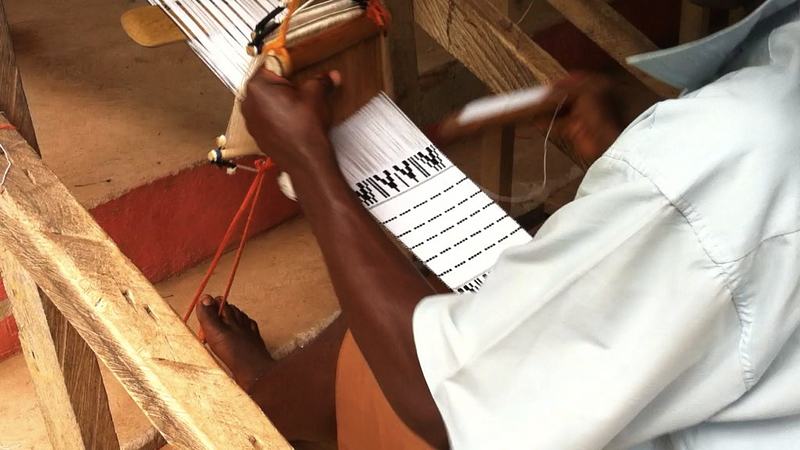
4.Adanwomase kente village
About 27 km north-east of Kumasi, Adanwomase is the other great kente town, with a visitor centre, a community workshop and a small kente museum. It is quieter than Bonwire and the tour is more structured, covering spinning, dyeing and weaving from raw yarn to finished strip. The two towns are close enough to visit on the same run, and doing both gives you a fuller picture of a craft whose origins are still debated between them.
Tip: Combine Adanwomase with Ntonso on the same loop north of Kumasi — they are a short drive apart.
-
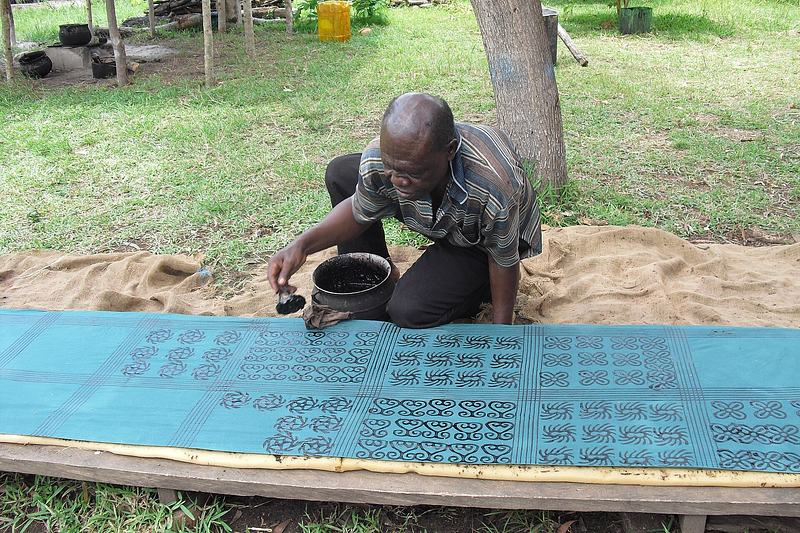
5.Ntonso Adinkra Village
At Ntonso, about 15 km north of Kumasi, guided tours cover the whole adinkra process: pounding and boiling badie bark into black dye, carving calabash stamps, and printing symbols onto cloth. You can stamp your own strip and buy finished pieces. The symbols are proverbs and concepts rather than ornament, and a good guide will decode several for you — Sankofa, Gye Nyame, Duafe and others.
Tip: Wear something you don't mind splashing, and let the stamped cloth dry properly before packing it.
-
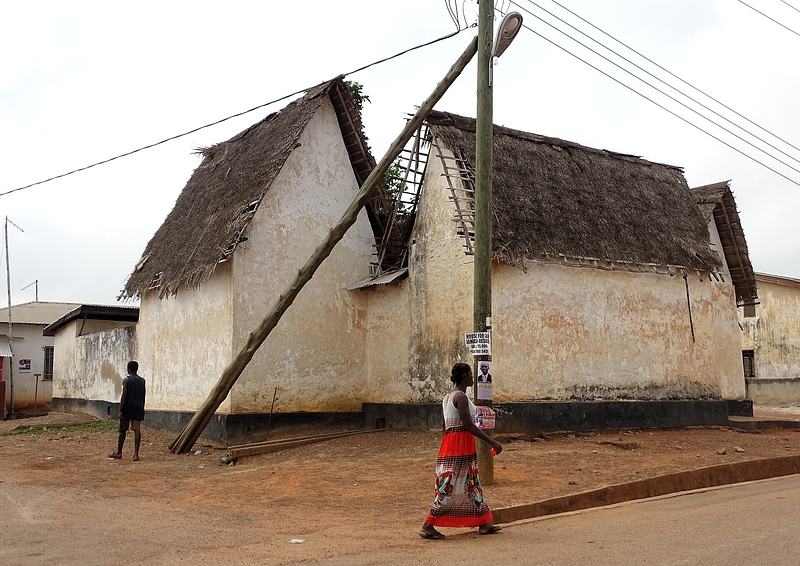
6.Asante Traditional Buildings and Besease shrine
Ten surviving shrine houses near Kumasi form Ghana's 1980 UNESCO World Heritage property — the last material remains of the great Asante civilisation. Built of timber, bamboo and mud plaster around courtyards, they carry bold bas-relief decoration: spirals, arabesques, animals, birds and plants linked to Adinkra symbolism. Besease, on the Kumasi–Accra road, is the most accessible and the only one restored; the others, scattered north and north-east of the city, are in advanced decay.
Tip: These are living religious sites, not ruins. Ask before photographing, follow your caretaker's lead, and dress modestly.
-
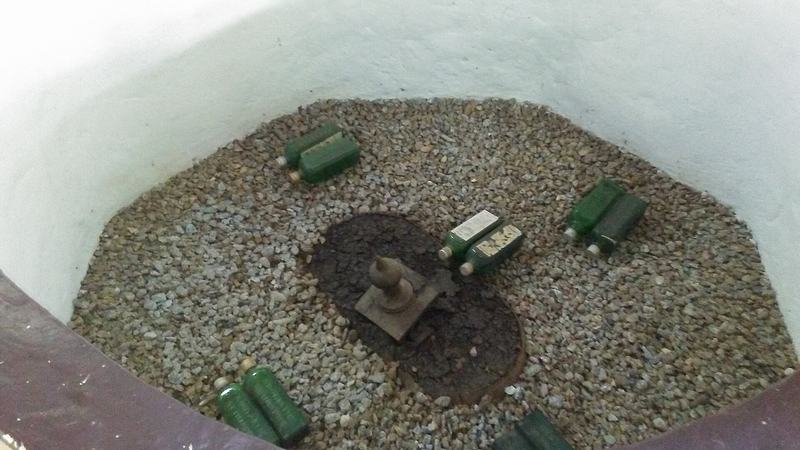
7.Okomfo Anokye Sword Site
On Stewart Avenue, within the grounds of the Komfo Anokye Teaching Hospital, a sword stands in the earth where tradition holds the priest Okomfo Anokye planted it as a symbol of Akan unity during the founding of the Asante Empire. Tradition also holds that no one can remove it, and that many have tried. A small enclosure and interpretation area explain the story and its link to the Golden Stool. It takes under an hour and sits close to central Kumasi.
Tip: It is a short stop — pair it with Manhyia or the Centre for National Culture rather than making a special trip.
-
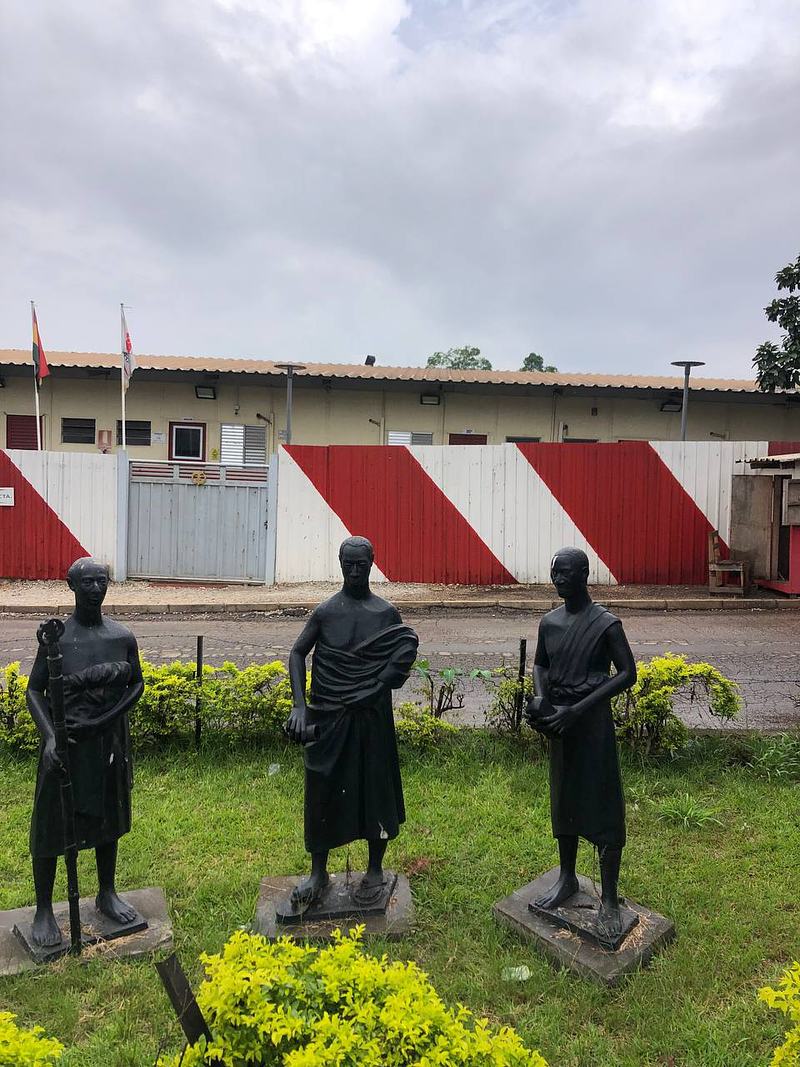
8.Centre for National Culture, Kumasi
Established in 1956, the cultural centre gathers Asante craft workshops, a gallery, a crafts shop and the Prempeh II Jubilee Museum on one site. The Jubilee Museum holds Asante historical material, including memorabilia associated with Okomfo Anokye. It is the easiest place in the city to see carving, brasswork, bead-making and cloth under one roof, and a sensible first stop if you want to understand what you are looking at before you buy.
Tip: Prices at the craft shop are higher than in the villages — use it to learn, then buy at source in Bonwire or Ntonso.
-
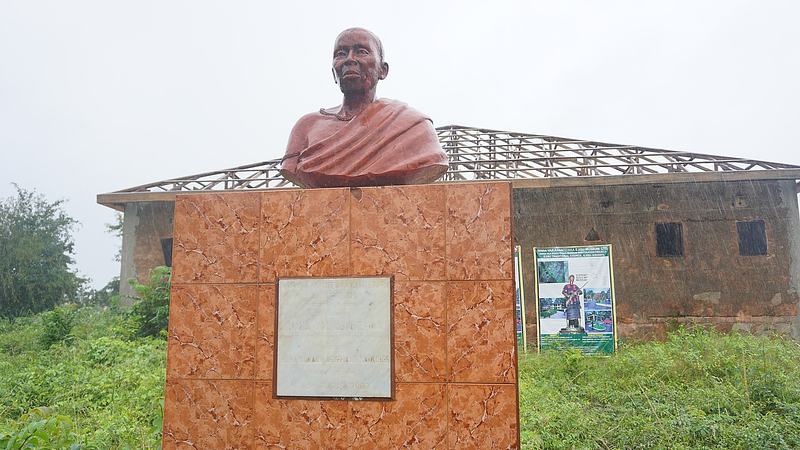
9.Yaa Asantewaa Museum, Ejisu
In Ejisu, the museum honours Yaa Asantewaa, Queen Mother of Ejisu, who in 1900 led the Asante rising known as the War of the Golden Stool rather than allow the British governor to take the stool. Born around 1840 at nearby Besease, she was captured and died in exile in the Seychelles in 1921. The museum tells her story and that of the war. It is a modest site with an outsized subject, and it pairs naturally with the Besease shrine a short distance away.
Tip: Read up on the War of the Golden Stool before you arrive — the displays assume you know the outline.
-
10.Lake Bosomtwe at Abono
Ghana's only natural inland lake sits in a meteorite impact crater about 30 km south-east of Kumasi, roughly a million years old and about 10.5 km across. Abono is the main shoreline settlement and entry point, with an information centre, boat trips on the traditional flat wooden padua, and the crater rim trail above the water. The lake is sacred to the Asante, who hold that the souls of the dead come here to bid farewell to Asase Ya. Come for swimming, walking and a night or two of quiet.
Tip: Stay overnight if you can — day-trippers miss the early light on the crater rim.
-
Attraction
11.Bobiri Forest Reserve and Butterfly Sanctuary
A 54.65 sq km semi-deciduous rainforest reserve at Kubease, about 20 km along the Kumasi–Accra highway, gazetted in 1939 and run as a research and visitor site by the Forestry Research Institute. There is an arboretum, forest hiking trails and a butterfly sanctuary, with guiding and interpretative material available. It is the easiest taste of real forest in the region and a good half-day for anyone interested in ecology rather than ceremony.
Tip: Wear long trousers and closed shoes, and take the guided trail rather than wandering unaccompanied.
-
12.Kumasi Fort and Military Museum
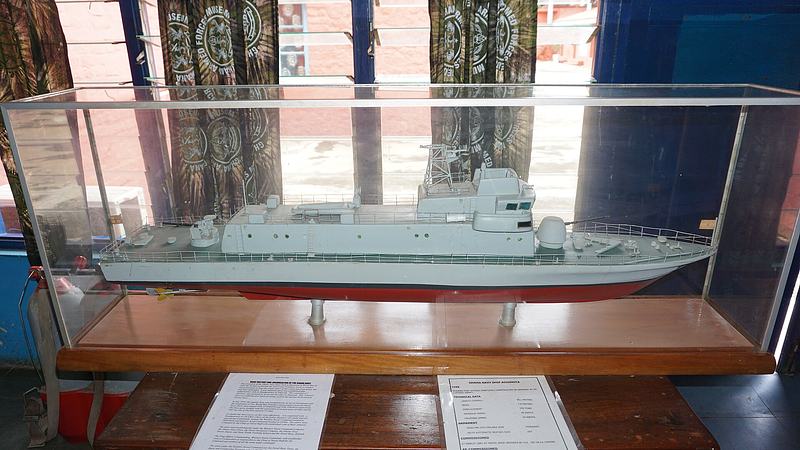
In the Uaddara Barracks area, the fort and its museum trace the Anglo-Asante wars and the evolution of the Gold Coast Regiment into the Ghana Armed Forces, with maps, old photographs and military regalia. It is a useful counterweight to the palace: the same history seen from the other side of the barricade. Best for travellers with a serious interest in military history.
Tip: Check locally that it is open before travelling out — military sites can close at short notice.


Plan your time
Suggested itinerary
Half a day: Kumasi old city
Start at Manhyia Palace Museum while it is cool and quiet, then walk or drive the short distance to the Okomfo Anokye Sword Site on the hospital grounds. Finish at the Centre for National Culture, where the Prempeh II Jubilee Museum and the craft workshops give you the context for everything you will see in the villages later. If you have energy left, drop into Kejetia Market for an hour with a guide — enough to feel the scale without getting lost.
Manhyia Palace Museum→Okomfo Anokye Sword Site→Centre for National Culture, Kumasi→Kejetia Market
One day: craft villages north of Kumasi
Leave Kumasi early and drive north to Bonwire, where you can tour the weaving centre, try the loom and visit the Kente Museum. Continue to Adanwomase for the community workshop and mini museum, then loop back via Ntonso to pound bark, stamp adinkra cloth and buy a finished piece. All three sit within roughly 30 km of the city, so the day is relaxed rather than rushed. Return to Kumasi for the evening.
Bonwire Kente Weaving Village→Adanwomase Kente Village→Ntonso Adinkra Village
Two days: history, then the crater
Day one: Manhyia Palace Museum, the Okomfo Anokye Sword Site and the Centre for National Culture in the morning; Kejetia Market in the afternoon. Day two: drive south-east to Ejisu for the Yaa Asantewaa Museum and the Besease shrine, then continue to Abono on Lake Bosomtwe for the information centre, a padua boat trip and the crater rim trail, staying overnight on the lakeshore. On the way back to Kumasi, stop at Bobiri Forest Reserve for the arboretum and butterfly sanctuary.
Manhyia Palace Museum→Okomfo Anokye Sword Site→Centre for National Culture, Kumasi→Kejetia Market→Yaa Asantewaa Museum→Besease Traditional Building→Lake Bosomtwe→Bobiri Forest Reserve and Butterfly Sanctuary

Seasons and festivals
When to go
The Ashanti Region sits in Ghana's forest belt, and Visit Ghana describes the weather as chilly in the mornings, bright and sunny in the afternoons for most of the year, with cool nights — comfortable conditions for walking and village visits. The heaviest rains fall in the main wet season, which makes the region's earth-and-thatch heritage sites and forest trails harder going; the drier months are better for the crater rim trail at Bosomtwe and for the forest at Bobiri. The Bonwire weaving centre is open year-round, and the kente festival is held annually, when new designs are outdoored.
The region's calendar is set by the Akan forty-two-day cycle rather than the Gregorian year. Akwasidae falls every sixth Sunday, when the Asantehene sits in session at Manhyia with processions, drumming and music; Adae Kese, the magnified form of the festival, is held at the end of the cycle and is a rare, large-scale durbar of chiefs and queen mothers. Other festivals named by Visit Ghana include Papa, Kente, Nkyidwo and Adae Kese. These are religious observances honouring past leaders, not tourist shows — check dates locally and behave accordingly.
- Akwasidae · Every sixth Sunday, on the Akan 42-day calendar
- The Asantehene sits in session at Manhyia Palace, accompanied by processions of dignitaries, drumming and music. It is the most accessible way to see the royal court in ceremonial action, and it draws visitors from across Ghana and beyond.
- Adae Kese · The last Akwasidae of the cycle
- A magnified form of the Sunday Adae festival, held in a large open space in Kumasi and attended by Asantes from all walks of life. It includes private ritual observances at the palace and a public durbar of chiefs and queen mothers presided over by the Asantehene, with regalia on display.
- Bonwire Kente Festival · Annually
- Held at Bonwire to mark the origin of the weaving craft, with new designs outdoored. A delegation from the Bonwire Traditional Council visits the places associated with the founding weavers, pouring libations and reciting the brothers' achievements for the younger generation.
Access
Getting there and around
Kumasi is the hub. Touring Ghana notes that the Ashanti Region is connected by road, rail and air, with intercity and STC buses running between Kumasi and Accra, and buses or trotros linking Kumasi to other regional capitals and major towns. The city sits at the apex of the national railway network, with passenger services to Accra and Takoradi. For the craft villages, Visit Ghana gives the driving route from Accra: take the Accra–Kumasi road, turn right at Ejisu and drive to the Bomfa Junction, then turn left and follow signs to Bonwire. Bonwire is about 18 km from Kumasi, Adanwomase about 27 km, and Ntonso about 15 km.
Within Kumasi, taxis and ride-hailing are the practical way to move between Manhyia, the cultural centre, Kejetia and the sword site, which are all in or near the centre. For Lake Bosomtwe, Abono is about 30 km south-east of Kumasi and reachable by road; Britannica notes that tourist facilities on the lakeshore date from 1976 and led to the resettlement of the residents of Abonu. Bobiri Forest Reserve sits about 20 km out on the Kumasi–Accra highway. For village and lakeside days, hiring a car and driver for the day is far simpler than piecing together trotros.
Good to know
Before you go
The Ashanti Region is not a museum. Manhyia is a working palace, the shrines are active religious sites, and Akwasidae is a religious observance. Dress modestly, ask before photographing people or shrines, and follow the lead of caretakers and guides rather than wandering off marked paths. At the Asante Traditional Buildings, remember that only Besease has been restored; the others are fragile and in decay, and the communities around them are the reason they survive at all.
Twi and other Akan languages are the everyday languages of the region, with English widely used in towns. Greetings matter: a simple "Ɛte sɛn?" goes a long way. Haggling is a normal part of market and craft shopping, but do it with good humour and pay fairly for handmade work. Bring cash for village purchases, sun protection and sturdy shoes for forest and crater-rim walking, and antimalarial precautions for the forest belt. Finally, treat the lake at Bosomtwe with the respect it is owed — it is sacred ground, not just a swimming spot.
FAQ
Questions travellers ask about Ashanti
What is the Ashanti Region known for?
It is the heartland of the Asante kingdom, centred on Kumasi. It is known for the Manhyia Palace and the Golden Stool tradition, kente weaving at Bonwire and Adanwomase, adinkra cloth at Ntonso, the UNESCO-listed Asante Traditional Buildings, and Lake Bosomtwe, Ghana's only natural inland lake.
How do I get to Kumasi and the Ashanti Region?
The region is connected by road, rail and air. Intercity and STC buses run between Kumasi and Accra, and buses or trotros link Kumasi to other regional capitals. Kumasi also sits on the national railway network, with passenger services to Accra and Takoradi.
Can I visit the Asante Traditional Buildings?
Yes. Ten shrine houses near Kumasi form the UNESCO World Heritage property, and Besease, on the Kumasi–Accra road, is the most accessible and the only one restored. The others are scattered north and north-east of the city and are in advanced stages of decay, so visits depend on local caretakers.
What is Lake Bosomtwe and why is it special?
It is Ghana's only natural inland lake, sitting in a meteorite impact crater about 10.5 km across and roughly a million years old, about 30 km south-east of Kumasi. UNESCO counts it as one of only six meteoritic lakes in the world, and it is sacred to the Asante, who hold that the souls of the dead come here to bid farewell to Asase Ya.
Where can I see kente being woven?
Bonwire, about 18 km from Kumasi, is the historic home of kente, with a visitor centre, community workshop, museum and village shops. Adanwomase, about 27 km north-east of Kumasi, is the other great weaving town, with its own visitor centre and mini museum. Both offer tours and the chance to try the loom.
When is the best time to see the Asantehene at Manhyia?
Akwasidae falls every sixth Sunday, when the Asantehene sits in session at Manhyia Palace with processions, drumming and music. Adae Kese, the magnified form of the festival, is held at the end of the Akan forty-two-day cycle and is a rare, large-scale durbar. Both are religious observances, so check dates locally and dress and behave accordingly.
What is the story behind the Okomfo Anokye sword?
Tradition holds that Okomfo Anokye, the priest who helped found the Asante Empire with Asantehene Osei Tutu I, planted the sword in the ground at Kumasi as a symbol of Akan unity and declared that no one would ever remove it. It stands on the grounds of the Komfo Anokye Teaching Hospital, and the claim that it has never been pulled free is repeated as living tradition.
Sources for this guide (16)
- Asante Traditional Buildings — UNESCO World Heritage Centre
- Ashanti Region — Visit Ghana
- Bonwire Kente — Visit Ghana
- What are the origins of the Asante's famous kente cloth? — The Conversation
- Manhyia Palace Museum — Wikipedia
- Lake Bosumtwi — Wikipedia
- Yaa Asantewaa — Wikipedia
- Lake Bosumtwi — Encyclopaedia Britannica
- Lake Bosomtwe — UNESCO Man and the Biosphere Programme
- Asante Traditional Buildings, Ghana — The Metropolitan Museum of Art
- Earth Network expert mission to Asante Traditional Buildings in Ghana — UNESCO
- Ashante Shrine, Kumasi — Zamani Project
- Ashanti Region — Touring Ghana
- Okomfo Anokye Sword Site — This Is Kumasi
- Tradition Goes on at the Ntonso Adinkra Village — CIEE
- Ghana has a rare treasure, a crater made when a meteor hit Earth — The Conversation
Written September 29, 2026 from these sources and reviewed by the VisitGhana.app team. Confirm practical details locally before travelling.


