
A town that grew from a fishing shore
Winneba's traditional name is Simpa, and its people, the Efutu (also called Awutu or Simpafo), are part of the Guang peoples historically regarded as among the aboriginal inhabitants of present-day Ghana. They founded this coastal settlement around 1390 CE, and the Simpa Kingdom took shape about 1400 AD. From pre-colonial times through the British Gold Coast period, Winneba served as a port town, and fishing and fish mongering remain the predominant occupations of local people today. The shoreline is not a resort backdrop but a workplace: canoes, nets, smokehouses and the daily business of the catch. The town's other anchor is education — the University of Education, Winneba runs three campuses here, and its students give the streets a younger, more restless energy than the fishing quarter alone would suggest.

Fort Winneba and the trade in enslaved people
On the coast stands Fort Winneba, built by the Royal African Company in 1694. It was a slave fort, designed to facilitate the trade in enslaved people, and it belongs to the same grim network as Cape Coast Castle and the other fortified posts that dotted the Gold Coast. In 1727 the surveyor William Smith, sent to review the Company's African castles after reports that they were unprofitable, anchored off Winneba and recorded what he saw: a fort on rising ground about fourteen yards from the sea, with a handsome avenue of trees up to the outer gate, a large spur to secure cattle at night, and good gardens. His account is a rare, matter-of-fact description of a place whose purpose was anything but ordinary. Visit with that in mind. The fort's pleasant setting and its role in the deportation of African people sit in the same frame, and the honest response is to hold both.

Penkye Otu, the sacred forest and the Aboakyer hunt
The Efutu believe that a deity, Penkye Otu, protected their ancestors on the long migration from the Western Sudan — the tradition names Timbuktu — to this coast, and the god was finally settled at a place called Penkye, which gave the deity its name. Penkye Otu is the principal deity of the Effutu people, and its shrine remains a living sacred site. To honour the god, the community set aside a communal forest reserve of more than eighty hectares, maintained for over three hundred years as the ground where bushbuck are caught alive for the annual Aboakyer festival. The name Aboakyer translates as 'hunting for game or animal' in Fante. Oral tradition holds that the original sacrifice was human, later changed — after appeals to the deity — first to a live wildcat and finally to a mature bushbuck, because so many hunters were lost capturing the earlier animals. Two Asafo companies, Tuafo (Number One) and Dentsefo (Number Two), have since carried the task of catching a live bushbuck by hand and presenting it at the durbar. The forest is also a place of ancestors and shrines, and its conservation is inseparable from the survival of the festival itself.

Low hills, a lagoon and a coast of birds
The Effutu traditional area is low-lying, with protruding granite rocks and isolated hills around Winneba, and it sits in a dry equatorial zone with low rainfall and a long dry season. West of town, the Muni-Pomadze Ramsar Site was designated a wetland of international importance in 1992. It takes in the Yenku A and B forest reserves, the catchments of three seasonal streams — the Pratu, the Boaku and the Muni — and the Muni Lagoon, which is separated from the sea by a sand bar and is opened by villagers when the rains fill it. The site is recognised by BirdLife International as an Important Bird Area, and its dunes are planted with coconut palms while mangroves grow in the northern wetland. It is also, in part, the traditional hunting area of the Efutu people — the same landscape that sustains the sacred forest and the festival.

What to do
Things to do in Winneba
-
Attraction
1.Witness the Aboakyer festival
If your dates can bend to the first Saturday in May, bend them. Aboakyer is the reason Winneba is on the map for many visitors: two Asafo companies, Tuafo and Dentsefo, set out at dawn to catch a live bushbuck by hand, and the first to bring one back to the Paramount Chief's palace wins the year. The hunt itself happens out of town in the reserve, so what most visitors actually see is the parade, the drumming and the durbar, where the animal is formally presented and the Omanhene steps on it three times as a sign of the god's acceptance. It is a genuinely local occasion, not a staged show.
Tip: The hunt is not open to casual spectators — plan around the parade and durbar in town instead, and arrive the evening before to see the companies gather at dawn.
-
2.Pay your respects at Fort Winneba
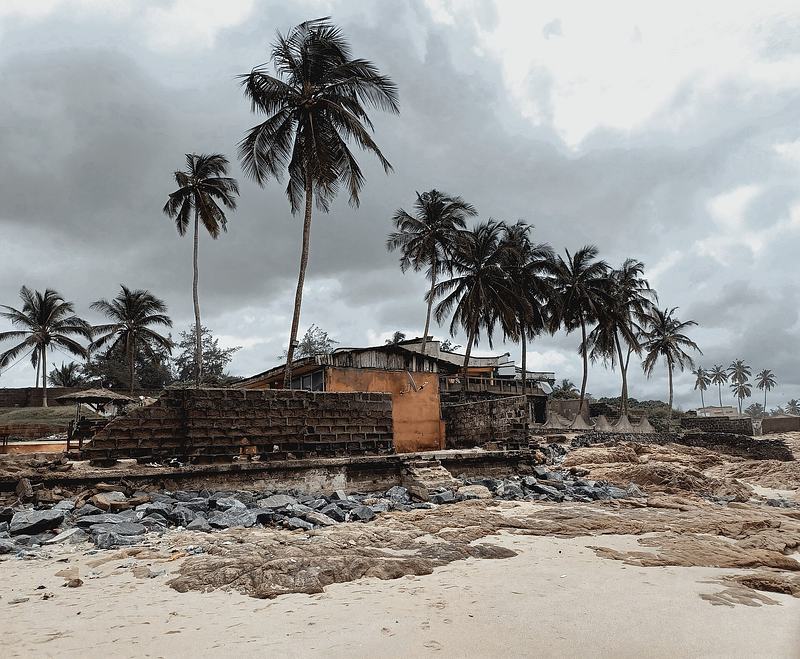
Fort Winneba is a 1694 Royal African Company fort built to facilitate the trade in enslaved people, and it is one of the more quietly affecting historic sites on Ghana's coast. The surveyor William Smith, who inspected it in 1727, described a fort on rising ground fourteen yards from the sea, with an avenue of trees to the outer gate, a spur for securing cattle and good gardens — an almost domestic picture of a place built for a brutal commerce. Go slowly, read what you can about the fort's role, and let the setting and the history sit together rather than apart.
Tip: Pair it with Cape Coast Castle or Elmina on the same trip; seeing several of these posts in sequence makes the scale of the trade far clearer than any single visit.
-
Attraction
3.Walk the Effutu Community Sacred Forest
This communal sacred forest and customary hunting ground has been maintained by the Effutu for over three hundred years, a reserve of more than eighty hectares set aside so that bushbuck survive for the annual Aboakyer hunt. It is also a place of ancestors and of shrines where sacrifices are made to the gods of the land, and its conservation is bound up with the community's cultural survival. Access is traditionally restricted, and a ban on entry applies in the two months before the festival, so treat any visit as a privilege granted by the traditional authorities rather than a standard attraction.
Tip: Ask locally — through your host, a guide or the traditional council — before entering, and never go in during the pre-festival closure.
-
Attraction
4.Visit the Penkye Otu shrine
Penkye Otu is the principal deity of the Effutu people, and its shrine is a living sacred site rather than a monument. Tradition holds that the god guided the Simpa people from Timbuktu to this coast and was settled at a place called Penkye, which gave the deity its name. The shrine is central to Aboakyer: the captured bushbuck is presented and the customary rites performed here, and the outcome is read as a sign for the year ahead. Approach it as a place of worship, with the same courtesy you would bring to any house of prayer.
Tip: Dress modestly, ask permission before photographing anything, and follow the guidance of whoever accompanies you — this is an active shrine, not a photo stop.
-
5.Spend an afternoon at Winneba Beach
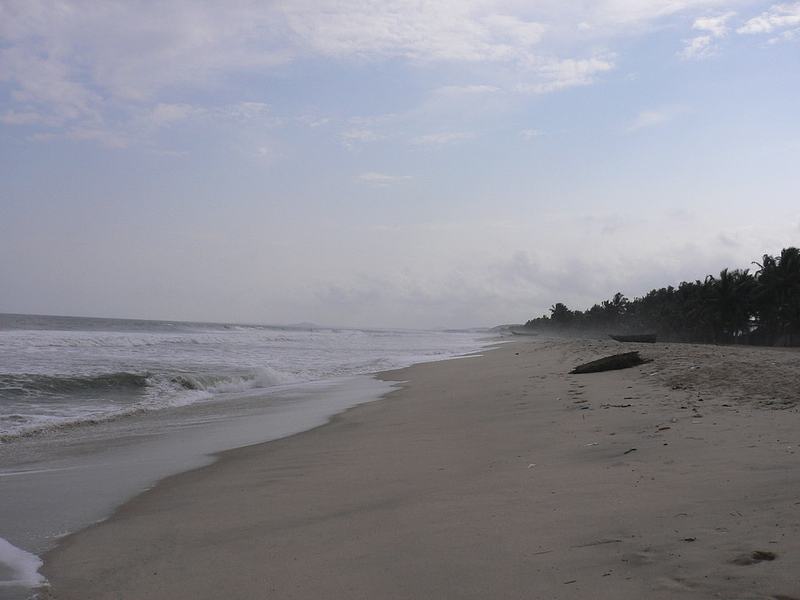
Winneba Beach is the working shoreline of a historic fishing port, and that is exactly what makes it worth your time. This is where the canoes come in, where the catch is landed, sorted and smoked, and where the town's oldest economy is still visibly running. It is not a manicured resort beach, and it is all the more interesting for it. Come in the late afternoon when the light softens, walk the sand, and watch a place that has been a port since pre-colonial times go about its business.
Tip: Keep a respectful distance from nets, boats and working crews, and ask before taking photographs of people at work.
-
Attraction
6.Swim and unwind at Sir Charles Tourist Centre
On the western side of town, the Sir Charles Tourist Centre is a seaside resort associated with Sir Charles Beach, where a colonial-era pool fills with the incoming tide. It is the gentler, more leisurely face of Winneba's coast — a place to swim, sit out the heat and let the afternoon pass. Because the pool depends on the tide, the experience changes through the day, which is part of its charm. Treat it as a relaxed half-day rather than a headline sight, and check locally what is open when you arrive.
Tip: Time your visit around high tide if you want the pool at its fullest, and confirm current access and facilities on the ground before making the trip.
-
7.Look for birds around the Muni-Pomadze Ramsar Site
West of Winneba, the Muni-Pomadze Ramsar Site is a wetland of international importance designated in 1992, and BirdLife International recognises it as an Important Bird Area. It takes in the Yenku A and B forest reserves, three seasonal streams and the Muni Lagoon, which is cut off from the sea by a sand bar and opened by villagers when the rains fill it. Coconut palms line the dunes and mangroves grow in the northern wetland. Bring binoculars, go early, and expect a quiet, low-lying landscape of water, scrub and sky rather than a formal reserve with gates and trails.
Tip: Early morning is best for birdlife; the site is a patchwork of community land, so go with a local guide who knows where access is welcome.
-
8.Catch the New Year fancy dress carnival
Winneba's masquerade festival, popularly known as fancy dress, is held every New Year and is the town's second great celebration after Aboakyer. Five main masquerade groups — Nobles, Egya, Tumus, Red Cross and Royals — come together at a football park on the North Campus of the University of Education, Winneba and compete for a trophy. It draws large numbers of visitors from around the world, and it is a very different flavour of Winneba: satirical, competitive, loud and thoroughly urban. If you are in Ghana over the New Year, it is worth building a day around.
Tip: The competition is held at the university's North Campus park, so plan your position early — the crowd builds well before the groups take the field.
-
Attraction
9.See the Pan African Heritage World Museum site at Pomadze Hills
The Pan African Heritage World Museum is an under-construction project at Pomadze Hills near Winneba Junction, planned to tell Africa's story in African voices. Its exhibitions are intended to cover Africa's civilisations, intellectual achievements, resistance movements and artistic expressions, with immersive learning spaces for people of African descent and international visitors. It is not yet a finished museum, so do not arrive expecting galleries — but the site and the ambition behind it are worth knowing about, and the project is expected to feed heritage tourism and employment into the Winneba area as it develops.
Tip: Check the project's current status before travelling out; while construction continues, treat this as a site of interest rather than a completed attraction.


Plan your time
Suggested itinerary
Half a day: the coast and the fort
Start at Fort Winneba while the morning is still cool, and give yourself time to read and reflect rather than rush through. Walk down to Winneba Beach afterwards and watch the fishing crews at work — this is the town's oldest livelihood and the best introduction to it. Finish with a slow afternoon at the Sir Charles Tourist Centre on the western side of town, swimming or simply sitting out the heat by the tide-fed pool. If you have energy left, loop west towards the edge of the Muni-Pomadze Ramsar Site for a late-afternoon look at the lagoon and its birdlife.
Fort Winneba→Winneba Beach→Sir Charles Tourist Centre
One day: culture, coast and lagoon
Begin at the Penkye Otu shrine with a guide, approaching it as the living sacred site it is, then continue to the Effutu Community Sacred Forest to understand how the reserve, the deity and the annual hunt fit together — remembering that access is restricted and closed in the two months before the festival. Break for lunch in town, then spend the afternoon at Winneba Beach and the Sir Charles Tourist Centre. End the day at the Muni-Pomadze Ramsar Site, where the light is best for birds and the landscape opens out into lagoon, mangrove and dune.
Penkye Otu Shrine→Effutu Community Sacred Forest→Winneba Beach→Sir Charles Tourist Centre
Two days: Winneba in full
Day one follows the one-day plan — shrine, sacred forest, beach, Sir Charles and the lagoon — at an unhurried pace, with time to talk to people rather than tick off sites. On day two, drive out to Pomadze Hills near Winneba Junction to see where the Pan African Heritage World Museum is being built, and use the rest of the day for the parts of town most visitors miss: the fishing quarter in the early morning, the university campuses, and the low granite hills that give the Effutu area its shape. If your visit falls on the first Saturday in May, abandon the plan entirely and give the whole day to Aboakyer.
Pan African Heritage World Museum (PAHM)→Penkye Otu Shrine→Effutu Community Sacred Forest→Winneba Beach→Sir Charles Tourist Centre→Fort Winneba


Seasons and festivals
When to go
Winneba sits in a dry equatorial climatic zone with low rainfall and a long dry season of about five months; annual rainfall is modest and temperatures generally range between roughly 22°C and 28°C. The Muni Lagoon fills during the rains and is opened to the sea by villagers when it floods, so the wetland looks different depending on the season. The single date that matters most is the first Saturday in May, when Aboakyer takes over the town. The festival week begins earlier, with clean-up exercises, a health walk and the parading of the gods through the principal streets, and it climaxes on the Saturday morning with the hunt and the durbar. Expect heavy crowds and tight traffic through town on festival day, and arrange accommodation well ahead. The New Year fancy dress carnival is the other fixed point in the calendar, held every New Year at the university's North Campus park.
- Aboakyer Festival · First Saturday in May, with a week of preceding events
- Winneba's defining festival, held to honour the deity Penkye Otu and to commemorate the Effutu migration to this coast. Two Asafo companies, Tuafo and Dentsefo, race to catch a live bushbuck by hand in the sacred forest reserve; the first to bring one back to the Paramount Chief's palace wins the year. The animal is presented at the durbar and the Omanhene steps on it three times as a sign of the god's acceptance. The week opens with clean-up exercises, a health walk and the parading of the gods through the streets, and the town fills with drumming, war songs and visitors from across Ghana and beyond.
- Fancy Dress (Masquerade) Festival · Every New Year
- Winneba's second great celebration, in which five masquerade groups — Nobles, Egya, Tumus, Red Cross and Royals — compete for a trophy at a football park on the North Campus of the University of Education, Winneba. It attracts large numbers of visitors from around the world and offers a very different, urban and satirical side of the town's culture.
Access
Getting there and around
Winneba lies on Ghana's south coast in the Central Region, roughly 55 kilometres west of Accra and about 140 kilometres east of Cape Coast, on the coastal road between the two. Shared taxis and buses run from Accra's Kaneshie and Kwame Nkrumah Circle terminals directly to Winneba, and the journey from the capital is typically around ninety minutes by road. Once you are in town, the main sights are spread between the coast, the western side of town and the country immediately west towards the Muni-Pomadze Ramsar Site, so plan on using taxis or a hired car with a local driver rather than walking between everything. On festival day, streets become crowded and traffic tightens through town, so park early or arrive on foot. For the sacred forest and the shrine, arrange access in advance through a local guide or the traditional authorities.
Good to know
Before you go
Winneba is a working town with a living traditional culture, so a little care goes a long way. The Penkye Otu shrine and the Effutu Community Sacred Forest are sacred sites, not attractions: ask permission before entering or photographing, dress modestly, and accept that access may be refused or restricted — entry to the hunting ground is traditionally banned in the two months before Aboakyer. Around the fishing beach, keep clear of nets, canoes and crews at work, and ask before photographing people. If you are coming for the festival, book accommodation well in advance and expect heavy crowds and slow traffic through town on the day. Carry cash for small purchases, drink bottled water, and use sun protection — the coast is hot and the dry season is long. Finally, remember that the hunt itself takes place out of town and is not open to casual spectators; the parade and durbar are what visitors can properly join.


FAQ
Questions travellers ask about Winneba
When is the Aboakyer festival in Winneba?
It is celebrated on the first Saturday in May each year, with a week of preceding events including clean-up exercises, a health walk and the parading of the gods through the town's principal streets. The hunt and the durbar take place on the Saturday itself.
What actually happens during Aboakyer?
Two Asafo companies, Tuafo (Number One) and Dentsefo (Number Two), set out at dawn to catch a live bushbuck by hand in a designated forest reserve. The first company to bring one back to the Paramount Chief's palace wins the year, and the animal is presented at the durbar, where the Omanhene steps on it three times as a sign of the god Penkye Otu's acceptance.
Can visitors watch the bushbuck hunt?
Not really. The hunt takes place in a reserve outside town and is not open to casual spectators, so plan around the parade, the drumming and the durbar back in Winneba itself. Arriving the evening before lets you see the companies gather at dawn.
Where is Winneba and how do I get there?
Winneba is on Ghana's south coast in the Central Region, about 55 kilometres west of Accra and 140 kilometres east of Cape Coast. Shared taxis and buses run from Accra's Kaneshie and Kwame Nkrumah Circle terminals directly to the town, a journey of roughly ninety minutes.
Is Winneba worth visiting outside festival season?
Yes. Fort Winneba, the working fishing beach, the Sir Charles Tourist Centre and the Muni-Pomadze Ramsar Site with its birdlife are all there year-round, and the New Year fancy dress carnival gives the town a second major celebration. The sacred forest and shrine can be visited with permission, though access is restricted before the festival.
What is the Pan African Heritage World Museum and can I visit it?
It is an under-construction museum project at Pomadze Hills near Winneba Junction, planned to showcase Africa's civilisations, intellectual achievements, resistance movements and artistic expressions. Because it is still being built, check its current status before travelling out — it is not yet a finished museum with galleries.
What is the weather like in Winneba?
The area lies in a dry equatorial climatic zone with low rainfall and a long dry season of about five months. Annual rainfall is modest, and temperatures generally range between roughly 22°C and 28°C, so expect warm, dry conditions for much of the year.
In pictures
Winneba in pictures
Keep exploring
More destination guides
Sources for this guide (9)
- Winneba — Wikipedia
- Fort Winneba — Wikipedia
- Aboakyer festival — Wikipedia
- Efutu people — Wikipedia
- Muni-Pomadze Ramsar Site — Wikipedia
- Community sacred forest in the Effutu traditional area, Central region, Ghana — IPSI / A Rocha Ghana
- Effutu Traditional Area celebrates Aboakyer in splendour — Ghana News Agency
- Aboakyer: Winneba's bare-handed deer hunt for the god Otu — Tour Ghana
- Pan African Heritage World Museum receives major boost from SVANI Group — Business & Financial Times via GhHeadlines
Written September 29, 2026 from these sources and reviewed by the VisitGhana.app team. Confirm practical details locally before travelling.