
A region shaped by the Sahel and the river
The Upper West occupies Ghana's north-western corner, an area of about 18,476 square kilometres — roughly 12.7 per cent of the country — and the seventh largest of Ghana's sixteen regions. It shares borders with Burkina Faso to the north and west, the Upper East Region to the east and the Northern Region to the south. The landscape is savannah woodland and floodplain, worked for maize, millet, groundnuts, okra, rice and shea, with sheep, goats, guinea fowl and cattle raised alongside. The dry season runs roughly from October to May, and because it is long, many people travel south for part of the year to work. The Black Volta forms the region's western boundary, and it is along this river, in Wa West District, that the Wechiau Community Hippo Sanctuary protects a stretch of riverine forest, floodplain and savannah woodland.

Peoples of the north-west
Three major ethnic groups live in the Upper West: the Wala, concentrated in Wa and nearby villages; the Dagaaba, in the western part of the region; and the Sisaala, in the east. The Wala are predominantly Muslim and speak Waali; the Sisaala and Dagaaba are mostly Christian or Traditionalist, and the Dagaaba speak Dagaare. Wa is the seat of the Waala Traditional Council, led by the Wa Naa, the overlord of the Waala Traditional Area. The staple here is sao, known elsewhere as tuo zaafi — TZ — a smooth, filling dish of grain flour. In the Lobi communities around Wechiau, visitors are welcomed into compounds with distinct architectural designs and their own marriage systems and funeral rites, and a shared calabash of pito, the local brew, is part of the hospitality.

Walls, mosques and the memory of the slave trade
The northern savannah remembers the slave trade in earth and brick. At Gwollu, about 70 km north of Wa, a defence wall was built in the nineteenth century by Gwollu Koro Limann to protect local residents from slave traders. The region was marked by violent raids led by the warlords Babatu and Samori, and two walls were raised — one to protect homes in the community, another to encircle farms and water — though neither was completed, and only the portion around Gwollu survives. It is a sobering place, and one of many relics of the trade in this part of Ghana. Nearby, the Wechiau Mosque, built in a mix of Sudano-Sahelian and Djenné styles with features recalling the Larabanga Mosque, stands as a quieter monument to faith and craft. Both belong to a wider northern tradition of earthen building that includes the palace of the Wa Naa, a nineteenth-century structure of sun-dried mud-brick walls and Y-shaped wooden columns, listed as a national monument and the official residence of the king of the Wala.

A sanctuary built by its neighbours
The Wechiau Community Hippo Sanctuary is one of the region's proudest stories. Created in 1998 in response to the decline of hippopotami through hunting, it is a community-managed sanctuary along the Black Volta, and it has used revenue from ecotourism to fund infrastructure for the residents of its member communities. Poaching has been eliminated and the hippo population has stabilised within the sanctuary's core zone, while investment in schools, health facilities, solar lighting and water infrastructure has improved life for thousands of residents in its development zone. In 2009 the initiative was used as a model for the design of Ghana's Community Resource Management Area legislation, and it won the UNDP Equator Prize in 2008. The river corridor is rich: the sanctuary records 237 bird, 50 mammal and 32 reptile species.

What to do
Things to do in Upper West
-
Attraction
1.River safari on the Black Volta at Wechiau
The signature experience of the Upper West: a guided dugout-canoe safari on the Black Volta, run by the community-led Wechiau Community Hippo Sanctuary. You drift past riverine forest and floodplain looking for hippos, and the birdlife is exceptional — Violet Turacoes, Malachite Kingfishers and Vervet monkeys are among the regulars. Morning and evening cruises tend to give the best views of hippos and other wildlife.
Tip: The best time to see hippos is in the dry season, roughly November through June; June to August is good for birds in breeding plumage.
-
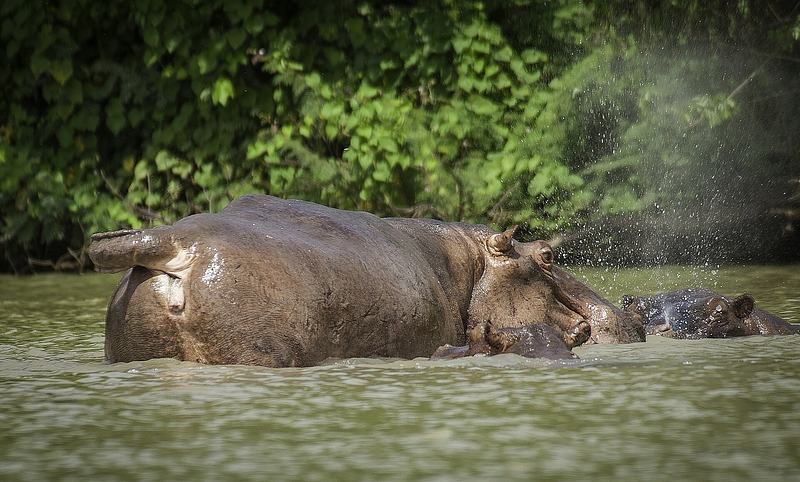
2.Wechiau Community Hippo Sanctuary
The sanctuary protects a long stretch of the Black Volta and one of Ghana's two remaining hippo populations, and it is run by and for the communities along the river. Beyond hippos, the corridor holds bats, chameleons, hedgehogs, monitor lizards, pythons and snakes, with over 200 bird species recorded. Start at the welcome office, where a local guide will brief you on the sanctuary's history, culture and wildlife before you head out.
Tip: Plan to spend a night here — the sanctuary recommends it, and dawn and dusk are when the river is at its liveliest.
-
3.Talawona Lobi community and tourist lodge
Talawona is a Lobi village in Wa West District, about a kilometre from the Black Volta, and it hosts the sanctuary's tourist lodge. Staying here puts you inside the community rather than beside it: you can visit a Lobi compound, learn about traditional practices and ways of life, and hear stories over pito with the headmen. The area is relatively undisturbed, with its own architectural designs, marriage systems and funeral rites.
Tip: Ask your guide to arrange a compound visit in advance so that the family can welcome you properly.
-
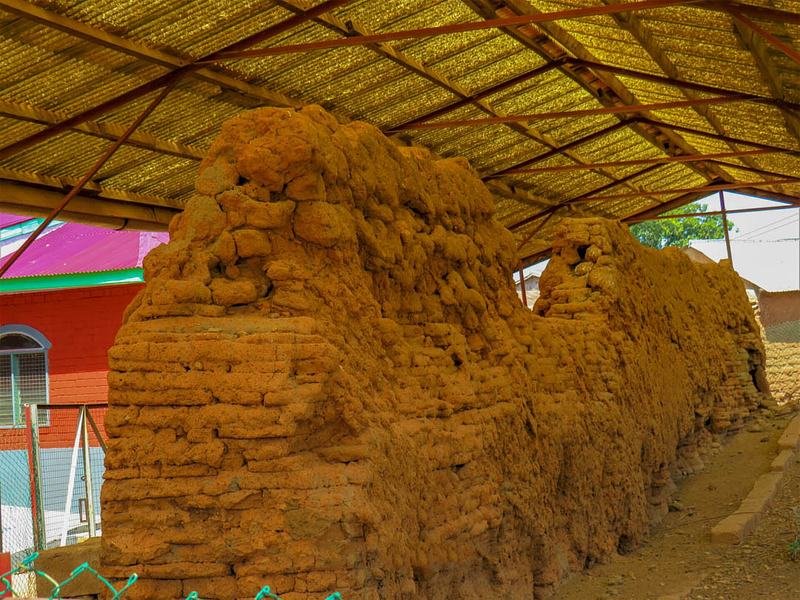
4.Gwollu Slave Defence Wall
Built in the nineteenth century by Gwollu Koro Limann as a defence against slave traders, this mud-and-brick wall is managed by the Ghana Museums and Monuments Board and stands as a grave reminder of the raids led by Babatu and Samori. Two walls were begun — one around the homes, one around the farms and water — but neither was finished, and only the section around Gwollu remains. Walk it slowly and with respect.
Tip: Gwollu is about 70 km north of Wa; combine the wall with the palace and the mausoleum in the same visit.
-
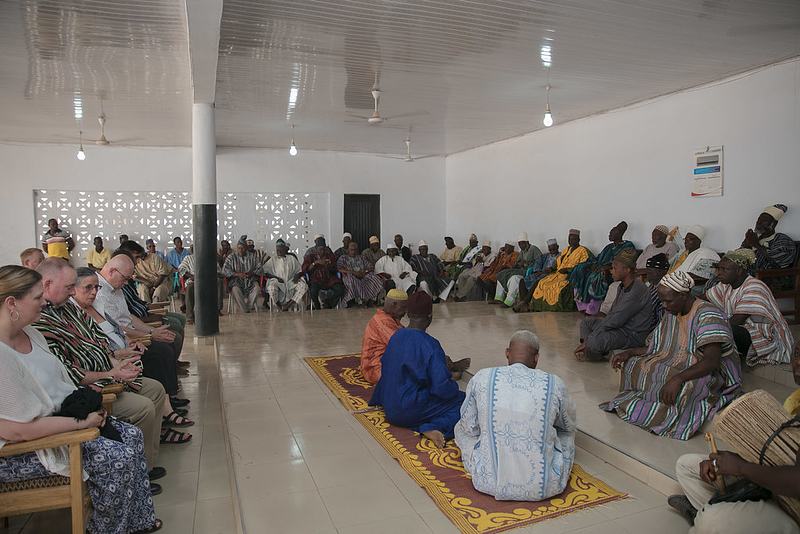
5.Wa Naa's Palace
In the heart of Wa stands the palace of the Wa Naa, home to the king of the Wala and the cultural, political and religious centre of the kingdom. It is a gazetted national monument in Sudano-Sahelian mud-brick style, built in the nineteenth century with sun-dried walls and Y-shaped wooden columns supporting flat roofs, and it holds the graves of former kings in front of the grounds. The World Monuments Fund and the Ghana Museums and Monuments Board worked together on its preservation, completed in 2012.
Tip: This is a working palace and a royal residence — dress modestly, ask before photographing, and follow your guide's lead on where you may go.
-
Attraction
6.Wechiau Ancient Mosque
A historic earthen mosque built in a blend of Sudano-Sahelian and Djenné styles, with features that recall the Larabanga Mosque. It once had buttresses in the Sudanic manner and two pyramid-shaped minarets, of which one survives; inside, small, widely spaced columns supported a flat mud roof. Restoration work has been under way in recent years to preserve its structure and authenticity.
Tip: It is an active place of worship — visit outside prayer times and keep voices low.
-
7.Upper West Regional Museum, Wa
A small regional museum in Wa holding a collection of sculptures, basketry, artefacts and photographs relating to Upper West culture and history. It is a useful first stop in the regional capital, giving context to the architecture, chieftaincy and craft you will meet on the road — from the Wala and Dagaaba to the Sisaala and Lobi.
Tip: Go early in your trip; the background it provides makes the palaces and shrines you visit afterwards far more legible.
-
Attraction
8.Dr Hilla Limann Mausoleum, Gwollu
In Gwollu, inside the chief's compound, lies the burial place and memorial of Dr Hilla Limann, Ghana's president of the Third Republic, who was born in the town and later served as its chief. Limann led Ghana from 1979 until he was deposed at the end of 1981, and he died in 1998. The mausoleum is a place of national memory in a small northern town, and it sits beside the palace and the defence wall.
Tip: Visit as part of a Gwollu circuit — the mausoleum, palace, wall and crocodile pond are all close together.
-
Attraction
9.Gwollu Kuoro's Palace
The working palace compound of the Gwollu Kuoro in Sissala West District, standing beside the Gwollu Slave Defence Wall and holding the tomb of the former president Dr Hilla Limann. It is the traditional seat of the town's chief and a living institution rather than a museum piece, which is precisely what makes a visit worthwhile — you are seeing chieftaincy at work in a small northern community.
Tip: Greet the elders and explain your visit; a small courtesy and a request through your guide will smooth the way.
-
Attraction
10.Gwollu Crocodile Pond (Kalgwe)
Kalgwe is the sacred crocodile pond in central Gwollu, where the crocodiles are revered as clan totems and protected by the community rather than hunted or feared. It is a window into the traditional belief systems that sit alongside Islam and Christianity across the Upper West, and a reminder that conservation here has deep local roots.
Tip: Follow your guide's instructions exactly on how close to stand — these are revered animals, not a zoo exhibit.
-
Attraction
11.Grave of King Tanjia, Gwollu
The grave of King Tanjia (Tanjia Musa) in Gwollu, listed by the district assembly among its tourist sites for his role in building the Gwollu defence wall. Oral tradition, recorded in the colonial era, names a chief called Tangia, son of Yagbon, as the commander who built the wall and was later made the town's first chief — so this modest grave is bound up with the story of resistance that defines Gwollu.
Tip: Pair it with the wall itself; hearing the two stories together makes sense of both.
-
Attraction
12.Gwollu Traditional Bone Setting Centre
An indigenous bone-setting practice run by the Najiriwia Clan in Gwollu and listed among the district's tourist sites. It is a living tradition of northern Ghanaian medicine, passed down within a family and still used by people who travel from far away for treatment. Visit to understand a form of care that predates and runs alongside the region's clinics.
Tip: Come with genuine curiosity and ask permission before observing or photographing any treatment.


Plan your time
Suggested itinerary
Half a day: Wa town on foot
Start at the Upper West Regional Museum for the region's story in artefacts and photographs, then walk to the Wa Naa's Palace in the heart of town, where the mud-brick walls, Y-shaped columns and the graves of former kings set the tone for everything else you will see. Finish at the Cathedral of Saint Andrew, a working Roman-Rite cathedral and a quiet place to sit as the afternoon cools. Keep the pace slow; the heat rewards it.
Wa Naa's Palace→Cathedral of Saint Andrew (St. Andrew's Cathedral, Wa)
One day: Gwollu and the north
Drive north from Wa to Gwollu, about 70 km away, and give the day to its layered history. Begin at the Gwollu Slave Defence Wall, built in the nineteenth century against slave raiders, then visit the grave of King Tanjia, whose story is bound up with the wall. Move on to the Gwollu Kuoro's Palace and the Dr Hilla Limann Mausoleum inside the chief's compound, and close at the sacred crocodile pond, Kalgwe, where the crocodiles are clan totems. If time allows, ask about the traditional bone-setting centre.
Gwollu Slave Defence Wall→Grave of King Tanjia (Tanjia Musa)→Gwollu Kuoro's Palace (Chief's Palace)→Dr Hilla Limann Mausoleum / Tomb→Gwollu Crocodile Pond (Kalgwe)→Gwollu Traditional Bone Setting Centre
Two days: Wechiau, the river and the hippos
Day one: travel to Wechiau, capital of Wa West District, and orient yourself at the Wechiau Naa Palace and the ancient earthen mosque before checking in at the Talawona Lobi community lodge, about a kilometre from the Black Volta. Take an evening river safari as the light drops. Day two: rise early for a dawn dugout-canoe safari on the Black Volta with the Wechiau Community Hippo Sanctuary, when hippos and birds are most active, then spend the middle of the day walking trails and visiting a Lobi compound before the drive back to Wa.
Wechiau Naa Palace→Wechiau Ancient Mosque→Black Volta River (Wechiau stretch) river safari→Wechiau Hippopotamus Sanctuary

Seasons and festivals
When to go
The Upper West has a long dry season running roughly from October to May, and this shapes both travel and wildlife. For the hippos of the Black Volta, the dry season — usually November through June — is the best window, when the animals are easier to find on the shrunken river. June through August is the time for birds, which are in colourful breeding plumage then. The heat builds through the dry months, so plan walks and palace visits for the early morning and late afternoon, and keep the middle of the day for shade, museums and the drive between towns.
- Damba (Dumba) Festival · The month of Damba, the third month of the Dagomba calendar, corresponding to Rabia al-Awwal in the Islamic calendar
- The largest festival in northern Ghana, celebrated by the Wala of Wa and across the Northern, Savannah, North East, Upper East and Upper West Regions. In Waali it is known as Jingbenti. It begins with nightly song rehearsals, moves through the Somo Damba and the Naa Damba — the king's Damba, with dancing and horse shows — and climaxes in the Belkulsi, a colourful farewell procession. Prayers are offered to ancestors, and families exchange gifts and visits.
- Kobine Festival · Celebrated in Lawra
- A harvest festival of the Lawra area, one of the region's best-known annual celebrations, marking the agricultural season with music, dance and traditional dress.
- Kakube Festival · Celebrated in Nandom
- A Nandom festival in which families thank their gods and ask blessings on the soil and protection through the farming season.
- Paare-gbeile (Paragbiele) Festival · Celebrated by the people of Tumu
- A festival of the Tumu area in Sissala East, part of the region's cycle of agricultural and historical observances.
Access
Getting there and around
Wa is the regional capital and the natural base for the Upper West, and the region is reached overland from the south, with the Northern Region lying between it and the coast. From Wa, the main sites fan out in two directions: Gwollu lies about 70 km north of Wa in Sissala West District, while Wechiau, capital of Wa West District, lies to the south-west along the Black Volta, which forms the region's western boundary with Burkina Faso. Distances are modest but roads and driving times vary, so allow generous margins and travel in daylight. Once you reach Wechiau, the sanctuary's welcome office is your first stop: a local guide there will arrange river safaris, trails and community visits, and can help you settle into the lodge at Talawona. A vehicle with a driver who knows the northern roads makes the whole circuit far easier.
Good to know
Before you go
The Upper West is predominantly Muslim in and around Wa, with Christian and Traditionalist communities elsewhere, so dress modestly — shoulders and knees covered — and remove your shoes before entering a mosque. Palaces such as the Wa Naa's and the Gwollu Kuoro's are working royal compounds and private homes, not museums: greet the elders, ask before photographing people, shrines or royal graves, and follow your guide's lead on where you may walk. At Gwollu, treat the defence wall and the mausoleum with the gravity they deserve; this is painful history, not a backdrop. At the crocodile pond and other sacred sites, keep the distance you are asked to keep. Carry cash, as card payment is uncommon outside the towns, and bring water, sun protection and a hat for the long dry season. Learn a greeting or two in Waali or Dagaare — it is noticed and appreciated. Finally, book sanctuary activities through the Wechiau welcome office so that your visit supports the community that protects the river.
FAQ
Questions travellers ask about Upper West
Where is the Upper West Region of Ghana?
It is Ghana's north-western corner, bordered by Burkina Faso to the north and west, the Upper East Region to the east and the Northern Region to the south. Its capital and largest settlement is Wa, and it covers about 18,476 square kilometres across eleven districts.
Can you actually see hippos at Wechiau?
Yes. The Wechiau Community Hippo Sanctuary protects a long stretch of the Black Volta holding one of Ghana's two remaining hippo populations, and guided dugout-canoe safaris run morning and evening. The dry season, roughly November to June, is the best time to see them.
What is the Gwollu defence wall and why does it matter?
It is a nineteenth-century mud-and-brick wall built by Gwollu Koro Limann to defend local residents against slave traders during the raids of the warlords Babatu and Samori. Only the section around Gwollu survives, and it is managed by the Ghana Museums and Monuments Board.
Who was Dr Hilla Limann?
He was Ghana's president of the Third Republic, in office from 1979 until he was deposed at the end of 1981. He was born in Gwollu, later served as the town's chief, and died in 1998; his mausoleum stands inside the chief's compound in Gwollu.
What is there to see in Wa town itself?
The Wa Naa's Palace, a gazetted national monument in Sudano-Sahelian mud-brick style and the residence of the king of the Wala; the Upper West Regional Museum, with its collection of sculpture, basketry and photographs; and the Cathedral of Saint Andrew, the Roman-Rite cathedral of the Diocese of Wa.
When is the best time to visit the Upper West Region?
The dry season, roughly October to May, is the most comfortable for travel, and November to June is best for hippos on the Black Volta. June to August suits birdwatchers, when birds are in breeding plumage. Expect real heat in the dry months and plan around the middle of the day.
What is the Damba festival?
Damba is the largest festival in northern Ghana, celebrated by the Wala of Wa and other northern peoples in the month of Damba. It runs through song rehearsals, the Somo Damba, the Naa Damba with dancing and horse shows, and the Belkulsi farewell procession, with prayers to ancestors and family visits.
Sources for this guide (9)
- Gwollu Defence Wall — Ghana Museums and Monuments Board
- Gwollu Defence Wall — Wikipedia
- Wechiau Community Hippo Sanctuary — Wikipedia
- Wechiau Hippo Sanctuary — Touring Ghana
- Wechiau Community Hippo Sanctuary (WCHS) — UNDP Equator Initiative
- Wa Naa's Palace — Wikipedia
- Wechiau Mosque — Wikipedia
- Upper West Region — Wikipedia
- Damba festival — Wikipedia
Written September 29, 2026 from these sources and reviewed by the VisitGhana.app team. Confirm practical details locally before travelling.


