
A fort built slowly, on purpose
Fort Patience — Fort Lijdzaamheid in Dutch, or Fort Leydsaemheyt in seventeenth-century spelling — began in 1697 as a stone trading lodge, built by the Dutch at the request of the King of Acron, whose small state sat between the British-aligned Fante and Agona kingdoms. The Dutch West India Company was wary of a fort in an area of minimal trade and agreed only on condition that it be built cheaply. The Acron were not pleased. They wanted something impressive enough to deter their neighbours, and they repeatedly held up the work, threatening to expel the Dutch if the fortifications were not extended. It took five years to finish, which is how the fort got its name.
Between 1701 and 1721 the Dutch reinforced the lodge into a proper fortification, adding demi-bastions on the northwest and southeast. It sits on a craggy promontory just south of the township, with a commanding view of Apam's harbour to the north and the Gulf of Guinea coast to the south, east and west. In 1782, during war between Britain and the Netherlands, Captain Thomas Shirley's squadron captured it along with the Dutch forts at Moree, Kormantin, Senya Beraku and Accra. Later it served as a police station and a post office, and today it is used as a rest house. It is part of the group of Ghanaian forts and castles inscribed on the UNESCO World Heritage List in 1979 for their testimony to European pre-colonial and colonial influence in West Africa — a group that also carries the memory of the slave trade, in which these coastal posts later played a significant part. Fort Patience is smaller and less restored than Elmina or Cape Coast, and it asks for patience in return: come for the architecture, the view and the quiet, not for a polished museum.

The town that fishing built
Apam was a major port before independence, but once Tema was built, shipping here was forbidden, and the town turned decisively to the sea. Fishing is the main industry, and the harbour and fish market below the fort are the working heart of Gomoa West. Boats land baskets of snapper, crabs and rays, and traders like Evelyn Akorful sell what comes ashore to pay school fees and household bills. The catch is not what it was: older residents remember guitarfish — esene, a flattened relative of sharks and rays — being everywhere, catchable in minutes with hook and line, while today large ones have almost vanished. Conservationists now work with Apam's fishermen on a locally managed marine area, mapping the habitat of the critically endangered guitarfish with GPS trackers and developing snail farming as an alternative livelihood. It is a reminder that this is not a heritage town with a fishing backdrop; it is a fishing town that happens to have a fort.
Apam also has a salt-winning industry, with the Benyah Lagoon worked for salt, and it is a major town in the Gomoa Akyempem Paramountcy. The current chief is Nana Ekow Payne.

Asafo companies and the posuban
The most striking structure in Apam is not the fort. The Apam Posuban, built by the town's No. 1 Asafo company, is a fortified concrete shrine of the kind found only along Ghana's central coast — the name comes from a corrupted form of the English word 'post' and the Fante 'ban', meaning fortification. Asafo are traditional warrior groups in Akan culture, organised by lineal descent, whose historic role was the defence of the state; among the coastal Fante they developed an especially elaborate social and artistic tradition, including figurative flag banners and these shrines.
Posubans serve as military and religious posts and as meeting grounds. They are where companies gather for guidance and ceremony, where chiefs and elders offer prayers and libations, and where the community marks festivals, weddings and funerals. Their concrete facades are painted in bright colours and decorated with sculptures and scenes that carry proverbs, historical events and moral lessons. Apam traditionally has two Asafo companies, Tuafo and Denstifo, each headed by a superior captain, the Supi, with a captain, the Safohen, beneath him. The Apam shrine is among the largest in the country, and it is a living place of ritual rather than an exhibit — approach it as a guest, and ask before photographing.

What to do
Things to do in Apam
-
1.Fort Patience (Fort Lijdzaamheid)
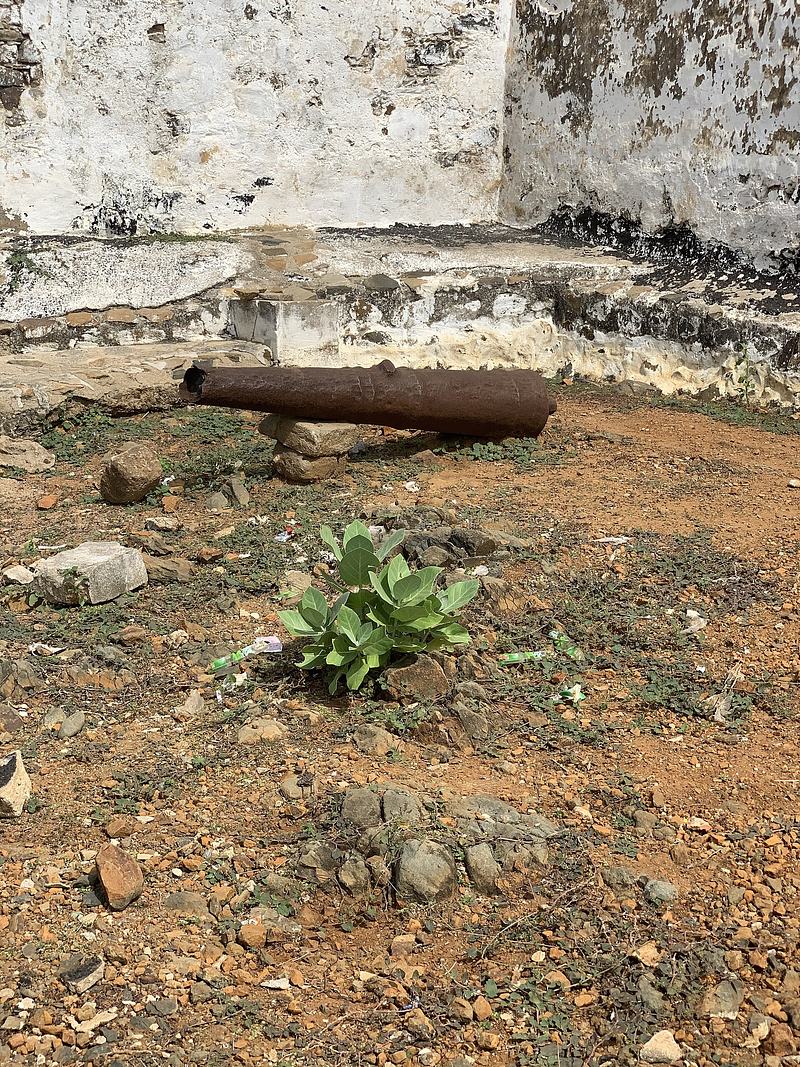
The reason most travellers stop in Apam. Built by the Dutch from 1697 and completed in 1702, then reinforced with demi-bastions between 1701 and 1721, it stands on a promontory with the harbour on one side and open Atlantic on the other. Walk the ramparts and bastions, look for the service yards and the 'Orange Hall' built for receptions and palavers, and take in a view that explains exactly why the Dutch chose this rock. It is a UNESCO World Heritage site, but a modest and partly preserved one.
Tip: Manage expectations: this is a small, lightly restored fort rather than a full museum experience. Go early for cooler air and better light on the walls.
-
Attraction
2.Apam Fishing Harbour and Fish Market
The working waterfront below the fort, where artisanal canoes land their catch and the market takes over the sand. Come to watch the sorting, the bargaining and the smoke and salt of fish being preserved for markets inland. It is loud, busy and entirely un-staged, and it is the clearest window onto what Apam actually is: a fishing town first, a heritage stop second.
Tip: Ask before photographing people at work, keep clear of lines and nets, and wear shoes you don't mind getting wet and fishy.
-
Attraction
3.Apam Posuban Shrine
A fortified concrete shrine built by the town's No. 1 Asafo company, decorated with brightly painted figures and scenes carrying proverbs and historical meaning. Posubans are unique to Ghana's central coast and this is one of the largest. It remains a place of libation, ceremony and community gathering, so it rewards a slow, respectful look rather than a quick snapshot.
Tip: This is an active shrine. Ask permission before entering or photographing, dress modestly, and consider a small donation if a guide or custodian shows you around.
-
4.Apam Beach
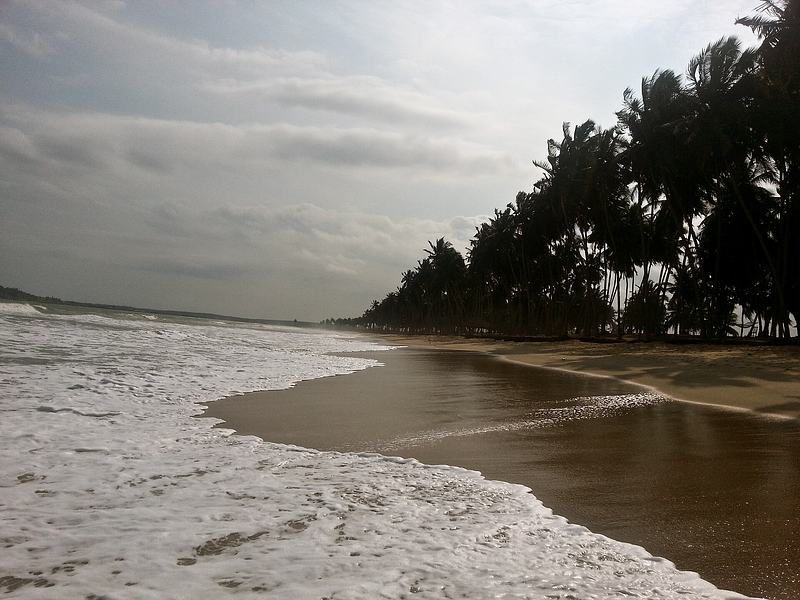
The sandy Atlantic shoreline that runs along the town, with the fort's promontory at one end and the fishing activity at the other. It is a beach for walking, watching and cooling off rather than for resort-style lounging — expect canoes, nets and the occasional landing rather than sunbeds. The stretch near the fort gives you the best combination of sand, sea and history in one view.
Tip: The Atlantic here has a serious shore break and currents. Swim cautiously, if at all, and never alone.
-
5.Walk the town and the salt lagoon
Apam is small enough to cover on foot, and the walk between the fort, the market, the posuban and the shoreline stitches the town together. Inland, the Benyah Lagoon is worked for salt, an industry that has long sat alongside fishing in the local economy. A slow circuit gives you the churches, the school and the everyday street life that the headline sights don't show.
Tip: Go with a local guide or ask at your accommodation for someone to walk with you; it makes introductions easier and keeps you on the right paths.

Plan your time
Suggested itinerary
Half a day
Arrive early and head straight for the fishing harbour and fish market, when the canoes are landing and the market is at its busiest. Walk up to Fort Patience and spend an unhurried hour on the ramparts and in the courtyard, taking in the view over the harbour and the coast. Finish with a walk along Apam Beach below the fort, then a short detour to the Apam Posuban shrine before you leave. This is enough to see the town's three defining things — fish, fort and Asafo heritage — in a single morning.
Apam Fishing Harbour and Fish Market→Fort Patience (Fort Lijdzaamheid)→Apam Beach→Apam Posuban Shrine
One day
Start at the harbour at dawn for the landings, then take breakfast in town. Give Fort Patience a proper visit in the cooler morning hours, reading up beforehand on the five-year construction and the 1782 British capture so the stones mean more. After lunch, walk the town and the shoreline, visit the posuban shrine with permission, and if you are interested in the salt trade, ask locally about the Benyah Lagoon. End the day back on the beach as the boats go out and the light drops.
Apam Fishing Harbour and Fish Market→Fort Patience (Fort Lijdzaamheid)→Apam Posuban Shrine→Apam Beach
Two days
Use the first day as above, at an easy pace, and stay overnight in or near Apam. On the second morning, return to the harbour for a second landing — the catch and the crowd are different every day — and spend the middle of the day exploring the town's quieter corners and the lagoon side. If you have a vehicle, use the afternoon to continue along the Central Region coast towards Senya Beraku, Winneba or Cape Coast, treating Apam as the calm first stop on a longer fort-and-coast itinerary rather than a rushed detour.
Apam Fishing Harbour and Fish Market→Fort Patience (Fort Lijdzaamheid)→Apam Posuban Shrine→Apam Beach


Seasons and festivals
When to go
Apam has a tropical wet and dry climate, and its position on the Gulf of Guinea brings noticeable seasonal variation. The town's own festival, the Apam Akwambo, is celebrated by the chiefs and people of Gomoa Apam in September each year. Akwambo means 'path-clearing', and the wider festival is observed by the Agona and Gomoa peoples of the Central Region; Visit Ghana describes it as a week-long commemoration of the journey and arrival of the founding settlers of four towns, with the ritual clearing of paths and roads as its most important element. Expect a durbar of chiefs, drumming, dancing, music, parades and football, and a night vigil kept mainly by the young. Note that published dates vary: some sources give August for Akwambo in the Agona and Gomoa districts generally, while Apam's own celebration is given as September, so confirm locally before travelling for it.
- Apam Akwambo Festival · September (annually)
- Apam's Akwambo, meaning 'path-clearing', is celebrated by the chiefs and people of Gomoa Apam. Communities clear and ritually sweep the paths and roads to farms, streams, shrines and communal spaces, libation is poured at ancestral shrines, and the festival closes with a durbar of chiefs carried in procession amid drumming, dancing and musketry.
- Akwambo (Agona and Gomoa districts) · August (annually)
- The wider Akwambo festival is celebrated in August by the people of the Agona and Gomoa districts of the Central Region. It is a week-long commemoration of the founding settlers of Gyinankoma, Ekrawfo, Atakwaa and Otabenadze, with path clearing, durbar, music and dance performances, soccer games and community reunions.
Access
Getting there and around
Apam lies on the coast of the Central Region, about 45 kilometres east of Cape Coast, the regional capital, and it is the capital of Gomoa West District. Most travellers reach it by road from Cape Coast or from Accra, using the coastal corridor that also serves Winneba and Senya Beraku; the town sits within easy reach of the wider Central Region heritage circuit that includes Cape Coast, Elmina and Kakum National Park. Once you are in Apam, the main sights — the fort, the harbour and fish market, the beach and the posuban shrine — are close together and best covered on foot, though a local guide will help you find the shrine and the lagoon paths. There is no airport or rail service in the town itself, so plan on road travel and arrange onward transport in advance rather than expecting to find it on the beach.
Good to know
Before you go
Apam is a working town, not a resort, so dress and behave accordingly: modest clothing away from the beach, and a respectful manner around the shrine and the market. The posuban is an active place of ritual — ask before you enter or photograph, and accept that the answer may be no. At the harbour, ask before photographing people at work and stay clear of nets, lines and canoes being launched. The Atlantic shore here has a strong break and currents, so treat swimming with caution and never swim alone. Fort Patience is small and only partly preserved, and it has served as a police station, a post office and now a rest house, so expect a modest site rather than a museum; a little reading beforehand will make the visit far richer. Carry cash for donations and small purchases, and remember that the town's fishing and salt trades set the pace of daily life — plan around them rather than expecting them to plan around you.
FAQ
Questions travellers ask about Apam
Where is Apam in Ghana?
Apam is a coastal town and the capital of Gomoa West District in the Central Region of Ghana, about 45 kilometres east of Cape Coast. It sits on the Gulf of Guinea, with Fort Patience on a promontory on the south side of the town.
What is Fort Patience and why is it called that?
Fort Patience (Fort Lijdzaamheid) is a Dutch-built fort in Apam, begun as a stone trading lodge in 1697 and completed in 1702. The name reflects the five years it took to build, because the local Acron people repeatedly held up construction over the fort's size.
Is Fort Patience a UNESCO World Heritage Site?
Yes. It is one of the forts and castles of Ghana inscribed on the UNESCO World Heritage List in 1979, as part of the listing covering Volta, Greater Accra, Central and Western Regions. It is smaller and less restored than Elmina or Cape Coast castles.
What is a posuban shrine?
A posuban is a fortified concrete shrine built by an Asafo company, found only along Ghana's central coast. The name combines a corrupted form of the English word 'post' with the Fante 'ban', meaning fortification. They serve as military and religious posts, meeting grounds and storehouses for regalia, and are decorated with brightly painted figures carrying proverbs and historical meaning.
When is the Apam Akwambo festival?
Apam's Akwambo festival is celebrated in September each year by the chiefs and people of Gomoa Apam. Akwambo means 'path-clearing', and the celebration includes ritual clearing of paths, libation at ancestral shrines and a durbar of chiefs. Some sources give August for Akwambo in the Agona and Gomoa districts generally, so confirm dates locally.
Can you swim at Apam Beach?
Apam Beach is the town's Atlantic shoreline, used more for walking and watching the fishing than for resort swimming. The shore break and currents can be strong, so swim cautiously, if at all, and never alone.
What else is there to see in Apam besides the fort?
The working fishing harbour and fish market below the fort, the Apam Posuban shrine built by the No. 1 Asafo company, the beach, and the Benyah Lagoon, which is worked for salt. The town is small enough to explore on foot.
Keep exploring
More destination guides
Sources for this guide (12)
- Fort Patience, Apam (1697) — Ghana Museums and Monuments Board
- Fort Patience — Wikipedia
- Apam — Wikipedia
- Gomoa West District — Wikipedia
- Forts and Castles, Volta, Greater Accra, Central and Western Regions — UNESCO World Heritage Centre
- Fort Patience — Castlopedia
- Posuban Shrines of Ghana — Asafo Flags
- What are Posubans in Ghana? — Bradt Guides
- Asafo — Wikipedia
- Akwambo Festival — Visit Ghana
- In Ghana, one man's race to save critically endangered fish — Kuwait Times (AFP)
- Gomoa Ankamu Legacy Park — Ghana Tourism Investment Platform
Written September 29, 2026 from these sources and reviewed by the VisitGhana.app team. Confirm practical details locally before travelling.