
A town built on trade, and on its consequences
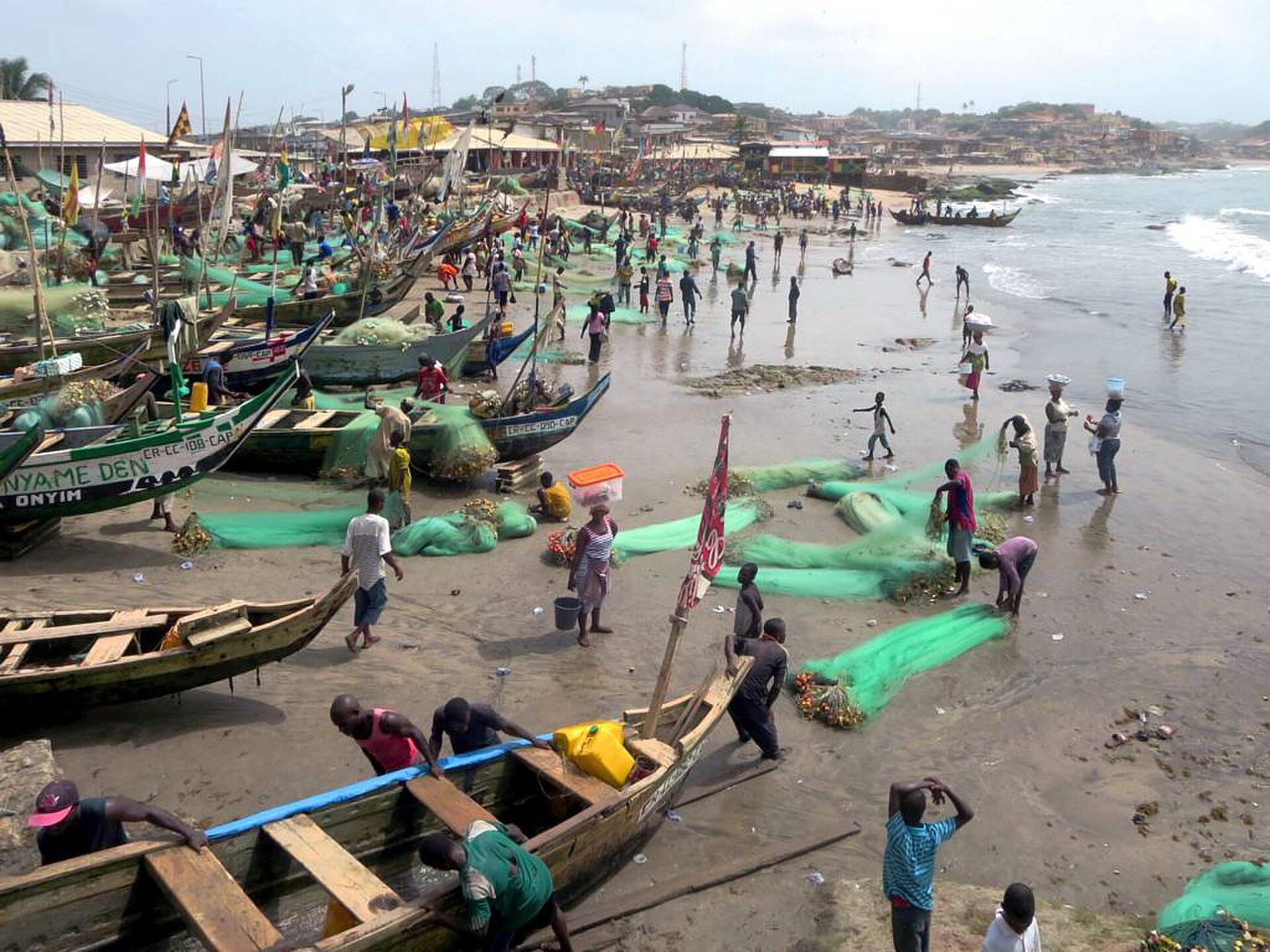
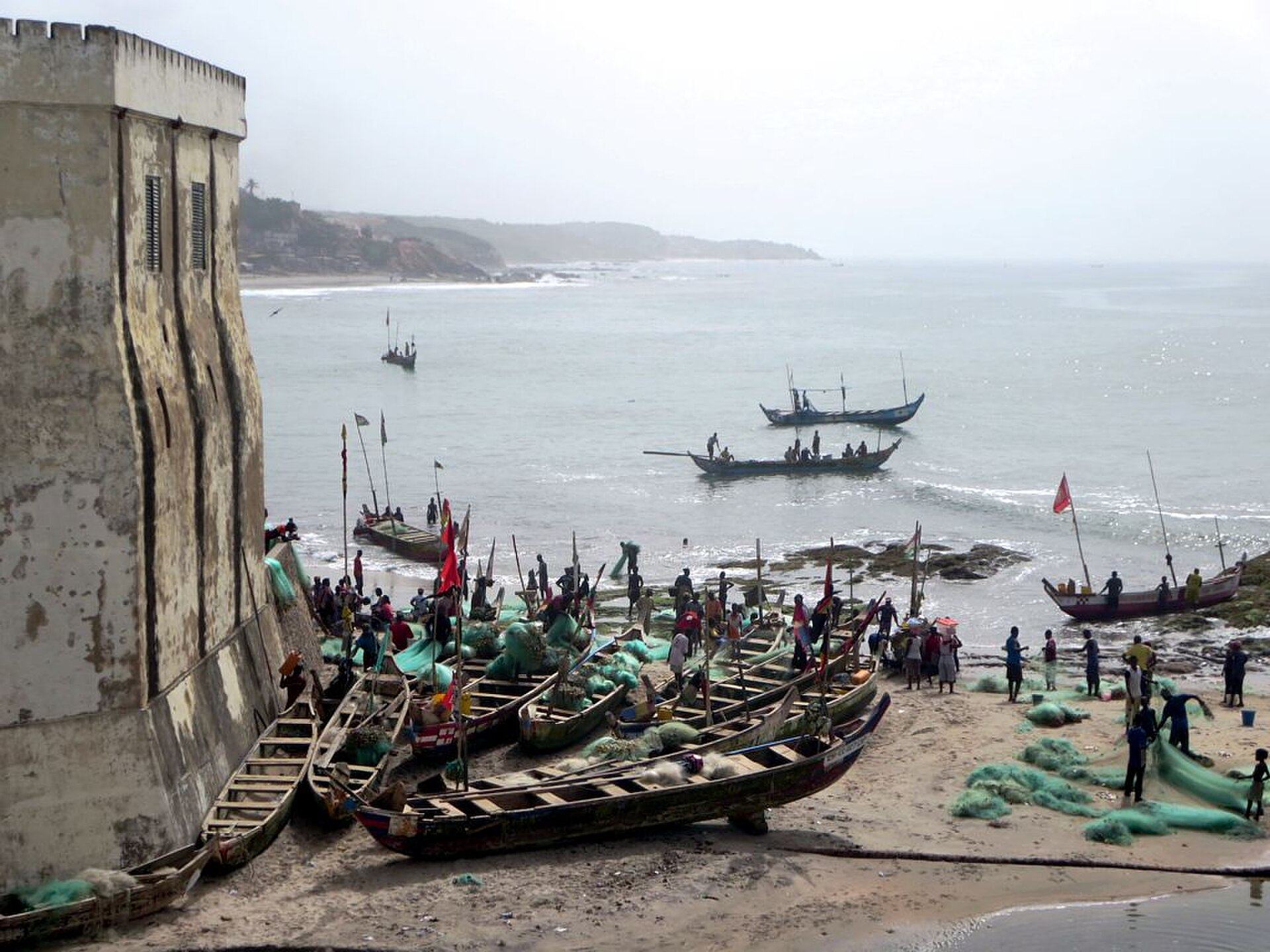
Cape Coast began as a market. The Fetu kingdom, an old Guan state whose paramountcy sat about 16 kilometres inland, saw a trading settlement grow here until a chief was appointed to represent it. Portuguese navigators called the cape Cabo Corso — "short cape" — and the British later mangled that into Cape Coast. The Fante name Oguaa survives from the Guan word for market, and so does Koto-Kuraba, "crab-hamlet", remembered in the name of the city's great market.
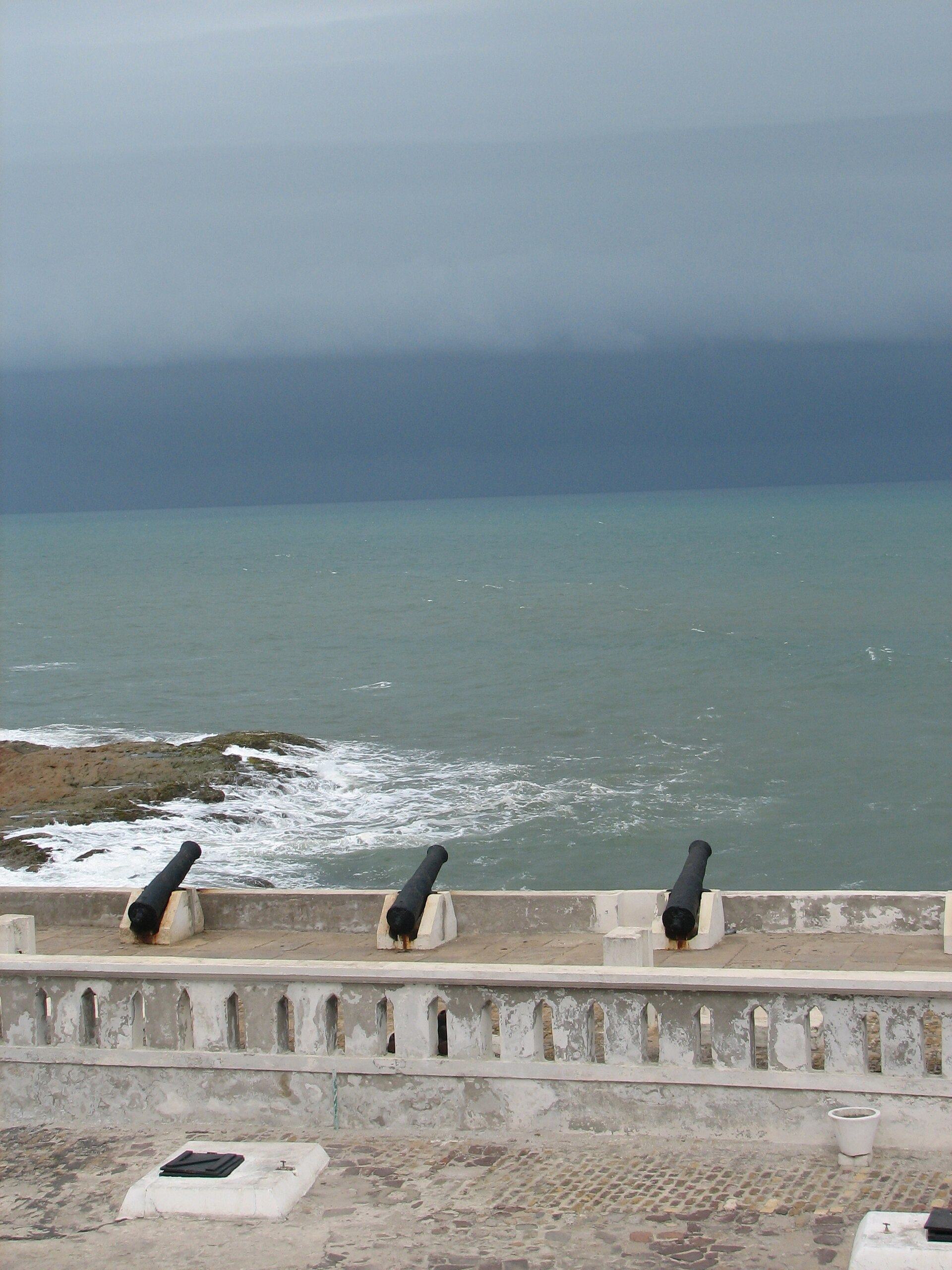
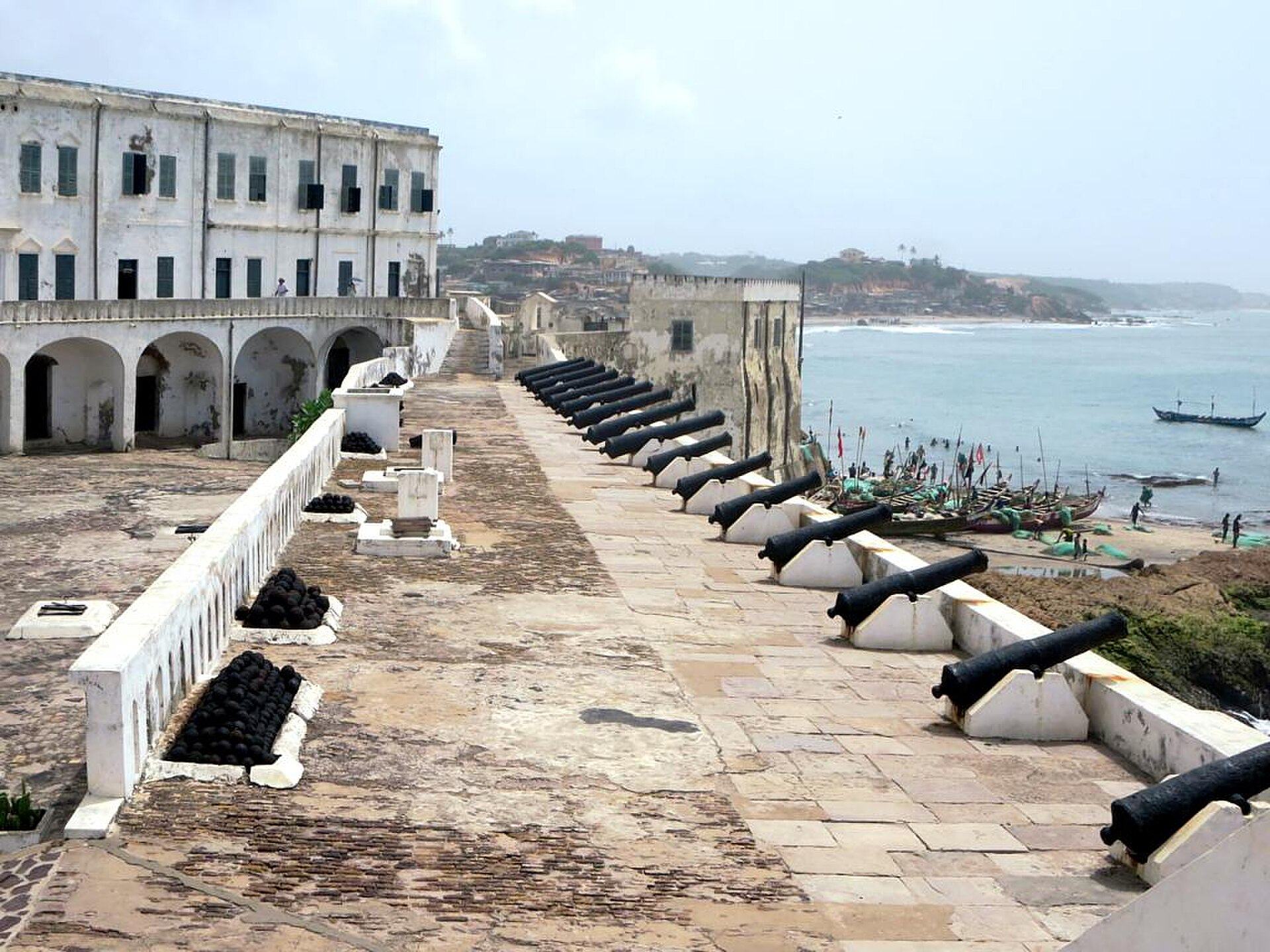
Europeans came for gold, then stayed for something far worse. The Swedes built a timber fort here in 1653 and named it Carolusborg after their king; the Ghana Museums and Monuments Board records that it was captured in turn by the Danes and by the local Fetu chief, that Dutch occupation began in 1660, and that a British fleet under Captain Holmes took it in 1665. By 1700 the British had rebuilt it as a castle. A French squadron battered it during the Seven Years' War, and after 1760 the English rebuilt it entirely in more durable stone.
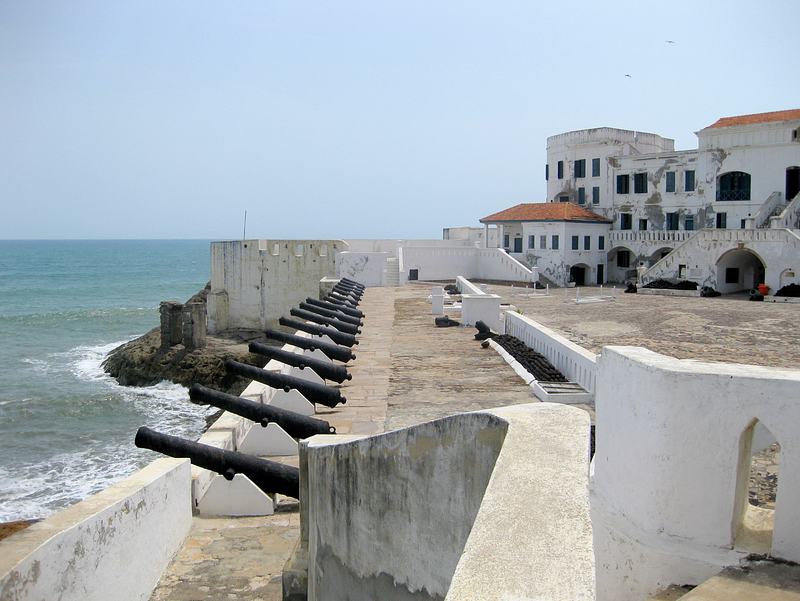
For a century the castle was a machine of the Atlantic slave trade. Its dungeons, cut into the rock beneath the parade ground, could hold as many as a thousand people at a time, and the trade in human beings was its principal business until Britain banned it in 1807. Afterwards the castle turned to precious metals, ivory, corn and pepper, and became a centre of European education on the coast. It served as the seat of the British governor, and Cape Coast was capital of the Gold Coast from 1821 until 1877, when the administration moved to Accra.

Facing the Door of No Return
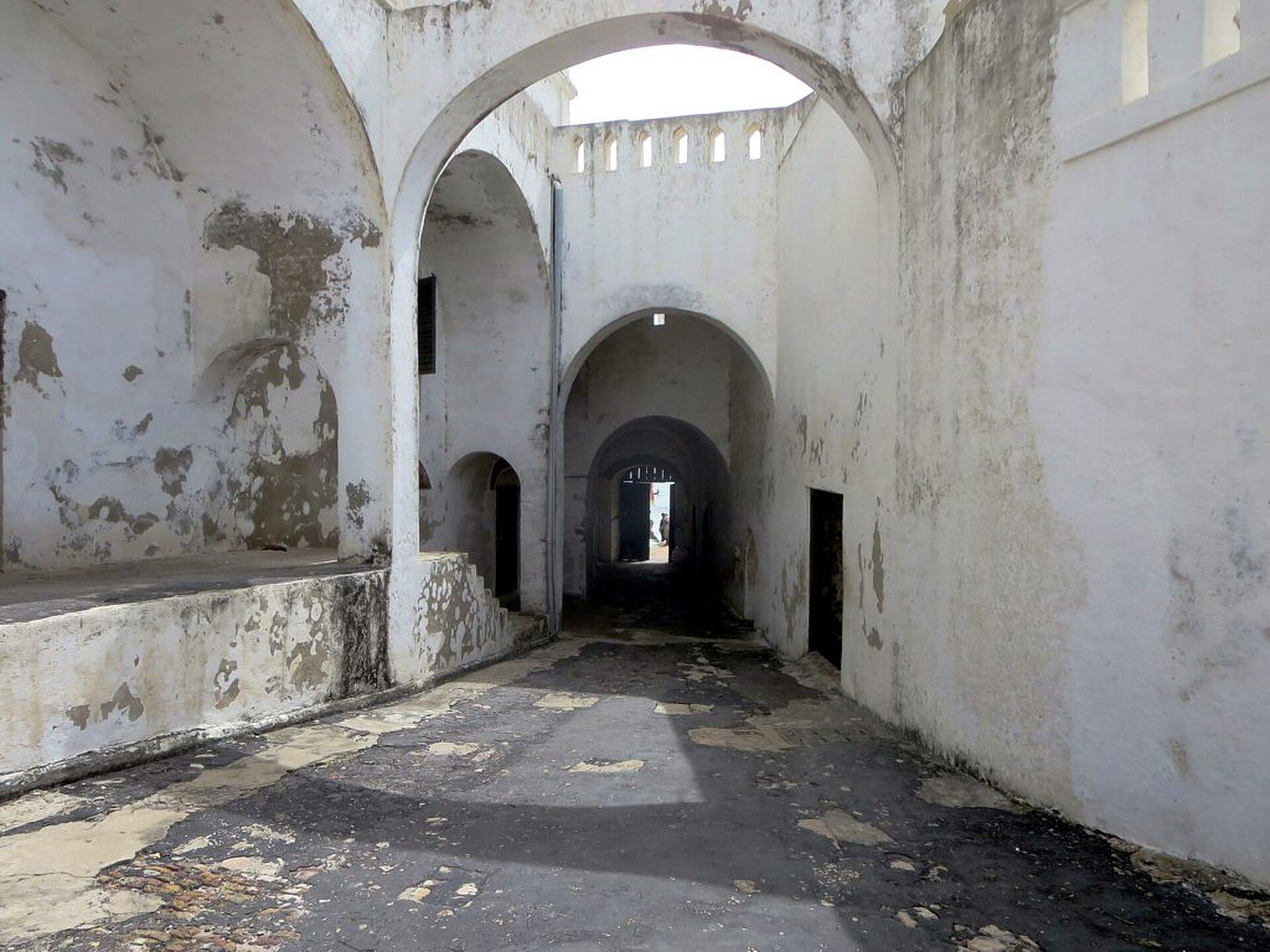
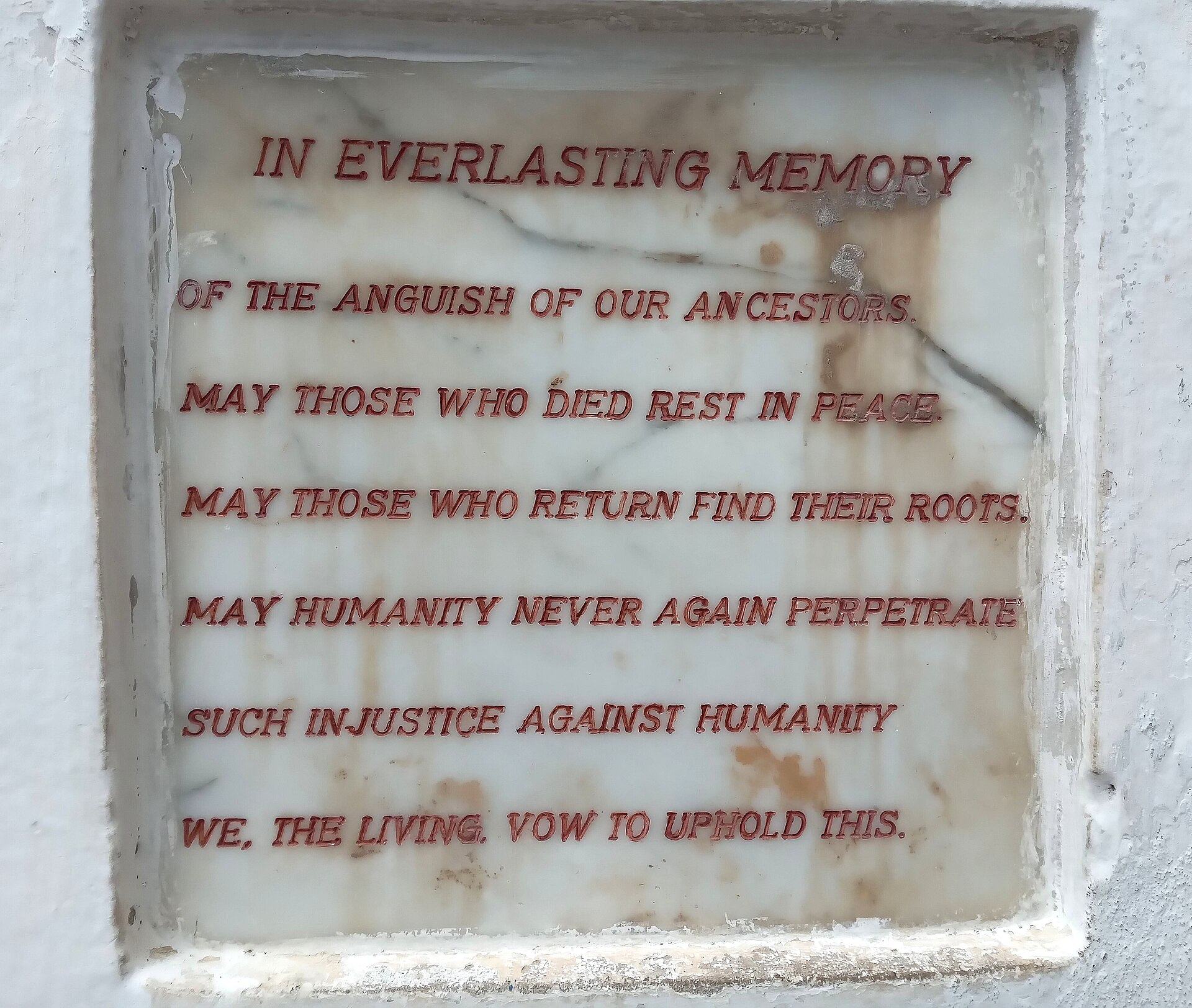
The castle is now a museum, and the tour is not a comfortable one. Guides lead visitors down into the dungeons, where the ceilings are low and the light comes only through narrow openings, and explain how captives were chained, how disease spread, and how men and women were separated. Above, the contrast is deliberate and shocking: the European quarters were spacious and well ventilated, built directly over the suffering that paid for them.
At the end of the passage is the Door of No Return, the narrow opening through which enslaved people were funnelled onto the ships. It is the last piece of African ground many of them ever touched. Inside the castle, the West African Historical Museum holds a growing collection that documents the trade and the cultures it destroyed — shackles and chains, old muskets, pottery and ceremonial drums — and insists that the people taken were not passive victims but bearers of sophisticated traditions.
This is pilgrimage ground as much as tourist ground. Diaspora visitors, particularly African Americans, come to stand where their ancestors may have stood, and the castle has received notable guests including President Barack Obama and First Lady Michelle Obama, whose 2009 visit included time in the dungeons. Ghana has also framed a "Door of Return" idea, inviting the diaspora to reconnect with the continent. Take the tour slowly, and leave time afterwards to sit with what you have seen.

Hills, lagoon and rainforest
Cape Coast is a town of small hills, and its other monuments are lookouts. Fort William stands on Dawson's Hill, built in April 1820 by Governor Hope Smith on the site of an older signalling post and first named Smith's Tower; before 1838 it was converted into a lighthouse and renamed. Fort Victoria, in the western part of town, was built in 1821 on the site of an earlier fort and first called Phipps Tower after Governor James Phipps, before being renamed for Queen Victoria. Both are national monuments, and both are part of the same UNESCO listing as the castle.
Below the hills, Fosu Lagoon is woven into daily life. It is an urban lagoon that supports hundreds of fishermen and fish processors, and it is sacred ground: in the weeks before Fetu Afahye the lagoon is closed to fishing to honour the ancestors and the lagoon god, and the Amissafo, its traditional guardians, perform rituals on its banks. The lagoon has suffered from decades of urban waste and poor drainage, and the Cape Coast Metropolitan Assembly has worked to improve it, with community groups monitoring water quality and running an environmental education centre beside the water.
Inland, the rainforest begins. Kakum National Park covers 375 square kilometres of the Assin Attandanso reserve, gazetted as a national park in 1992 after being a forest reserve since 1931 — and unusually, established at the initiative of local people rather than the state wildlife department. Its canopy walkway, a series of seven suspension bridges, gives visitors the forest from above, and the park protects Diana monkeys, bongo antelope, yellow-backed duiker and forest elephants, along with hundreds of bird and butterfly species.

What to do
Things to do in Cape Coast
-
1.Cape Coast Castle
The reason most travellers come, and worth half a day. A guided tour takes you through the courtyards, the governor's quarters and the dungeons, and ends at the Door of No Return. The castle is a UNESCO World Heritage Site, part of the listing of Ghana's forts and castles, and it houses the West African Historical Museum, whose collection documents the slave trade and the cultures from which people were taken. The building also served as the seat of the British governor and, for a time, as a school.
Tip: Book a guided tour rather than wandering alone — the guides carry the history, and the experience is far richer for it. Allow quiet time afterwards.
-
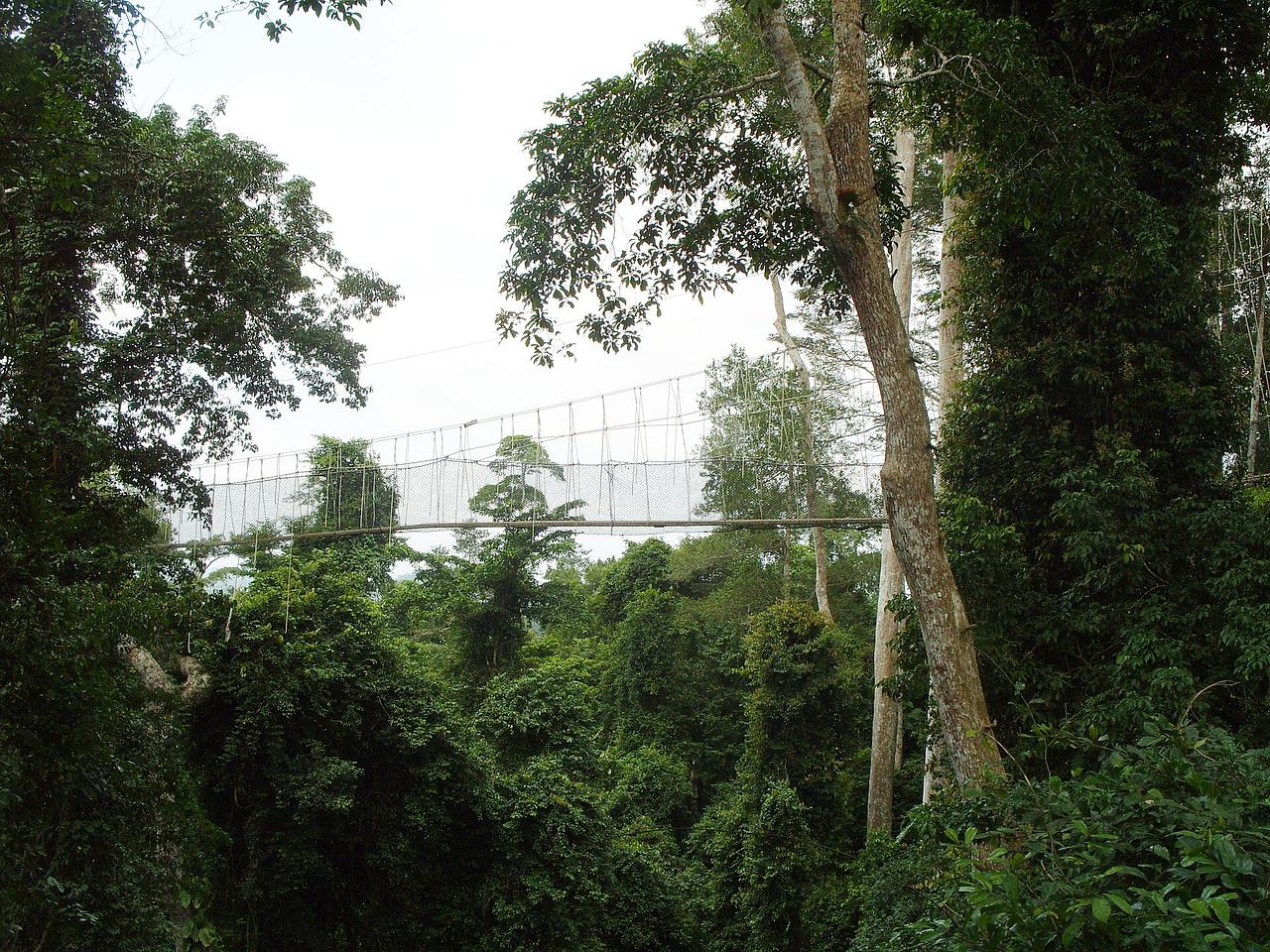
Photo: ZSM · CC BY-SA 3.0 · Source 2.Kakum National Park and canopy walkway
North of the city, Kakum protects 375 square kilometres of tropical forest and is one of only a few places in Africa with a canopy walkway. Seven suspension bridges form a 333-metre walkway suspended up to 27 metres above the forest floor, supported by trees over 300 years old. Below are forest elephants, bongos, Diana monkeys and duikers, though game viewing is difficult; birdwatchers do better, with over 300 recorded species. Guided forest walks, night hikes and a children's park are also on offer.
Tip: This is rainforest — bring a raincoat and proper shoes, keep your hands free for the ropes, and use a small backpack for your camera.
-
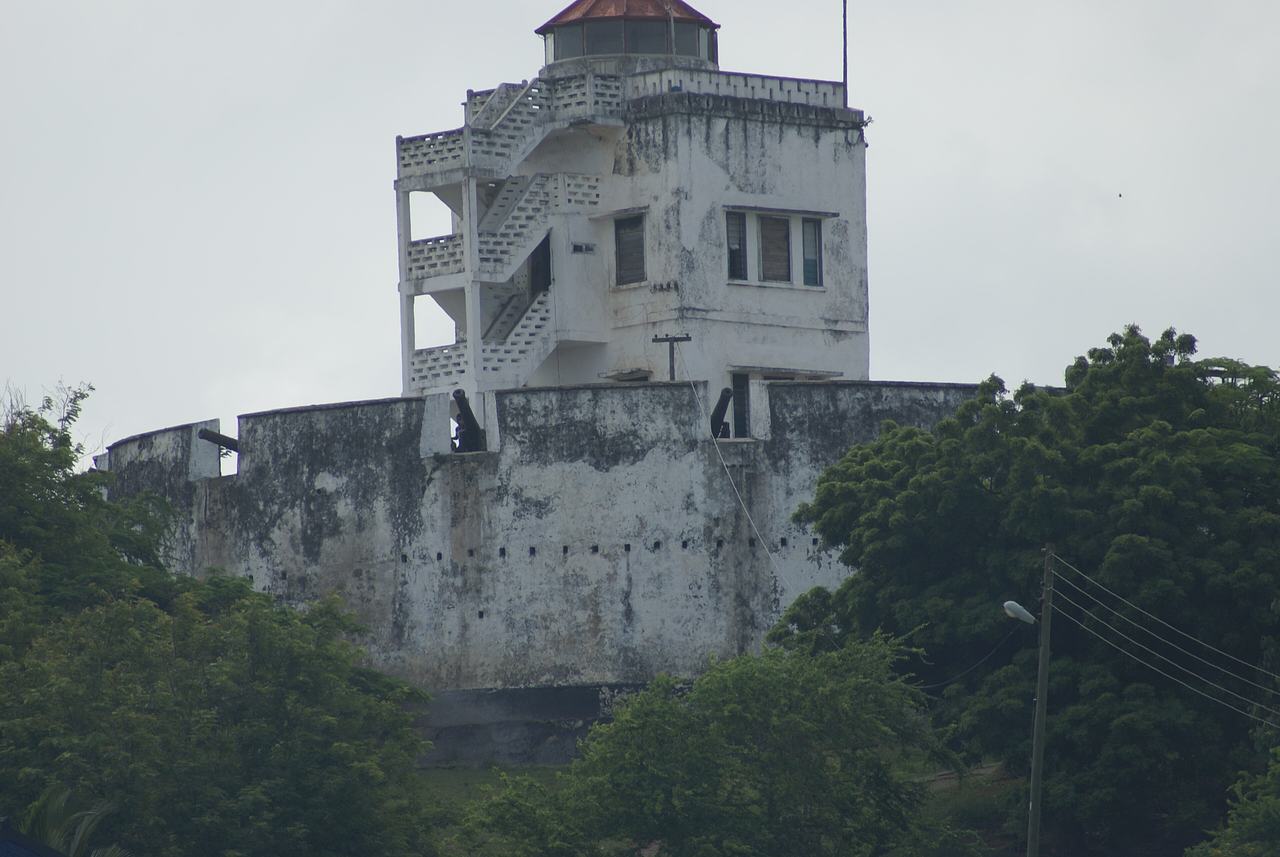
Photo: Anita Loshmanova · CC BY-SA 4.0 · Source 3.Fort William Lighthouse
On Dawson's Hill, Fort William began life in April 1820 as Smith's Tower, a lookout and signalling post built by Governor Hope Smith, and was converted into a lighthouse and renamed before 1838. Its light guided vessels past the rocks and currents off this coast. The fort is preserved in fairly good condition and is part of the UNESCO-listed group of forts and castles. The climb rewards you with a wide view over the town and the Atlantic.
Tip: Pair it with Fort Victoria — the two are close enough to see each other, so you can visit both in one short loop.
-

Photo: Adam Jones · CC BY-SA 2.0 · Source 4.Fort Victoria
Built in 1821 on the site of an earlier fort in the western part of town, Fort Victoria was first known as Phipps Tower, after Governor James Phipps, and later renamed in honour of Queen Victoria. It served as an outlook post for signalling and to fend off attacks, and it was inscribed on the UNESCO World Heritage List in 1979 along with the other forts and castles. It is maintained as a national monument and is in good condition.
Tip: Come for the perspective as much as the masonry — the elevated position explains how Cape Coast's coastal defences worked.
-
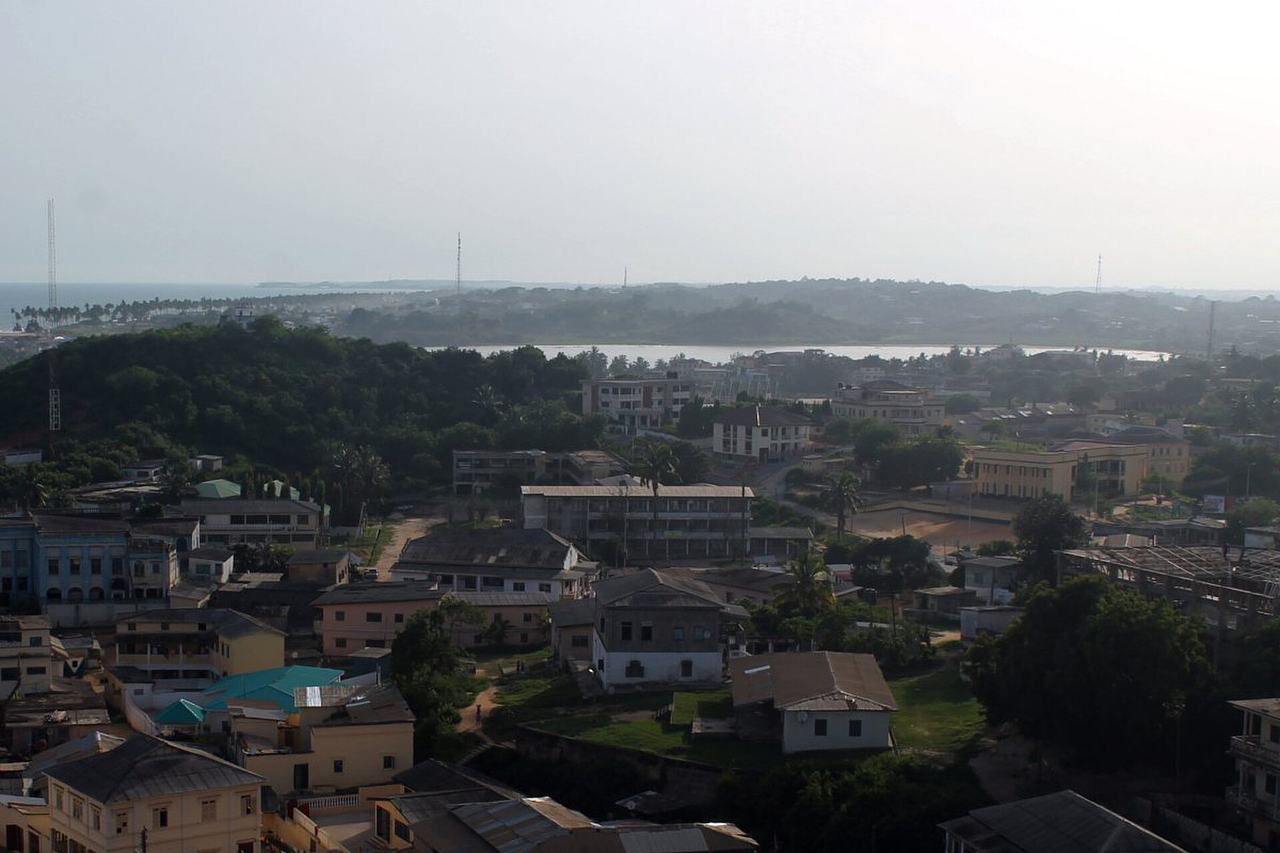
Photo: Kobebigs · CC BY-SA 3.0 · Source 5.Fosu Lagoon
An urban lagoon that is both a livelihood and a sacred site. It supports hundreds of fishermen and fish processors, and in the run-up to Fetu Afahye it is closed to fishing for several weeks to honour the ancestors and the lagoon god, with rituals performed on its banks by the Amissafo, its traditional guardians. Decades of urban waste and poor drainage have degraded the water, and the metropolitan assembly and community groups are working to restore it.
Tip: Visit respectfully — this is a working and ceremonial place, not a swimming spot. Ask before photographing rituals or fishermen.
-
6.Kotokuraba Market
The largest market in the city and the beating heart of everyday Cape Coast. Its name comes from Koto-Kuraba, "crab-hamlet", a corruption of Koto-wuraba, "crab rivulets" — a reminder that this was a market town long before it was a colonial capital. Come for produce, cloth, household goods and the ordinary theatre of a West African market day, and to see the city as residents live it rather than as visitors tour it.
Tip: Go in the morning when it is coolest and busiest, keep valuables close, and ask before taking photographs of traders.
-
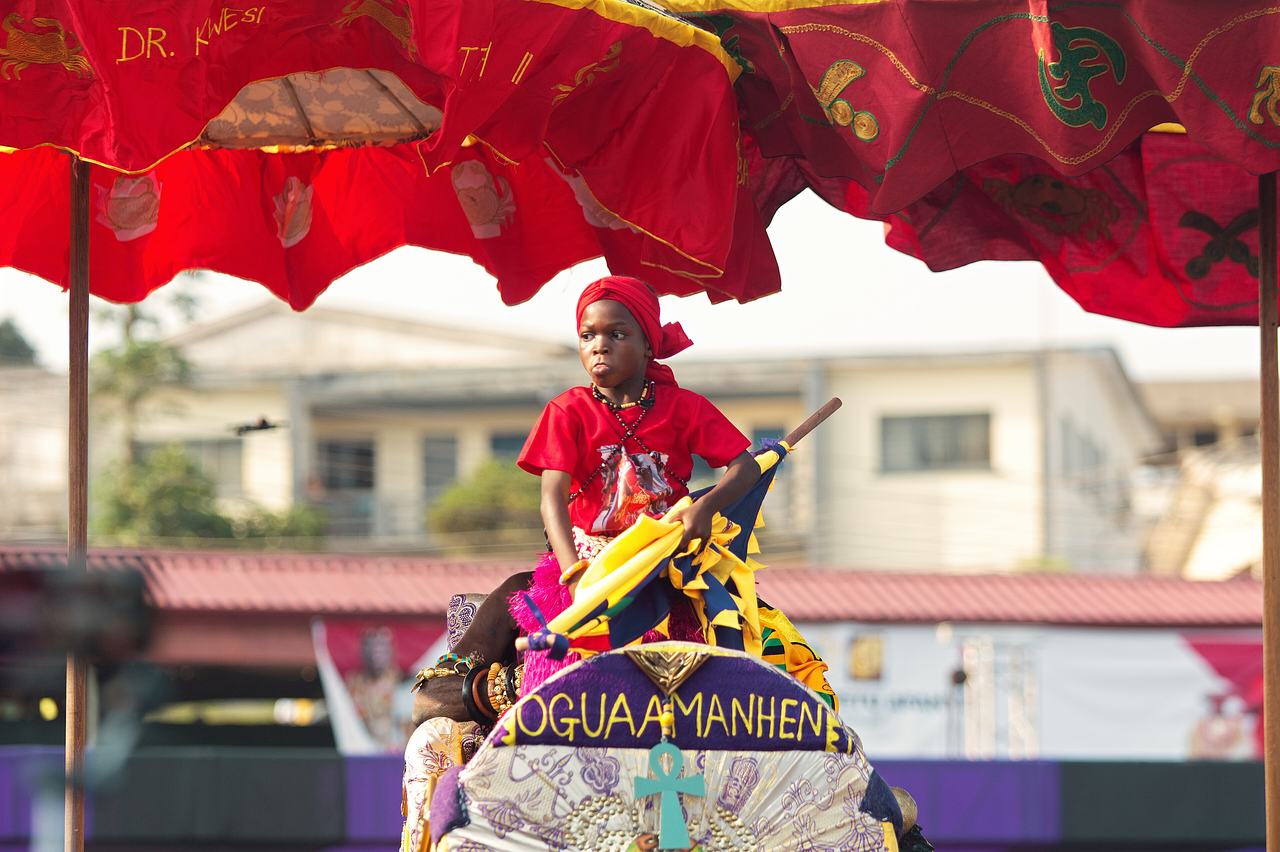
Photo: Kofiarkohbaidoo · CC BY-SA 4.0 · Source 7.Fetu Afahye festival
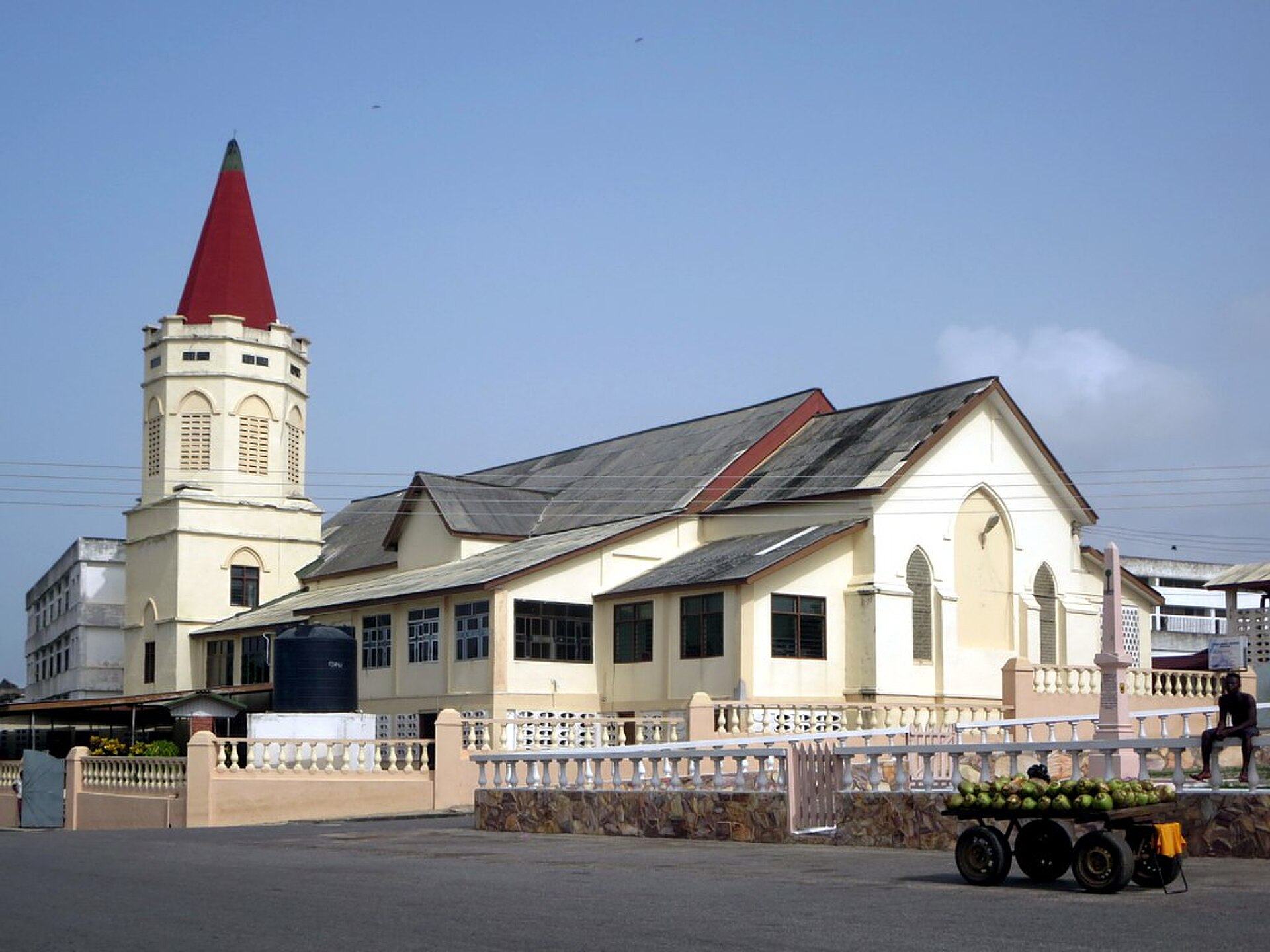
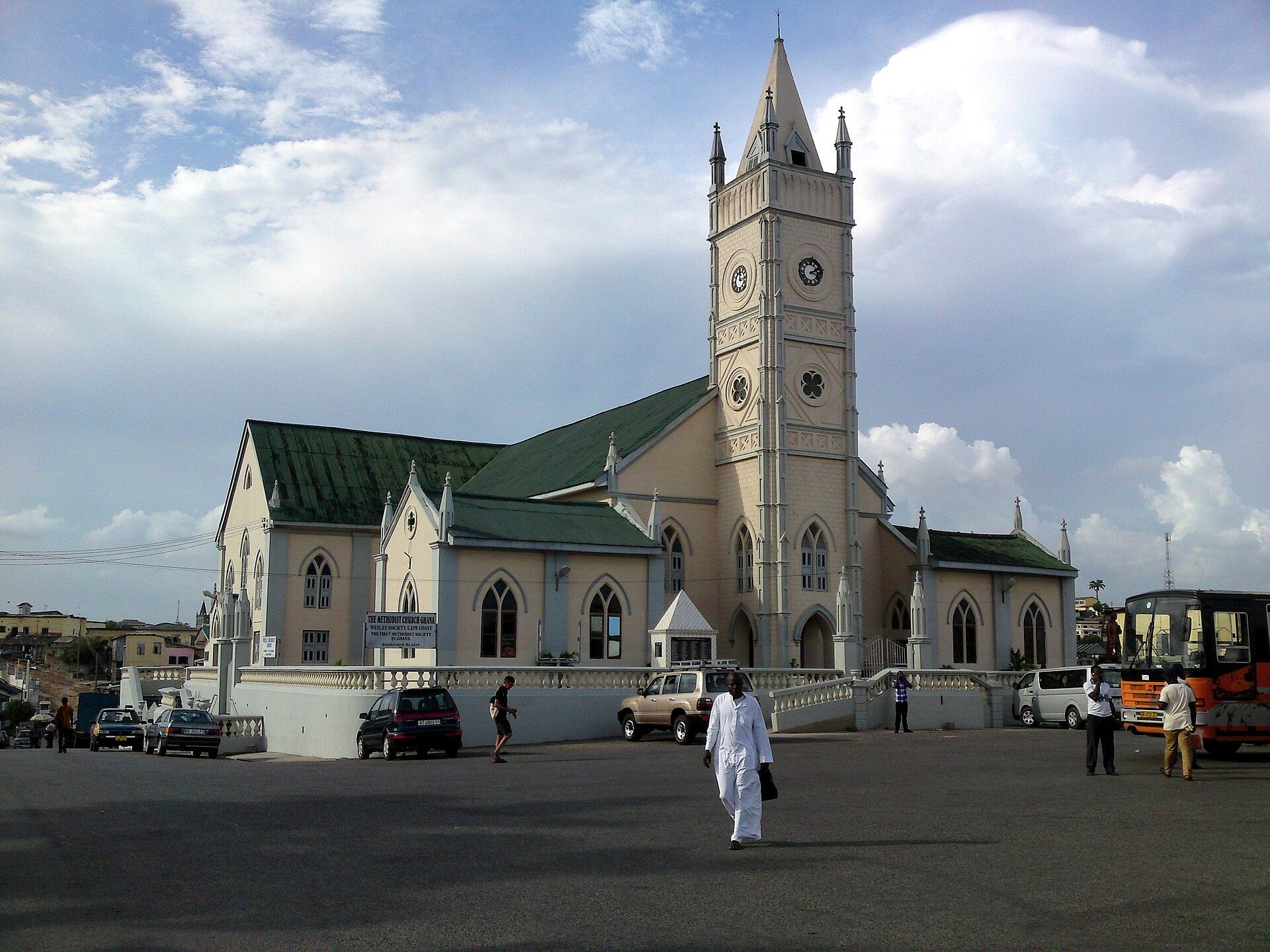
If your dates allow, time your visit for the first Saturday of September, when the Oguaa people hold Fetu Afahye. The festival commemorates a purification that saved the town from a plague and gives thanks to the 77 gods of the traditional area. The Omanhene spends a week in confinement conferring with the gods; drumming and noise are banned; the lagoon is closed to fishing; and the celebrations culminate in a procession through the town and an interdenominational service at Chapel Square.
Tip: The vigil at Fosu Lagoon and the reopening of the lagoon for fishing are the most atmospheric moments — arrive early and watch from a respectful distance.


Plan your time
Suggested itinerary
Half a day: the castle and the hills
Start at Cape Coast Castle when it opens, and take the guided tour — the dungeons, the governor's quarters, the West African Historical Museum and the Door of No Return. Give it two to three hours and don't rush the end. Afterwards, walk or take a short taxi ride up to Fort William Lighthouse on Dawson's Hill for the view over the town and the Atlantic, then continue to Fort Victoria, which you can see from Fort William. Finish with a slow walk past Fosu Lagoon as the light softens.
Cape Coast Castle→Fort William Lighthouse→Fort Victoria→Fosu Lagoon
One day: history in the morning, rainforest in the afternoon
Take the castle tour first thing, while the town is still cool and the site is quiet. Have lunch in town, then head north to Kakum National Park for the canopy walkway and a guided forest walk — the bridges are the headline, but the trails and the birdlife reward anyone with time. If you are staying the night, book a night hike to hear the forest after dark. Back in Cape Coast, eat by the sea.
Cape Coast Castle→Fort William Lighthouse→Fort Victoria
Two days: Cape Coast in full
Day one belongs to the castle and the town: the guided tour, the West African Historical Museum, then Fort William and Fort Victoria on their hills, and Kotokuraba Market in the late afternoon when the heat has gone out of the day. Day two, go inland early to Kakum for the canopy walkway and a longer forest walk, returning via Fosu Lagoon to understand how the lagoon shapes both the town's economy and its calendar. If you are here in early September, build the whole trip around Fetu Afahye instead.
Cape Coast Castle→Fort William Lighthouse→Fort Victoria→Fosu Lagoon

Seasons and festivals
When to go
Cape Coast sits on the Gulf of Guinea with a tropical savanna climate, and the coast is humid year-round. The most compelling reason to choose your dates is Fetu Afahye, the Oguaa festival held on the first Saturday of September. It is a week-long affair: the Omanhene is confined to confer with the gods, a ban is placed on drumming, dancing and noise-making across the municipality, fishing in the Fosu Lagoon is forbidden, and a day is set aside for a general clean-up of the town. A vigil is held at the lagoon on the last Monday in August, with priests and priestesses invoking the gods through the night; ritual activities continue at the Fosu shrine the next day, followed by a regatta and the Omanhene's libation and net-casting to reopen the lagoon for fishing. A bull is slaughtered for purification, and the grand procession falls on the first Saturday, closing with an interdenominational service at Chapel Square. Expect crowds, and expect a town that is fully itself.
- Fetu Afahye · First Saturday of September, with a week of rituals leading up to it
- The annual festival of the Cape Coast Traditional Area, commemorating a purification that ended a plague and giving thanks to the 77 gods of Oguaa. Named after the 17th-century Fetu kingdom, it marks the beginning of a new year for the Oguaa people. The lagoon vigil, the regatta and the reopening of the lagoon for fishing are the most atmospheric moments.
Access
Getting there and around
Cape Coast lies on the coast west of Accra — about 130 kilometres by the figure given for the city, and roughly 62 kilometres from Sekondi-Takoradi. Most travellers arrive from Accra by road, either by shared minibus (tro-tro) or by long-distance bus; both leave from the capital's bus stations and take a few hours depending on traffic and stops. Buses drop passengers at the Cape Coast bus station, from which you will need a taxi or tuk-tuk to reach the castle or to continue to Kakum. Kakum National Park is about a four-hour drive from Accra, and the Ghana Tourism Authority advises using pre-arranged transport; you can also reach it by public transport with a connection from Cape Coast, though there is no reliable direct public transport to the park. Within the city, taxis are the practical way to move between the castle, the hilltop forts and the market, and are easy to find in the centre. Elmina and its castle lie a short distance west along the coast, making a combined visit straightforward.
Good to know
Before you go
Treat the castle as a place of memory, not a photo opportunity. Dress modestly, keep your voice low in the dungeons, and ask before photographing guides, worshippers or anyone at the lagoon. The tour can be emotionally heavy, particularly for visitors of African descent; it is entirely reasonable to cry, to sit down, or to step outside for air, and worth leaving the rest of the day unhurried. Bring water, a hat and sun protection — the coast is hot and humid — and a raincoat if you are heading to Kakum, where it can rain at any time. Wear shoes you can walk in, both for the castle's uneven stone and for the brief hike to Kakum's bridges. Carry small notes for taxis and market purchases, keep valuables secure in crowds, and remember that Fetu Afahye is a religious observance as well as a celebration: follow the lead of local people and respect the periods of quiet and confinement.

FAQ
Questions travellers ask about Cape Coast
Why is Cape Coast Castle important?
It is one of about forty slave castles built on the Gold Coast and a UNESCO World Heritage Site, part of the listing of Ghana's forts and castles. Its dungeons held enslaved Africans before they were shipped across the Atlantic, and its Door of No Return marks the last point of African soil for many of them.
How long does a visit to Cape Coast Castle take?
Allow two to three hours for the guided tour, the dungeons and the West African Historical Museum, plus time afterwards to reflect. The castle is open to the public daily, and guided tours are strongly recommended.
Is the Kakum canopy walkway worth it, and is it safe?
It is one of the few canopy walkways in Africa, with seven suspension bridges forming a 333-metre route up to 27 metres above the forest floor. It is a managed park facility with guides, and there is a shortcut to exit after the first bridge if you change your mind.
When is the Fetu Afahye festival in Cape Coast?
It falls on the first Saturday of September, with a week of rituals beforehand, including a vigil at Fosu Lagoon on the last Monday in August and the reopening of the lagoon for fishing. It marks the beginning of a new year for the Oguaa people.
How do I get to Cape Coast from Accra?
By road — roughly 130 kilometres west of Accra — using a shared minibus (tro-tro) or a long-distance bus, both of which take a few hours. Buses arrive at the Cape Coast bus station, where you can pick up a taxi or tuk-tuk to the castle or onward to Kakum.
Can I visit Cape Coast Castle and Kakum in one day?
Yes. Take the castle tour in the morning, then drive north to Kakum for the canopy walkway in the afternoon. Kakum is about a four-hour drive from Accra but much closer to Cape Coast, so basing yourself in town makes a combined day straightforward.
What else is there to see in Cape Coast besides the castle?
Fort William Lighthouse on Dawson's Hill and Fort Victoria in the west of town are both national monuments within the same UNESCO listing, and both offer views over the town and coast. Fosu Lagoon and Kotokuraba Market show the city's working life, and the West African Historical Museum sits inside the castle itself.
In pictures
Cape Coast in pictures
Keep exploring
More destination guides
Sources for this guide (12)
- Cape Coast Castle, Cape Coast (1653) — Ghana Museums and Monuments Board
- Fort William (Lighthouse), Cape Coast — Ghana Museums and Monuments Board
- Cape Coast Castle — Wikipedia
- Cape Coast — Wikipedia
- Fort Victoria, Cape Coast — Wikipedia
- Kakum National Park — Wikipedia
- Forts and Castles, Volta, Greater Accra, Central and Western Regions — UNESCO World Heritage Convention
- Kakum National Park — Visit Ghana (Ghana Tourism Authority)
- Oguaa Fetu Afahye (Festival) — Visit Ghana (Ghana Tourism Authority)
- Fosu Lagoon Water Quality Monitoring Programme, Ghana — Ocean Conservation Trust
- Ghana Slave Museum: Confronting History at Cape Coast and Elmina Castles — MoMAA
- Getting Around Cape Coast — Tripbase
Written September 29, 2026 from these sources and reviewed by the VisitGhana.app team. Confirm practical details locally before travelling.


