
A city built around its forts
Accra's shape was decided by European trade. Jamestown and Usshertown, the oldest districts, grew up around two seventeenth-century strongholds: the British Fort James, built by the Royal African Company in 1673 as a post for gold and slaves, and the Dutch Fort Crèvecœur, raised in 1649 and later renamed Ussher Fort. A third, the Danish Fort Christiansborg at Osu, was built in the 1660s and became the capital of the Danish Gold Coast. Together these three forts made the small settlement at Accra a rival to Cape Coast, and in 1876 Accra replaced Cape Coast as the capital of the Gold Coast.
Each fort carries the weight of what passed through it. Osu Castle, as Christiansborg is now known, held and dispatched enslaved people overseas; its dungeons and the walkway to the Door of No Return are still shown to visitors. Fort James served as a prison from the colonial era until 2008, and Nkrumah himself was held there with common criminals in 1950–51. Ussher Fort, transferred from Dutch to British hands in 1868, is being restored with European Commission and UNESCO support as a museum and international documentation centre. All three are inscribed on the UNESCO World Heritage List as part of Ghana's Forts and Castles, listed in 1979 for their testimony to European colonial influence and the Atlantic slave trade.

Ga Accra: fishing, boxing and Homowo
Beneath the colonial masonry, Accra is a Ga city. Jamestown and Usshertown — known together as Ga-Mashie — remain fishing communities inhabited primarily by Ga people, and Ga is still the language you hear in the lanes. The districts are dense with compound houses, and the old quarter of Adedainkpo was once home to some of Accra's wealthiest African residents. Bukom, a few streets away, is known for its boxing gyms, and the Azonto dance, which travelled from these streets to the world, originated in Jamestown.
Every August or September the Ga celebrate Homowo, which means to hoot at hunger — a festival recalling a famine in their pre-colonial history and giving thanks for survival. It is a time of family reunions, drumming and feasting, and it belongs to the Ga communities of the Greater Accra Region rather than to visitors. Later in August, Jamestown hosts the Chale Wote Street Art Festival, when the district becomes an open-air gallery of murals, installations, processions, film screenings and performance, much of it free to wander through. The two together make late summer the most alive time to be in Old Accra.

The coast, the lagoon and the modern city
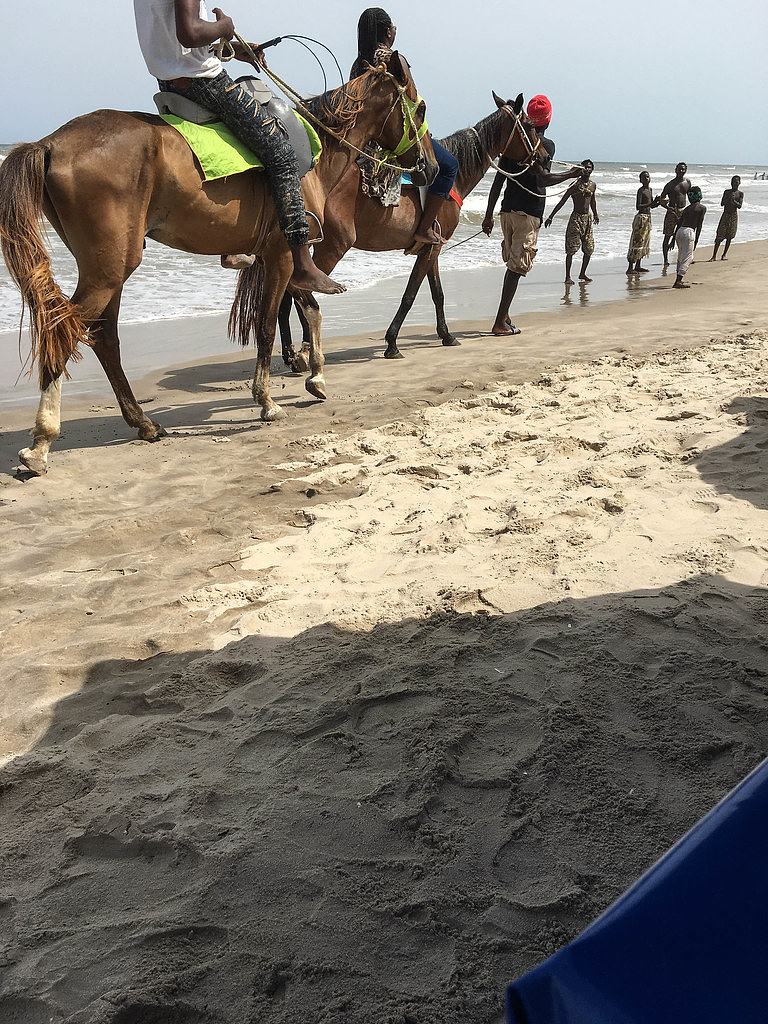
Accra sits low on the coast — the metropolitan district rises only about 61 metres above sea level — with the Korle Lagoon dividing Jamestown from the rest of the centre. East of the city, Labadi Beach, properly called La Pleasure Beach, runs along the shore at La near Teshie and is maintained by the hotels behind it. At weekends and on holidays it fills with reggae, hiplife, drumming and dancing, and early risers come to train on the sand.
The modern city presses in around all of this. Accra is the capital of Ghana and the centre of the Greater Accra Region, one of thirteen districts that make up the metropolitan area, with a population counted at more than five million across the wider metropolis in the 2021 census. Independence Square, completed in 1961 for Queen Elizabeth II's state visit, faces the sea on Independence Avenue, flanked by the sports stadium and the Kwame Nkrumah Memorial Park. Between the monuments, the city does what capital cities do: it trades, builds, argues and eats, and the market women of Makola have been at the centre of that since 1924.

What to do
Things to do in Accra
-
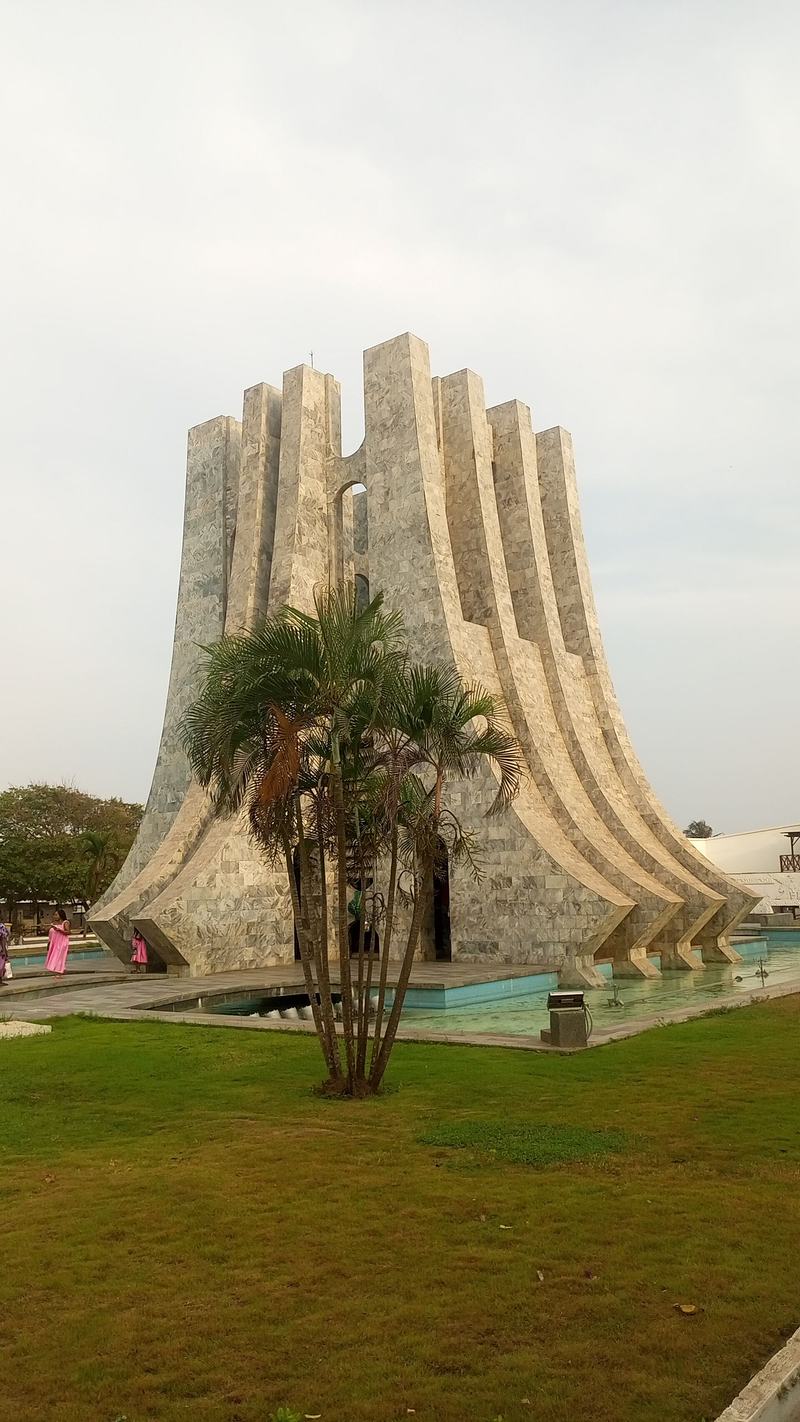
1.Kwame Nkrumah Memorial Park
The mausoleum of Ghana's first president and his wife Fathia stands on the old British colonial polo grounds, on the very spot where Nkrumah declared independence. The building is shaped as an upside-down sword, an Akan symbol of peace, clad in Italian marble with a black star at its apex, and the grave is lit by a skylight and ringed by water. A museum holds objects from every stage of his life. After a year-long closure the park reopened in July 2023 with a presidential library, amphitheatre, freedom hall and audio-visual tunnel.
Tip: Give it two hours rather than one — the museum and the new audio-visual tunnel reward unhurried attention, and the grounds are at their best in the cooler early morning.
-
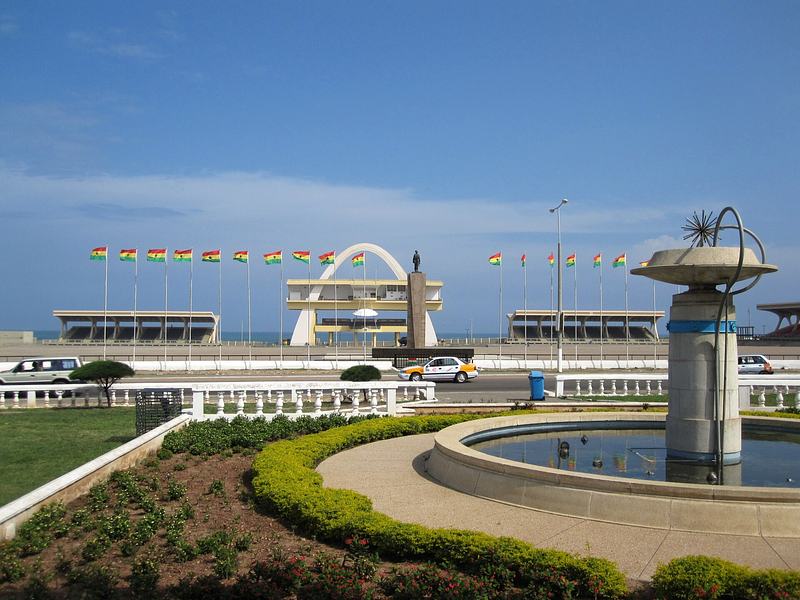
2.Independence Square (Black Star Square and Black Star Gate)
Ghana's national square on Independence Avenue, completed in 1961 in time for Queen Elizabeth II's state visit and designed by Theo Lawson at Nkrumah's commission. It is where the annual independence celebrations, civic and military parades and national gatherings take place, with the Independence Arch, the Black Star Gate and the Memorial of the Unknown Soldier ranged across a vast open concourse facing the sea. It is a monument square rather than a museum, and its scale is the point.
Tip: Come in the late afternoon for softer light and sea breeze; the square is exposed and offers almost no shade at midday.
-
3.Jamestown and Usshertown (Old Accra)
The oldest districts of Accra, grown up around the British and Dutch forts and still fishing communities inhabited primarily by Ga people. Walk the lanes between compound houses, past the old quarter of Adedainkpo and on to Bukom, known for its boxing gyms. This is where the Azonto dance began and where Ga is the everyday language. The districts are dense, lived-in and significant: Accra's rise to capital of the Gold Coast in 1876 runs through these streets.
Tip: Go with a local guide and ask before photographing people at work; the fish market and landing beach are workplaces, not attractions.
-
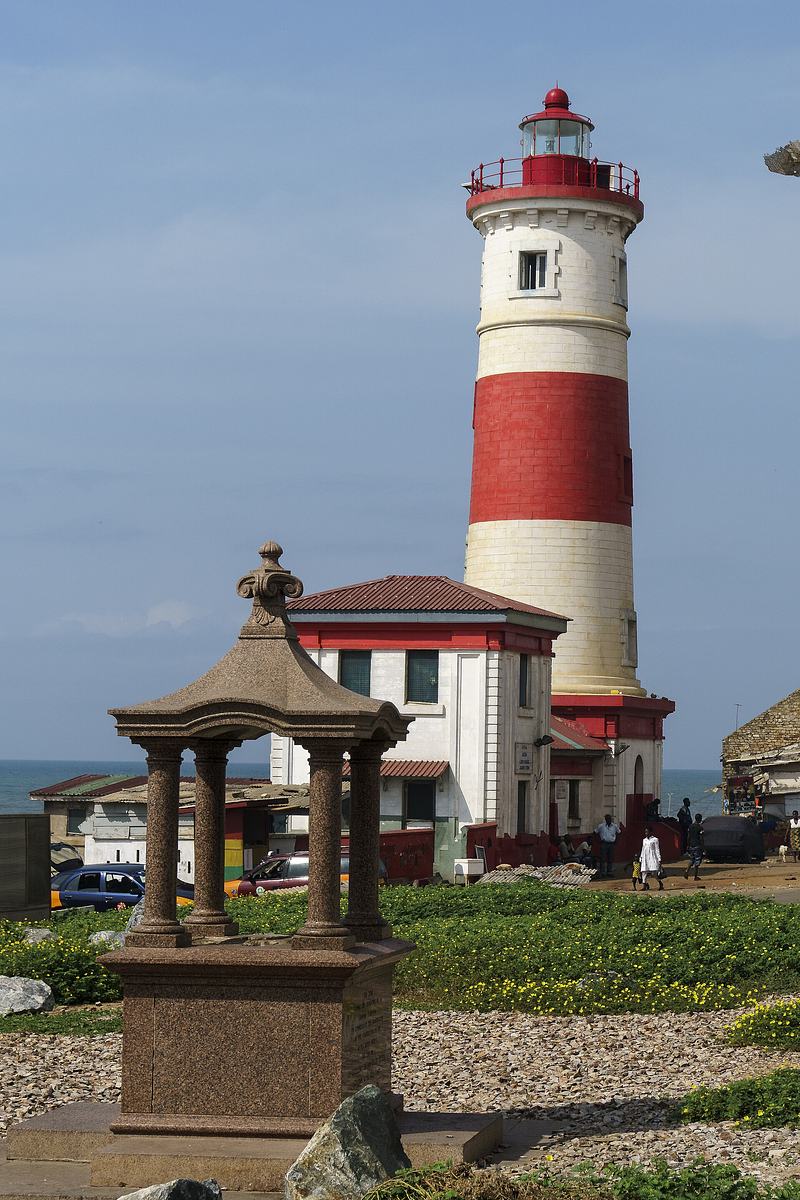
4.Jamestown Lighthouse
The red-and-white banded tower that gives Jamestown its silhouette was built in 1932 to replace an 1871 lighthouse, and stands about 28 metres tall with a focal height of roughly 35 metres above sea level. It is operated by the Ghana Ports and Harbours Authority and still guides vessels toward the port. From the top the view takes in the harbour, James Fort, Ussher Fort and the Bukom district — one of the clearest readings of how Old Accra fits together.
Tip: The climb is a steep spiral of steps; wear shoes with grip and leave large bags behind, as the stairway is narrow.
-
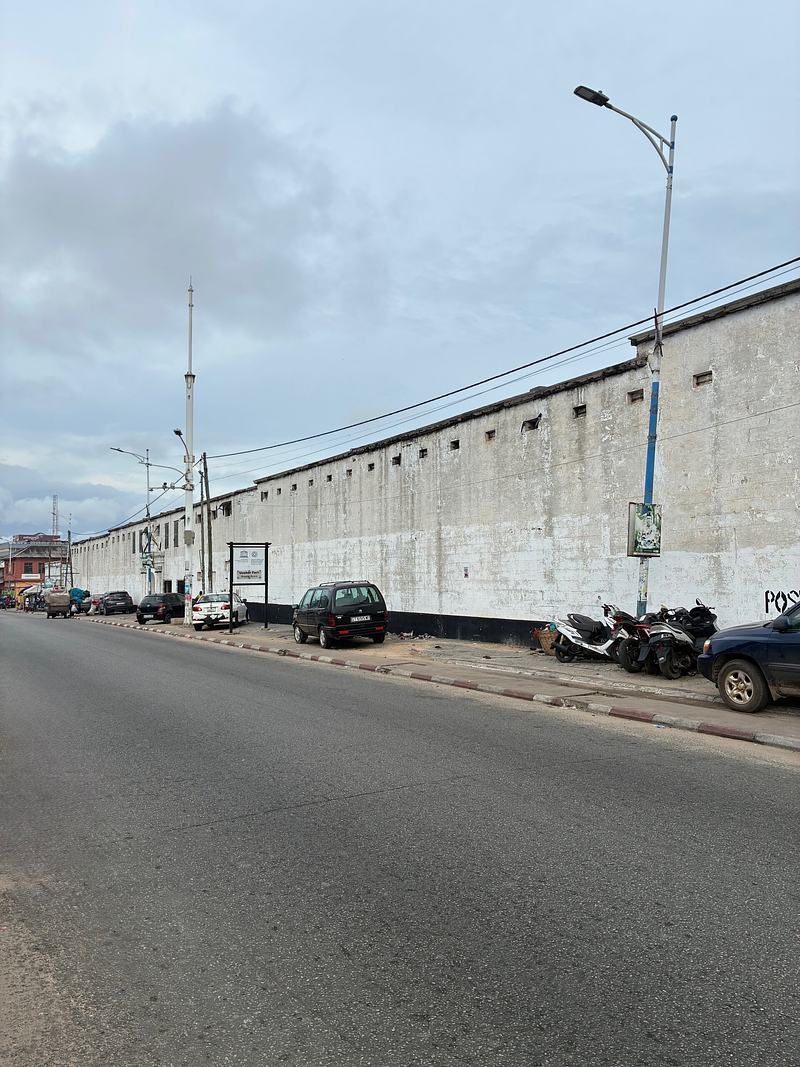
5.Ussher Fort and its museum
Built by the Dutch in 1649 as Fort Crèvecœur and renamed for Herbert Taylor Ussher after it passed to the British in 1868, this is one of the three forts that made seventeenth-century Accra. It is being restored with European Commission and UNESCO funding to serve as a museum and international documentation centre, and it houses displays on the history of the slave trade in Ghana. The fort also hosts Chale Wote events, which gives the old walls a second, contemporary life.
Tip: Check ahead that the museum rooms are open on the day you plan to visit, as restoration work has been staged over several years.
-
6.James Fort
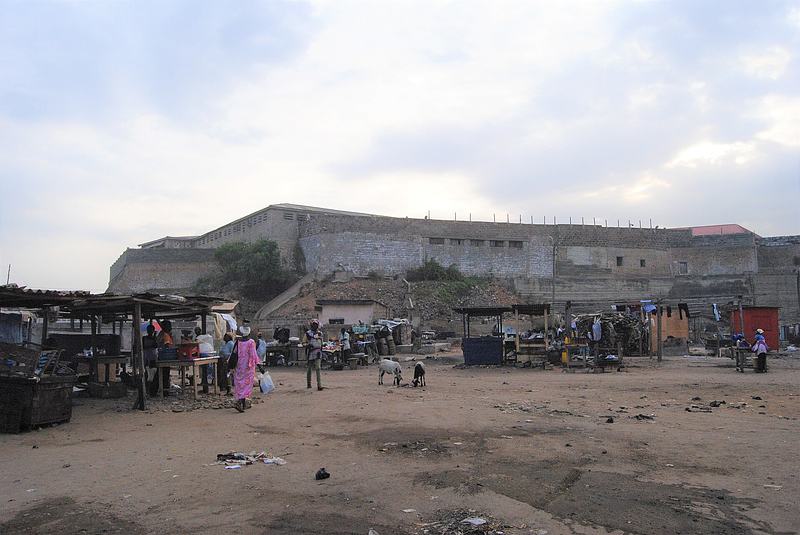
The Royal African Company built Fort James in 1673 as a trading post for gold and slaves, naming it after James, Duke of York, then governor of the company — the name Jamestown still carries. It stands beside the lighthouse and served as a prison from the colonial period until 2008; Nkrumah was held here in 1950–51. It is inscribed on the UNESCO World Heritage List with Ghana's other forts and castles. The site is currently listed as temporarily closed, so treat a visit as a view from outside unless you confirm otherwise.
Tip: Even when the interior is shut, the exterior and its position beside the lighthouse make the walk worthwhile — combine the two in one stop.
-
7.Osu Castle (Christiansborg)
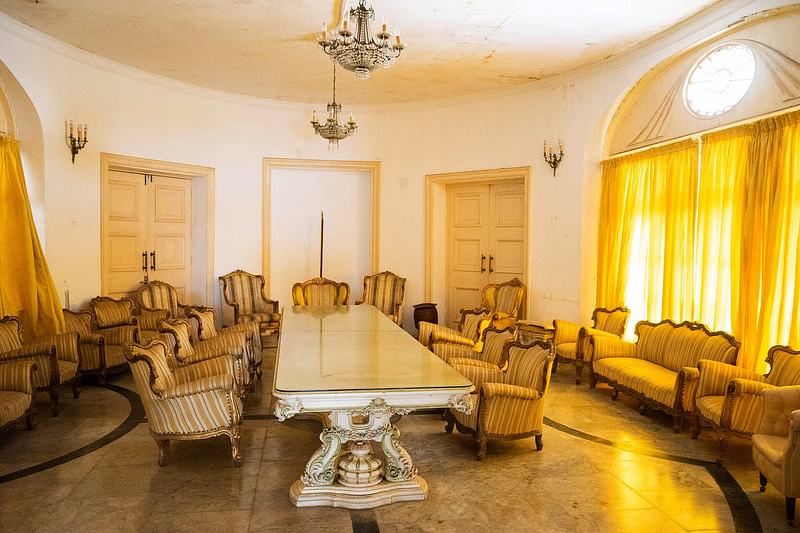
A substantial fort built by Denmark–Norway in the 1660s, Christiansborg passed between Denmark–Norway, Portugal, the Akwamu, Britain and finally post-independence Ghana, and was rebuilt many times. Under the Danes it was the capital of the Danish Gold Coast and held and dispatched enslaved people overseas; from 1902 it was the seat of government in the Gold Coast, a role it kept, with interruptions, until the seat moved to Jubilee House. It is part of Ghana's UNESCO World Heritage listing, and visitors can see the slave dungeons and the walkway to the Door of No Return.
Tip: Access is limited because the area remains a security zone, so plan around the days it is open to the public and carry photo identification.
-
8.Makola Market
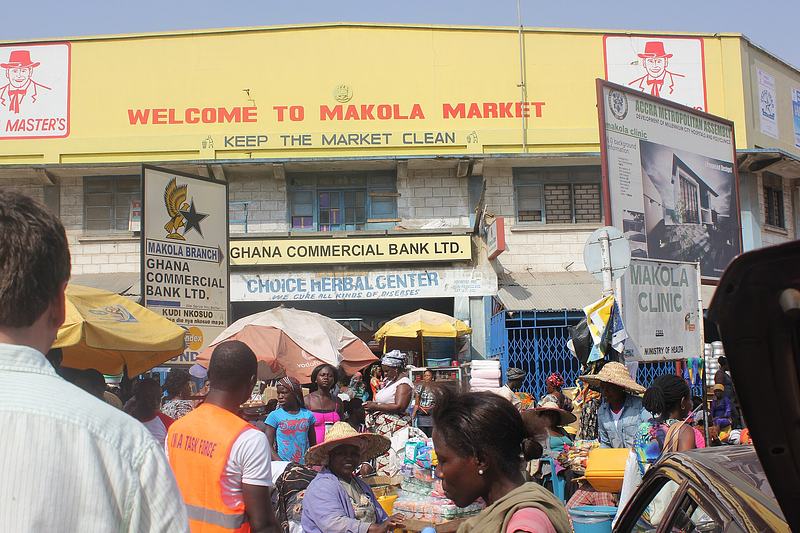
Constructed in 1924 and still the commercial heart of central Accra, Makola is a trading district as much as a market, spilling through the surrounding streets of the Central Business District. It is dominated by women traders and sells almost everything: fresh produce, imported foods, cloth, shoes, tools, medicines, pots and pans, and jewellery made from locally handcrafted beads. It was destroyed in 1979 under the Rawlings government and rebuilt by the traders themselves, which is part of why it feels the way it does.
Tip: Go in the morning when the produce is fresh and the heat is bearable, keep to the main aisles, and agree prices before you buy rather than haggling after.
-
9.National Museum of Ghana
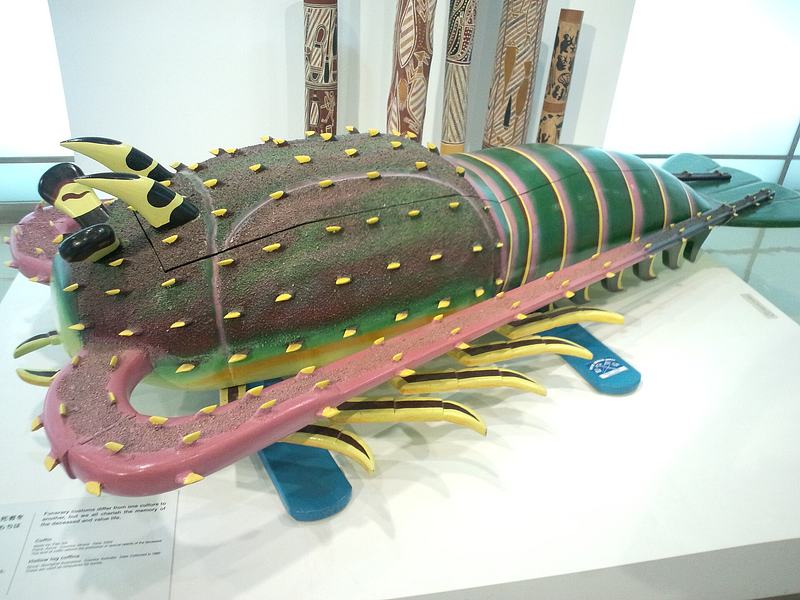
Opened on 5 March 1957, days before independence, the National Museum is the oldest and largest of the six museums run by the Ghana Museums and Monuments Board, with a collection of around ten thousand objects spanning archaeology, ethnography and fine art. The building on Barnes Road was designed with British architects Denys Lasdun and Lindsay Drake, and its concrete form with saw-toothed windows is a piece of mid-century architecture in its own right. Exhibits on the transatlantic slave trade were added in the 1990s.
Tip: Start here before touring the forts — the chronology makes the coastal sites far easier to read.
-
10.Labadi Beach (La Pleasure Beach)
Accra's busiest stretch of sand, in the town of La near Teshie, maintained by the hotels that back onto it. At weekends and on public holidays it becomes a stage for reggae, hiplife, drumming and dancing, and early in the morning people come down to train on the sand. It is a working, social beach rather than a quiet one, which is exactly why it is worth an afternoon. Non-guests of the hotels pay an entrance fee.
Tip: Weekend afternoons are the liveliest but also the busiest; if you want space, arrive early and leave before the crowds build.
-
11.W.E.B. Du Bois Memorial Centre for Pan-African Culture
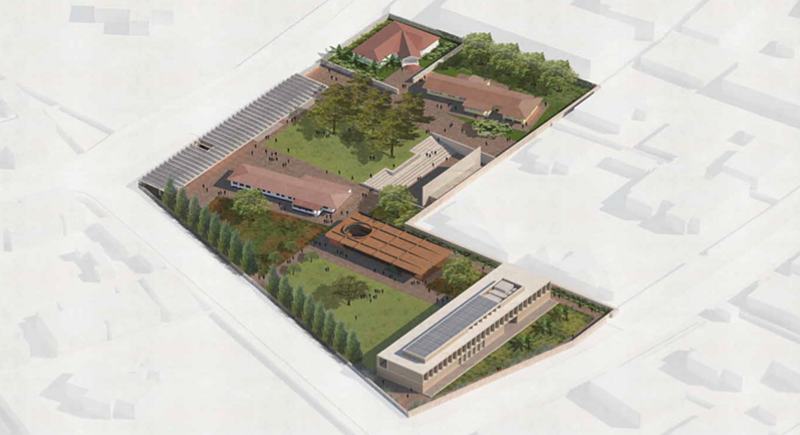
In Cantonments, the former home of the African-American scholar and Pan-Africanist W. E. B. Du Bois, who spent his last years in Ghana at Nkrumah's invitation, is now a memorial, museum and research centre. It holds his mausoleum, his library and his archives, and it is the natural counterpart to the Nkrumah Memorial Park: together they trace the intellectual thread of Pan-Africanism that ran between the diaspora and independent Ghana.
Tip: This is a research centre as well as a memorial, so ask staff about the archives if you have a scholarly interest — and allow time to sit in the garden.
-
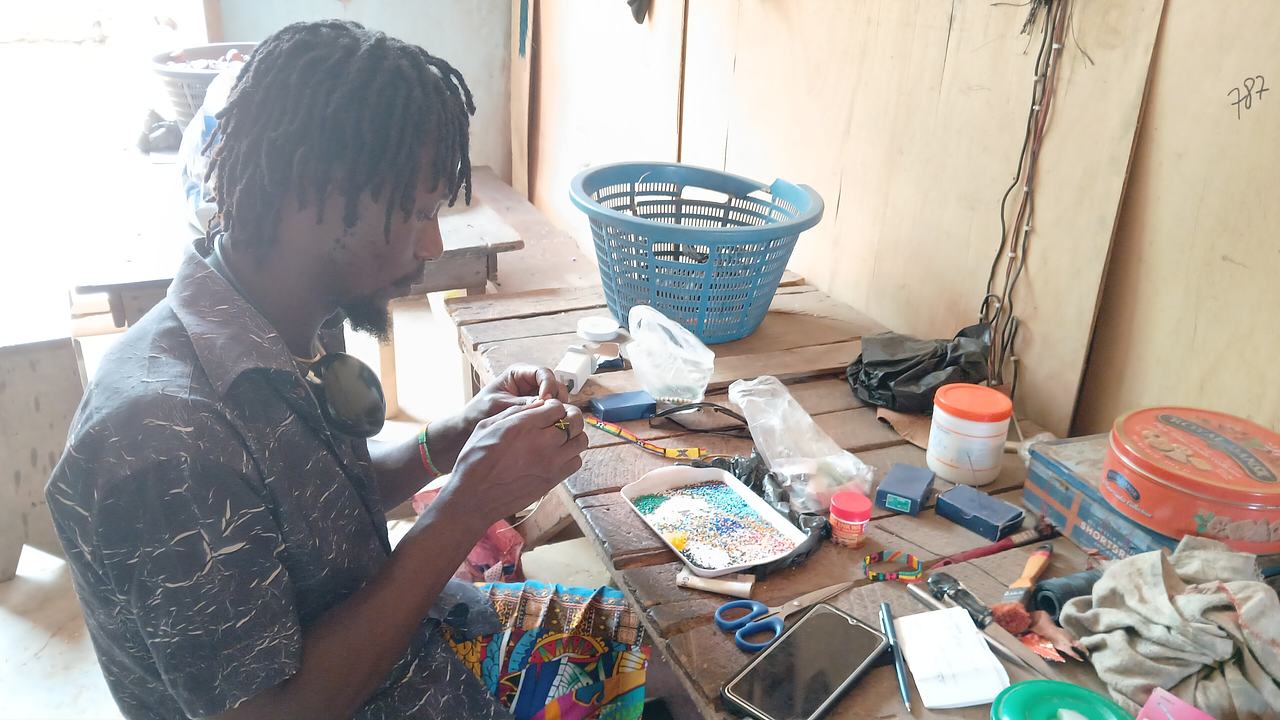
Photo: daSupremo · CC BY-SA 4.0 · Source 12.Accra Arts Centre (Centre for National Culture)
Ghana's largest arts and crafts marketplace, in central Accra off Atta Mills High Street, with free entry. Stalls sell carvings, textiles, beads, drums, leatherwork and paintings from across the country, and the centre is the practical place to buy craft directly from makers rather than from an airport shop. It is also a working cultural centre, so you may catch rehearsals or performances while you browse.
Tip: Prices are negotiable and starting quotes are high; decide what an item is worth to you before you begin, and keep the bargaining friendly.


Plan your time
Suggested itinerary
Half a day: Old Accra on foot
Start at the Jamestown Lighthouse and climb for the view over the harbour, James Fort and Ussher Fort. Walk down into Jamestown and Usshertown with a local guide, through the lanes of Ga-Mashie and past the old quarter of Adedainkpo, then finish at Ussher Fort and its museum displays on the slave trade. Keep the pace slow: this is a residential district, and the point is to see how the old forts sit inside a living fishing community rather than apart from it.
Jamestown Lighthouse→Ussher Fort→James Fort
One day: monuments, market and the sea
Begin at the National Museum of Ghana on Barnes Road for the chronology, then walk or ride to Independence Square to see the Black Star Gate and the Memorial of the Unknown Soldier. Continue to the Kwame Nkrumah Memorial Park for the mausoleum and museum, which sits directly beside the square. After lunch, dive into Makola Market in the Central Business District, then take a taxi east to Osu Castle if it is open, or head straight to Labadi Beach for the late afternoon and the weekend music.
National Museum of Ghana→Independence Square (Black Star Square & Black Star Gate)→Kwame Nkrumah Memorial Park→Makola Market→Osu Castle (Christiansborg)→Labadi Beach
Two days: adding Pan-Africanism and craft
On the second day, go first to the W.E.B. Du Bois Memorial Centre for Pan-African Culture in Cantonments, where the mausoleum, library and archives set the Nkrumah story in a wider intellectual frame. Then spend the middle of the day at the Accra Arts Centre, browsing carvings, textiles and beads and buying directly from makers. Use the late afternoon to return to Jamestown for anything you missed — the lighthouse at golden hour, or the fishing beach as the canoes come in.
W.E.B. Du Bois Memorial Centre for Pan-African Culture→Accra Arts Centre→Jamestown Lighthouse


Seasons and festivals
When to go
Accra has a tropical climate with a dry season and a rainy season rather than four seasons. The dry months from November to March are the most comfortable, with less humidity and cooler evenings; the Harmattan, a dry Saharan wind, blows in from December, bringing haze and dust. The rains run from April to October, with a shorter wet spell from April to June and heavier rain later in the year, which keeps the coast green but can make travel slower. Late summer is the cultural high point: the Ga celebrate Homowo in August or September, and the Chale Wote Street Art Festival fills Jamestown in August, so expect the city to be busier and accommodation to fill earlier.
- Homowo · August or September
- The Ga harvest festival, whose name means to hoot at hunger. It commemorates a famine in the Ga people's pre-colonial history and gives thanks for survival, with family reunions, drumming and feasting across the Greater Accra Region. It is a community celebration rather than a visitor attraction, so observe respectfully and from a distance unless invited.
- Chale Wote Street Art Festival · August
- An annual street art festival centred on Jamestown, bringing murals, installations, processions, pop-up theatre, film screenings and performance into the streets and into the grounds of Ussher Fort. Much of it is free to wander through, and it has become one of the clearest expressions of Accra's contemporary art scene.
Access
Getting there and around
Accra is the capital of Ghana and the main gateway to the country, with the city's international airport serving as the principal point of arrival for overseas visitors. Within the city, taxis and shared minibus services known as tro tros are the main ways of getting around, and the central districts — Jamestown, Usshertown, Makola and Independence Square — are close enough together that a combination of short taxi rides and walking works well. Traffic in central Accra is heavy, so allow generous time between stops rather than trying to chain many sites into a single morning. For Old Accra in particular, a local guide is worth arranging in advance: the lanes of Jamestown and Usshertown are not laid out for casual navigation, and a guide opens doors that a map will not.
Good to know
Before you go
Accra is a working city, not a resort, and it rewards travellers who dress and behave accordingly. Lightweight clothing suits the heat and humidity, but cover shoulders and knees when visiting forts, churches and shrines, and carry a light layer for the cooler, dustier Harmattan evenings from December. Ask before photographing people, particularly at the fishing beaches and in Makola Market, where traders are at work; a refusal is a complete answer. The forts and castles along this coast document the Atlantic slave trade, and Ghanaians visit them as places of mourning as well as history — keep voices low in dungeons and at the Door of No Return. Carry small change for market purchases and beach entrance, drink bottled or treated water, and use insect repellent in the evenings. Tipping is appreciated but not obligatory, and a few words of greeting in Ga or Twi go a long way.


FAQ
Questions travellers ask about Accra
Is Accra worth visiting, and how long do I need?
Yes — Accra is Ghana's capital and its historic core holds three seventeenth-century forts, a lighthouse, the national museum and the Nkrumah mausoleum within a few kilometres. Two days lets you cover Old Accra, the monuments and the market without rushing; a half day is enough for Jamestown and Usshertown alone.
When is the best time to visit Accra?
November to March is the driest and most comfortable stretch, though the Harmattan brings haze and dust from December. The rains run from April to October. If you want the city at its most alive, come in August for Chale Wote and Homowo.
What is the Chale Wote Street Art Festival?
It is an annual street art festival held in Jamestown each August, with murals, installations, processions, theatre, film screenings and performance taking over the streets and the grounds of Ussher Fort. Much of the programme is free to wander through.
Can I visit Osu Castle?
Access is limited because the castle and its surroundings remain a security zone, and it is open to the public only on restricted days. When you do get in, the slave dungeons and the walkway to the Door of No Return are the parts most visitors remember.
Is James Fort open to visitors?
James Fort is currently listed as temporarily closed, so plan on seeing it from the outside alongside the lighthouse unless you confirm otherwise before travelling. It served as a prison until 2008 and is part of Ghana's UNESCO World Heritage listing.
What is Homowo, and can visitors attend?
Homowo is the Ga harvest festival, held in August or September, whose name means to hoot at hunger; it recalls a famine in Ga history and gives thanks for survival. It is a family and community celebration, so visitors should observe respectfully rather than expect to take part.
How do I get around Accra?
Taxis and shared minibuses called tro tros are the main options, and the central sights are close enough to combine short rides with walking. Traffic is heavy, so build slack into any plan that chains several sites together.
In pictures
Accra in pictures
Keep exploring
More destination guides
Sources for this guide (12)
- Accra — Wikipedia
- Jamestown/Usshertown, Accra — Wikipedia
- Kwame Nkrumah Memorial Park — Wikipedia
- Osu Castle — Wikipedia
- Christiansborg (Osu) Castle — Visit Ghana
- Ussher Fort — Wikipedia
- Fort James, Ghana — Wikipedia
- Jamestown Lighthouse — Wikipedia
- Black Star Square — Wikipedia
- Makola Market — Wikipedia
- National Museum of Ghana — Wikipedia
- Labadi Beach — Wikipedia
Written September 29, 2026 from these sources and reviewed by the VisitGhana.app team. Confirm practical details locally before travelling.