
A kingdom of horsemen and traders
The Savannah Region is, in large part, Gonjaland. The Gonja (also called Ngbanya, meaning 'brave men') are a Guan people whose oral traditions and Arabic manuscripts trace them to Mande horsemen who rode south from the Mali Empire after the fall of Songhai around 1600. Crossing the Black Volta, they founded a capital at Yagbum and, under the leadership of Sumaila Ndewura Jakpa, built a centralised state. Jakpa is remembered as the conquering founder of the Gonja Kingdom; by the time of his death the Gonja Traditional Area was established under his sole leadership. He installed his sons across the divisions that still survive — Wasipe (Daboya), Kpembe, Bole, Tuluwe, Kong, Kadia and Kusawgu — and to this day the paramount chiefs of those divisions address the Yagbonwura, the overlord, as their father.
The kingdom's wealth ran on trade. Salaga, sometimes called the 'Timbuktu of the South', was one of West Africa's leading market centres from the sixteenth century, where kola, beads, ostrich feathers, hides, textiles and gold changed hands. The Gonja converted to Islam around the eighteenth century under the influence of Muslim missionaries and merchants, and most Gonja remain Muslim while still incorporating older practices and beliefs. The region's living chieftaincy is not a museum piece: the Yagbonwura's seat at Ndewura Jakpa Palace in Damongo, and the Kpembewura's working palace at Kpembe near Salaga, are active centres of governance and ceremony.

Salaga: the wells and the market
Salaga's story must be told plainly. From the sixteenth century it was a great trading town, and in the eighteenth century it became a key centre in the trade in human beings. People taken from the Upper West, Upper East and Northern Regions were brought here, inspected and bargained for, then exchanged mostly for kola nuts, cowries and gold. From Salaga they were moved to the coast for export across the Atlantic, or north along the trans-Saharan routes. The market had separate stands for slaves, cattle, sheep and merchandise, and local chiefs profited from the trade.
What remains is quiet and specific. Wells around the market are associated in oral tradition with slave labour, though the water system itself pre-dated the trade. A stream remembered as the bathing place where captives were washed before sale is known as wanka bayu; a slave cemetery was called rafia angulu. In July 2024, as part of Emancipation Day, the Ghana Tourism Authority inaugurated the Salaga Slave Market and heritage site, with an information office, the slave wells and statues showing how people were chained and handled. The minister spoke of transforming the past into 'a beacon of remembrance and healing'. Visit with that intention: slowly, and with respect for a town that still lives around these places.

The land: escarpment, river and savannah
The region's geography explains much of its character. Mole National Park covers roughly 4,577 square kilometres of fairly undisturbed Guinea savannah, with a sharp escarpment forming its southern boundary where the plateau drops away to lower country. The park lies mostly within the Voltaian sandstone basin, and its undulating terrain is broken by flat-topped hills and the Konkori scarp, which runs north to south and rises to about 250 metres. The ephemeral Lovi and Mole rivers cross the park, leaving drinking holes in the long dry season.
North and east of the park, the White Volta shapes daily life. At Daboya the river spreads across a low floodplain of savannah, baobabs and salt flats, and the town has been a source of salt for northern Ghana for centuries, its people scraping saline soil and filtering water to make salt. The climate is hot and dry: the dry season runs from December to April, the wet season from about July to November, and the harmattan wind blows down from the Sahara between December and early February, when nights can fall to around 14°C and days climb towards 40°C.

What to do
Things to do in Savannah
-
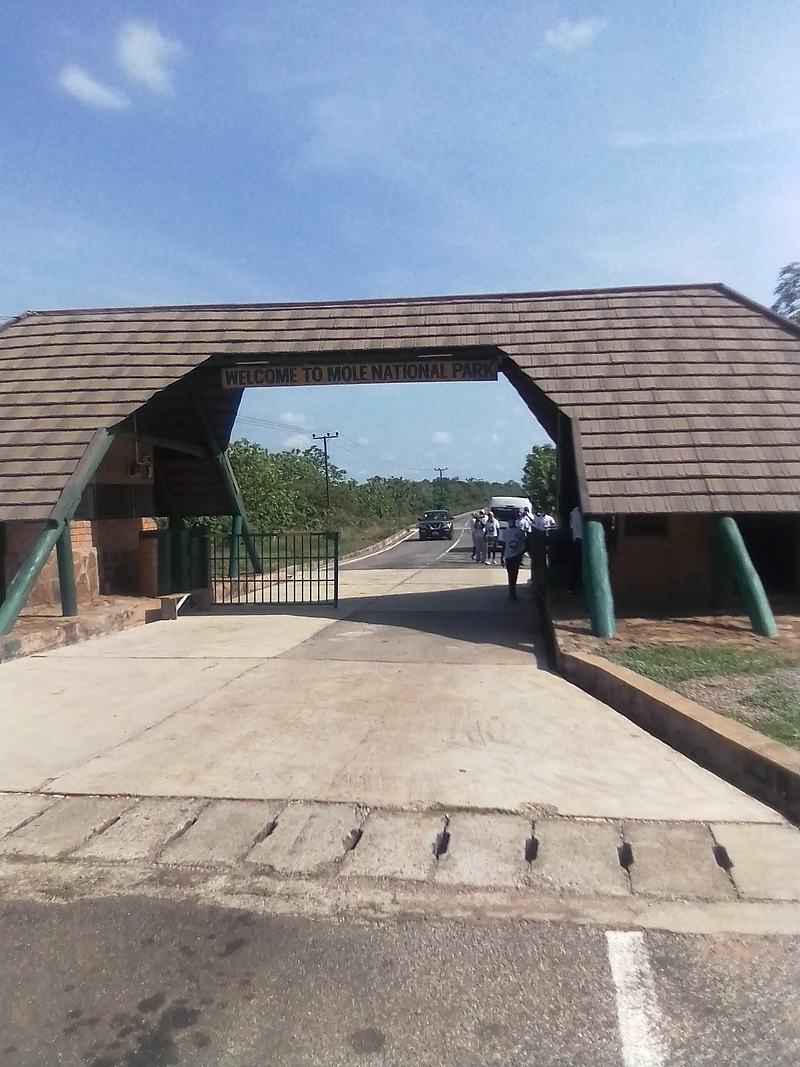
1.Mole National Park
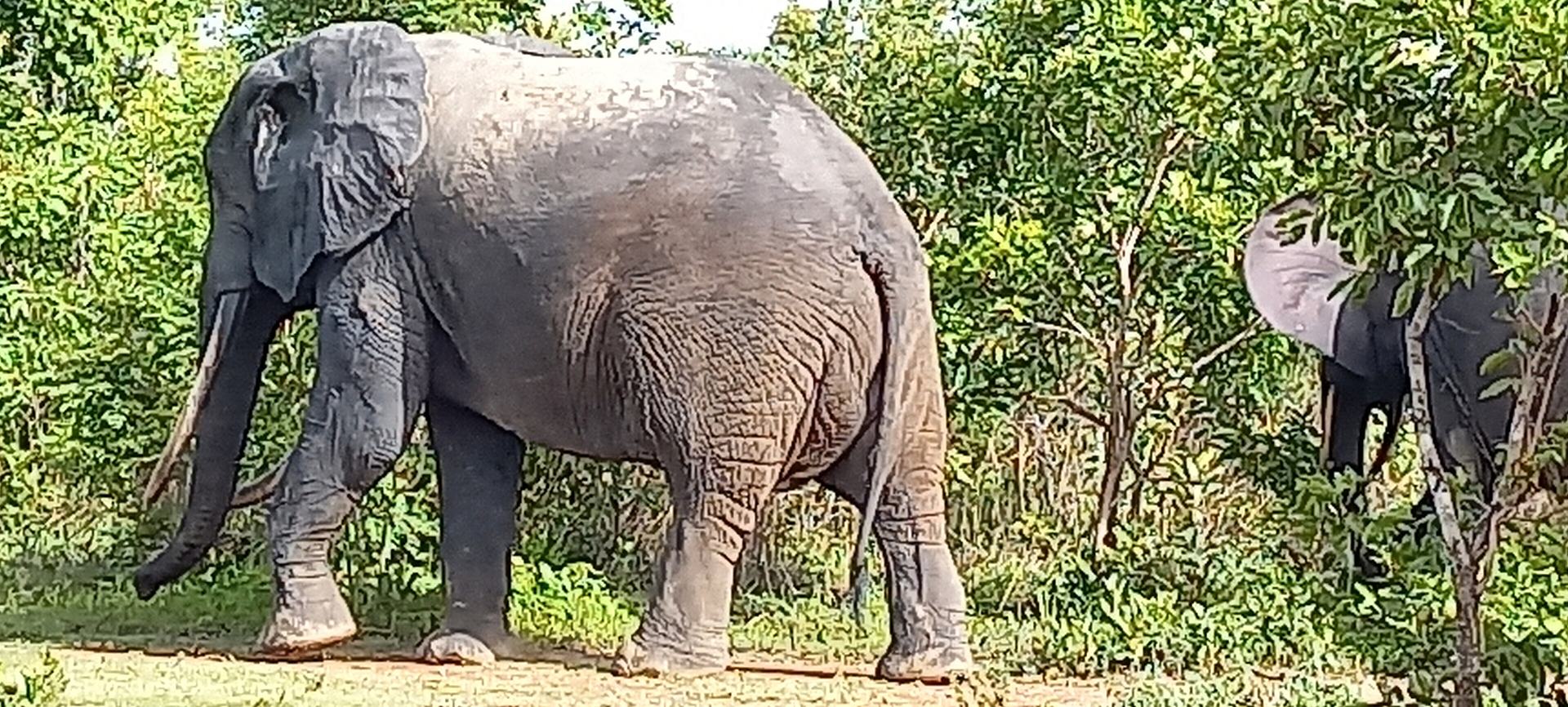
Ghana's first and largest national park, and the reason most travellers come north. Set aside as a wildlife refuge in 1958 and redesignated a national park in 1971, it holds over 90 mammal species — elephants, kob, roan, hartebeest, waterbuck, buffalo, warthog, baboons and several duikers — plus more than 300 bird species. Walking and driving safaris leave from the park headquarters, and the escarpment gives viewpoints over the plain.
Tip: Book a guided walking safari rather than going alone; early morning and late afternoon give the best light and the most wildlife.
-
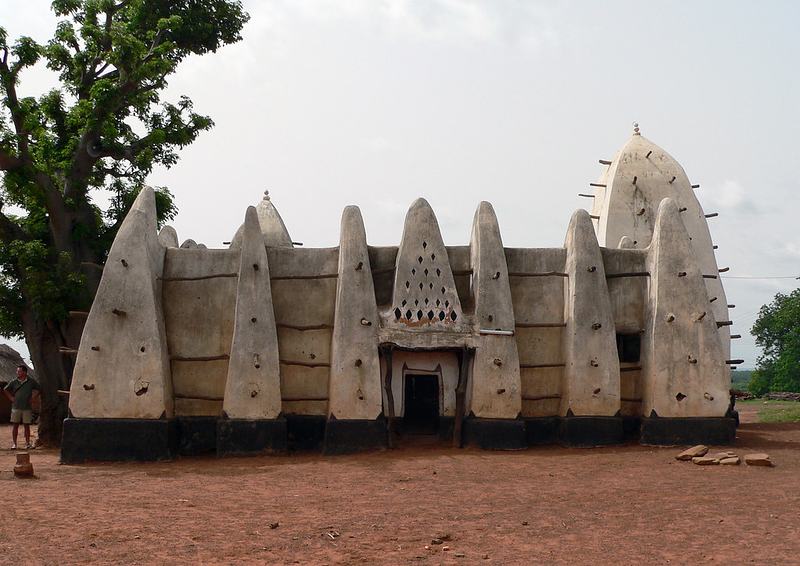
2.Larabanga Mosque
A small whitewashed adobe mosque in the village of Larabanga, four kilometres from the Mole entrance, and thought to be the oldest mosque in Ghana and one of the oldest in West Africa. Built in the Sudano-Sahelian style, it measures about eight metres square, with two pyramidal towers and twelve conical buttresses strengthened by horizontal timber poles. It has been restored several times, most recently in 2023, and remains an active place of prayer and pilgrimage.
Tip: Dress modestly and ask before entering or photographing; the community guides the site and a local guide will explain its history.
-
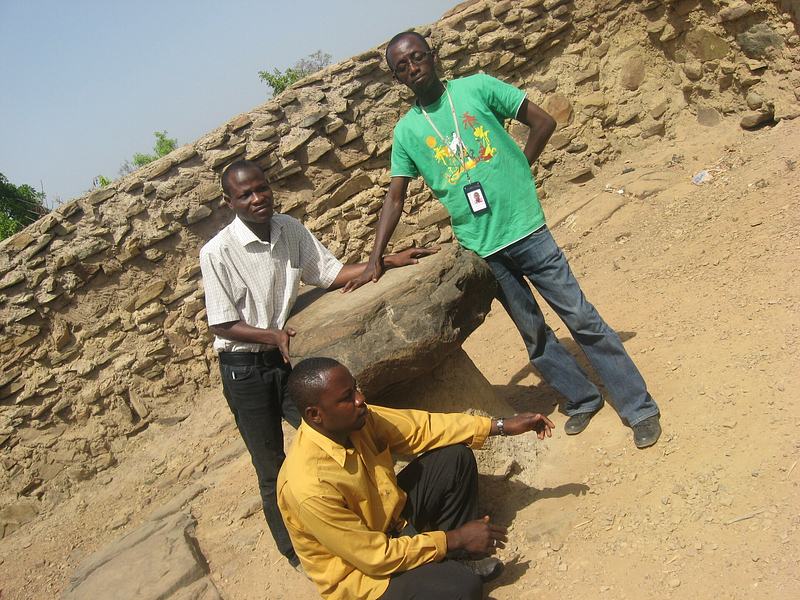
3.Larabanga Mystic Stone
A sacred rock on the edge of Larabanga, a short walk from the mosque, and inseparable from the village's story. Local tradition holds that the stone was moved during road construction but returned each time to its original position, and it is treated as a wish stone and a spiritual site. It is conserved and guided as a community tourist site, so a visit supports the village directly.
Tip: Go with a village guide and listen to the account in full before taking photographs; the story is the point of the visit.
-
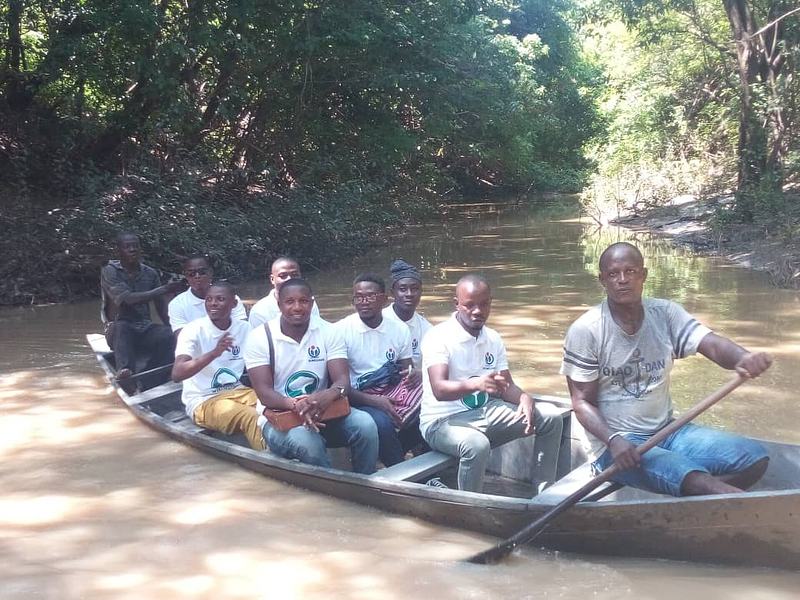
4.Mognori Eco Village
A community-run village on the edge of Mole National Park, about ten kilometres from the park's visitor centre, where tourism income stays with residents. Villagers offer guided walks through the settlement, canoe safaris on the Mole River where you may see monkeys, birds and crocodiles, and drumming and dancing performances. Village tours explain shea butter production and traditional medicine, and you can join everyday farming life.
Tip: Arrange your visit through the park or a local operator so the community is expecting you and the fee reaches the right people.
-
5.Mole Museum
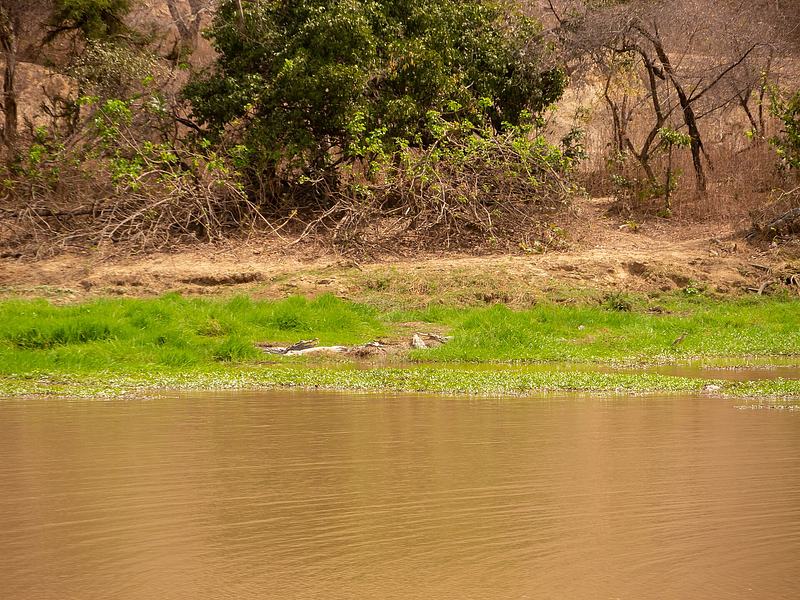
A compact two-room museum inside the park's Information Centre at headquarters, with a main exposition room and a multimedia room. It offers a clear, visual introduction to the biodiversity and ecology of Mole and its fringe communities — useful before a safari, when you can put names to what you are about to see. It is a modest but genuinely educational stop.
Tip: Visit before your first safari rather than after; the displays make the wildlife and habitats easier to read on the ground.
-
Attraction
6.Ndewura Jakpa Palace, Damongo
The traditional seat of the Yagbonwura, overlord of the Gonja Kingdom, in the heart of Damongo, the regional capital. Named after the Mande warrior and founder of Gonja, the palace was originally built at Nyange in the Sawla-Tuna-Kalba District and relocated to Damongo in 1942. It remains a centre of cultural activity and a symbol of the kingdom's governance, and guided visits are possible.
Tip: Ask permission and follow your guide's lead on where you may stand and photograph; this is a working palace, not a monument.
-
Attraction
7.Daboya smock weaving community
Daboya, capital of North Gonja District, is described by Visit Ghana as the most famous of Ghana's fugu weaving communities. Nearly all of the town's thousands of residents are involved in producing fugu, the hand-woven smock also called batakari. Like kente the cloth is hand-woven, but the strips are narrower and striped rather than geometrically patterned. A guided walk takes you through the whole process, from making dyes to dyeing, designing, weaving, joining strips and sewing.
Tip: Buy directly from the weavers; a custom smock can take a day or two, so order early in your stay if you want one made to measure.
-
Attraction
8.Daboya Indigo Dye Pits
The open-air vats where Daboya's indigo work begins. Resist-wrapped cotton yarn is dyed here in pits using natural indigo, and the resulting yarns are woven into fugu. The dye is known locally as baaba, and chemical dyes are kept out of the pits reserved for natural indigo, which produces the characteristic black, light blue and deep blue tones. Watching the dyers work is one of the most memorable craft experiences in northern Ghana.
Tip: Ask before photographing the dyers at work, and wear clothes you don't mind staining — indigo marks skin and fabric.
-
Attraction
9.Daboya Salt Ponds
Traditional salt-making grounds on the White Volta floodplain, where women scrape saline soil, filter water through it and sun-dry the result into salt. Daboya was for centuries the main source of salt for northern Ghana, and the work is still done by hand on the flats beside the river. It is a striking, photogenic landscape of shallow pools and white crusts, best seen in the dry season when extraction is in full swing.
Tip: Go early in the morning with a local guide to see the extraction, and ask permission before photographing the workers.
-
10.White Volta at Daboya
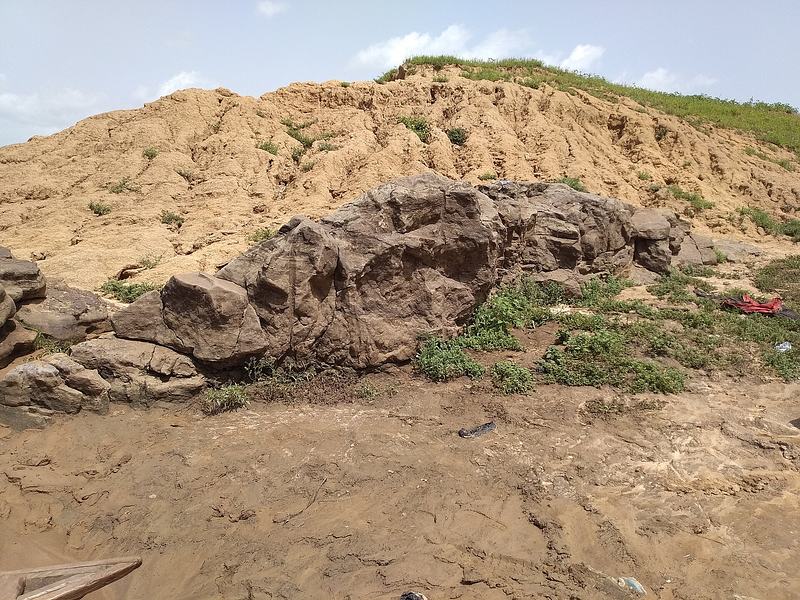
The stretch of the White Volta — known locally as Nakambe — flowing past Daboya is a landscape in its own right: a wide river with fishing canoes, birdlife and salt-harvesting beaches, framed by savannah and baobabs. Hand-made boats, paddled by villagers, run boat tours that take in the birdlife, a fishing demonstration with a hand-thrown net and a salt-harvesting beach. Even without a boat, the riverbank is worth an hour at dawn or dusk, when kingfishers, herons and weaver birds are active.
Tip: Do not swim in the river; currents are strong and there is a bilharzia risk. Keep to the boat and bring binoculars for the early-morning birdlife.
-
11.Salaga Slave Market site
An eighteenth-century slave market and heritage site in Salaga, inaugurated in July 2024 with an information office, slave wells and statues depicting how people were chained and handled for sale. Salaga was a key market where captives were exchanged for kola nuts, cowries and gold, and an outpost on the trans-Saharan routes as well as a source for the Atlantic trade. The site is now presented as a place of remembrance and learning.
Tip: Allow time to read and reflect rather than rushing through; a local guide will connect the market to the wells and cemetery nearby.
-
12.Salaga slave wells
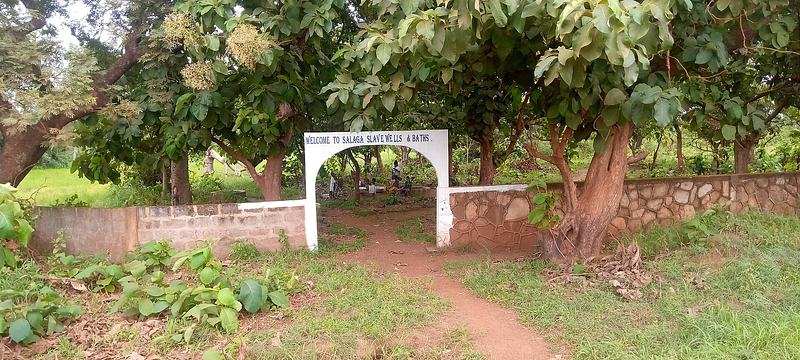
The wells that gave Salaga its reputation as a town of many wells are central to its slave-trade history. Oral tradition associates them with slave labour, though the water management system pre-dated the trade, and they were the cleansing point for captives arriving dusty from long treks before they were taken to market. The heritage site brings together the wells, statues and a museum, and the 2024 restoration was intended to turn the past into a place of healing.
Tip: Visit the wells and the market site together in one guided walk; the story only makes sense as a connected landscape.
-
Attraction
13.Wonkan Bawa (Slave Bathing Pond)
A pond and stream site in Salaga remembered as the bathing place where enslaved people were washed and cleansed before being offered for sale at the market. In oral tradition it is known as wanka bayu, and it forms part of the same heritage landscape as the wells and the market grounds. It is a quiet, unassuming place whose meaning lies entirely in what happened there.
Tip: Approach it as a memorial rather than a photo stop, and let your guide set the pace and the tone.
-
Attraction
14.Salaga Slave Cemetery
A mass grave and burial ground in Salaga for enslaved people who died during captivity or on the journey through the market. In tradition it was known as rafia angulu. It is the most sobering stop in the town, marking the human cost of a trade that moved thousands of people through this savannah crossroads. Visit it last, and quietly.
Tip: Go with a guide who can explain its place in the wider site, and avoid visiting in the heat of midday.
-
15.Salaga Slave Tree (Baobab)
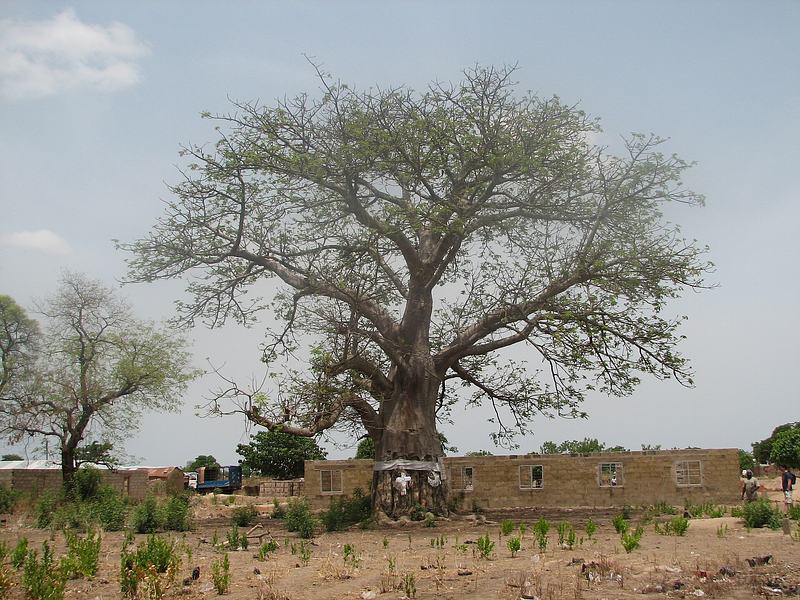
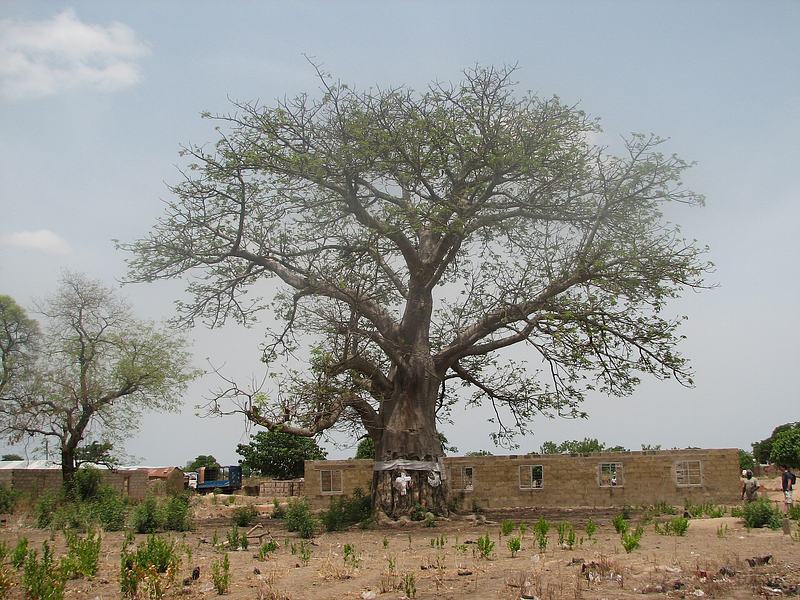
A baobab standing at the site of the former Salaga slave market, where enslaved people were reportedly chained and displayed for sale. The present tree is a replacement for the original, and the white calico cloth tied at the site marks its spiritual significance. It is a simple, powerful marker of where the market once operated, and it anchors the surrounding heritage site in a single living object.
Tip: Treat the cloth and the tree with respect; ask your guide about the customs observed at the site before approaching.
-
Attraction
16.Kpembe Wura's Palace
The working traditional palace and governance seat of the Kpembewura, paramount chief of the Kpembe Traditional Area, in Kpembe about a kilometre from Salaga. The Kpembewura is a key traditional authority within the Gonja Kingdom and vice-president of the Savannah Regional House of Chiefs, and the palace remains a centre of customary administration. A visit here, arranged respectfully, gives context to Salaga's history and to the chieftaincy that still governs the area.
Tip: Arrange your visit in advance through a local guide or the traditional council, and follow protocol on greetings and dress.


Plan your time
Suggested itinerary
Half a day: Larabanga and the park edge
Start early at Larabanga, four kilometres from the Mole entrance. Visit the Larabanga Mosque with a community guide, then walk to the Larabanga Mystic Stone and hear the story of its return. Drive into Mole National Park and spend an hour in the Mole Museum at the Information Centre to make sense of the ecology before a short late-afternoon drive or walk on the escarpment, when elephants often move towards water. Finish at Mognori Eco Village if time allows, for a village walk or a short canoe safari on the Mole River.
Larabanga Mosque→Larabanga Mystic Stone→Mole Museum→Mole National Park→Mognori Eco Village
One day: Mole in full
Give the whole day to the park. Take a morning walking safari from headquarters with an armed guide, then return for a rest during the heat of the day. In the afternoon, drive deeper into the park for a game drive, looking for kob, roan, hartebeest, waterbuck and buffalo, and keep an eye on the sky for the 300-plus bird species. If you have the appetite and the budget for a long excursion, ask the Information Centre about Polzen or Kparia waterfalls, though these need a full day and a 4x4 of their own.
Mole National Park→Mole Museum→Polzen Waterfalls→Kparia Waterfalls
Two days: Gonja country, craft and memory
Day one heads north and east to Daboya on the White Volta. Tour the weaving compounds to see fugu made from dye to finished smock, visit the indigo dye pits, then walk or take a villager-paddled boat to the salt ponds and the riverbank. Stay overnight in the area or return to Damongo. Day two turns to history: visit Ndewura Jakpa Palace in Damongo, then drive to Salaga for the slave market site, the slave wells, Wonkan Bawa and the slave cemetery, taking them slowly and in order. If arrangements can be made, add a respectful visit to the Kpembe Wura's Palace.
Daboya smock weaving community→Daboya Indigo Dye Pits→Daboya Salt Ponds→White Volta at Daboya→Ndewura Jakpa Palace (Jakpa Palace)→Salaga Slave Market site→Salaga slave wells→Wonkan Bawa (Slave Bathing Pond)→Salaga Slave Cemetery→Salaga Slave Tree (Baobab)→Kpembe Wura's Palace

Seasons and festivals
When to go
The Savannah Region is hot and dry for much of the year, and the timing of your visit changes what you see. The dry season runs from December to April and the wet season from about July to November, with average annual rainfall of 750 to 1,050mm. The harmattan wind blows from the Sahara between December and early February, bringing hazy skies and cooler nights — temperatures can range from around 14°C at night to 40°C by day, with the highest temperatures at the end of the dry season and the lowest in December and January. For Mole, the dry months concentrate wildlife around the remaining drinking holes. At Daboya, the dry season is when the river is low and salt extraction is most active, while the feeder road from Tamale can be difficult between July and September. The park's own guidance notes that buffalo sightings are common from May to September, and that other mammals are seen year-round.
- Damba Festival · Annually, with dates set by the lunar calendar, often around May
- A Gonja thanksgiving festival in which Islam and indigenous custom come together. It begins with special prayers led by the Yagbon Imam and other imams, who guide the Yagbonwura and his paramount chiefs through a series of prayers, followed by celebration. It is one of the great occasions of the Gonja Kingdom and a window onto the region's living chieftaincy.
- Emancipation Day at Salaga · July
- The 2024 Emancipation Day commemoration was the occasion for inaugurating the refurbished Salaga Slave Market and heritage site, part of an effort to turn the town's past into what officials described as a beacon of remembrance and healing. The event drew the Kpembewura's representative, the Ghana Tourism Authority and regional leaders.
Access
Getting there and around
Most travellers reach the Savannah Region through Tamale, the regional capital, which has the nearest airport (Tamale Airport, TML). From Tamale it is 146km south-east to Mole National Park, and the road between Tamale and the park is now paved, which has greatly reduced journey times. Mole lies 24km from Damongo, the district capital, and the park entrance is reached through the nearby town of Larabanga. By public transport from Tamale you can take a tro-tro towards Wa and ask to be dropped at Damongo or Larabanga, then continue by taxi or motorbike; from Larabanga you can even walk or cycle to the park in one to two hours if there is enough daylight. Mole is about 700km from Accra and 430km from Kumasi.
Daboya is reached via a feeder road off the Tamale–Buipe highway at Busunu junction, roughly 25km from the highway; there is no direct tro-tro, so you change at Busunu and continue by taxi or motorbike, and a 4WD is advisable in the rainy season. Salaga and Kpembe lie in the east of the region, in East Gonja Municipal District. Within the region, a private vehicle or a hired 4x4 with a driver is the most practical way to link Mole, Larabanga, Daboya and Salaga, and park-organised transport is required for the remote waterfall trips. In Daboya itself the town is small enough to walk, with motorbikes available for the salt sites and the river.
Good to know
Before you go
The Savannah Region is predominantly Muslim and traditional, so dress modestly, especially in Larabanga, Salaga and Kpembe, covering shoulders and knees. Always ask before photographing people, palaces, mosques or craft workers, and accept a refusal gracefully. At the Salaga heritage sites, the slave cemetery and Wonkan Bawa, treat the ground as a memorial: keep your voice low, avoid posing for pictures, and let a local guide set the pace. This is a hot, dry region — carry more water than you think you need, use sun protection, and plan strenuous activity for the early morning and late afternoon. Bring cash from Tamale or Damongo, as banking and mobile money are limited outside the towns, and buy a data bundle before you travel. Mobile coverage is patchy and power cuts are common, so pack a power bank and a torch. Do not swim in the White Volta or the park's rivers: currents are strong and there is a bilharzia risk. Arrange visits to working palaces and community sites in advance through a local guide.

FAQ
Questions travellers ask about Savannah
Where is the Savannah Region in Ghana?
It is in the north of the country, bordered by the Upper West, Northern and North East regions and by the Côte d'Ivoire border to the west. It is Ghana's largest region, created in 2018, with Damongo as its capital.
What is the best time to visit Mole National Park?
The dry season, roughly December to April, concentrates wildlife around the remaining drinking holes and makes travel easier. Buffalo sightings are common from May to September, and other mammals are seen year-round.
How do I get to Mole National Park?
Most people fly or travel to Tamale, then drive the now-paved road 146km south-east to the park. Mole is 24km from Damongo, and the entrance is reached through Larabanga; public transport runs to Damongo or Larabanga, from where you continue by taxi or motorbike.
Is the Larabanga Mosque the oldest in Ghana?
It is widely described as the oldest mosque in Ghana and one of the oldest in West Africa, founded in 1421 and built in the Sudano-Sahelian style. It has been restored several times, most recently in 2023, and remains an active place of worship.
What can I see at Salaga's slave heritage sites?
The heritage site includes an information office, the slave wells and statues showing how people were chained and handled for sale. Nearby are the slave market grounds, the slave tree, the bathing pond known as Wonkan Bawa and the slave cemetery.
What is Daboya known for?
Daboya is known for fugu (smock) weaving, natural indigo dyeing and traditional salt-making on the White Volta floodplain. Visit Ghana describes it as the most famous of Ghana's fugu weaving communities, and boat trips on the river are also offered.
Can I visit the waterfalls inside Mole National Park?
Yes, but they are remote. Polzen and Kparia waterfalls are reached on long, park-organised 4x4 trips, with Kparia requiring a two-day tour from the Information Centre. Arrange them in advance and treat them as expeditions rather than casual stops.
In pictures
Savannah in pictures
Sources for this guide (12)
- Mole National Park – Visit Ghana
- Daboya fugu Weaving Village – Visit Ghana
- Mole National Park – Wikipedia
- Larabanga Mosque – Wikipedia
- Salaga Slave Market – Wikipedia
- Gonja people – Wikipedia
- Savannah Region – Wikipedia
- History of the Gonjas – Mole National Park
- Archaeology and Architecture of the Fringe Communities – Mole National Park
- Mole Museum – Mole National Park
- Salaga slave market, heritage site inaugurated – Graphic Online
- Daboya – Wikivoyage
Written September 29, 2026 from these sources and reviewed by the VisitGhana.app team. Confirm practical details locally before travelling.


