
A capital built under a Kum tree
Kumasi takes its name from the Kum tree. Oral traditions differ on the details, but most agree the city emerged as the capital of the Ashanti Empire in the late seventeenth century under Osei Kofi Tutu I, and that the site was chosen with the counsel of Okomfo Anokye, the priest who features in so much of Asante origin story. Legend holds that it was here Anokye received the Golden Stool, the embodiment of the soul of the Asante nation. The city grew into a place nineteenth-century European visitors described with surprise: clean, straight, named streets, wards given over to goldsmiths and umbrella makers, public sanitation that one British account admitted was never offensive. It was sacked by the Aowin in 1718–19 and beaten back by Asantehene Opoku Ware I; it was ransacked by the British in 1874 and again in 1895–96, its royal residence burned. Ashanti became a British Crown Colony in 1901, and the city was rebuilt with railways, hospitals and schools. In the mid-twentieth century it was known as the Garden City of West Africa. The name stuck in memory even as the green belts were built over.

A court that never quite left
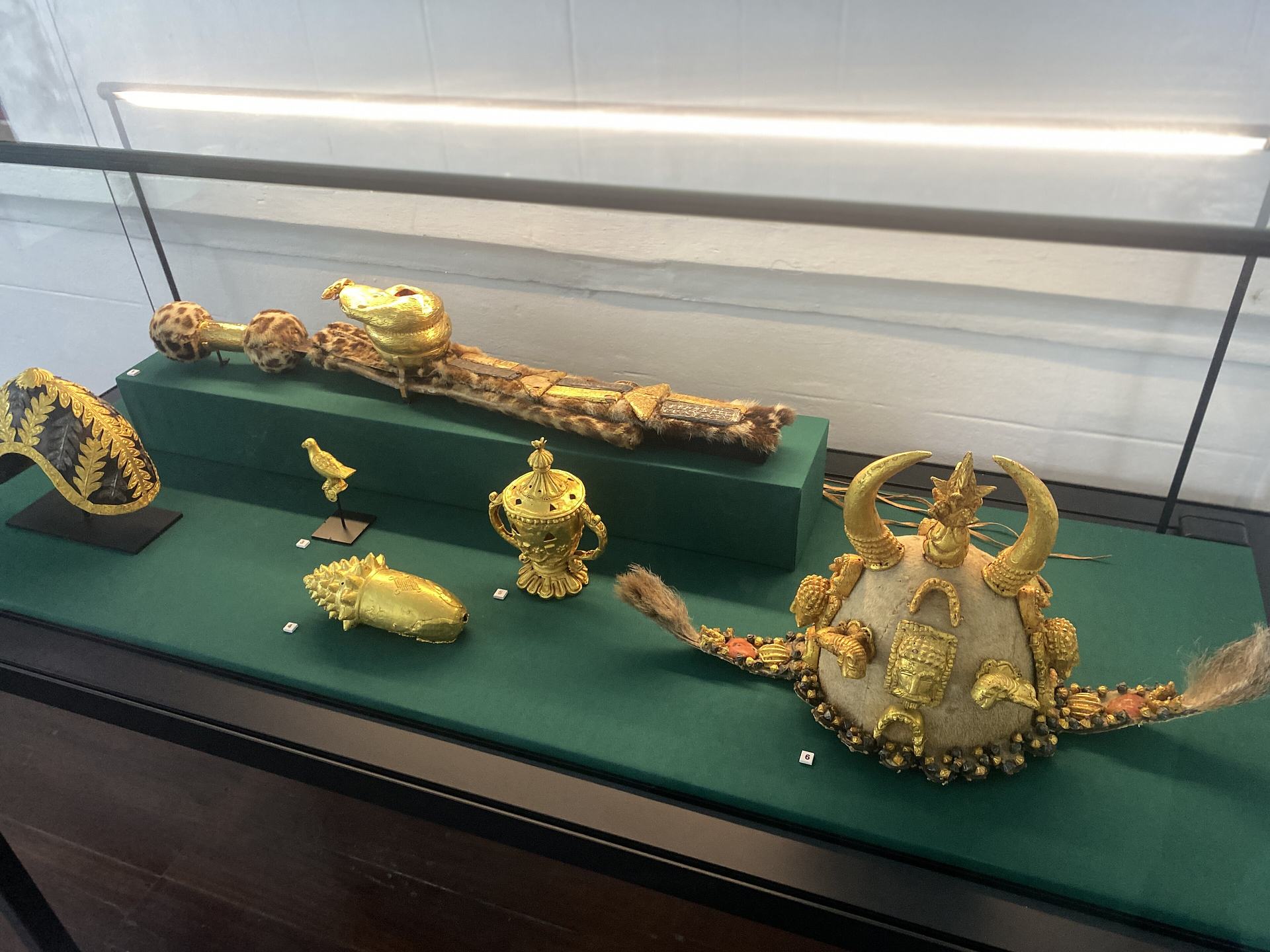
What makes Kumasi unusual is that the monarchy was never abolished, only interrupted. Prempeh I was exiled by the British for decades, first in Freetown and then in the Seychelles, and returned in 1926 to a city vested with ceremonial control over the Ashanti sub-states; the full role of king was restored by the colonial administration in 1935. The palace built for him in 1925 is now the Manhyia Palace Museum, opened in 1995, holding the personal effects and effigies of the last four Asantehenes and Asantehemaa, royal regalia, state swords and archival photographs. In 2024 the museum staged a Homecoming exhibition that brought back Asante royal artefacts looted in 1874 and 1897, lent by the Fowler Museum, the British Museum and the Victoria and Albert Museum, and it has since received permanent returns. The Asantehene still holds court at Manhyia, and on Akwasidae the courtyard fills with sub-chiefs, drummers and citizens in a durbar that anyone may watch.

Forest, market and the shape of the city
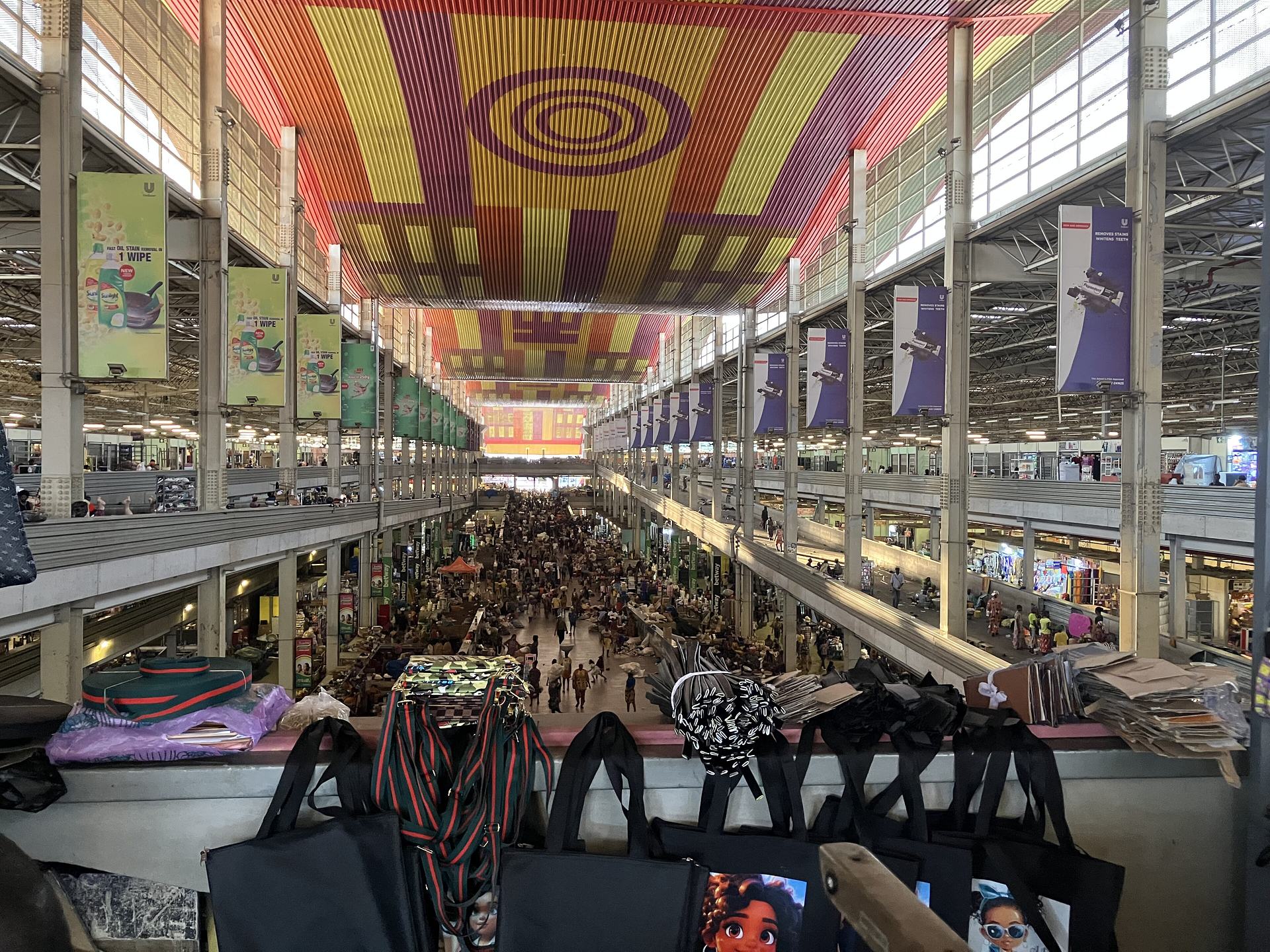
Kumasi lies on a ridge rising from the marshes of the Nsuben rivers, between 250 and 300 metres above sea level, in a tropical savanna climate with two rainy seasons: a major one from March to July and a minor one from September to November. Annual rainfall is around 1,200 millimetres, and monthly averages hover near 31°C by day and 22°C at night. The metropolitan area covers about 214 square kilometres and borders Kwabre East and Afigya Kwabre North to the north, Atwima Kwanwa and Atwima Nwabiagya to the west, Ejisu and Asokore Mampong to the east, and Bosomtwe to the south. In 1945 Maxwell Fry and Jane Drew drew up the city's first development plan on Garden City principles, with green belts and parks; much of that green space has since been converted to housing. The city's commercial heart is Kejetia, where a market established in 1924 now holds more than 8,000 stores and stalls and draws tens of thousands of people a day. Around it sit the fort, the cultural centre, the zoo and the hospital on its hill, all within walking distance of one another.

What to do
Things to do in Kumasi
-
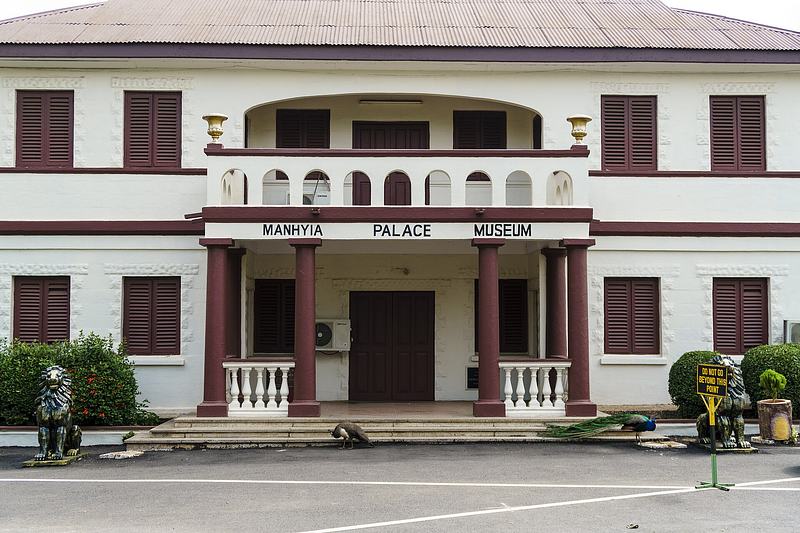
1.Manhyia Palace Museum
The old palace, built in 1925 for the returning Asantehene Prempeh I, opened as a museum in 1995 and remains the most direct way into the Asante story. Its rooms hold the personal effects and effigies of the last four Asantehenes and Asantehemaa, royal regalia, state swords, ceremonial objects and rare archival photographs, arranged to explain chieftaincy, diplomacy and military organisation. The 2024 Homecoming exhibition, which returned looted royal artefacts from British and American museums, made it one of the most talked-about restitution stories in Africa.
Tip: Read a little about the Anglo-Asante wars before you arrive; the labels assume some background and the guides are generous with detail if you ask.
-
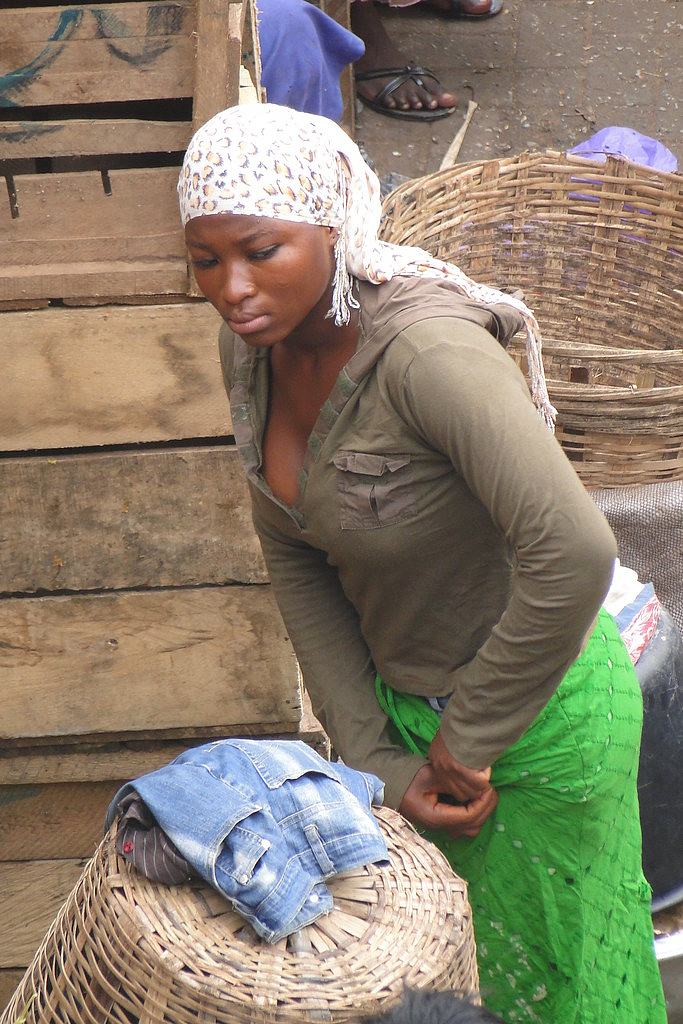
2.Kejetia Market
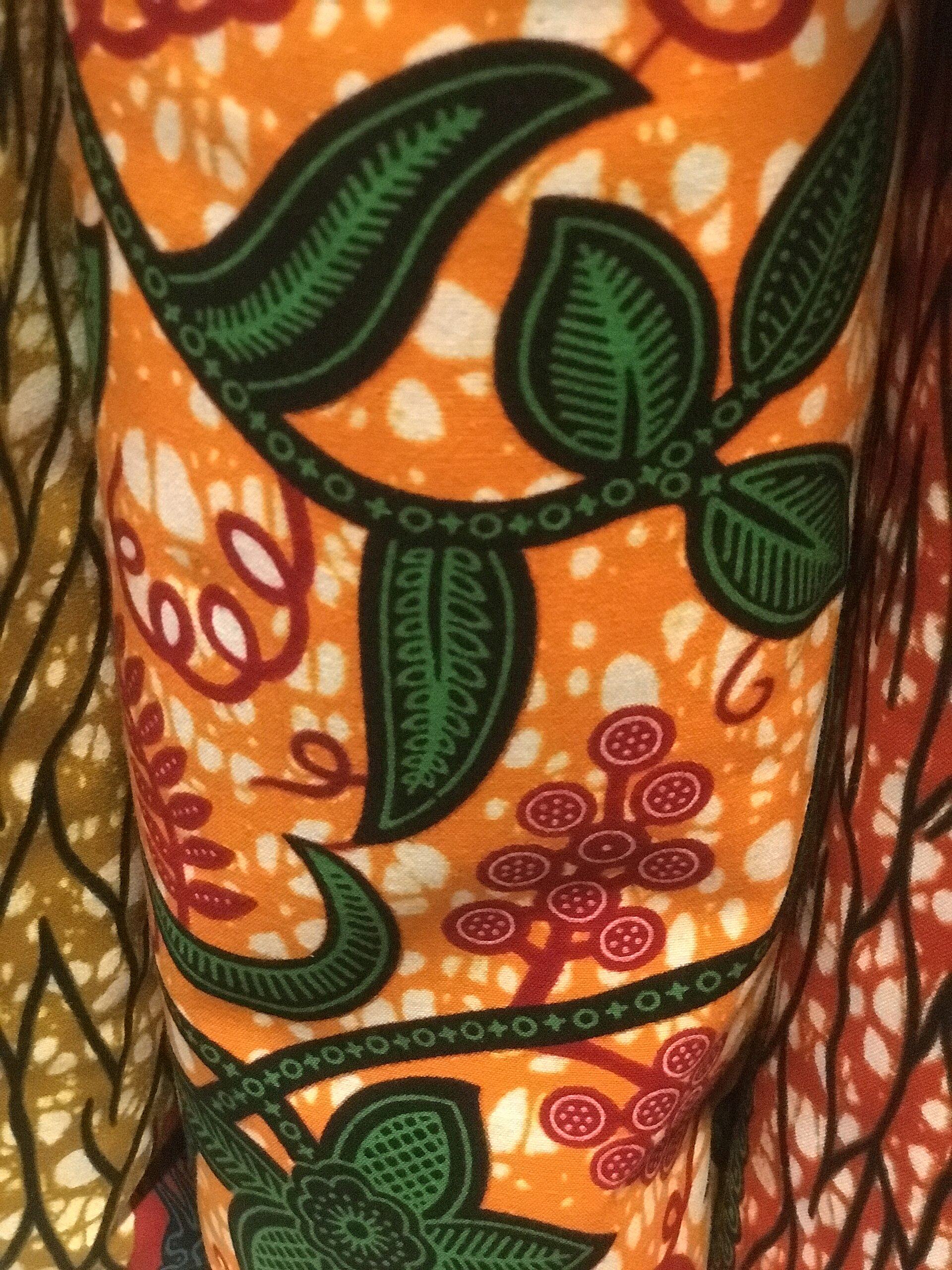
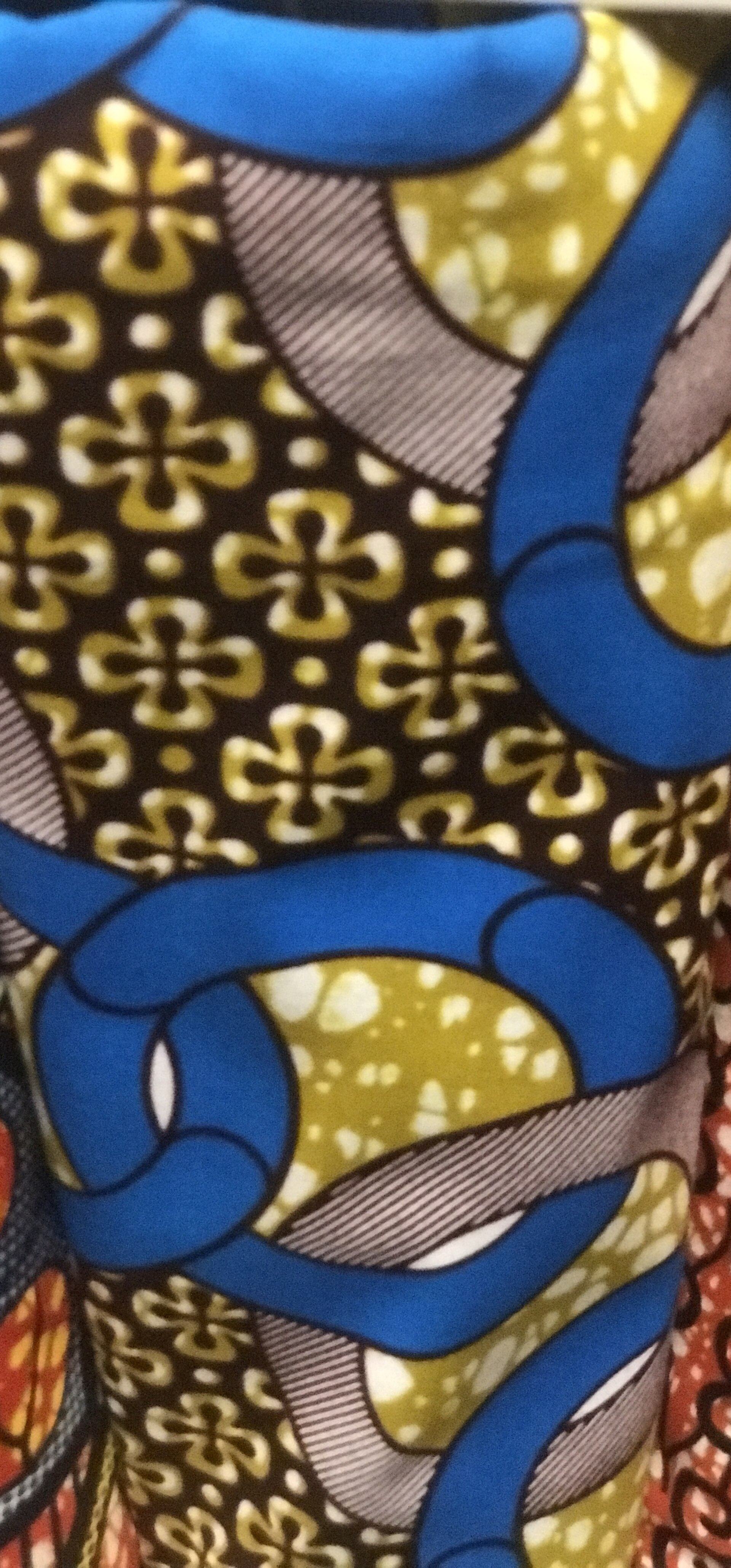
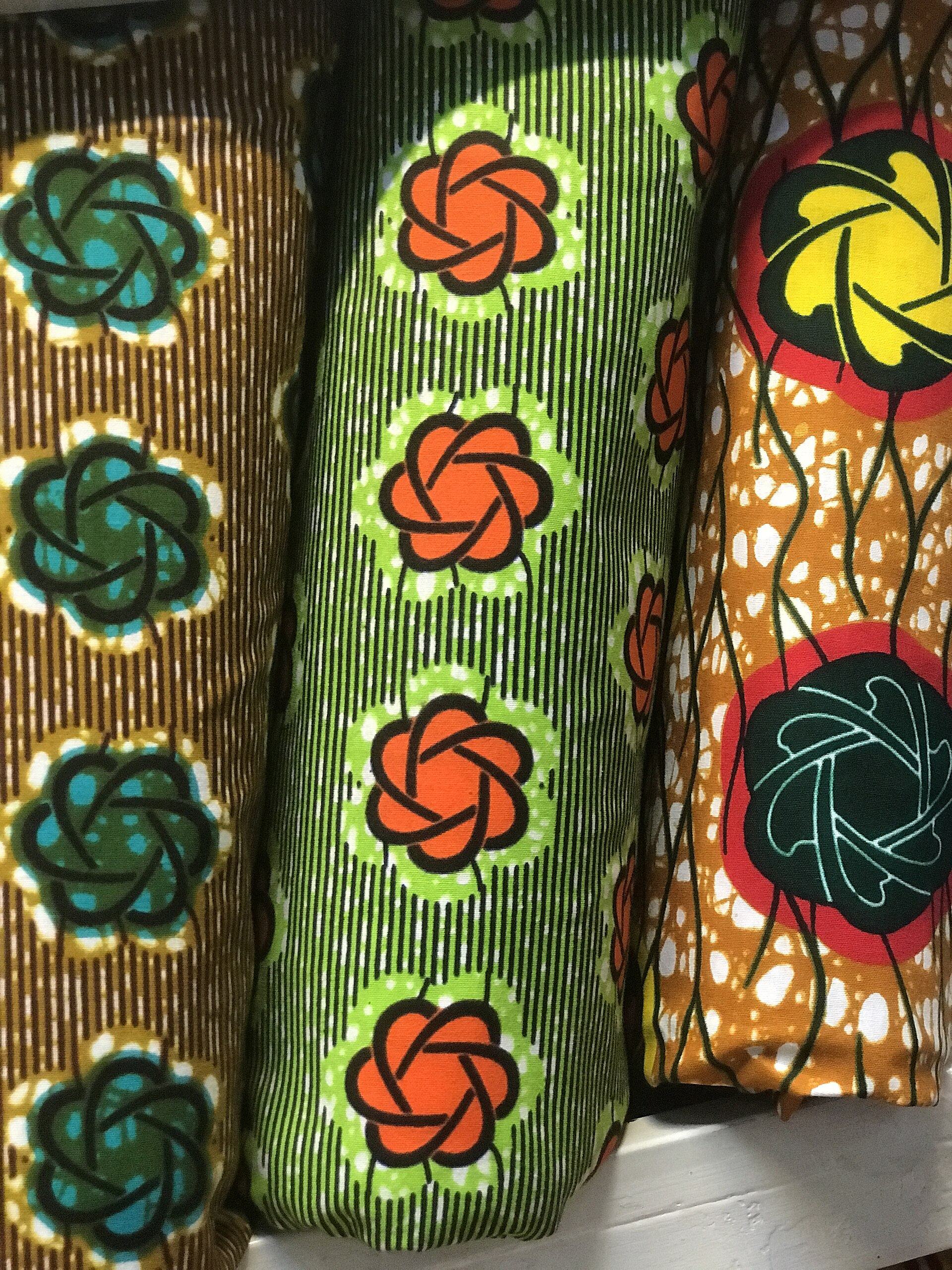
Kumasi Central Market, universally called Kejetia, opened in 1924 and is the largest single market in West Africa, with more than 8,000 stores and stalls and around 20,000 vendors. It trades Monday to Saturday and is a working city rather than a sight: cloth, food, hardware, beads, sandals, everything. The redeveloped halls are easier to navigate than the older lanes, but the point is to get lost a little. Go with a purpose, buy something small, and let the scale of the place settle on you.
Tip: Wear closed shoes and keep bags in front of you; mornings are cooler and less frantic than the afternoon crush.
-
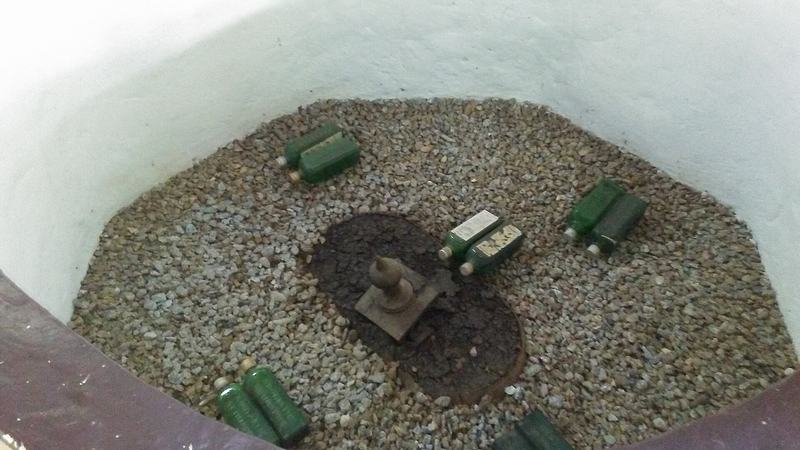
3.Okomfo Anokye Sword Site
On the grounds of the Komfo Anokye Teaching Hospital, a sword said to have been driven into the ground by the priest Okomfo Anokye in the 1690s still stands wedged in the rock. Tradition holds that it cannot be removed and that the Asante state would fall if it were. The site is also where the Golden Stool is said to have descended to Osei Tutu I. It is a quiet, protected place, and the curators tell the story of the kingdom's founding with real conviction.
Tip: It sits inside a working hospital, so keep voices low and follow your guide's lead on where to stand.
-
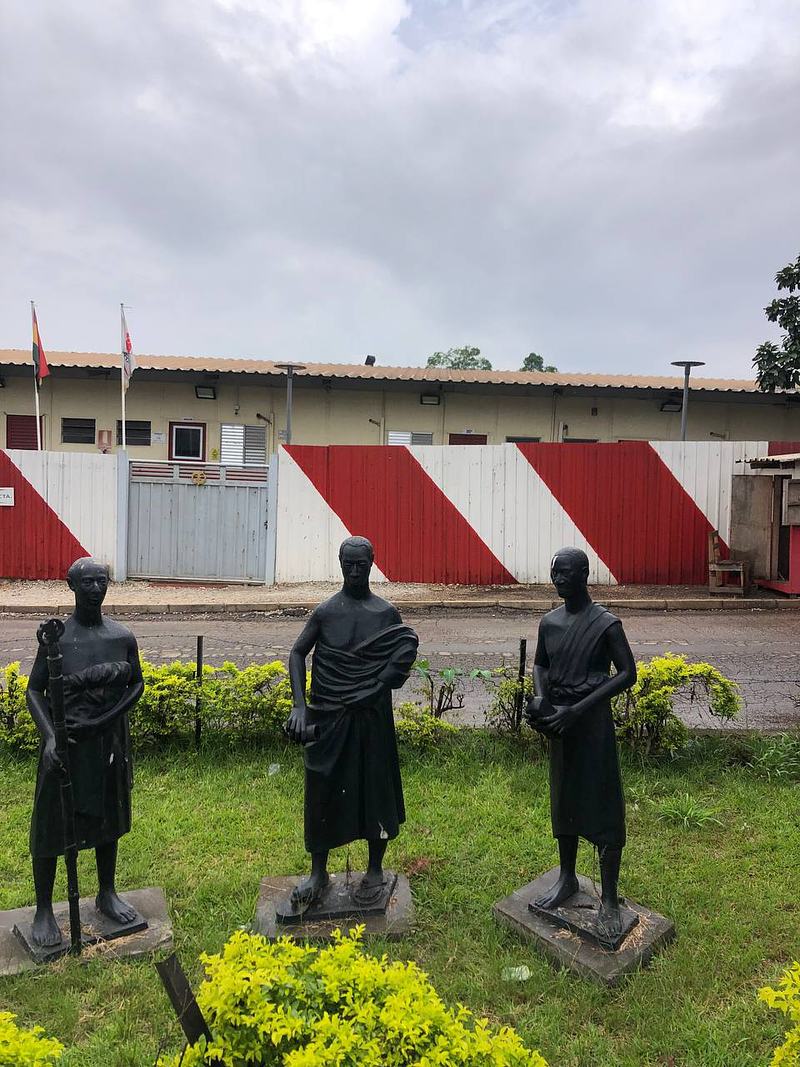
4.Centre for National Culture
Established in 1956 as the Asante Cultural Centre, this is where Kumasi's crafts are made and sold rather than merely displayed. You can watch artisans carving wood, throwing pots, weaving kente, working leather and stamping Adinkra cloth, then buy directly from them. The centre also houses the Prempeh II Jubilee Museum, established in 1954 and named for the Asantehene whose artefacts it holds, along with a gallery and a crafts shop. It is the best single stop for anyone wanting to understand Asante material culture.
Tip: Ask before photographing artisans at work, and take your time over prices; this is a place to talk, not to rush.
-
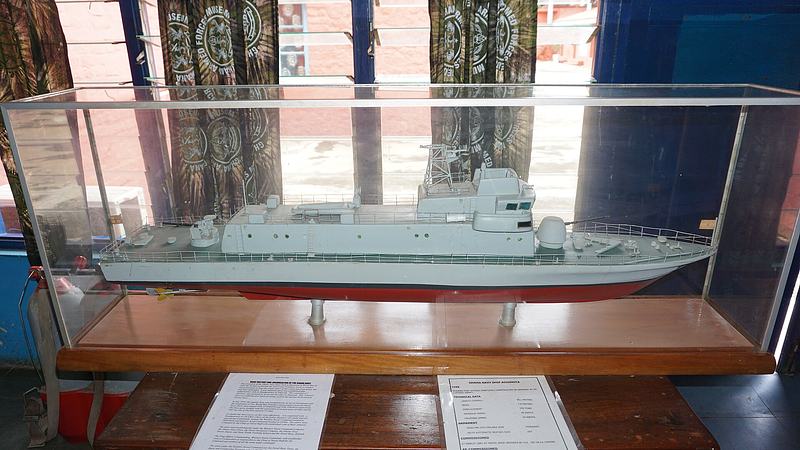
5.Kumasi Fort and Military Museum
Built in 1820 by Asantehene Osei Tutu Kwamina to resemble the European coastal forts, destroyed by British forces in 1874 and rebuilt in 1897 with granite and soil carried from Cape Coast, this fort became the setting for one of the most famous episodes in Asante history: the 1900 rebellion led by Yaa Asantewaa, Queen Mother of Ejisu, during which 29 Britons were besieged inside for weeks. Converted into a museum in 1952–53, it now traces the Gold Coast Regiment's evolution into the Ghana Armed Forces through weapons, medals, armoured cars, anti-aircraft guns and photographs.
Tip: The British Military Cemetery, with graves of casualties of the Yaa Asantewaa War, is about 200 metres to the northwest and worth the short walk.
-
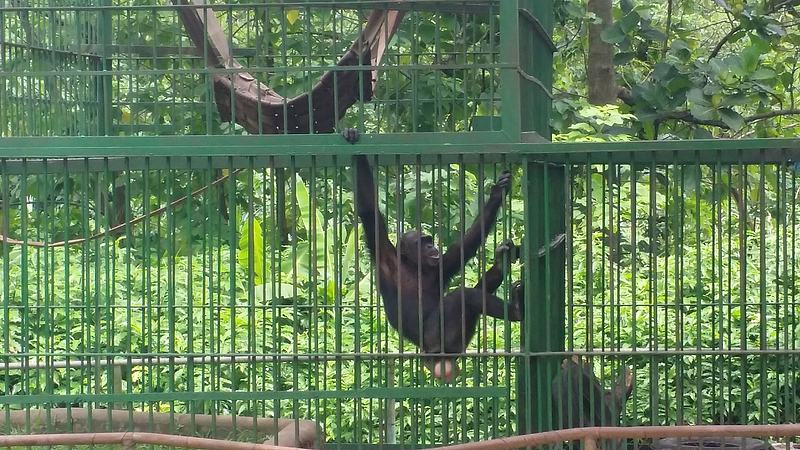
6.Kumasi Zoo
Established in 1951 and opened in 1957 by the Asanteman Council to conserve and display Ghana's indigenous wildlife, the zoo occupies a large green site in the middle of the city, between the Kejetia bus terminal, the old race course and the cultural centre. It holds around 40 species and more than 135 individual animals, and is known for the thousands of bats that roost in its trees. It is managed by the Wildlife Division of the Forestry Commission. Facilities are basic and in need of repair, so come for the bats, the shade and a sense of the city's older garden-city ambitions.
Tip: Treat it as a green pause between the market and the museums rather than a full afternoon out.
-
7.Akwasidae at Manhyia
Every six weeks, on a Sunday, the Asantehene holds court at Manhyia for Akwasidae, a festival of ancestor commemoration that falls nine times a year on the Akan calendar. The king processes in a palanquin adorned with gold, the Golden Stool is displayed, and drummers, horn-blowers, dancers and singers fill the palace grounds while sub-chiefs and citizens pay homage. Offerings of eto, mashed yam garnished with hard-boiled eggs, are made. The last Akwasidae of the year, Adae Kese, is the largest and centres on the cleansing of the Golden Stool.
Tip: Check the Akwasidae calendar before booking; the dates move with the Akan calendar rather than the Gregorian one, and dress respectfully.


Plan your time
Suggested itinerary
Half a day: the historic core
Start at the Manhyia Palace Museum in the morning, when the rooms are cool and the guides have time. Walk or take a short taxi to the Okomfo Anokye Sword Site on the hospital grounds, then finish at the Centre for National Culture, where you can watch crafts being made and pick up something small. If you have energy left, the Kumasi Fort and Military Museum is close by and takes about an hour.
Manhyia Palace Museum→Okomfo Anokye Sword Site→Centre for National Culture, Kumasi→Kumasi Fort and Military Museum
One day: court, market and city
Begin at Manhyia Palace Museum, then move to the Okomfo Anokye Sword Site. After lunch, give Kejetia Market a couple of hours; go in with a guide or a clear idea of what you want to buy. Come out via the Kumasi Zoo for shade and the bats, then end at the Centre for National Culture before it closes, buying crafts directly from the artisans who made them.
Manhyia Palace Museum→Okomfo Anokye Sword Site→Kejetia Market→Kumasi Zoo→Centre for National Culture, Kumasi
Two days: add the fort and a festival
Day one as above, but slow it down: spend the morning at Manhyia and the sword site, the afternoon at Kejetia and the cultural centre. On day two, start at the Kumasi Fort and Military Museum and walk to the British Military Cemetery nearby, then use the afternoon for the zoo and the parks around Baba Yara Stadium. If your dates fall on an Akwasidae Sunday, build the whole day around the durbar at Manhyia instead.
Manhyia Palace Museum→Okomfo Anokye Sword Site→Kejetia Market→Centre for National Culture, Kumasi→Kumasi Fort and Military Museum→Kumasi Zoo


Seasons and festivals
When to go
Kumasi has a tropical savanna climate with two rainy seasons: the major one from March to July and a minor one from September to November. Annual rainfall is around 1,200 millimetres and humidity ranges from about 53 to 93 per cent. Daytime temperatures average near 31°C and nights near 22°C, though February can be punishingly hot; the city recorded 40.1°C on 15 February 2024. The drier stretches between the rains, particularly December to February and the shorter break in August, are the most comfortable for walking between the market, the museums and the fort. If you can, time a visit to an Akwasidae Sunday, when the Asantehene holds court at Manhyia.
- Akwasidae · Every six weeks, on a Sunday; nine times a year
- A festival of ancestor commemoration held on the final Sunday of each period of the Akan calendar. The Asantehene meets his subjects and sub-chiefs in the courtyard of Manhyia Palace, the Golden Stool is displayed, and the king processes in a gold-adorned palanquin before a durbar with drumming, dancing, horn-blowers and singers. Offerings of eto, mashed yam with hard-boiled eggs, are made.
- Adae Kese · The last Akwasidae of the year
- The largest of the Adae festivals, coinciding with the final Akwasidae of the year and centred on the cleansing of the Golden Stool. Special attention is given to food offerings and donations for helping people.
Access
Getting there and around
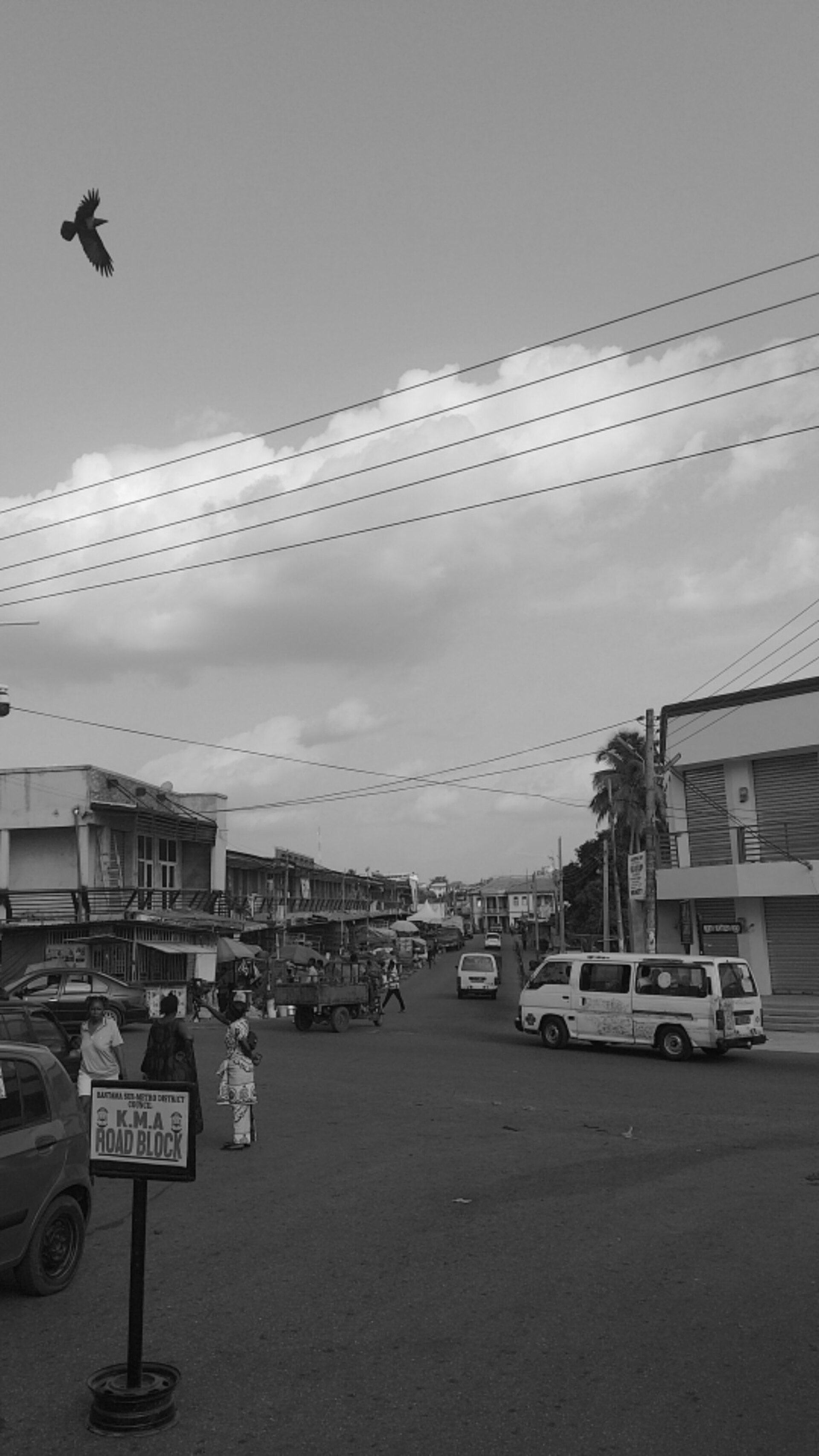
Kumasi is the capital of the Ashanti Region and Ghana's second city, roughly 200 kilometres north of the Gulf of Guinea and about 500 kilometres north of the Equator. It is served by road and rail, and the city's own airport connects it to other parts of Ghana. Within the Kumasi Metropolitan Area, the historic sights cluster tightly: the Ghana Museums and Monuments Board notes that the Prempeh Museum, the Kumasi Cultural Centre, the Kumasi Zoo and Kumasi Central Market are all within walking distance of the Kumasi Fort. Shared taxis and tro-tros cover the rest of the city, and the Kejetia bus terminal sits beside the market and the zoo. Distances are short but traffic is heavy, so allow more time than the map suggests.
Good to know
Before you go
Kumasi is a working city with a living royal court, so a little formality goes a long way. Dress modestly, especially around Manhyia and the sword site, and ask before photographing people, palaces or ceremonies; some sacred sites do not permit it at all. The Okomfo Anokye Sword Site sits inside a functioning hospital, so keep quiet and stay with your guide. In Kejetia, wear closed shoes, carry bags in front of you and keep valuables out of sight; the market is safe but overwhelming, and a local guide is money well spent. Carry cash for crafts and small purchases, drink bottled or treated water, and use repellent in the evenings. Learn a few Twi greetings; they are warmly received. Finally, check the Akwasidae calendar before you book, because the festival dates move with the Akan calendar rather than the Gregorian one.


FAQ
Questions travellers ask about Kumasi
What is Kumasi known for?
Kumasi is the historic capital of the Ashanti Empire and the seat of the Asantehene, the king of Asanteman. It is known for the Manhyia Palace Museum, the Kejetia (Central) Market, the Okomfo Anokye Sword Site and the Akwasidae festival, and it is the capital of Ghana's Ashanti Region.
How do I get to Kumasi?
Kumasi is about 200 kilometres inland from the Gulf of Guinea and is reached by road, rail and air from elsewhere in Ghana. Once in the city, the main historic sights sit close together and can be walked between, with shared taxis and tro-tros for longer hops.
When is the Akwasidae festival held?
Akwasidae is celebrated on a Sunday once every six weeks, nine times a year, on the Akan calendar. The Asantehene holds a durbar at Manhyia Palace, the Golden Stool is displayed, and the king processes in a gold-adorned palanquin. The last one of the year, Adae Kese, is the largest.
Is Kejetia Market the largest market in West Africa?
Kejetia, also called Kumasi Central Market, has more than 8,000 stores and stalls and is described as the largest single market in West Africa. Around 20,000 vendors work there and roughly 50,000 people visit daily. It trades Monday to Saturday.
What is the best time of year to visit Kumasi?
The drier stretches between the rains, roughly December to February and the shorter break in August, are the most comfortable for walking. Kumasi has a major rainy season from March to July and a minor one from September to November, with daytime temperatures averaging near 31°C.
What can I see at the Manhyia Palace Museum?
The museum occupies the palace built in 1925 for Prempeh I and opened as a museum in 1995. It holds the personal effects and effigies of the last four Asantehenes and Asantehemaa, royal regalia, state swords, ceremonial objects and archival photographs, and in 2024 hosted a Homecoming exhibition of looted Asante artefacts returned on loan from British and American museums.
What is the Okomfo Anokye Sword Site?
It is a sacred Asante landmark on the grounds of the Komfo Anokye Teaching Hospital, centred on a sword said to have been planted by the priest Okomfo Anokye in the 1690s. Tradition holds that it cannot be removed and that the Asante state would fall if it were. The site is also where the Golden Stool is said to have descended to Osei Tutu I.
In pictures
Kumasi in pictures

Keep exploring
More destination guides
Sources for this guide (11)
- Kumasi — Wikipedia
- History of Kumasi — Wikipedia
- History of Manhyia Palace Museum — Manhyia Palace
- Kejetia Market — Wikipedia
- Akwasidae Festival — Wikipedia
- Prempeh II Jubilee Museum — Wikipedia
- Prempeh II Jubilee Museum & National Cultural Center — Herit360
- Kumasi Fort and Military Museum — Ghana Museums and Monuments Board
- Kumasi Fort and Military Museum — This Is Kumasi
- Okomfo Anokye Sword Site — GhanaPortals
- Kumasi Zoo — Wikipedia
Written September 29, 2026 from these sources and reviewed by the VisitGhana.app team. Confirm practical details locally before travelling.