
The spider, the hunters and the first cloth
Akan oral tradition gives Bonwire the origin of kente. In the middle of the 17th century, two brothers from the town — Kuragu and Ameyaw, hunters by profession — are said to have studied how a spider spun its web in the forest, then experimented until they produced a fabric known in Asante-Twi as nwin-ntom, "woven cloth". They took their discovery to the chief of Bonwire, Nana Bobie Ansah, who in turn presented it to the Asantehene, Otumfuo Osei Tutu I. The king adopted it as a royal art, and the first cloth made was called Gagamuga. A later, improved version resembled the surface of a basket — kenten in Asante-Twi — and the name Kenten-Nwin-Ntoma, "woven-basket-cloth", was shortened over time to kente. In 1721 the Asantehene Okatakyie Opoku Ware I is said to have created a Kente stool for the two brothers in recognition of the invention. The story is legend, not documented record, and other accounts trace weaving influences from the Gyaman region; what is not in doubt is that Bonwire has been a centre of the craft for centuries, and that the Asantehene's kente is, by custom, made here through the town's kente chiefs.

A craft the world now recognises
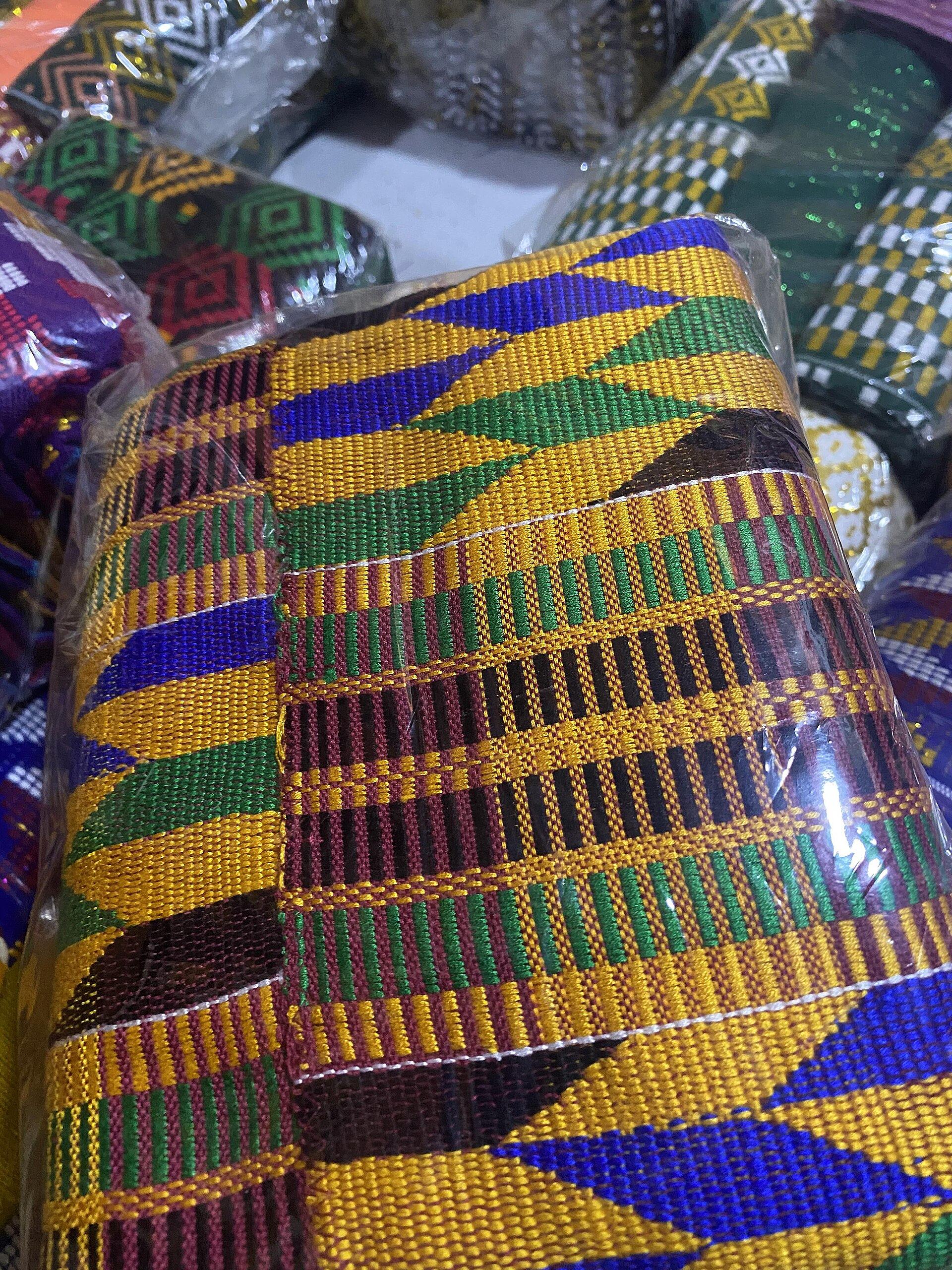
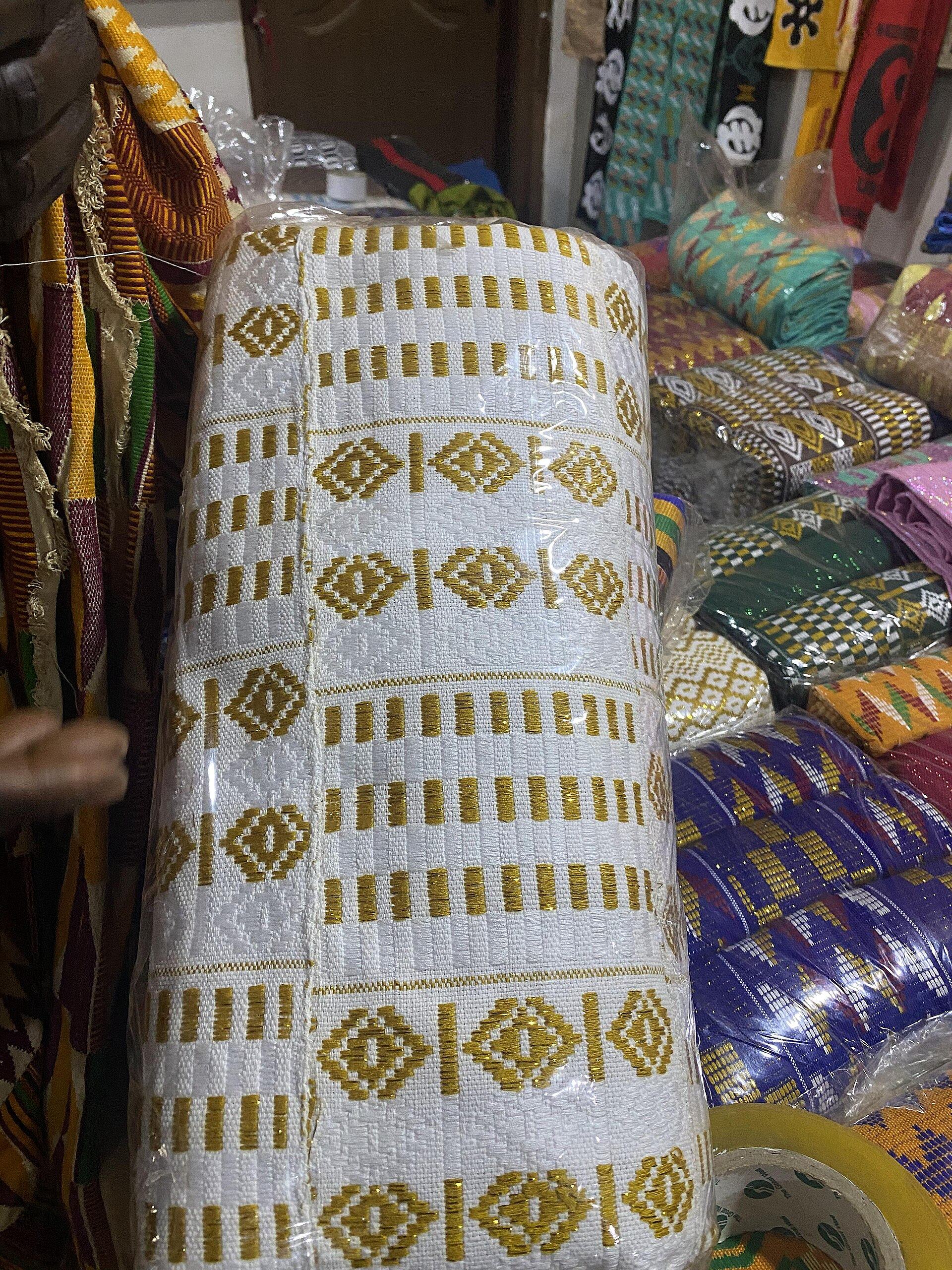
Kente is a fabric of narrow strips woven from silk, cotton or rayon on horizontal looms, then sewn together into larger cloths. Its colours and designs are chosen according to the age, social status and gender of the wearer, and finished pieces are named after proverbs, sayings and social situations. In December 2024, UNESCO inscribed the "Craftsmanship of traditional woven textile Kente" on its Representative List of the Intangible Cultural Heritage of Humanity — Ghana's first inscription on that list. The UNESCO file notes that the knowledge is passed on within families, through apprenticeships with master weavers, and through schools and universities, and that each community of producers is led by a chief weaver who regulates standards and settles disputes. Both women and men take part in production. For visitors, that structure is visible on the ground: the weavers you meet are part of an organised, self-regulating trade, not a loose collection of stalls.

The town today: museum, palace and looms
Bonwire is a town of roughly ten thousand people, and kente is its livelihood. In January 2024 a new Kente Museum was inaugurated at Bonwire, an initiative of the Ministry of Tourism, Arts and Culture, co-located with the long-established Bonwire Kente Village that has served as the hub for weaving and sales. The museum's exterior is decorated with Adinkra symbols, and inside there is a reception, an audio-visual room and an exhibition hall stocked with historic kente designs and their names. The town's traditional palace, home of the Chief of Bonwire, Nana Bobie Ansah II, remains the centre of community life and is used for Akan naming ceremonies and other events. Around all of this, the weaving continues: yarns are spun and warped, looms are threaded, and cloth is folded and sold. The town is busy and commercial, and that is part of its honesty — this is where the cloth is actually made.

What to do
Things to do in Bonwire
-
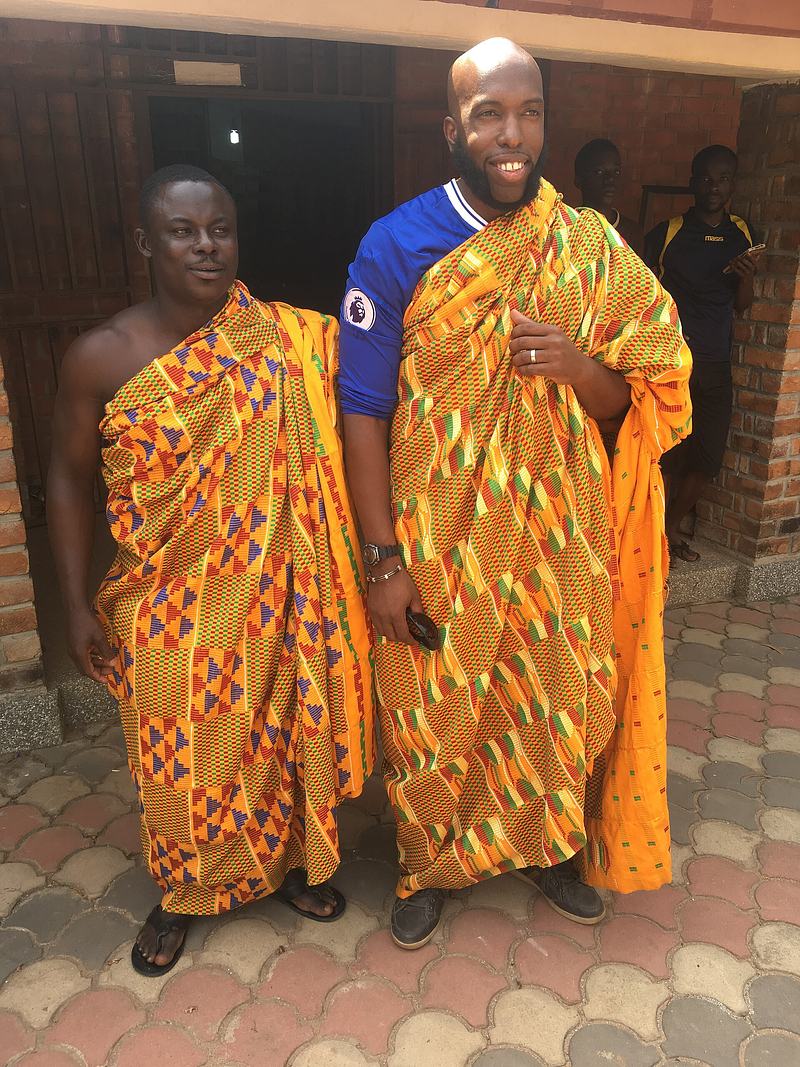
1.Tour the Bonwire Kente Museum
The museum, inaugurated in 2024, sets out the history and evolution of kente through an exhibition hall, an audio-visual room illustrating the weaving process and a showroom of cloths. Its exterior is decorated with Adinkra symbols, and the displays carry the historic designs alongside their names. It is the clearest place to understand what you are looking at before you walk into the weaving sheds, and it sits alongside the older Kente Village hub.
Tip: Start here rather than at the shops — the context makes the patterns and their names far easier to read once you are standing at a loom.
-
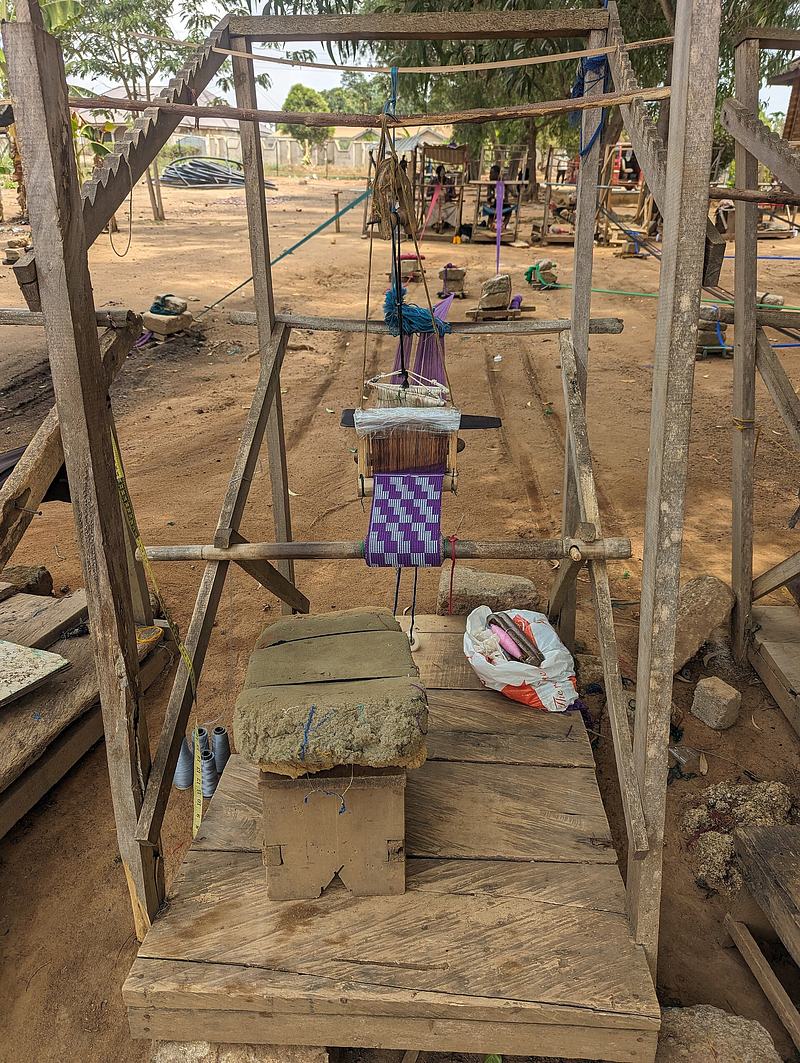
2.Watch master weavers at the Bonwire Kente Weaving Centre
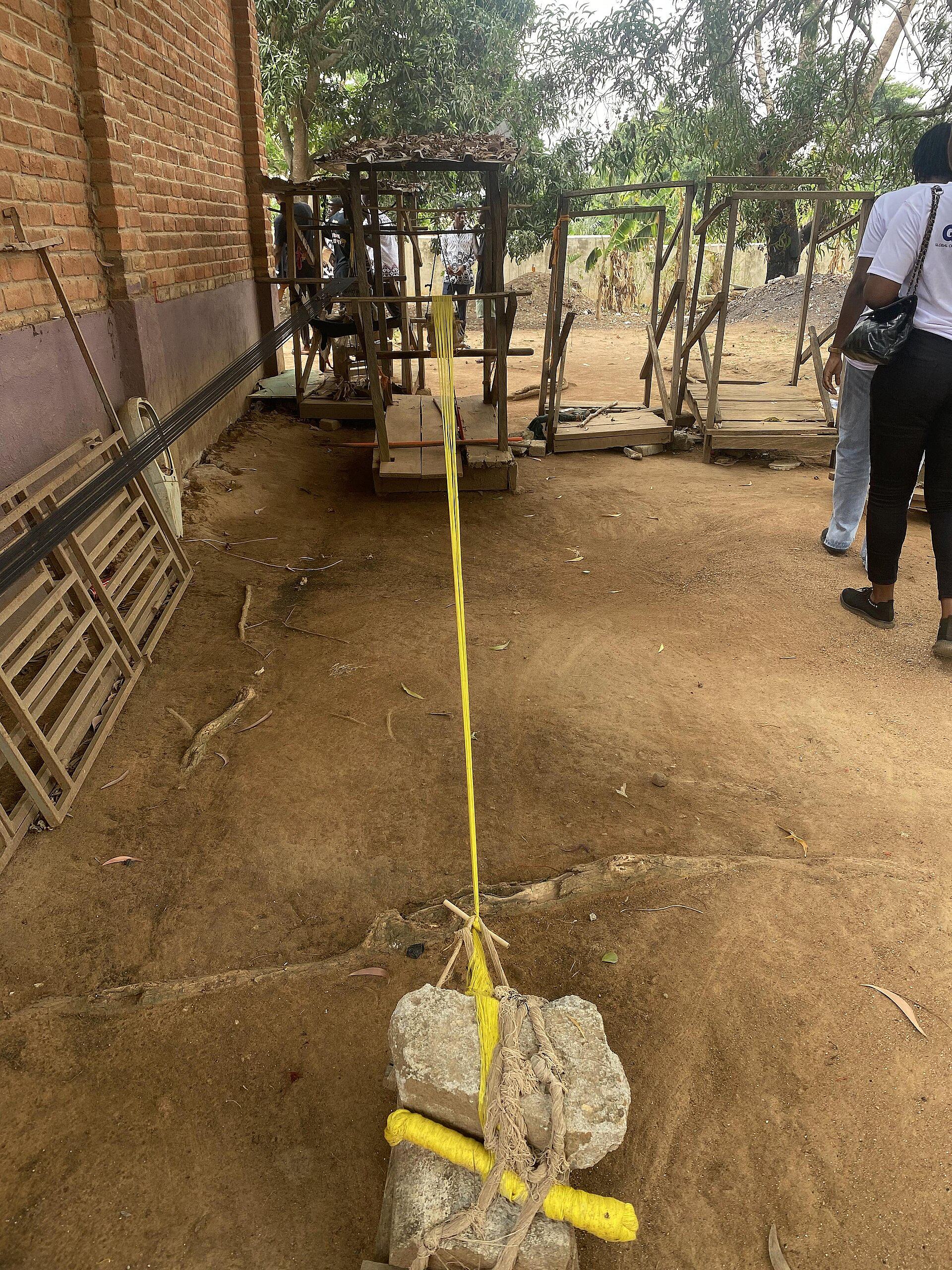
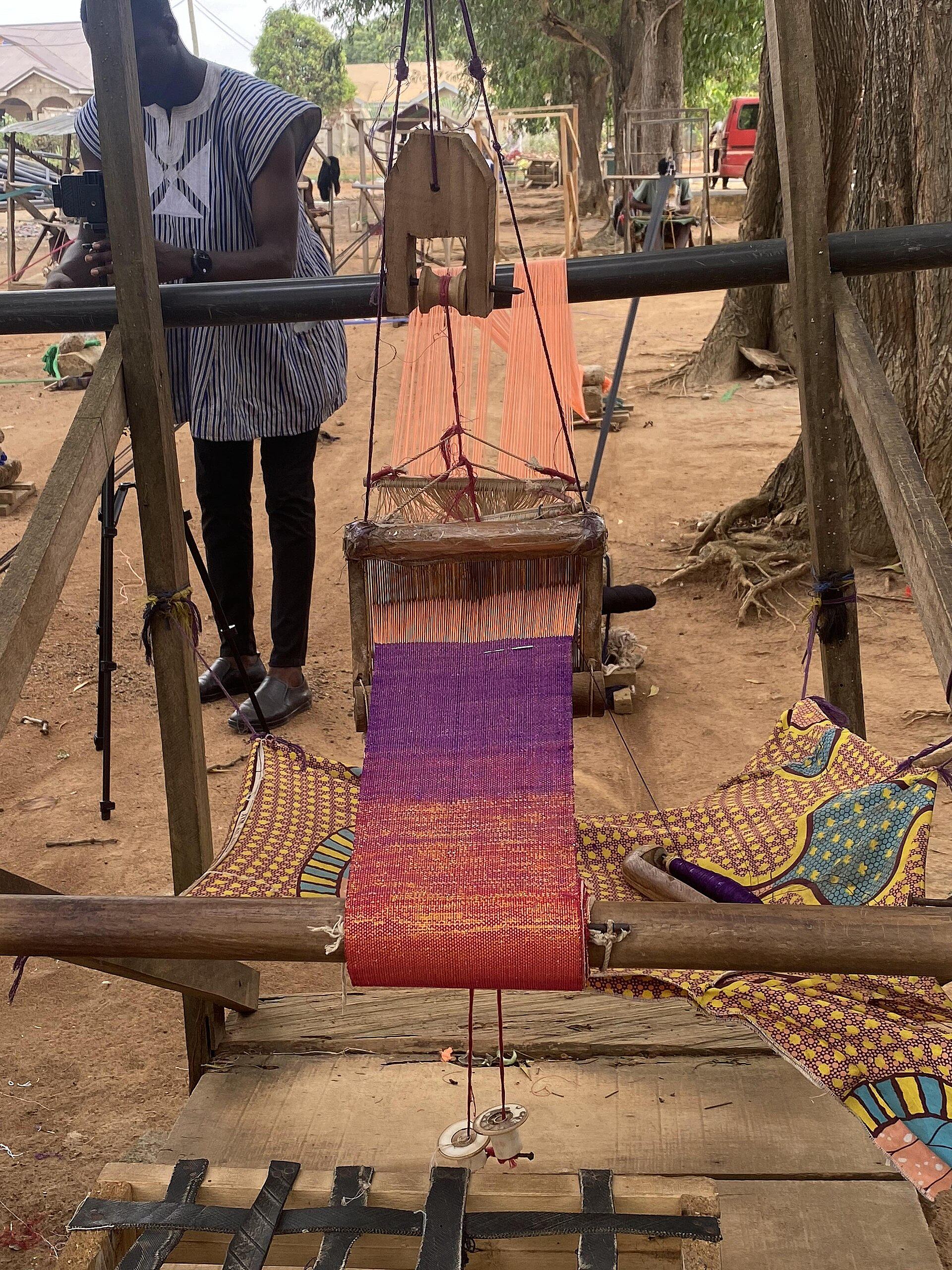
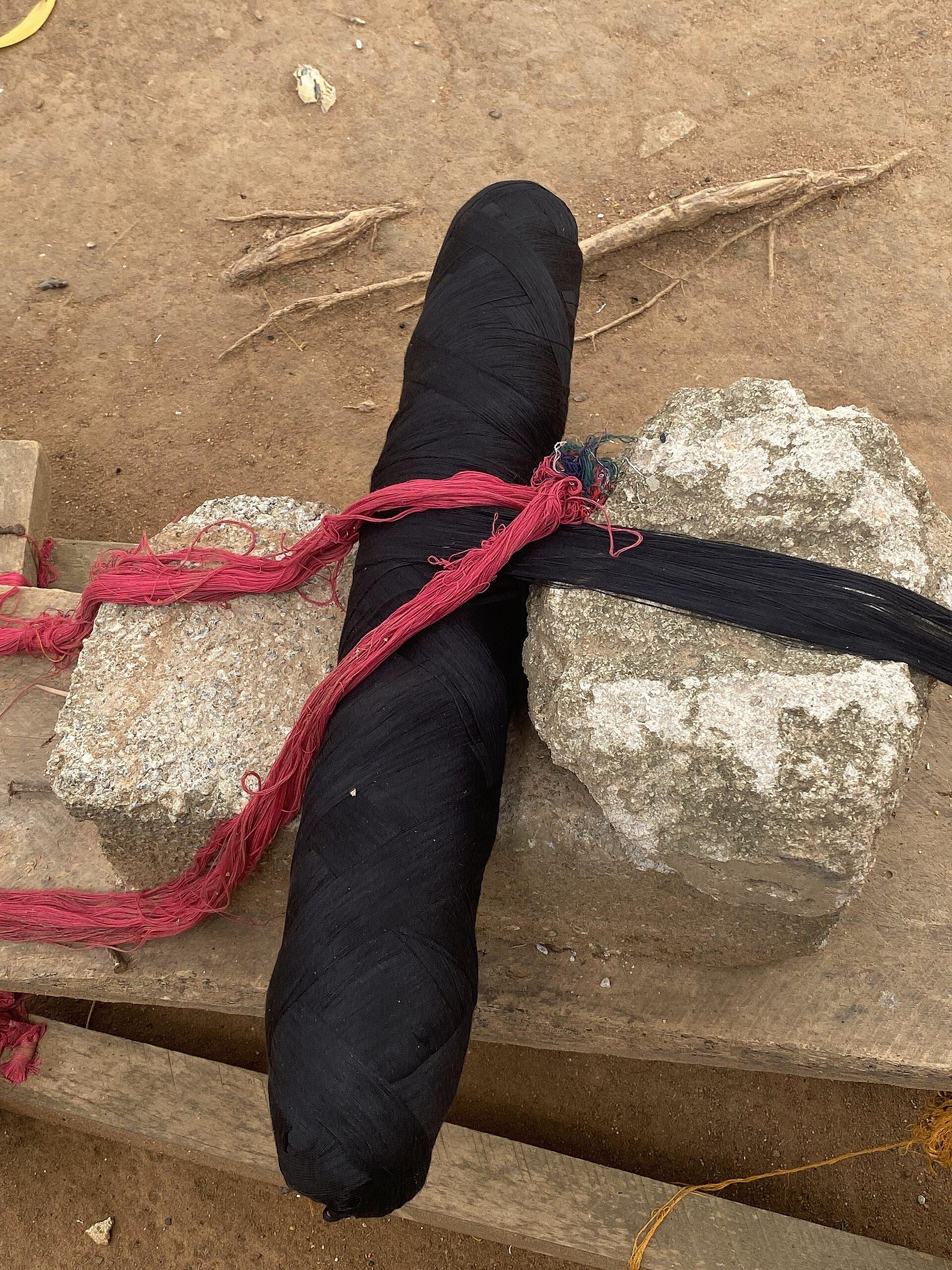
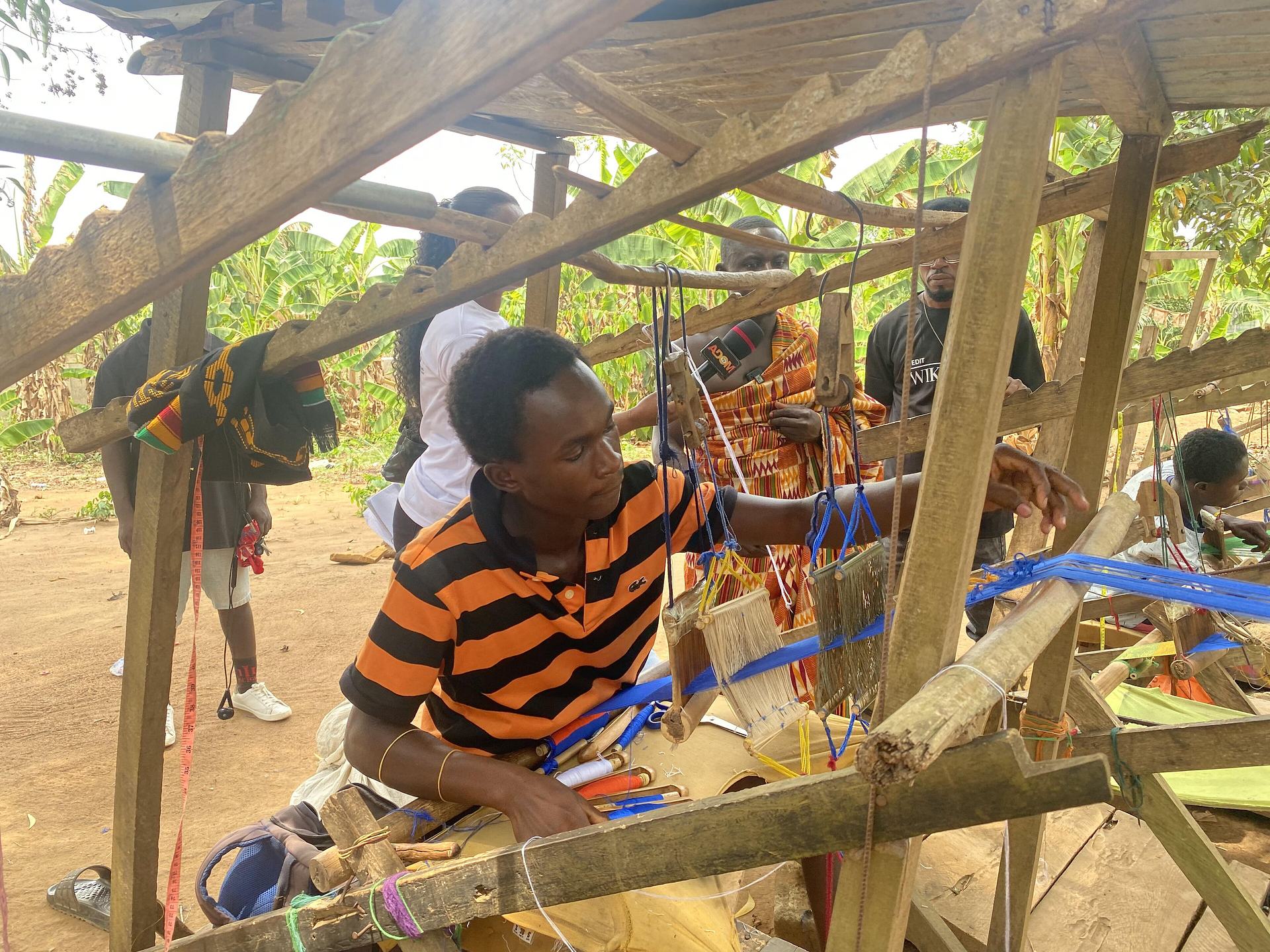
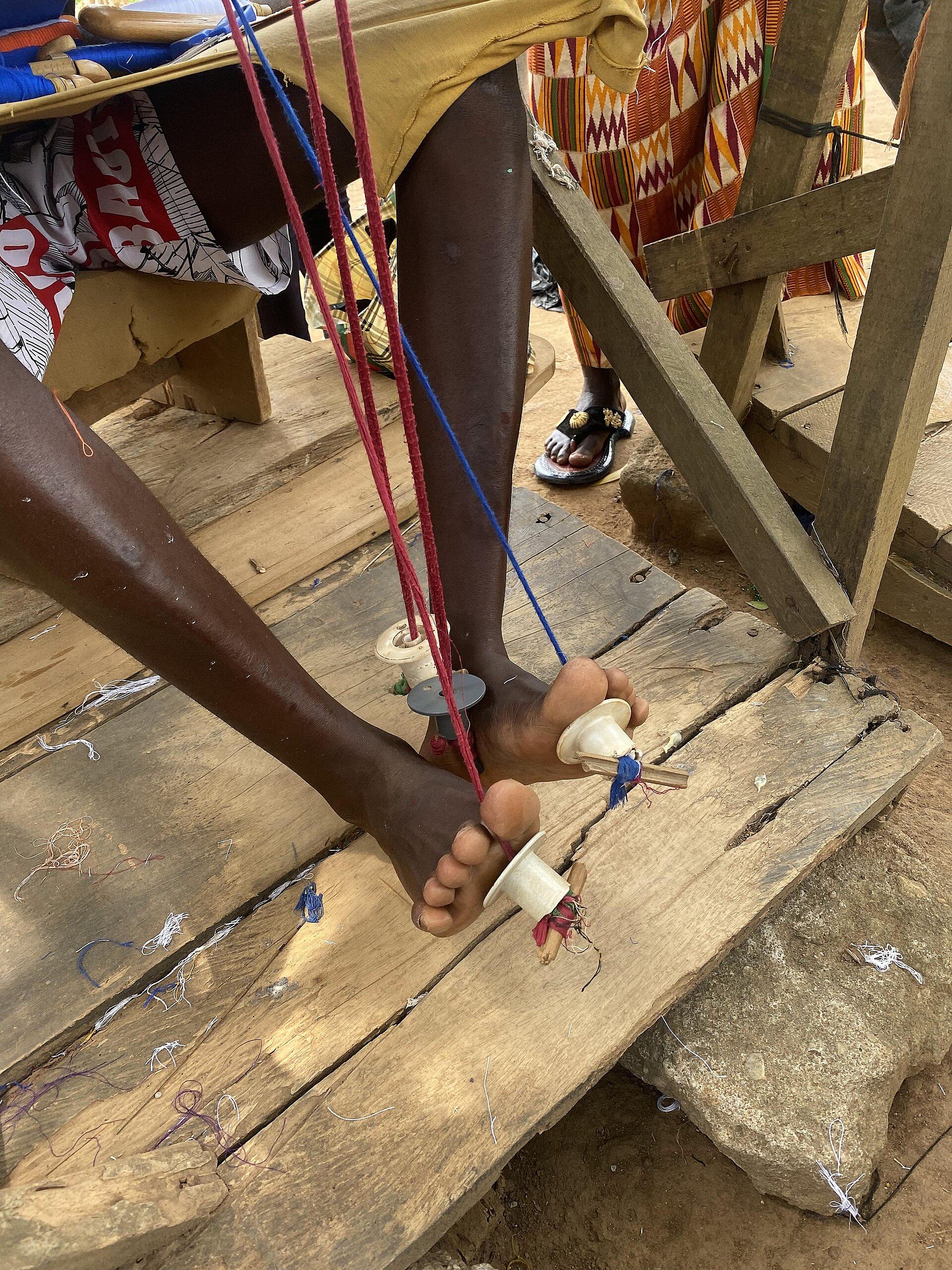
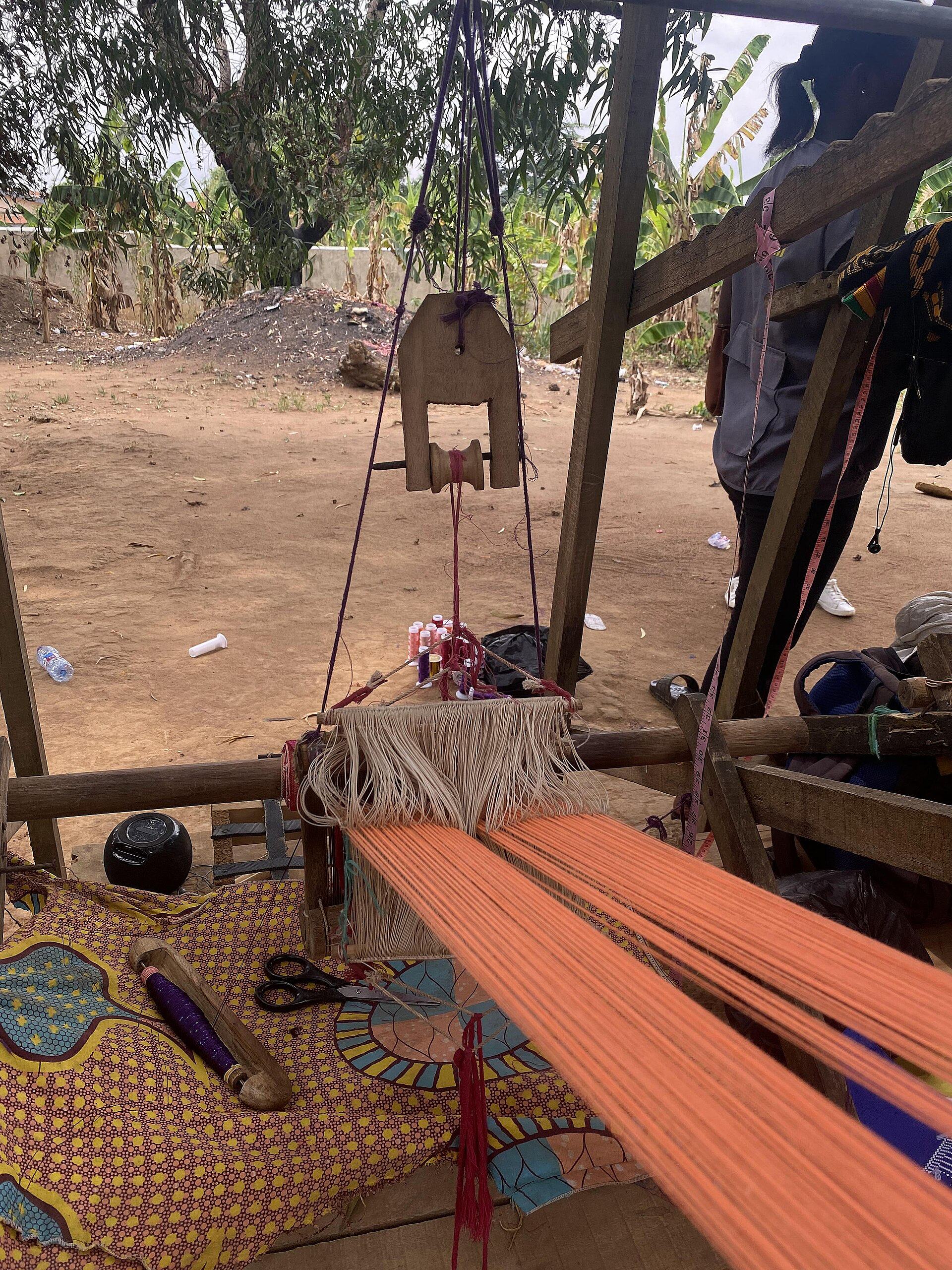
The weaving centre is the visitor hub for the craft, where tours, demonstrations and the village craft shops are based. Guides walk you through the stages of production — threading, spinning, warping and weaving — and you can try your hand at the loom. Because the centre works with the local weavers' association, a visit here connects you to working craftspeople rather than a single showroom.
Tip: Ask your guide to explain the difference between the weaving systems and yarn types before you buy; it turns a purchase into a conversation.
-
Attraction
3.Walk the weaving village and meet the makers
Bonwire itself is the attraction: a working town where residents are engaged in the various stages of kente production on traditional hand looms, often in open sheds along the roadside. Walking through, you see yarns being prepared, looms being dressed and cloth being folded for sale. It is a commercial environment, and the pace is set by the trade rather than by tourism, which is exactly what makes it worth the time.
Tip: Greet people before photographing them or their looms, and ask before filming — this is a workplace, not a set.
-
Attraction
4.See the Chief's palace and the town's traditional life
The traditional palace of the Chief of Bonwire, Nana Bobie Ansah II, is the ceremonial heart of the town and is used for Akan naming ceremonies and community events. The chieftaincy is closely bound up with the kente trade: the chief has been a public advocate for the craft and for the town's annual festival. View the palace respectfully from outside and ask locally whether any part of it can be visited on the day.
Tip: Dress modestly and do not enter courtyards or photograph the palace without permission; if a ceremony is under way, watch from a distance.
-
5.Learn to read a kente pattern
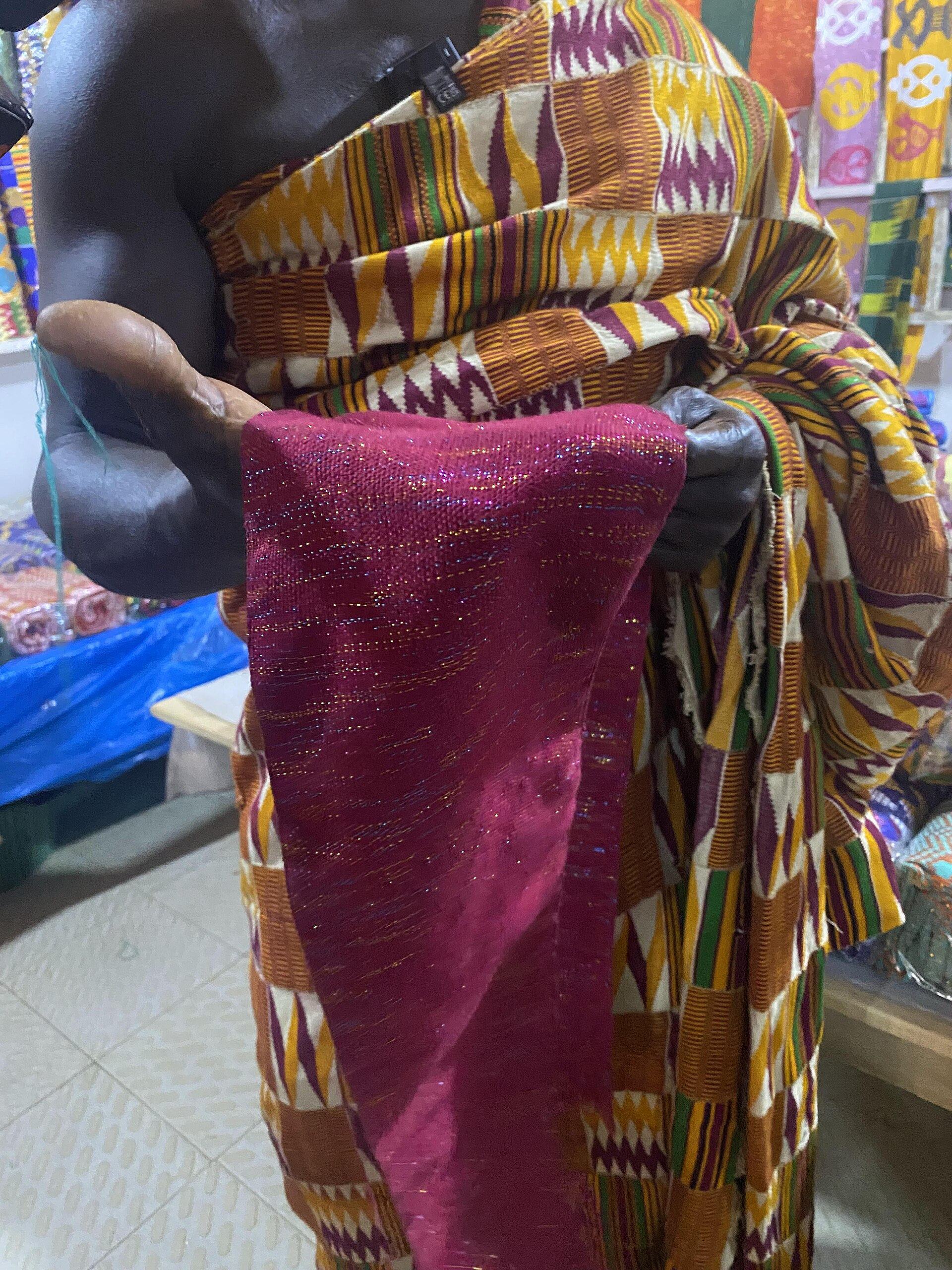
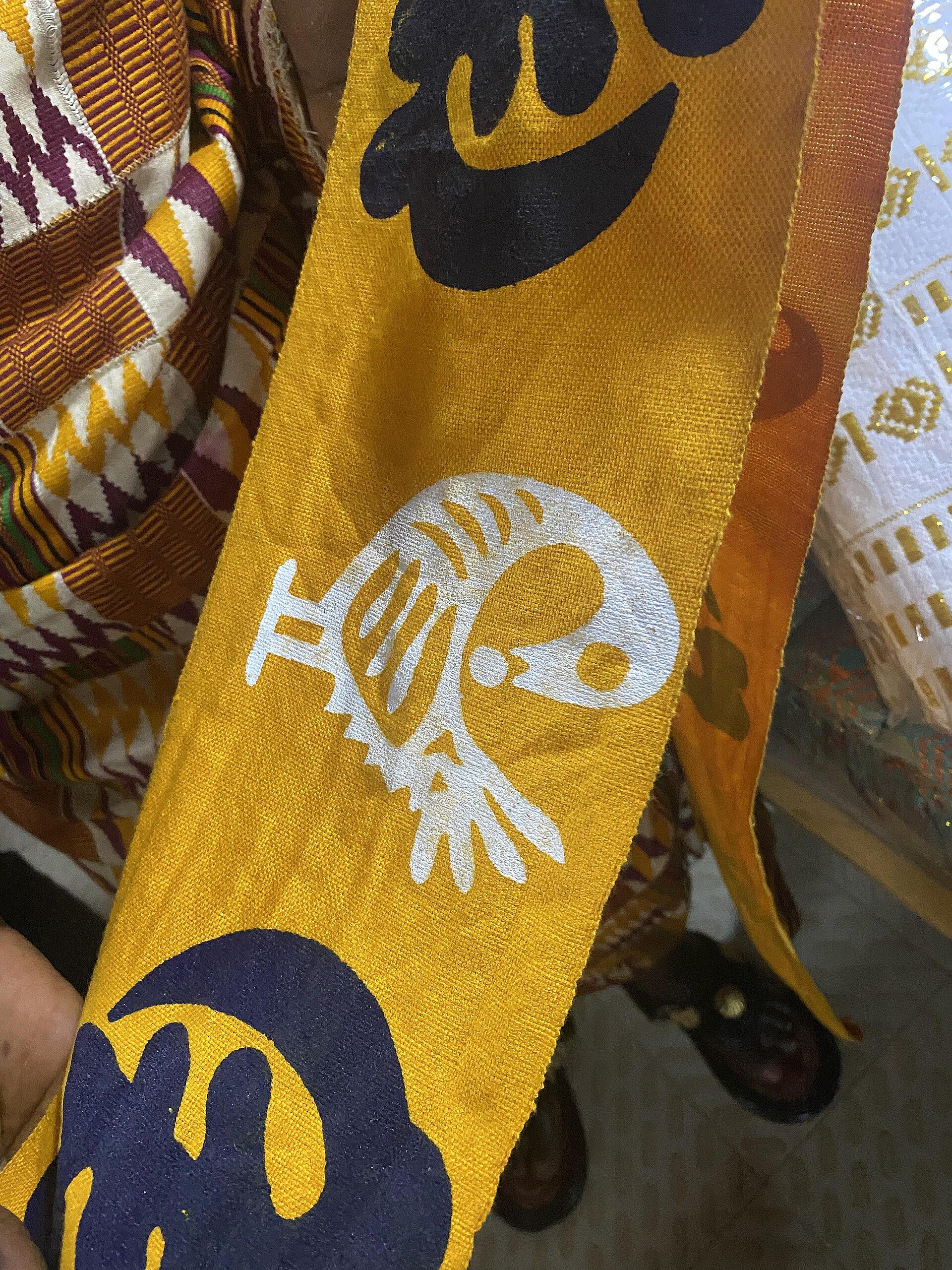
Kente is a language as much as a textile. Patterns carry names drawn from proverbs, historical events, important chiefs and plants, and colours carry meanings too — black for spirituality, gold for energy, wealth and glory, among others. Sitting with a weaver and having a few names explained changes how you see every cloth afterwards, and it is the single most rewarding half-hour you can spend in Bonwire.
Tip: Ask for the name and meaning of any cloth you like before discussing price; weavers take real pleasure in explaining the designs.
-
Attraction
6.Buy cloth directly from the weavers
The village shops sell kente products and other village crafts, and buying directly from the people who wove the cloth keeps the money in the trade. Expect a commercial, bargaining culture. The chief himself has spoken about the threat posed by fake kente designs and mass-produced imitations, so buying at source is also a way of supporting the genuine article.
Tip: Bargain respectfully and with good humour, agree the price before anything is cut, and carry cash — not every seller takes cards.
-
Attraction
7.Time your visit to the Kente Festival
Bonwire has held an annual Kente Festival since 1998, a week-long celebration of the cloth that has included a grand durbar of chiefs, a pageant, exhibitions, a street carnival and a thanksgiving service. It is the moment when the town's craft identity is most publicly on display, with new designs outdoored and the whole community in kente. Dates have shifted over the years, so confirm the current schedule locally before planning around it.
Tip: If you come for the festival, book accommodation in Kumasi or Ejisu well ahead — the town itself has limited lodging.

Plan your time
Suggested itinerary
Half a day: the museum and the looms
Arrive in the morning and begin at the Bonwire Kente Museum, where the exhibition hall and audio-visual room give you the history and the vocabulary of the craft. Walk the short distance to the Bonwire Kente Weaving Centre and join a weaving tour: threading, warping and the loom itself, with a chance to try your hand. Finish by walking the weaving village, watching weavers at work in the sheds and talking to them about the patterns. If you have time, look in at the palace from outside before heading back towards Kumasi or Ejisu.
Bonwire Kente Museum→Bonwire Kente Weaving Centre→Bonwire Kente Weaving Village→Bonwire Palace
One day: Bonwire plus the wider Asante craft circuit
Give the morning to Bonwire — museum, weaving centre, village walk and a unhurried conversation with a master weaver about pattern names. Buy cloth directly from the makers before lunch. In the afternoon, continue the craft theme in the surrounding area: the Ashanti Region's other weaving and craft villages sit close to Bonwire, and Kumasi's Manhyia Palace Museum and Kejetia Market make a natural pairing for the same day. Return to Bonwire only if a festival or ceremony is running.
Bonwire Kente Museum→Bonwire Kente Weaving Centre→Bonwire Kente Weaving Village
Two days: craft, chieftaincy and Kumasi
Day one: Bonwire in full — the museum first, then the weaving centre and a long, slow walk through the village, ending with a purchase from the weaver who made the cloth. Stay overnight in Kumasi or Ejisu. Day two: take in the wider Asante heritage that gives Bonwire its context, including the Manhyia Palace Museum and the markets and cultural sites of Kumasi, and, if the season allows, a nearby craft village such as Ntonso for adinkra cloth. This order lets you see kente as part of a living royal and craft tradition rather than in isolation.
Bonwire Kente Museum→Bonwire Kente Weaving Centre→Bonwire Kente Weaving Village→Bonwire Palace

Seasons and festivals
When to go
Bonwire can be visited at any time of year; the weaving centre operates daily and the craft does not depend on a season. The town's own calendar is built around the annual Kente Festival, a week-long celebration held since 1998. Reported timing has varied — sources place it in January, in July or August, and in December in different years — so treat any date you see as provisional and confirm the current schedule locally before you travel. The festival has featured a grand durbar of chiefs and people of Asanteman, an Obaasima Kente pageant, a football gala, a clean-up exercise, an inter-schools quiz, a kente exhibition, a concert, health screening, a food competition, a street carnival and a thanksgiving service. If you want the town at its most ceremonial, plan around the festival; if you want quiet access to the looms, come outside it.
- Bonwire Kente Festival · Annual, week-long; reported dates have varied between January, July/August and December in different years
- A week-long celebration of kente held by the chiefs and people of Bonwire since 1998, marking the town's role in the invention of the cloth. It has included a grand durbar of chiefs, a pageant, exhibitions, a street carnival and a thanksgiving service, and is the occasion on which new designs are outdoored. Confirm the current dates locally, as they have shifted year to year.
Access
Getting there and around
Bonwire lies about 18 km from Kumasi along the Kumasi–Mampong road, in the Ejisu Municipality of the Ashanti Region. Coming from Accra by road, take the Accra–Kumasi road and turn right at Ejisu, drive about 6 km to the Bomfa Junction, turn left and continue about 3 km, then turn right for Bonwire. Most visitors base themselves in Kumasi or Ejisu and reach the town by road, whether by private car, taxi or an organised tour; the weaving centre and museum are close together within the town, so once you arrive you can walk between the main sites. Kumasi is the regional hub for transport and accommodation, and the town is commonly visited as part of a wider Ashanti Region heritage circuit that includes Manhyia Palace Museum, Kejetia Market and the nearby craft villages.
Good to know
Before you go
Bonwire is a working town, so dress modestly and behave as a guest in someone's workplace: greet before you photograph, ask before filming a loom or a person, and keep out of courtyards and the palace unless invited. Bargaining is normal in the craft shops, but do it with good humour and agree a price before anything is cut. Carry cash, as not every seller accepts cards. If you want to understand what you are buying, ask about the name and meaning of a pattern before you discuss cost — weavers are usually glad to explain. Be aware that mass-produced imitations of kente circulate widely, which is one reason buying at source matters. Finally, confirm festival dates and opening arrangements locally, since published schedules have varied.


FAQ
Questions travellers ask about Bonwire
Where is Bonwire and how far is it from Kumasi?
Bonwire is in the Ejisu Municipality of Ghana's Ashanti Region, about 18 km from Kumasi along the Kumasi–Mampong road. Most visitors reach it by road from Kumasi or Ejisu.
Why is Bonwire famous?
Akan oral tradition names Bonwire as the birthplace of kente, and the town remains a working centre of the craft. In 2024 the Bonwire Kente Museum opened there, and kente itself was inscribed on UNESCO's Representative List of Intangible Cultural Heritage.
Can I try weaving kente myself?
Yes. The weaving tour at the Bonwire Kente Weaving Centre includes the community workshop, where visitors can learn and try threading, spinning, warping and weaving, and the museum also encourages hands-on interaction with local weavers.
When is the Bonwire Kente Festival?
It is an annual, week-long festival held by the chiefs and people of Bonwire since 1998, but reported dates have varied between January, July or August, and December in different years. Confirm the current dates locally before planning around it.
Is it acceptable to bargain for kente in Bonwire?
Bargaining is part of the shopping experience, but it should be done respectfully. Buying directly from the weavers supports local artisans and helps keep the tradition alive.
What does the name kente actually mean?
Kente comes from kenten, meaning "basket" in the Asante dialect of Akan, a reference to the cloth's basket-like pattern. In Ghana the Akan also call it nwentoma, meaning "woven cloth".
How long should I spend in Bonwire?
A recommended visit time is around one to two hours for the museum and weaving centre, though a half day allows for a slower walk through the village and time with the weavers. Many travellers combine it with other Ashanti Region sites near Kumasi.
In pictures
Bonwire in pictures
Keep exploring
More destination guides
Sources for this guide (11)
- Bonwire — Wikipedia
- Kente cloth — Wikipedia
- Kente Festival — Wikipedia
- Craftsmanship of traditional woven textile Kente — UNESCO Intangible Cultural Heritage
- Decision 19.COM 7.B.38 — UNESCO Intangible Cultural Heritage
- Intangible Cultural Heritage — Ghana Commission for UNESCO
- Bonwire Kente — Visit Ghana
- Samira Bawumia inaugurates Bonwire Kente Museum — GBC Ghana Online
- Bonwire Kente Museum — GhanaTRVL
- Bonwire Kente Village — Beyond The Return Travel & Tours
- Bonwire Kente Festival to promote Ghana's culture — Graphic Online
Written September 29, 2026 from these sources and reviewed by the VisitGhana.app team. Confirm practical details locally before travelling.