
From German Togoland to regional capital
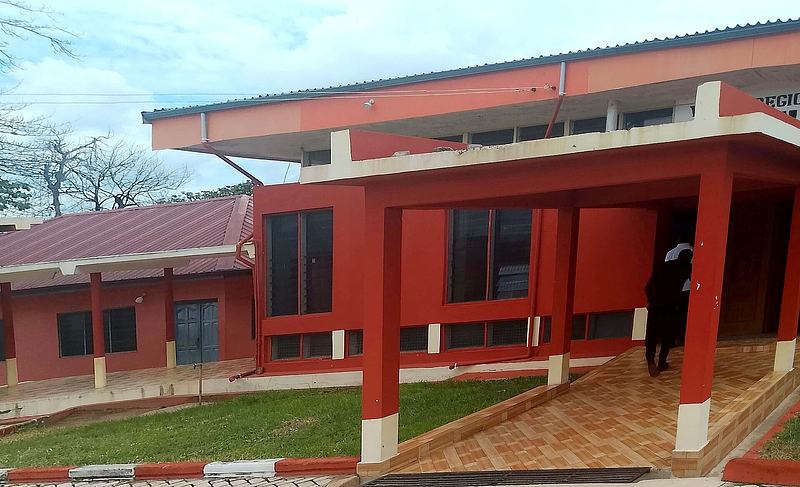
Ho's name is short and its history is layered. The town grew from the union of two villages, Hegbe (now Heve) and Banakoe (now Bankoe), each with its own chiefdom; the Ahoe and Dome joined later, and the people of Hliha are a subgroup of Bankoe. The first known chief of the Bankoe was Afede Asor I, known in private life as Akorli, while the chief of Heve was Anikpi I. For a stretch of the colonial period Ho belonged to German Togoland, until the First World War, when British forces occupied the territory. Ho then became the capital of the League of Nations mandate of British Togoland, and stayed a capital when that entity was incorporated into the Gold Coast, which became Ghana. That administrative thread is why a modest town carries a regional museum, a cathedral, a teaching hospital and a House of Chiefs tradition — and why the Volta Regional Museum occupies a building that once served as the Office of the Regional House of Chiefs, sold to the Ghana government in 1967 and opened as a museum in 1973.

The Asogli State and the yam that is hailed
Ho is the heart of Asogli, a state made up of four traditional divisions — Akoefe, Ho, Kpenoe and Takla — whose people trace a long migration from Abyssinia through Oyo and Ketu to Notsie, and then, led by Togbe Asor, to the land that became Ho. The current paramount chief is Togbe Afede XIV, the Agbogbomefia of Asogli. The state's great public occasion is Asogli Te Za, the yam festival, held each September. Its founding story is a famine: a hunter found a yam tuber in the forest, hid it in the soil rather than carrying it home, and returned to find it had germinated and grown. Yam is 'ete' in Ewe, meaning 'it is swollen'. The festival was brought into Ghana by the Ewe who migrated from Notsie in Togo, where it is still celebrated, and it was revived in 2004 by Togbe Afede XIV after more than a decade of dormancy. Before anyone may taste the new yam, the gods and ancestors are served boiled and mashed yam — a rite called Dzawuwu — and the rest is eaten communally as a symbol of unity and reconciliation. The festival closes with a grand durbar of chiefs at Jubilee Park, where the Agbogbomefia sits in state to receive homage.

Hills, market days and the shape of the land
Ho lies between Mount Adaklu and Mount Galenukui, at the southern edge of the Akwapim Hills, also known as the Togo mountains, at an elevation of about 150 metres. The climate is tropical savanna: hot year-round, with a rainy season from roughly March to June and a drier stretch from July to November, and humidity that can average around 80 per cent. The municipality covers 2,361 square kilometres and shares a boundary with the Republic of Togo to the east, which is why Togolese traders are a familiar presence in town. The local economy is mixed — commerce, the civil service, agriculture and light manufacturing — and in the less urbanised parts of the municipality, cassava, maize, yam and plantain remain the main sources of farm income. The town's rhythm is set by its market. Ho Central Market, known as Ho Asigame, or 'Ho big market', runs on a four-day cycle: every fourth day after a market day comes the next. On those days the town fills with traders from Adidome, Tsito-Awudome, Kpedze, Abutia, Kete Krachi, Dambai, Hohoe, Keta and Aflao, and with goods from the Eastern Region and from Togo — corn, beans, fish, charcoal and cloth. It is the one time Ho experiences real traffic.

What to do
Things to do in Ho
-
1.Volta Regional Museum
The best single hour in Ho. Run by the Ghana Museums and Monuments Board, this ethnographic museum opened in 1973 in a building that had been the Office of the Regional House of Chiefs, and it holds the region's story in a handful of rooms: the Chair of State of the last German colonial governor, Ewe kente designs, masks, chiefs' stools, swords, drums, pottery, a canoe and net, maps of the Ewe state, and displays on Asante shrines. Renovations completed in 2021, part-financed by the German government, refreshed the building.
Tip: Ghana's regional museums are underfunded and opening hours can be optimistic, so ring ahead or accept that a closed door is possible. Guides are available and worth taking.
-
2.Ho Central Market (Ho Asigame)
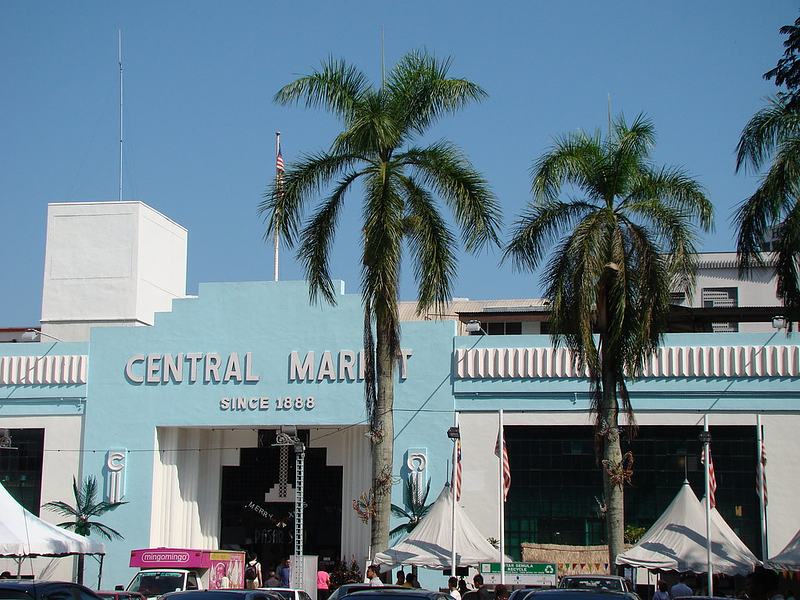
One of the biggest trading centres in the Volta Region, and the reason Ho exists as a regional capital. The market moved to its present site in the early 1970s, from the Ho Civic Centre, and runs on a four-day cycle rather than daily. On a market day it is dense with people and produce: yam, cassava, plantain, cocoyam, garden eggs, okra, pepper, groundnuts, palm oil, corn dough, groundnut paste, fish, cloth, beads and charcoal, much of it cheaper than on ordinary days.
Tip: Go in the morning, and check which day of the four-day cycle you are on before you plan around it. Traders come from as far as Kete Krachi and Togo, so it is a genuine regional market rather than a tourist one.
-
3.Climb Mount Adaklu
The flat-topped inselberg that fills Ho's southern skyline, about 12 km from town and roughly 580 metres above sea level. It is venerated by the Ewe villages around its base — nine of them, including Helekpe, Avanyaviwofe, Goefe, Sikama, Abuadi and Kordiabe — and it is a genuine climb rather than a stroll. Kordiabe sits about a quarter of the way up and makes a natural resting point on the Helekpe path. From the summit you look over the Volta plains, the Kalakpa reserve and, on a clear day, Togo.
Tip: Start at first light, carry water, and take a village guide from Helekpe or another of the surrounding communities. Tours are organised locally and the profits are invested in the community. Treat the summit as sacred.
-
4.Asogli Te Za, the yam festival
Ho's great public occasion, held each September across the Asogli State and its surrounding towns such as Sokode, Abutia, Klefe and Akrofu. The month is packed: clean-ups, health walks, football galas, a yam-weighing competition, a women's day, a summit of Ewe chiefs from Ghana, Togo and Benin, and street jams in every division. The ritual heart of it is the hailing of the new yam and Dzawuwu, when the gods and ancestors are served first. It ends with a grand durbar of chiefs at Jubilee Park, where Togbe Afede XIV sits in state.
Tip: The Asogli State Council lays a customary ban on funerals across the state for the month before the festival, so plan around it. Accommodation in Ho fills up for durbar week — book early or come another week.
-
5.Walk the German colonial traces
Ho was part of German Togoland until the First World War, and the evidence survives quietly: mission architecture, an old German cemetery, and the German-period collections in the regional museum. The National Commission on Culture lists the ancient German cemetery and the town's colonial architecture among the area's attractions, alongside the Galenukui mountains. Almost nobody points these out, which is precisely why they reward a slow walk with a local guide.
Tip: Pair this with the museum, where the German Togoland material gives context to what you are looking at on the streets. Ask at the museum for directions rather than hunting on your own.
-
6.Kalakpa Resource Reserve
About three kilometres from the foot of Mount Adaklu, near Abutia, Kalakpa is one of Ghana's gazetted protected areas and one of the least visited. The habitat is Guinea savannah and dry hill forest, and the fauna includes kob, African buffalo, harnessed bushbuck, olive baboon, hooded vulture, pied crow and rainbow agama, with good birding. It is not set up for casual visitors, which is part of its appeal for anyone who wants the Volta without the crowd.
Tip: Arrange your visit in advance through the Wildlife Division rather than turning up, and expect facilities to be minimal or absent. Bring everything you need.
-
7.Kpetoe kente village
South-east of Ho in Agotime, Kpetoe is the recognised heartland of Ewe weaving. Ewe kente is a separate tradition rather than a variation on the Ashanti cloth: where Ashanti designs are geometric, Ewe kete is figurative, with animals, stools, human figures and, since the 1940s, written text woven in. The reason is political — the Ewe had no royal court imposing design rules. The cloth woven here, with more cotton in the mix, is thicker and sturdier than the lighter commercial weave sold elsewhere.
Tip: The Agbamevoza festival, meaning 'cloth from the loom', falls in August. Watch the looms and buy at source rather than from a middleman.
-
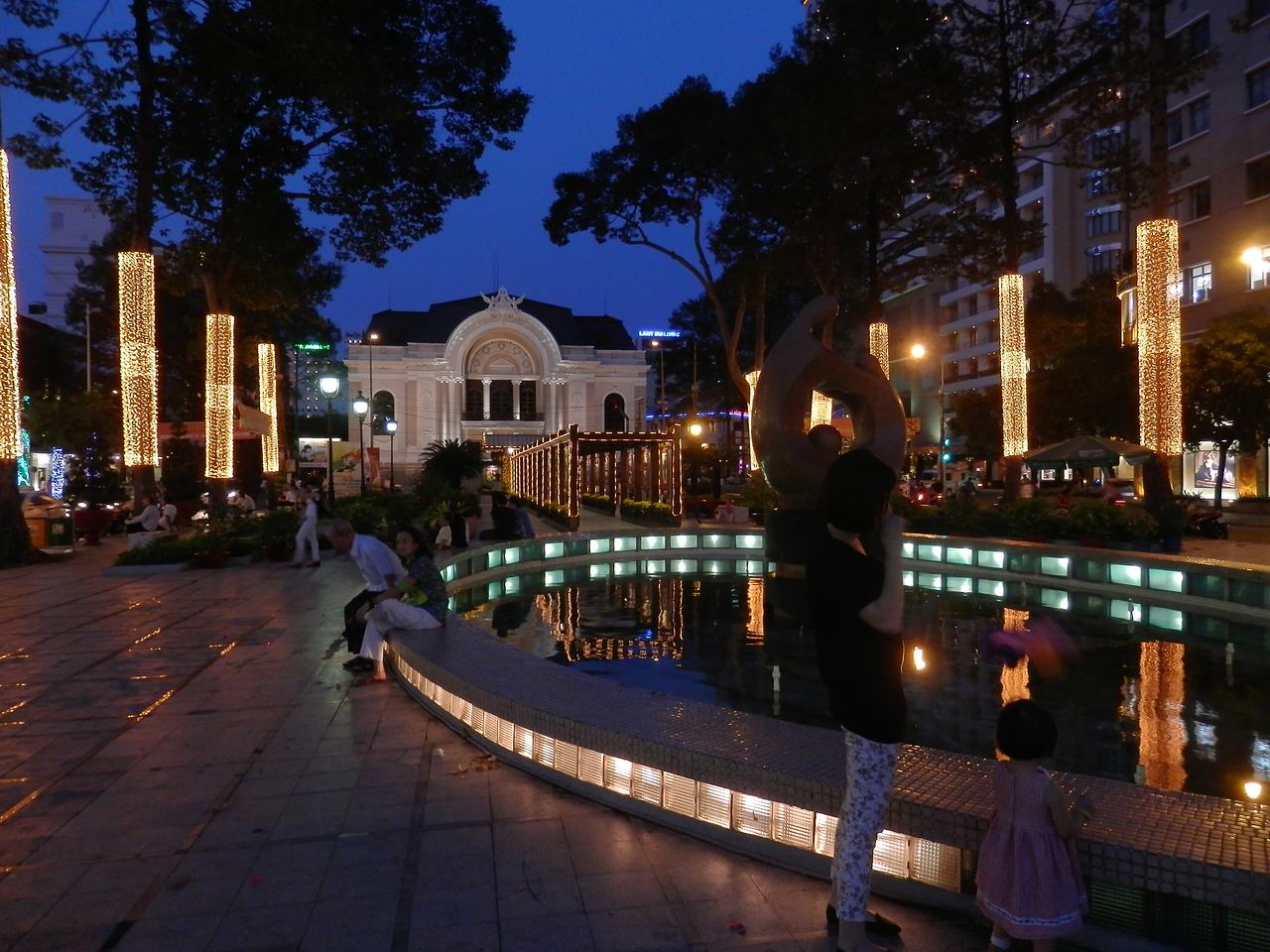
Photo: Dennis Sylvester Hurd · CC0 · Source 8.Ho Municipal Park
Listed as a public recreational green space in Ho, the Municipal Park is the kind of open ground that matters in a hot, busy regional capital — somewhere to sit in the shade between the market and the museum. Its identity and current facilities remain unverified, so treat it as a pleasant pause rather than a destination in its own right, and check locally what is open and usable when you arrive.
Tip: Ask at your accommodation or the museum what the park currently offers before making a special trip. It works best as a rest stop folded into a walk around the centre.
-
9.Ho Airport
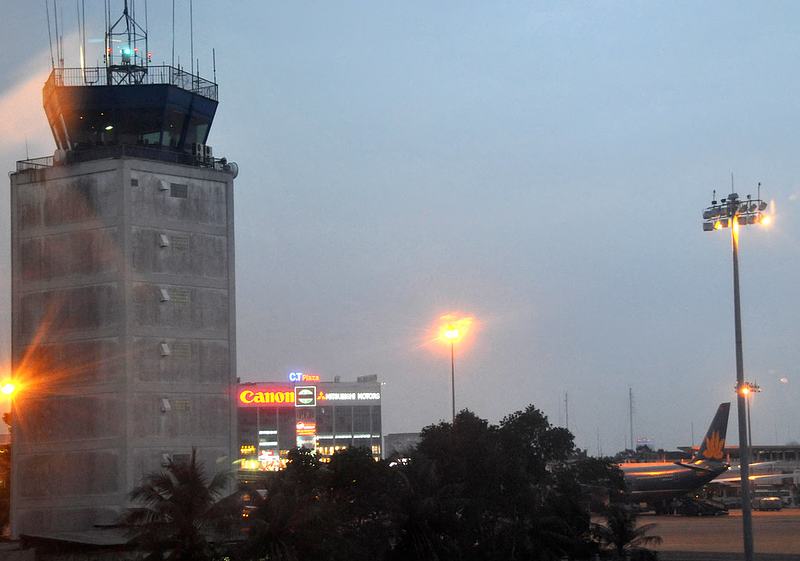
Ho Airport, ICAO code DGAH, is a GACL-operated regional airport built to serve the Volta Region. Construction was completed in 2017, but it did not open to commercial traffic until December 2021, when Passion Air began flights to and from Accra. Scheduled service was suspended in March 2022, with the airline citing low patronage and high fuel costs, and Africa World Airlines also decided against launching flights. It remains a striking piece of infrastructure — a 1,900-metre runway and a terminal built for far more passengers than it has seen.
Tip: Do not plan to fly to Ho. Check current status before you build any itinerary around the airport, and assume your journey will be by road.


Plan your time
Suggested itinerary
Half a day: the town on foot
Start at the Volta Regional Museum on Glala Road, where the Ewe migration story, chieftaincy and the German Togoland period are laid out in an hour. Walk from there into the centre and let the market pull you in — if it is a market day, Ho Asigame will be at full volume, so give it time rather than treating it as a quick pass. Finish with a slow loop past the German colonial traces and mission architecture, and rest in the Ho Municipal Park if it is open. This is a gentle, low-mileage half day that gives you the town's context before you head for the hills.
Volta Regional Museum→Ho Central Market (Ho Asigame)
One day: Adaklu and the market
Leave Ho at first light for Mount Adaklu, about 12 km out, and climb from the Helekpe path with a village guide, resting at Kordiabe about a quarter of the way up. The summit gives you the Volta plains and, on a clear day, Togo. Come down, eat, and spend the afternoon either at Ho Asigame if the four-day cycle has fallen your way, or at the Volta Regional Museum if it has not. If you have energy and have arranged it in advance, Kalakpa Resource Reserve sits about three kilometres from the foot of the mountain and can be folded into the same day.
Ho Central Market (Ho Asigame)→Volta Regional Museum
Two days: Ho and the weaving country
Day one as above — Adaklu in the morning, the museum and market in the afternoon, and an evening in town while it is still cool. Day two, head south-east to Kpetoe, the heartland of Ewe weaving, and spend the morning at the looms learning why Ewe kete is figurative where Ashanti cloth is geometric. If you are travelling in August, the Agbamevoza festival will be running. On the way back, stop at the Ho Municipal Park for shade, and close the trip with a proper look at the German cemetery and colonial architecture you only glanced at on day one.
Ho Central Market (Ho Asigame)→Volta Regional Museum

Seasons and festivals
When to go
Ho has a tropical savanna climate, hot year-round, with a yearly mean temperature range of roughly 16.5 to 37.8°C and mean monthly temperatures between 22 and 32°C. The rainy season usually runs from March to June, and the drier stretch from July to November; relative humidity can average around 80 per cent. For climbing Mount Adaklu, the drier months are kinder underfoot, and an early start is essential in any season. The single best reason to time a visit is Asogli Te Za, the yam festival, which falls in September and fills the town for durbar week. Note that the Asogli State Council lays a customary ban on funerals across the state for the month before the festival.
- Asogli Te Za (Asogli Yam Festival) · September, annually
- The harvest festival of the Asogli State, celebrated by the chiefs and people of Ho and surrounding areas such as Sokode, Abutia, Klefe and Akrofu. It thanks God, the gods and the ancestors for the harvest and offers prayers for health and prosperity. The new yam is hailed and served first at the shrines in the rite called Dzawuwu before anyone else may eat it, and the month includes clean-ups, health walks, football galas, a yam-weighing competition, a women's day and a summit of Ewe chiefs from Ghana, Togo and Benin. It climaxes with a grand durbar of chiefs at Jubilee Park, where Togbe Afede XIV, the Agbogbomefia of Asogli State, sits in state to receive homage. The festival was revived in 2004 after more than a decade, and renamed Te Za in 2018.
- Agbamevoza · August, at Kpetoe
- The 'cloth from the loom' festival of the Ewe weaving heartland at Kpetoe, south-east of Ho in Agotime. It is the best time to see the weaving tradition at its most public, and to buy cloth at source.
Access
Getting there and around
Ho is reached by road. It lies roughly 165 km from Accra, and how long the journey takes depends heavily on which route you take and what the traffic out of the capital is doing — allow more than any map suggests. The northern route from Accra runs out through Tema and Akosombo, over the Adomi Bridge at Atimpoku, then east and north to Ho; it is the better road for scenery and gives you the bridge, the dam and the Atimpoku bread stop on the way. The Volta Region has an extensive road network, with tarmac linking Ho to Aflao, Ho to Juapong, Ho to Kpando, and Aflao to Keta and Sogakope and on to Accra, and the N1 and N2 national highways pass through the region. Shared trotros and commercial buses connect Ho with Accra, Tema and the surrounding villages, and taxis and trotros are the way to move around town and out to the villages. Ho Airport exists but scheduled commercial service has been limited or absent since 2022, so do not plan to fly. Once in Ho, note that the region is enormous: Keta is not a day trip from Ho, and the northern attractions around Hohoe are better done from Hohoe itself.
Good to know
Before you go
Ho is quiet, safe and cool in the evenings, and it empties early — there is no nightlife scene and no beach, so judge it as a base rather than a destination and you will enjoy it far more. Ewe is the language of everything here that is not government business, though English is widely understood. Dress modestly around shrines, palaces and churches, and always ask before photographing people, ceremonies or sacred sites. Mount Adaklu is venerated by the villages around it: take a local guide, keep to the path, and treat the summit with respect. If you visit during Asogli Te Za, remember the customary month-long ban on funerals across the state. Ghana's regional museums are underfunded and opening hours can be optimistic, so ring ahead or accept that a closed door is possible. Carry cash for markets and village fees, and be aware that the region's published mountain and waterfall heights do not always survive checking — enjoy the climb regardless.

FAQ
Questions travellers ask about Ho
Where is Ho, and is it worth visiting?
Ho is the capital of the Ho Municipal Assembly and of Ghana's Volta Region, in the east of the country between Mount Adaklu and Mount Galenukui, about 165 km from Accra. It is worth visiting as a base: it has a good regional museum, a major market, and easy access to Mount Adaklu, Kalakpa and the weaving villages.
Can you fly to Ho?
Ho Airport opened to commercial traffic in December 2021, but scheduled flights were suspended in March 2022 and service has been limited or absent since. Plan to arrive by road.
When is the Asogli Yam Festival in Ho?
Asogli Te Za, the yam festival, is held every September across the Asogli State, and climaxes with a grand durbar of chiefs at Jubilee Park. The new yam is ritually hailed and served to the gods and ancestors before anyone else may eat it.
What is there to see at the Volta Regional Museum?
The museum holds the history and traditions of the Volta Region, including the Chair of State of the last German colonial governor, Ewe kente designs, masks, chiefs' stools, swords, drums, pottery and displays on Asante shrines. It opened in 1973 in the former Office of the Regional House of Chiefs.
How hard is the climb up Mount Adaklu?
It is a genuine climb rather than a walk, up a mountain of about 580 metres that sits roughly 12 km from Ho. Start at first light, carry water, and take a village guide from Helekpe or one of the other communities around the base.
When is Ho Central Market busiest?
Ho Asigame runs on a four-day cycle: every fourth day after a market day comes the next. On market days the town fills with traders from across the Volta Region and Togo, and prices for produce are lower than on ordinary days.
What is the weather like in Ho?
Ho has a tropical savanna climate, hot year-round, with a rainy season from roughly March to June and a drier stretch from July to November. Humidity can average around 80 per cent, so mornings are the best time for anything strenuous.
In pictures
Ho in pictures
Keep exploring
More destination guides
Sources for this guide (12)
- Ho, Ghana — Wikipedia
- Ho Municipal Assembly — Wikipedia
- Volta Regional Museum, Ho (1973) — Ghana Museums and Monuments Board
- Volta Regional Museum — Wikipedia
- Asogli Te Za (Asogli Yam Festival) — Visit Ghana
- Asogli Te Za — Wikipedia
- Volta Region — National Commission on Culture
- Mount Adaklu — Wikipedia
- Ho Asigame, centre of attraction on market days — Graphic Online
- Ho Airport — Wikipedia
- Ho & the Volta Region — Ghana-Net
- Volta — National Road Safety Authority
Written September 29, 2026 from these sources and reviewed by the VisitGhana.app team. Confirm practical details locally before travelling.


