
A capital chosen for where it sits
Dambai's importance is geographic before it is political. The town lies on the eastern side of the Oti River, a tributary of Lake Volta, and that position made it the natural crossing point between the north of Ghana and the south long before anyone drew a regional boundary around it. When the government created six new regions in 2018, following a referendum in which Oti's voters approved the change, Dambai was named capital. President Nana Addo Dankwa Akufo-Addo announced it at a durbar of Oti chiefs and people at Jubilee House in Accra in February 2019, presenting the Constitutional Instrument creating the region to the Paramount Chief of the Krachi Traditional Area, Nana Mprah Besemuna III. The region was formally inaugurated at Dambai on 14 May 2019.
The administrative history runs deeper than the headline. Krachi East was carved out of the old Krachi District in 2004 and elevated to municipal status in 2017, with Dambai as its capital throughout. So the town has been a district seat for two decades and a regional capital for a handful of years — a place that grew into responsibility rather than being built for it. That shows in the best way: no ceremonial boulevards, just a working waterfront, a market, a college of education and a ferry that everyone depends on.

Many peoples, one riverbank
Dambai is one of the most mixed small towns in Ghana, and the mix is visible in the languages you hear at the market. The Nchumuru are among the indigenous peoples of the area, organised into clans, alongside the Nawuri, who are mainly farmers and traders. Krachi, Adele, Akan, Ada and Battor communities are also present, and it is the Ada and Battor, according to the town's recorded history, who have long dominated fishing on the Oti. Hausa, Kotokoli, Konkomba and Basari families add to the weave, and Fulani pastoralist families live in the Dambai-Njare wilderness beyond town. The National Commission on Culture lists Nchumuru, Zabarama, Hausa, Kotokoli, Ewe, Konkomba, Basari, Ada and Fulani among the groups making up the regional capital.
Custom still sets the rhythm of the week. The indigenous calendar observes Kipor Day every six days, when farming is forbidden and young people are posted to catch anyone who breaks the rule; offenders pay fines in sheep, goats or liquor, sacrificed to the ancestors. Fofie, on Fridays, brings sacrifices of its own. Nchumuru dance traditions are unusually elaborate and mostly funerary: Sukudai for elders, clan heads and famous hunters; Mbofou for hunters who have killed big game; Nchuso, the water dance, for ordinary men and women; Atokoiatokoi for elderly women and clan headwomen. If you are lucky enough to be invited to a funeral or a durbar, you are being shown something that is not staged for visitors.

The river as landscape and lifeline
The Oti is a serious river. Also called the Pendjari, it runs roughly 520 kilometres from its headwaters in Burkina Faso through Benin and Togo before entering Ghana and emptying into Lake Volta; its course helps form stretches of the international borders between those countries. It is the Volta's largest tributary, and at Dambai it is broad enough that a ferry, not a bridge, is the crossing. The surrounding country is drier than southern Ghana — grassland and savanna with baobab and acacia — with a dry season from December to April and rain from roughly May to November, and the Harmattan blowing down from the Sahara between December and early February.
The water gives and the water takes. Fishing and farming are the occupations of most people here, and the Oti supports a thriving fishing economy; the National Commission on Culture records the river at Dambai as a site of both fishing and farming, and Lake Volta at Dambai-Asukawkaw as a water-transport corridor. The lake's fish include tilapia, catfish and Nile perch, and the river country holds crocodiles, snakes and, on the outskirts, larger wildlife. When the ferry breaks down — as it did in 2024, stranding trucks and passengers on both banks for hours and days — the whole region feels it, and passengers renew their calls for a bridge. That fragility is part of what you are looking at when you stand on the landing.

What to do
Things to do in Dambai
-
1.Cross on the Dambai ferry
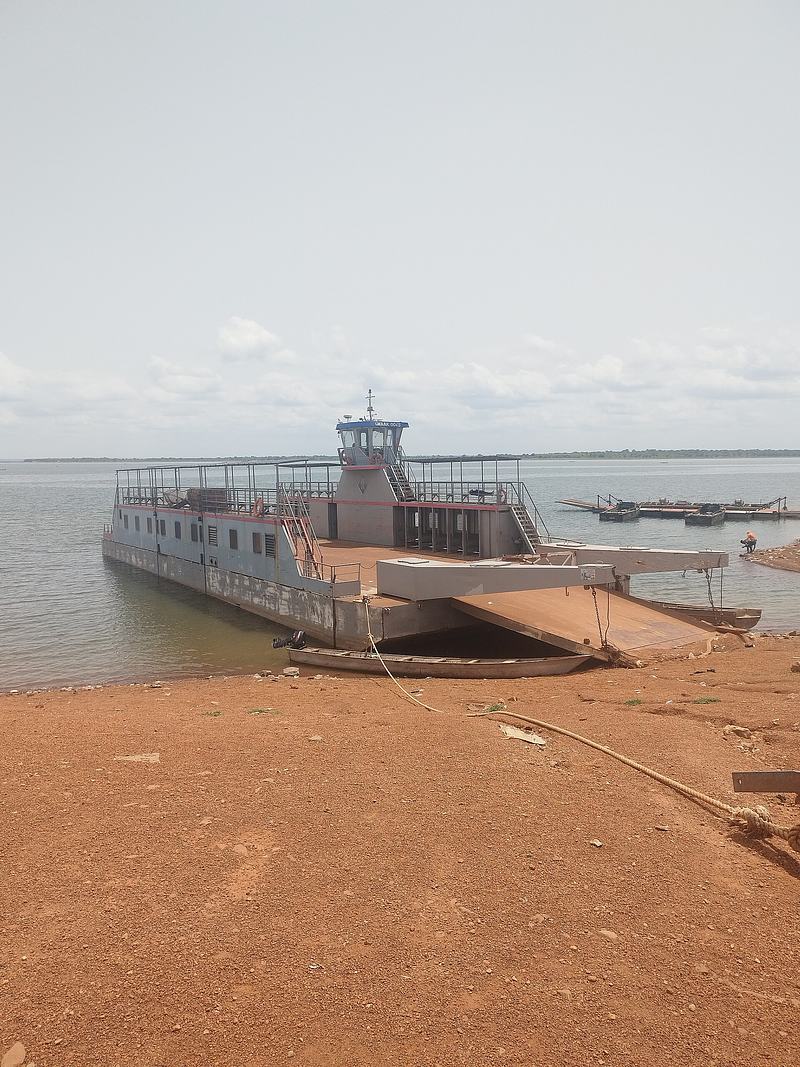
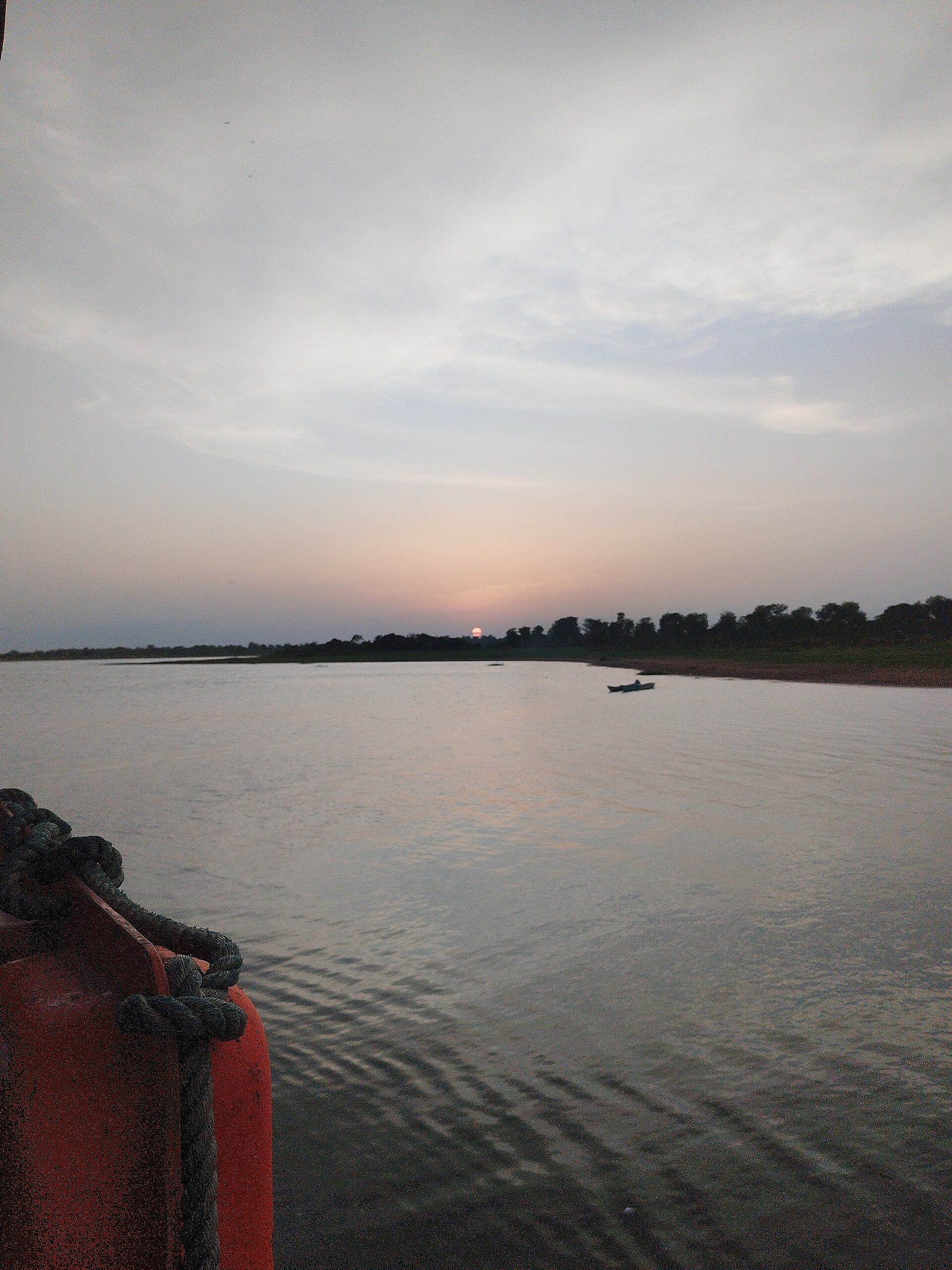
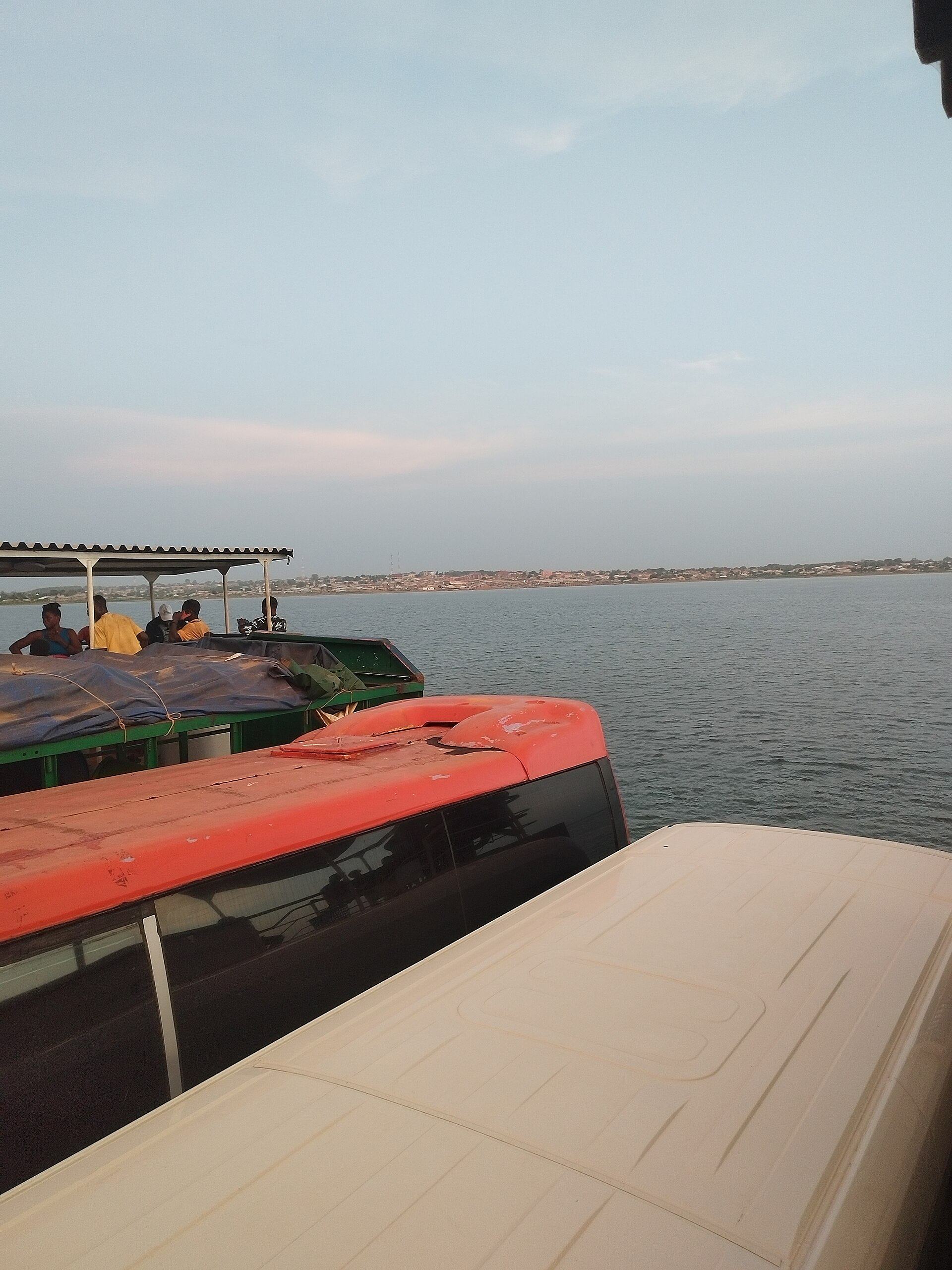
The ferry is the reason Dambai exists as a crossroads, and riding it is the single best thing to do here. Volta Lake Transport vessels carry passengers and vehicles across the Oti River, linking Dambai with the opposite bank on the Dambai–Overbank route. Stand at the rail as the landing recedes: canoes, fishing nets, the low green far bank. It is a working crossing, not a cruise, which is exactly the point.
Tip: Ferries run through the day but can be suspended for repairs, so treat any crossing as a bonus rather than a fixed appointment and ask locally before planning around it.
-
Attraction
2.Spend a market morning at Dambai Market
Dambai Market is the trading heart of the Krachi East Municipality and one of the region's main agricultural markets. It officially opens on Monday and runs into Tuesday, drawing sellers with yam, charcoal, cassava, fish and more from the surrounding communities. The yam trade is the headline act: Dambai's traditional authorities open the new yam trading season with customary rites, after which farmers bring the new harvest in. Come early, walk slowly, and buy something.
Tip: Plan your trip so that a Monday or Tuesday falls inside it — on other days the market is a shadow of itself.
-
Attraction
3.Watch the lakeside market come in by water
The lakeside market at Dambai trades mainly on Mondays and Tuesdays, and much of what it sells arrives by river. Produce from the Oti River area comes in by canoe and boat, unloaded at the water's edge and carried straight into the stalls. It is a different, quieter spectacle from the main market — the logistics of a town that treats the river as a road — and it rewards anyone willing to sit and watch the loading and unloading for half an hour.
Tip: Ask before photographing traders at work; a greeting and a request in advance goes a long way.
-
4.Take a boat or canoe on the Oti
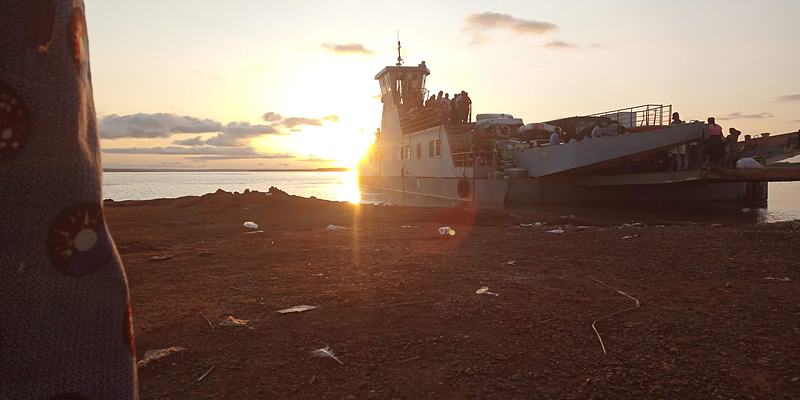
The Dambai lakefront and ferry point sit on the Oti River arm of Lake Volta, where a working river crossing doubles as a scenic boat and canoe experience. Local boatmen and canoe operators work the water daily; a short trip out from the landing gives you the town from the river, the ferry in motion and the scale of the water that everything here depends on. This is the Oti as the people of Dambai actually use it.
Tip: Agree the route and the return point before you set off, and wear something you don't mind getting wet.
-
5.Stand at the Dambai Ferry Site
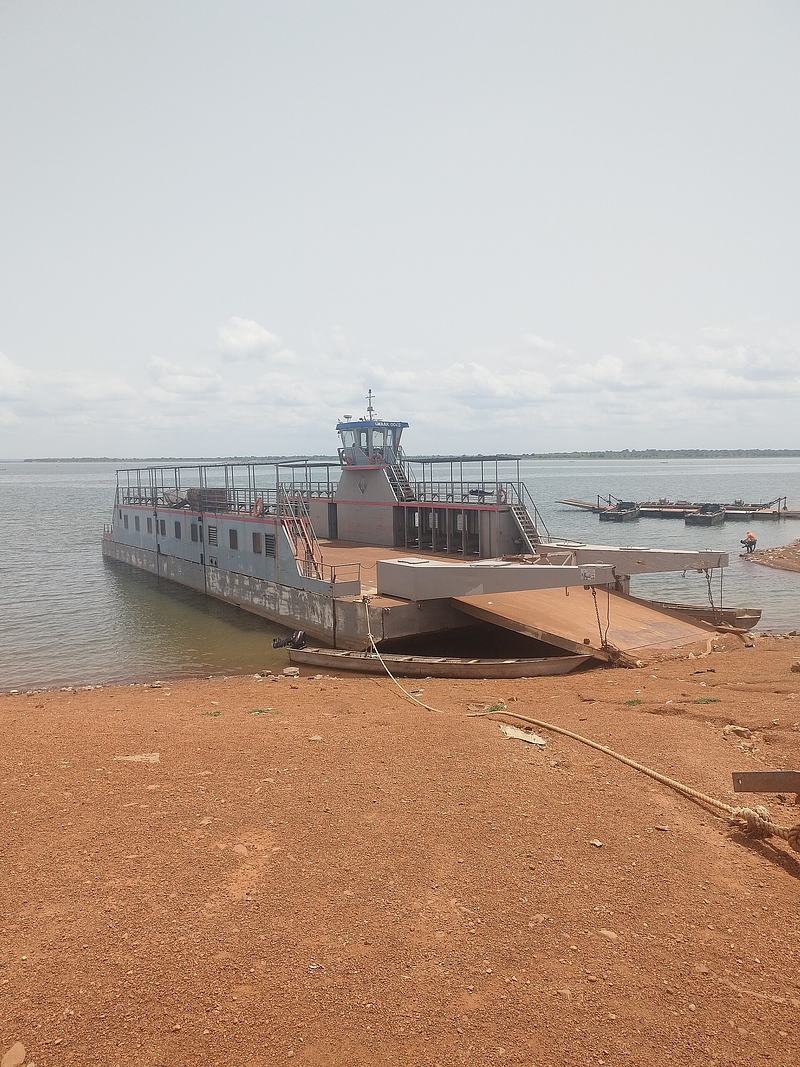
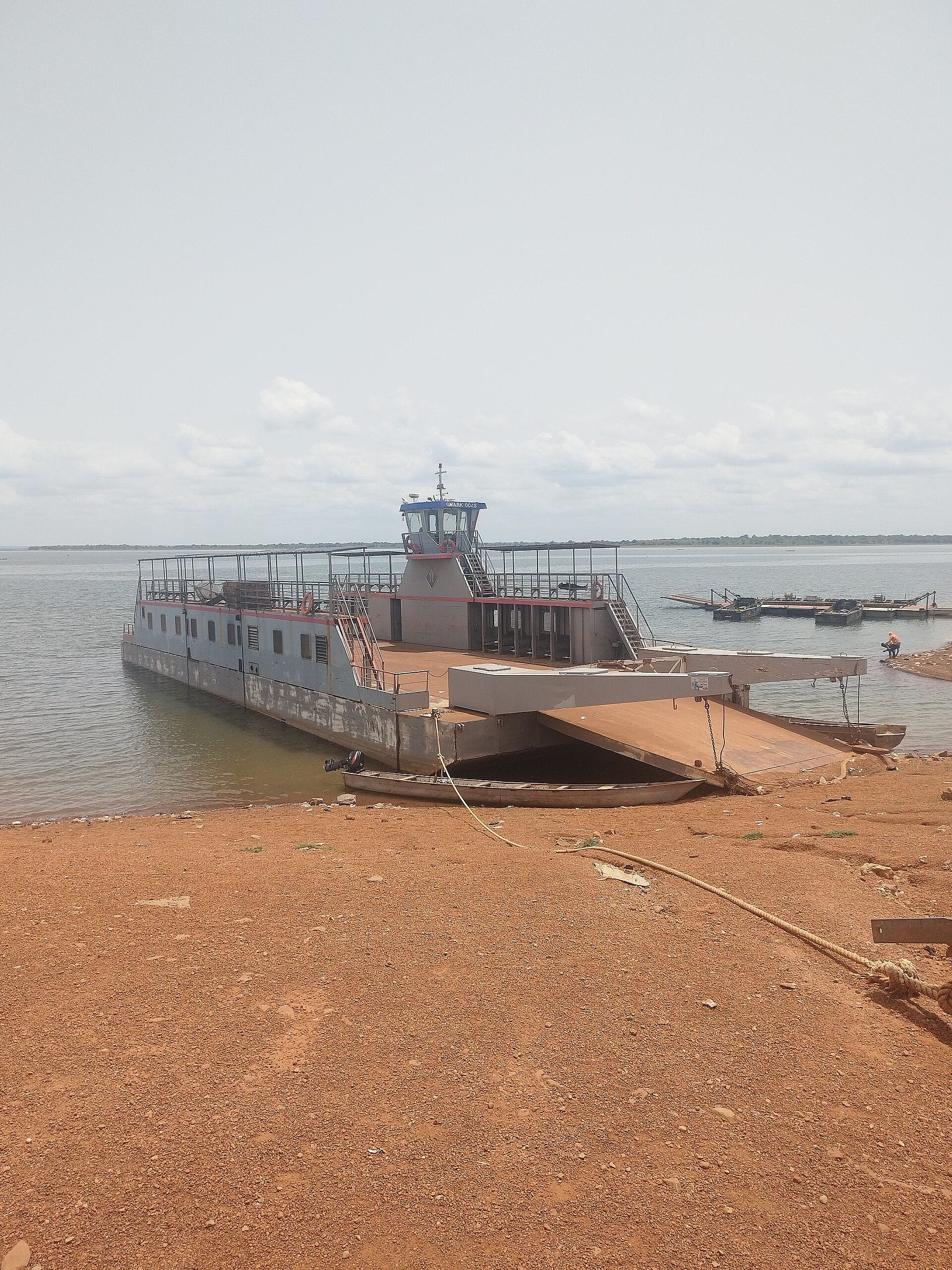
The ferry landing itself is worth an unhurried visit even if you never board. It is the working ferry site at Dambai on the eastern bank of the Oti River, served by Volta Lake Transport vessels on the Dambai–Overbank route, and the National Commission on Culture lists the Dambai ferry among the region's tourist attractions. Arrive when a crossing is loading and you get the full theatre: horns, hand signals, trucks reversing onto the ramp, vendors working the queue.
Tip: Late afternoon light on the water is the best of the day, and the queue is usually liveliest then too.
-
6.Follow the Oti River
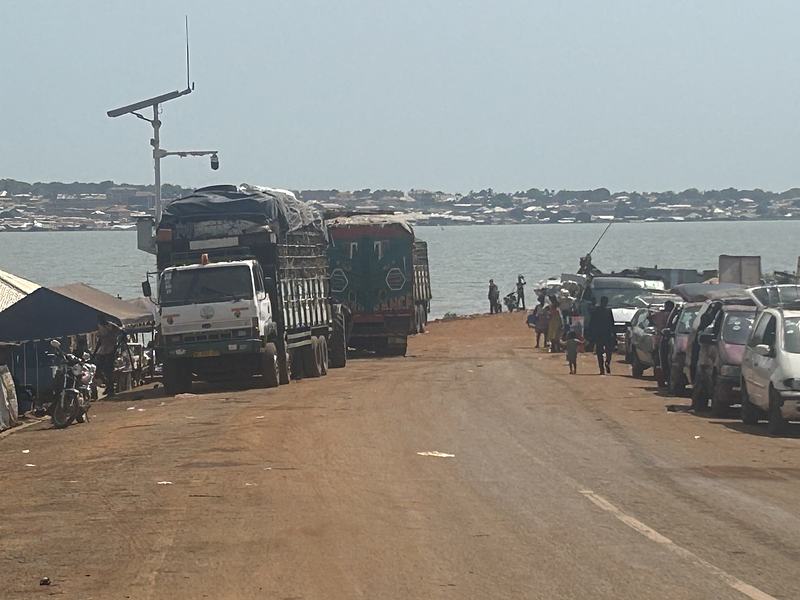
The Oti — the Pendjari of Benin and Togo — is a major international waterway running some 520 kilometres before it joins Lake Volta, and at Dambai it is crossed by ferry and canoe services. Walk the bank away from the landing and the town thins out into fishing grounds, moorings and riverbank farms. The National Commission on Culture records the Oti at Dambai as a site of fishing and farming, which is precisely what you will see if you keep walking.
Tip: The bank can be muddy and uneven after rain; sturdy shoes beat sandals here.
-
Attraction
7.Visit Dream Village
Dream Village is a regenerative community and living learning space at Kijakabori in Dambai, built around regenerative farming, learning visits, community enterprise and simple guest stays rather than conventional tourism. It brings children, farmers, craftspeople, visitors and educators together around work that is useful to people and restorative to the land, and it runs a learning programme alongside its food and hospitality initiative. For travellers who want to understand how people here are trying to farm and live differently, this is the most direct route in.
Tip: Arrange your visit in advance rather than turning up — it is a working community, not an attraction with opening hours.
-
Attraction
8.Spend an afternoon at Lapas Park
Lapas Park is Dambai's open public ground, used for community, national and religious gatherings and for sport. It is not a landscaped garden or a visitor attraction in the conventional sense; it is the town's shared front room, and what happens there depends on the day — a football match, a public ceremony, a church gathering. Go for the ordinary life of the place, and for a flat, open spot to sit in the late afternoon.
Tip: If a crowd is gathering, ask what the occasion is — you may have stumbled onto something worth staying for.
-
9.Make the trip to Asupin Waterfalls
Asupin Waterfalls at Adumadum in the Krachi East district appears as entry number 16 in the National Commission on Culture's Oti Region inventory of cultural and natural sites. It is genuinely undocumented — there is no published description of the falls, no facilities and no visitor infrastructure — which makes it a trip for the curious and the self-sufficient rather than the casual sightseer. If you go, go with local guidance and treat the journey as the experience.
Tip: Ask at Dambai for current directions and a guide before setting out; do not rely on maps or signage to get you there.


Plan your time
Suggested itinerary
Half a day: the crossing and the market
Start at the Dambai Ferry Site early, when the queue is building, and ride the ferry across the Oti and back — the crossing is the point, so give it time rather than treating it as transport. Walk the bank afterwards to see the fishing grounds and moorings, then head to Dambai Market if it is a Monday or Tuesday, or to the lakeside market to watch produce come in by water. Finish with a cold drink near the landing as the light goes soft on the river.
Dambai Ferry Site→Dambai Volta ferry crossing→Dambai Market→Dambai Lake Side Market→Oti River
One day: river, market and the town's other life
Begin with the ferry crossing at the Dambai Ferry Site, then take a boat or canoe out from the lakefront for the town seen from the water. Spend the middle of the day at Dambai Market and the lakeside market, eating where the traders eat. In the afternoon, visit Dream Village at Kijakabori to see regenerative farming and community enterprise at work, then walk over to Lapas Park to catch whatever the town has gathered for — a match, a meeting, a service. End the day back at the Oti River bank.
Dambai Ferry Site→Dambai Volta ferry crossing→Lake Volta Boat Ride Experience→Dambai Market→Dambai Lake Side Market→Dream Village→Lapas Park→Oti River
Two days: add the falls and the far bank
Day one as above, with the ferry, the boat trip, the markets and Dream Village. On day two, arrange local guidance and make the trip out to Asupin Waterfalls at Adumadum — an undocumented site with no facilities, so go prepared and unhurried. If the falls prove impractical, use the second day instead to cross on the ferry and explore the opposite bank, or to follow the Oti River bank out of town on foot through the fishing and farming grounds. Either way, keep the afternoon free for a last look at the water.
Dambai Volta ferry crossing→Oti River→Dambai Ferry Site

Seasons and festivals
When to go
Dambai sits in the drier savanna belt of the Oti Region, so the seasons are more pronounced than in southern Ghana. The dry season runs from December to April and the wet season from roughly May to November, with average annual rainfall of 750 to 1050 mm. The Harmattan — the hot, dusty wind off the Sahara — blows frequently between December and early February, which means hazy skies and cooler nights; temperatures across the region can swing from around 14 °C at night to 40 °C in the day, with the highest heat at the end of the dry season and the lowest in December and January. For market days, remember that Dambai Market trades mainly on Monday and Tuesday, so build your visit around those days if the market is a priority. The new yam trading season is opened by the town's traditional authorities with customary rites, after which farmers bring the new harvest to market — a good moment to be in town if you can time it.
- New yam trading season opening
- Dambai's traditional authorities perform customary rites to formally open the new yam trading season, after which residents, traders and buyers may freely purchase and consume newly harvested yams. The opening is expected to boost commercial activity at Dambai Market, one of the region's major agricultural trading centres, and farmers from Dambai and surrounding communities are encouraged to bring their produce in.
- Kete Krachi Festival and Nanaba Festival
- These are listed among the key festivals celebrated in the Oti Region, alongside regional traditions such as Agbadza music and dance, commonly performed at festivals particularly by communities of Ewe descent.
- Kipor Day and Fofie
- The indigenous calendar of Dambai observes Kipor Day every six days, when farming is forbidden and the rule is strictly enforced, and Fofie on Fridays, when sacrifices are made to the ancestors. These are recurring observances rather than annual festivals, and they shape the working week in town.
Access
Getting there and around
Dambai is reached by road and by water. By road, the town connects south through the Volta Region and north toward the Northern Region, which is the route that makes the town make sense as a link between northern and southern Ghana rather than a place you reach and return from. Allow the better part of a day from Accra, and expect the last stretches to be slower than the map implies. By water, Volta Lake Transport Ltd operates ferry services at five crossings, including Dambai in the Oti Region and Kete-Krachi, also in Oti, alongside Adawso and Agordeke in the Eastern Region and Yeji in the Bono East Region. The Dambai ferry carries passengers and vehicles across the Oti River, linking Dambai with the opposite bank. Once in town, everything of interest — the ferry site, the markets, the lakefront — is close together and best covered on foot, with canoes and local boats available on the water.
Good to know
Before you go
Dambai is a working town, not a resort, and the infrastructure reflects that: expect basic guest accommodation rather than hotels, and plan around the ferry rather than assuming it. Crossings can be suspended for repairs, as happened in 2024 when the pontoon broke down and left trucks and passengers stranded on both banks for hours and days, so build slack into any onward travel and confirm locally before you commit. Carry cash — markets here run on it — and bring your own water and sun protection, because the savanna heat is real and shade is scarce. Dress modestly and ask before photographing people, markets or ceremonies. If you are invited to a funeral, durbar or festival, accept with respect: Nchumuru dance traditions and the Kipor and Fofie observances are living custom, not performance. Finally, remember that the river is a workplace. Keep clear of loading and unloading, and follow the instructions of ferry crew and boatmen without argument.


FAQ
Questions travellers ask about Dambai
Where is Dambai and what is it the capital of?
Dambai is a town on the eastern bank of the Oti River in Ghana, and it is the capital of both the Oti Region and the Krachi East Municipality. Oti was carved out of the Volta Region in 2018 and inaugurated at Dambai on 14 May 2019.
What are the best days to visit Dambai Market?
Dambai Market officially opens on Monday and runs into Tuesday, drawing sellers with yam, charcoal, cassava and other goods. The lakeside market also trades mainly on Mondays and Tuesdays. On other days the market is much quieter.
Is there a bridge across the Oti River at Dambai?
No — the crossing is made by ferry, operated by Volta Lake Transport Ltd, which carries passengers and vehicles between Dambai and the opposite bank. Passengers have called for a bridge to be built, but the ferry remains the crossing.
Can the ferry be relied on?
Not entirely. The River Oti ferry has been taken out of service for technical faults, most notably in 2024, when cargo trucks and passengers were stranded on both banks for hours and days. It resumed operations after repairs, but you should confirm locally and allow extra time.
What is there to see and do in Dambai?
The ferry crossing and the Oti River are the centrepiece, along with Dambai Market and the lakeside market, boat and canoe trips from the lakefront, Lapas Park, and Dream Village, a regenerative community and learning space at Kijakabori. Asupin Waterfalls at Adumadum is listed in the region's cultural inventory but is undocumented and has no facilities.
What is the climate like in Dambai?
The Oti Region is drier than southern Ghana, with grassland and savanna vegetation. The dry season runs from December to April and the wet season from about May to November, with 750 to 1050 mm of annual rainfall. The Harmattan blows between December and early February, and temperatures can range from around 14 °C at night to 40 °C by day.
What languages are spoken in Dambai?
Dambai is a mixed town. The Nchumuru and Nawuri are among the indigenous peoples, and Krachi, Adele, Akan, Ada, Battor, Hausa, Kotokoli, Konkomba, Basari and Fulani communities are also present. English is Ghana's official language, and Guan, Twi and Ewe are among the major languages of the wider Oti Region.
In pictures
Dambai in pictures
Keep exploring
More destination guides
Sources for this guide (10)
- Dambai — Wikipedia
- Krachi East Municipal District — Wikipedia
- Oti Region — Wikipedia
- The Tradition and Cultural Heritage of Oti Region – Dambai — National Commission on Culture
- Oti Region — Visit Ghana (Ghana Tourism Authority)
- President names Dambai as capital of Oti Region — GhanaWeb/GNA
- River Oti ferry back in operation after repairs — Ghana News Agency
- Volta Lake Transport Ltd — official site
- About Dream Village — Dream Village Ghana
- Discover, Enjoy & Learn About Rivers In Ghana — DailyGuide Network
Written September 29, 2026 from these sources and reviewed by the VisitGhana.app team. Confirm practical details locally before travelling.