A town built on a crossroads
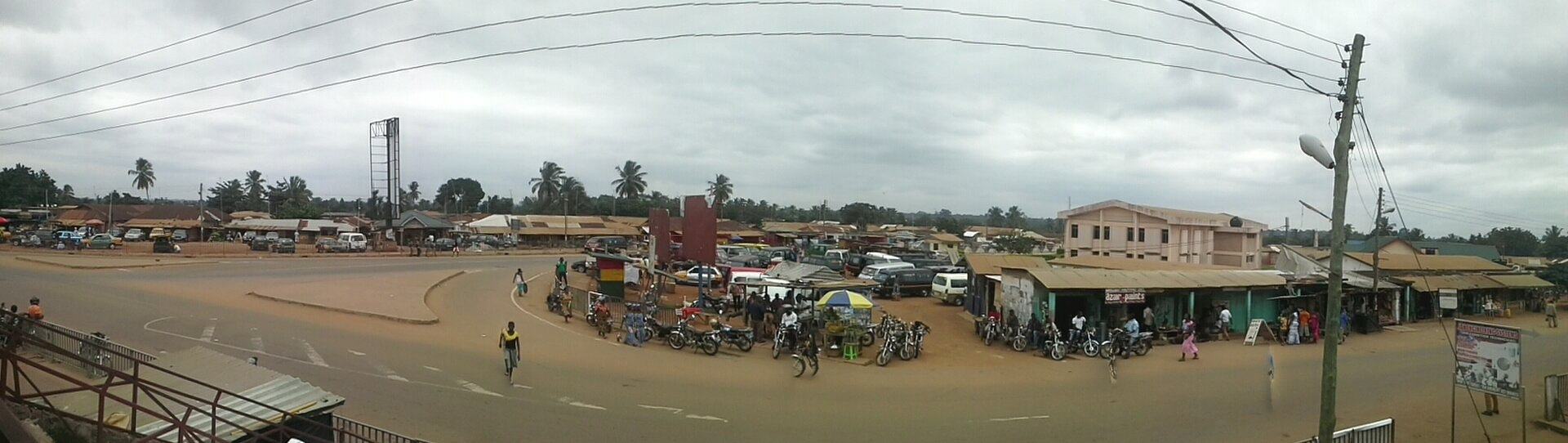
Akatsi was once known as Mornenu — literally 'four junction' — because four roads converge here, leading to Tadzewu and Dzodze, to Ziope and Ho, to Abor, Agbozume, Denu, Aflao and Keta, and to Sogakope and Accra. Traders came in from all four directions to barter, and many stayed, marrying and settling. Local tradition holds that the name Akatsi grew out of that habit: visitors kept postponing their departure until they were stuck here for good. The town's modern shape owes much to the road. In 1948 a local worker known as Papa Miller persuaded the contractor building the Accra–Aflao road to route it through the Akatsi market in the middle of town. The market boomed, and Akatsi became the transit point for anyone from Avenor and Ave travelling to a bigger city. A bypass now carries through-traffic around the centre, but the old road's legacy is still legible in the busy lorry park and the market that anchors the town.


Avenor: the people of the forest
Akatsi is the administrative capital of the Avenor Traditional Area, whose people are Avenor Ewe — a sub-group of the wider Ewe nation. Their traditional seat is at Avenorpeme, not Akatsi itself, and the Avenor are administratively divided between Akatsi South and Akatsi North. The name Avenor is often glossed as 'forest dwellers'. Avenor oral history traces a long migration: from Avenor Ketukpe near Ketu, to Notsie, then to Avenor-Agu Volui near Kpalime in present-day Togo, on to Anyirawase Awudome and Fodzoku, across the Volta to Kroboland and Kpong — where they were known as the Avenor Krobos — and finally to Avenorpeme, their permanent home from around 1776. Along the way they fought the Anlo in the eighteenth century and scattered settlements from the thirteen Avenor clans. Farming remains the main occupation, and the Avenor year is marked by festivals including Avenor Tutudoza, Agbeliza (a cassava festival) and Atsitoeza, celebrated with Agbadza drumming and dancing.


Wetlands at the edge of town
South of Akatsi, between the Aflao road and the Atlantic, lies the Avu Lagoon — a freshwater marsh of shallow lake, streams and aquatic vegetation. It is the only place in Ghana where the sitatunga, the world's only aquatic antelope, still survives, and it was once feared extinct across West Africa. The sitatunga is a shy swamp-dweller with splayed, elongated hooves that let it walk on floating vegetation; when alarmed it submerges, leaving only its nostrils above water. Around the lagoon, the Xavi Bird Sanctuary protects a wetland-and-savannah landscape that draws waterbirds and migratory species, and community guides run canoe trips along the Lotor River past flooded fig forest, traditional fishing grounds and a baobab grove. The area is managed as a community ecotourism project, with local people employed as guides and craftsellers — conservation here is tied directly to livelihoods.


What to do
Things to do in Akatsi
-
Attraction
1.Shop Akatsi Market on market day
Akatsi Market, also called Akatsi Main Market, is the principal marketplace of the town and one of the largest in the Volta Region. Trading happens regularly, but the market is at its busiest on a four-day cycle, when farmers and traders pour in from the surrounding villages with cassava, plantain, maize, pepper, fish and livestock. Come for the produce, the cloth and the household goods, and for the sheer theatre of a West African market in full flow. It is the beating commercial heart of the municipality.
Tip: Ask locally which day the next market falls on — it rotates on a four-day cycle, so it is not fixed to a weekday. Go early, before the heat and the crowds peak.
-
2.Canoe the Avu Lagoon and look for sitatunga
From the visitor centre near Xavi, a local guide paddles you along the Lotor River into the Avu Lagoon wetland. This is the only place in Ghana where the sitatunga — the world's only aquatic antelope — still lives, and the birdlife is exceptional, with waterbirds, migratory species, reptiles and small mammals. A two-hour river tour takes in aquatic bird life and local fishing practices; longer canoe safaris push through flooded fig forest to the wildlife viewing platforms. Binoculars transform the experience.
Tip: Sitatunga are most active between sunrise and mid-morning and again from late afternoon to dusk. Birds are loudest at dawn and dusk, so plan around those windows.
-
3.Walk the baobab grove at Avu Lagoon
Near the lagoon, a grove of baobab trees makes a calm counterpoint to the water. There is a summer hut among the trees where you can sit, eat a packed lunch and watch birds move through the canopy. It is an easy, low-effort stop that suits families and anyone who wants a slower hour in the landscape rather than a full day on the water. Combine it with the canoe trip for a rounded half-day in the wetlands.
Tip: Bring your own food and water — refreshments are limited, though community cooks can arrange meals if you ask ahead through the visitor centre.
-
4.See the sitatunga viewing platforms
Inside the community-protected area are two wildlife viewing platforms built for quiet observation of the wetland. Reaching them involves a canoe ride of roughly three-quarters of an hour followed by a short walk onto the platform. From there you look out over the marsh where sitatunga feed and rest on trampled platforms of dry vegetation. Even without a sighting, the platforms give you a rare, still vantage over a habitat that supports an animal found almost nowhere else in the region.
Tip: Move slowly and keep voices low on the approach — sitatunga are extremely alert and will submerge at the first sign of disturbance.
-
5.Explore the four junctions of Akatsi
Akatsi's identity is written into its road layout. The town was once called Mornenu, 'four junction', and the four arms still lead to distinct places: Tadzewu and Dzodze; Ziope and Ho; Abor, Agbozume, Denu, Aflao and Keta; and Sogakope and Accra. Walking the centre and the lorry park gives you a sense of why this crossroads became a market town and a transport hub on the trans-West Africa highway linking Lomé to Accra. It is a simple, free way to read the town's geography.
Tip: The lorry park is liveliest in the early morning as vehicles load for Ho, Accra and the border. Ask before photographing people at work.
-
6.Visit Akatsi College of Education
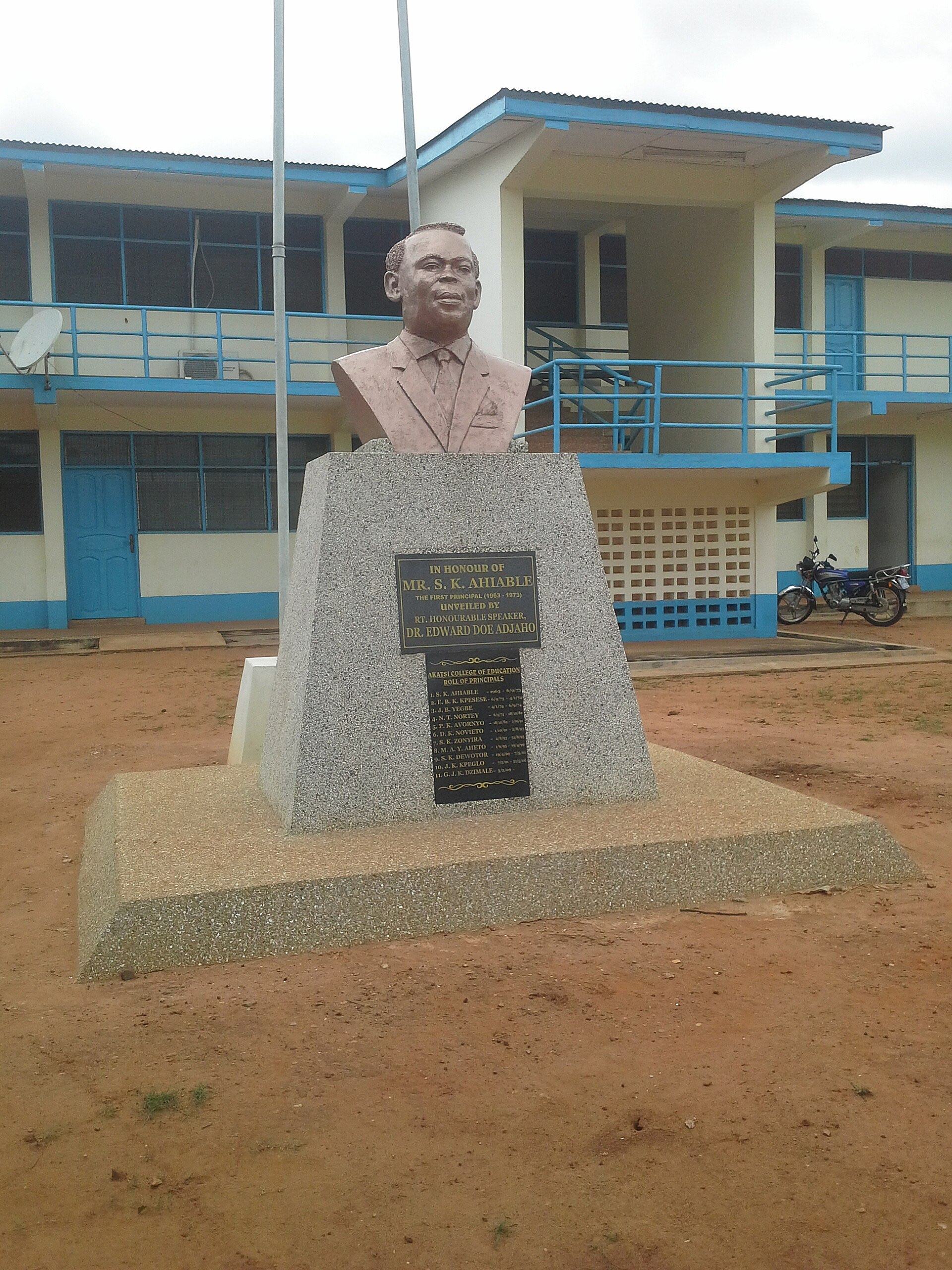
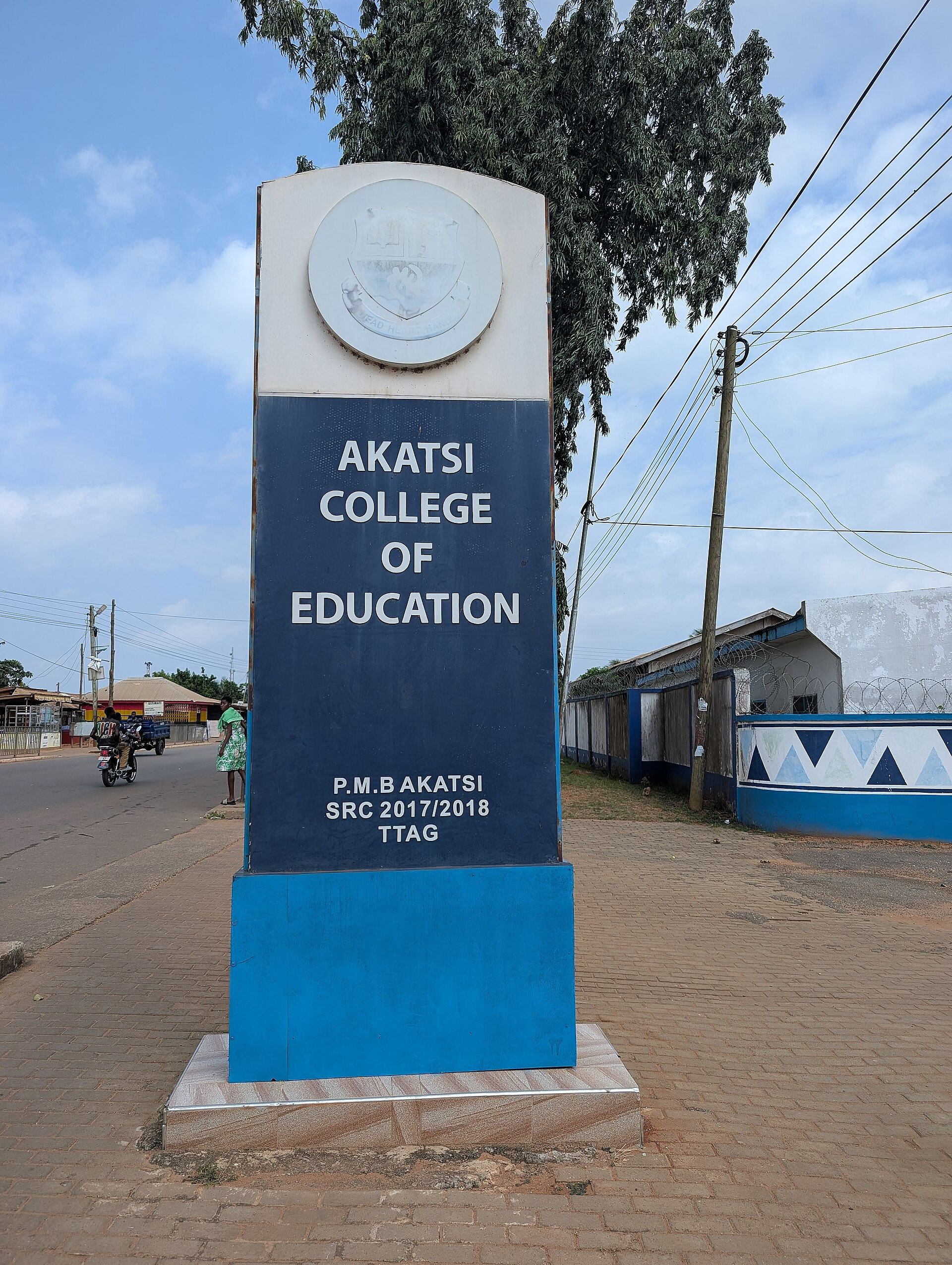
Akatsi College of Education, known as AKATSICO, was established on 1 October 1963 and is one of Ghana's teacher-training colleges, home to more than 700 students. It began in the abandoned corrugated-iron structures of the Taylor Woodrow construction camp, the firm that built the Akatsi–Denu stretch of the Accra–Aflao road, and admitted its first 42 students that October. It became coeducational in 1967. The campus, on the main Accra–Aflao road, is a reminder that Akatsi has long been a centre of education as well as trade.
Tip: This is a working college, so visit respectfully and ask permission at the entrance before walking the grounds or taking photographs.
-
7.Taste Avenor cooking
Avenor food is built on cassava and maize, the area's staple crops. Look for akple with fetri detsi (a draw soup), yakeyake with abobi tadi (pepper and small fish), abolo with abobi kalami, and aliha — the local malt also called Ayigbe. Trying these dishes in Akatsi is a direct route into the everyday culture of the Avenor people, whose farming calendar shapes both the menu and the festivals. Eat where the market traders eat, and ask what is freshest that day.
Tip: Many local spots cook in batches and sell out by early afternoon — lunch is the reliable meal, and vegetarian options are limited, so ask what is in the pot.
-
8.Time a visit to Avenor Tutudoza
Avenor Tutudoza is the flagship festival of the Avenor Traditional Area, celebrated by the chiefs and people under the Paramount Chief, Torgbui Dorglo Anumah VI, and the Paramount Queen Mother, Mama Yeasidi III. Recent editions have run across several days with a children's durbar, a pilgrimage to Datsutagba, clean-up exercises, a fashion show, health walk, youth forum, beauty pageant, sports gala and musical concert, climaxing in a grand durbar at the Akatsi market lorry station. It is a genuine community event rather than a staged show.
Tip: The grand durbar draws thousands, so arrive early for a good vantage point and expect roads and the lorry park to be very busy on the day.
Plan your time
Suggested itinerary
Half a day: market and town
Start early at Akatsi Market (place_id 287) on a market day, when the four-day cycle brings in farmers and traders from across the municipality — give it a couple of hours for produce, cloth and the general bustle. Walk from the market to the lorry park and trace the four junctions that gave the town its old name, Mornenu. Finish with a late lunch of akple and fetri detsi or yakeyake near the market, then, if time allows, stroll past the entrance of Akatsi College of Education on the main road.
Akatsi Market
One day: town and wetlands
Spend the morning at Akatsi Market (place_id 287) and the town centre, then head south towards the Avu Lagoon and Xavi. At the visitor centre, arrange a guided canoe trip on the Lotor River, looking for waterbirds and, with luck, the sitatunga, and walk out onto one of the wildlife viewing platforms. Round off with an hour in the baobab grove and its summer hut before returning to Akatsi for the evening. This pairs the town's commercial life with the wetland that makes the area unusual.
Akatsi Market
Two days: Akatsi and the Avenor country
Day one: market and town in the morning, then the Avu Lagoon and Xavi wetlands in the afternoon, staying overnight locally. Day two: go deeper into Avenor country — the traditional seat at Avenorpeme, and the surrounding farming villages whose cassava and maize supply the market. If your visit coincides with Avenor Tutudoza, build the day around the durbar at the Akatsi market lorry station. Otherwise, use the second day for a longer canoe safari through the flooded fig forest and a slower look at community life around the lagoon.
Akatsi Market


Seasons and festivals
When to go
Akatsi sits in Ghana's south-eastern Volta Region, where the climate is hot and humid for most of the year. Mean daily maximum temperatures run from about 29°C in July and August to around 35°C in February, and rainfall peaks in May and June, with a second wetter stretch in September and October; the driest months are January and December. The Avu Lagoon can be visited at any time of year, and birds are most active and vocal at dawn and dusk. The sitatunga is easiest to spot between sunrise and mid-morning and again from late afternoon to sunset. The biggest draw in the calendar is Avenor Tutudoza, the Avenor Traditional Area's festival, which in recent years has fallen in November and climaxed with a grand durbar at the Akatsi market lorry station.
- Avenor Tutudoza · November (recent editions)
- The flagship festival of the Avenor Traditional Area, celebrated by the chiefs and people under Paramount Chief Torgbui Dorglo Anumah VI and Paramount Queen Mother Mama Yeasidi III. Recent programmes have included a children's durbar, a pilgrimage to Datsutagba, a clean-up exercise, fashion show, health walk, youth forum, beauty pageant, sports gala and musical concert, ending in a grand durbar at the Akatsi market lorry station.
- Agbeliza · Cassava harvest season
- A cassava festival celebrated by the Avenor, reflecting the area's reliance on cassava as a staple crop. It is one of several Avenor festivals, alongside Atsitoeza, that mark the agricultural year with drumming, dancing and community gatherings.
- Atsitoeza · Avenor festival calendar
- Another of the Avenor Traditional Area's festivals, celebrated alongside Agbeliza and Avenor Tutudoza. During these festivals women wear kaba and slit and dance to Agbadza drumming, and the occasions are used to promote peace and harmony among the people of Avenor.
Access
Getting there and around
Akatsi lies on the main Accra–Aflao road in the Volta Region, about 140 km from Accra and roughly 80 km south-east of the regional capital, Ho. The town is a transport hub on the trans-West Africa highway linking Lomé in Togo to Accra, and the Accra–Aflao route runs through it, so trotros and buses between Accra, Ho, Aflao and the coast pass regularly. Akatsi College of Education sits along the main Accra–Aflao road, about thirty kilometres east of the lower Volta bridge at Sogakope, which gives a useful sense of the approach from the west. For the Avu Lagoon and Xavi, turn off the main Accra–Aflao road at Akatsi onto the dirt road and follow the signs to the visitor centre; local taxis run from Akatsi market along that road, and trotros are available from Accra and Ho. Within Akatsi, shared taxis and okada (motorcycle taxis) cover the town and its approaches.
Good to know
Before you go
Akatsi is a working town, not a resort, so come with a relaxed, respectful attitude and modest dress, especially around the market, the college and any traditional gatherings. Ewe is the everyday language, with French also used in social and economic dealings because of the nearby Togo border; English will get you by in most formal settings, but a few words of Ewe go a long way. Carry cash, as card payment is uncommon outside larger businesses. The market's four-day cycle means the town's rhythm shifts from day to day — check locally before planning your visit around it. If you are heading to the Avu Lagoon, arrange your guide and canoe through the visitor centre, take water, sun protection and binoculars, and follow your guide's instructions in the wetland. Ask permission before photographing people, particularly at the market and during festivals, and treat the sitatunga's habitat as the fragile, community-protected place it is.


FAQ
Questions travellers ask about Akatsi
Where is Akatsi in Ghana?
Akatsi is a town in the Volta Region of south-eastern Ghana and the capital of Akatsi South Municipality. It lies on the main Accra–Aflao road, about 140 km from Accra and roughly 80 km from Ho.
What is Akatsi known for?
It is best known as a crossroads market town — one of the largest markets in the Volta Region — and as the administrative capital of the Avenor Traditional Area. Nearby, the Avu Lagoon and Xavi Bird Sanctuary are the only place in Ghana where the sitatunga, the world's only aquatic antelope, still lives.
When is Akatsi market day?
Trading takes place regularly, but the market is at its busiest on a four-day cycle rather than a fixed weekday, so the busiest day shifts through the week. Ask locally which day the next market falls on.
Can you see the sitatunga near Akatsi?
Yes — the Avu Lagoon wetland, reached from Akatsi, is the only place in Ghana where the sitatunga survives. Sightings are never guaranteed, but the animal is most active between sunrise and mid-morning and from late afternoon to sunset, and guided canoe trips and viewing platforms give the best chance.
What is the Avenor Tutudoza festival?
Avenor Tutudoza is the main festival of the Avenor Traditional Area, celebrated by its chiefs and people under Paramount Chief Torgbui Dorglo Anumah VI. Recent editions have run over several days with a children's durbar, a pilgrimage to Datsutagba, a health walk, youth forum, sports gala and musical concert, climaxing in a grand durbar at the Akatsi market lorry station.
How do you get to Akatsi from Accra or Ho?
Akatsi sits on the main Accra–Aflao road, so trotros and buses between Accra, Ho, Aflao and the coast pass through the town. For the Avu Lagoon, turn off the main road at Akatsi and follow the signs to the visitor centre; local taxis run from Akatsi market along that road.
Who are the Avenor people?
The Avenor are a sub-group of the Ewe people of Ghana, with their traditional seat at Avenorpeme and Akatsi as their administrative capital. Their traditional area spans Akatsi South and Akatsi North, and their history traces a long migration from Ketu and Notsie to their permanent home at Avenorpeme around 1776.
In pictures
Akatsi in pictures
Keep exploring
More destination guides
Sources for this guide (14)
- Akatsi — Wikipedia
- Akatsi South District — Wikipedia
- Avenor Ewe — Wikipedia
- Akatsi College of Education — Wikipedia
- Avu Lagoon Xavi — Visit Ghana
- Sitatunga found in Avu Lagoon — ModernGhana
- Volta Region — National Commission on Culture
- The intriguing story of how Akatsi got its name — GhanaWeb
- 2025 Avenor Tutudoza festival commences — Ghana News Agency
- Sixth Avenor Tutudoza held with focus on employment, skills acquisition — Ghana News Agency
- Akatsi South Municipal Assembly records growth in market revenue collection — Ghana News Agency
- Akatsi South Municipal District — Ghana Property Awards District Portal
- Akatsi South Municipal Assembly — official site
- Akatsi South Municipal — GhanaDistricts.com
Written September 29, 2026 from these sources and reviewed by the VisitGhana.app team. Confirm practical details locally before travelling.