
A river dammed, a nation switched on
The idea was older than independence. A geologist, Albert Kitson, first proposed harnessing the Volta in 1915, hoping to smelt locally mined bauxite with the river's energy. The plan resurfaced after the Second World War, and Kwame Nkrumah, Ghana's first president, made it his own: an aluminium industry powered by a dam, with a smelter at Tema to process the ore. The site chosen was the Akosombo gorge, about 70km north of Tema, where hard quartzite formed the bedrock. Construction began in 1961 as part of the Volta River Project, financed jointly by the Ghanaian government, the World Bank, the United States and the United Kingdom. An Italian consortium, Impregilo, won the contract; a flood in 1963 paused work for three months. The dam was completed in 1965 — a rock-fill embankment 660m long and 114m high, with twin spillways and a powerhouse of six Francis turbines. It first produced 912 megawatts, later upgraded to about 1,020 megawatts, and it gave Ghana one of the highest rates of electricity access on the continent, with surplus exported to Togo, Benin and beyond. The Volta River Authority, created by Parliament in 1961, still runs it.

What the water covered
The lake came at a cost, and it is right to say so plainly. Flooding the valley created a reservoir 400km long and displaced more than 80,000 people from about 740 villages; the government built 52 resettlement townships, but later studies found the planning insufficient, with families questioning the land valuations behind their compensation. The dam also ended the annual floods that had spread nutrient-rich silt across the lower Volta for centuries, feeding farms and fisheries and a clam-picking trade worked largely by women. Farmers who stayed turned to fertiliser, which ran off into the lake and fed algal growth and disease-carrying insects. Some migrated upstream to fish the new lake, forming the shoreline communities that exist today. In September and October 2023, after unusually heavy rain, the Volta River Authority opened the spill-gates to protect the dam; downstream flooding displaced tens of thousands of people and damaged crops and infrastructure. The lake that powers Ghana is also a landscape of loss and adaptation, and the people of the lower Volta carry that history.

A town of many peoples on the water's edge
Akosombo is nicknamed Dam City, and it feels built rather than grown — a planned township with tidy roads and drainage, laid out for the engineers and workers who came to build the project. Its street names read like a map of the continent: Ghana, Congo, Namibia, Lagos-town, Freetown. The population is correspondingly mixed, with Akan, Ewe, Krobo and other groups living side by side. The district around it, Asuogyaman, is a traditional area braided by the lake, with Atimpoku as its capital and a farming economy built on yam, cassava, maize and vegetables. Akosombo Market trades those crops on Mondays and Thursdays, drawing produce from Atimpoku and Akrade and sending maize and cassava on to Accra, Koforidua and the Akuapem ridge. It is a working town, not a resort, and that is part of its appeal: the dam and the lake are the reason it exists, and daily life still turns around them.

The gorge, the bridge and the lake beyond
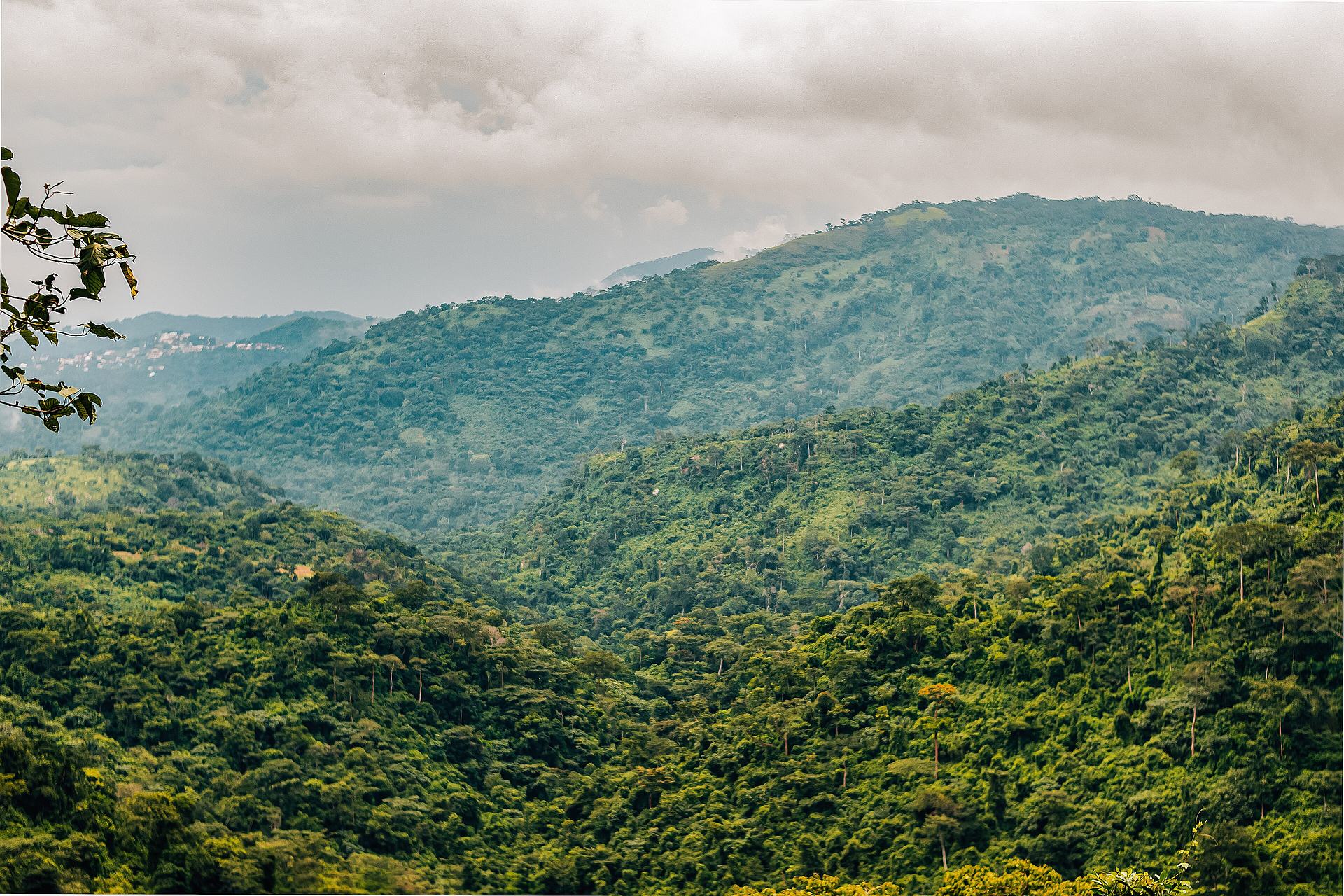
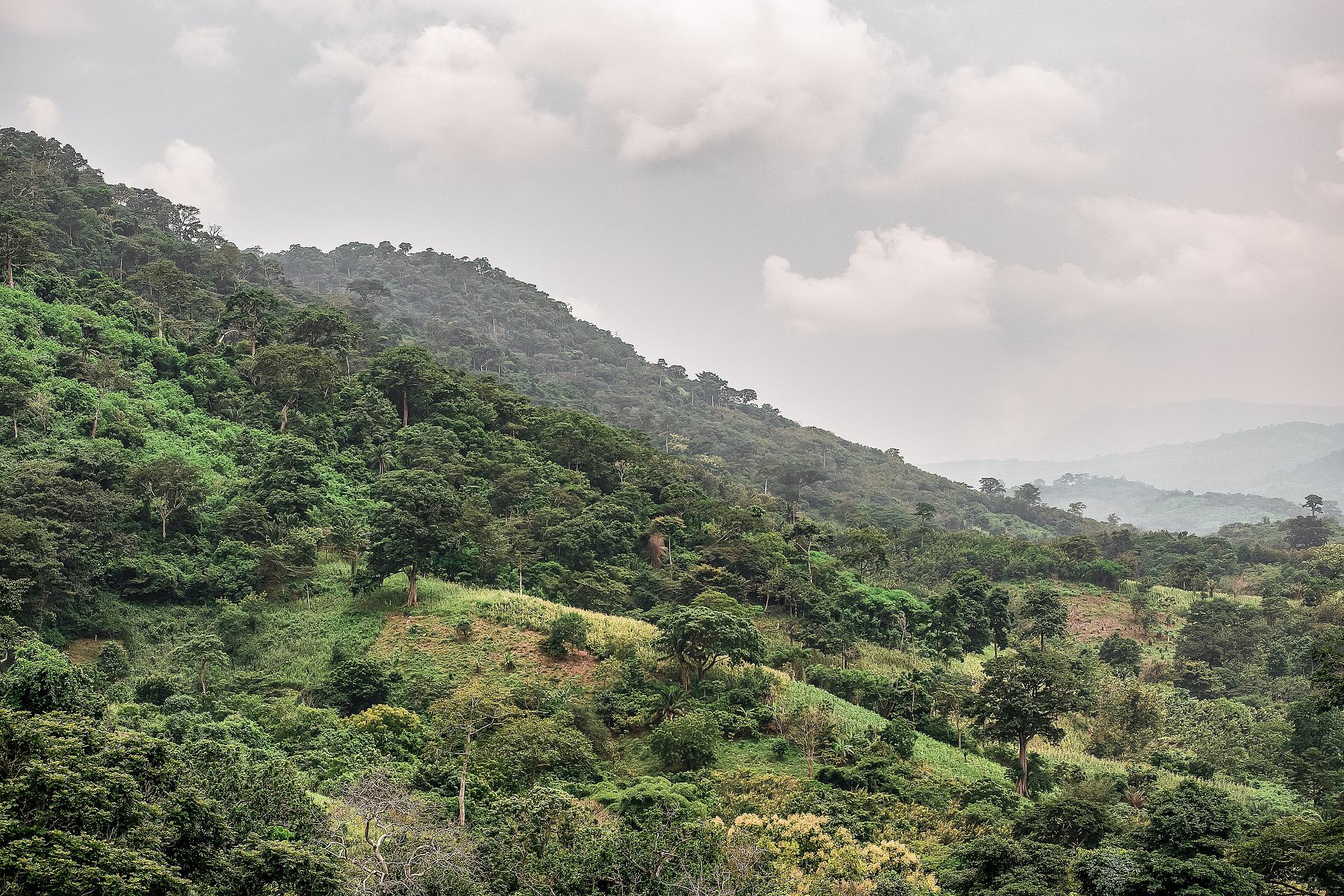
The landscape here is all water and green ridge. The Volta River runs south through the gorge, and just below the dam the Adomi Bridge crosses it at Atimpoku — a latticed steel arch suspension bridge opened in 1957 by Kwame Nkrumah, the first permanent bridge to span the Volta and the main road link between the Eastern and Volta Regions. Its crescent arch has appeared on Ghanaian stamps and currency. North of the dam, the lake opens out into something closer to an inland sea, its forested shores and islands home to a rich fishery — the district budget notes a lake reputed to hold well over a hundred fish species. The Akwapim-Togo range rises to the east, and the water catches the light through the day. Tourist patronage of the dam and lake peaks in July and August, when the spillways and the wide water are at their most dramatic.

What to do
Things to do in Akosombo
-
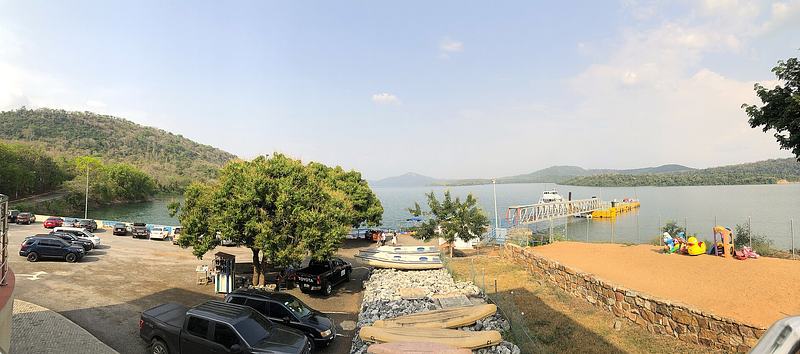
1.Cruise Lake Volta to Dodi Island
The signature Akosombo experience is a day on the water aboard the three-deck MV Dodi Princess II, which sails from Akosombo across the southern reaches of Lake Volta to Dodi Island, roughly a two-hour trip each way. The boat carries live band music, barbecue and water sports, and the open upper decks give you the full sweep of the lake and the Akwapim-Togo hills. It is relaxed, sociable and genuinely scenic — the best way to feel the scale of the reservoir.
Tip: Cruises typically run on weekends and holidays, so book ahead and confirm sailing days with the operator before you travel.
-
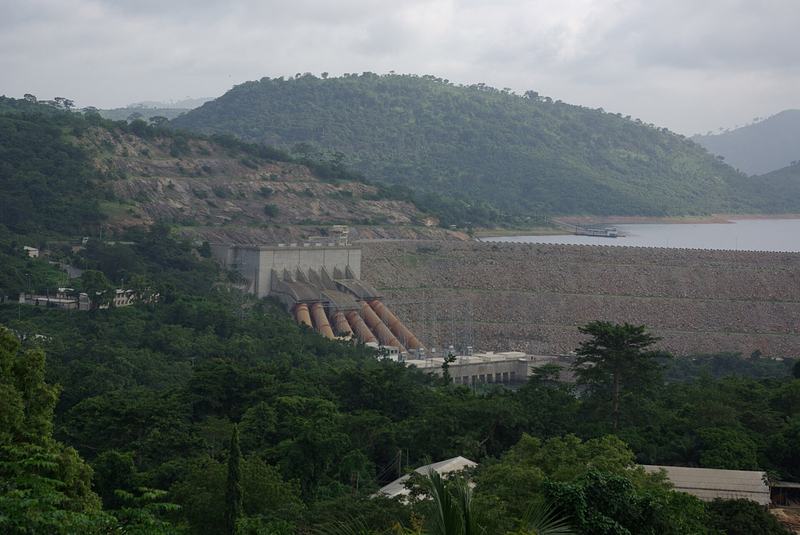
2.See the Akosombo Dam and its spillways
The dam is the reason the town exists, and seeing it in person gives the numbers a body: a rock-fill embankment 660m long and 114m high, holding back a reservoir 400km long. The twin spillways, each with six steel floodgates, are the dramatic part, and the viewpoint above the gorge frames the whole structure against the water. It is a monument to Nkrumah's industrial vision and to the engineers who built it between 1961 and 1965.
Tip: Access to the dam itself is controlled by the Volta River Authority; check in advance whether tours are running and bring photo ID.
-
3.Cross and photograph the Adomi Bridge
Just south of Akosombo, the Adomi Bridge at Atimpoku is Ghana's longest suspension bridge and the first permanent crossing of the Volta, opened in 1957 as the country approached independence. Its crescent-shaped steel arch is one of the most recognisable structures in Ghana, and the view upriver from the bridge takes in the forested banks and the road to the dam. A short stop here bookends any visit to Akosombo.
Tip: There is no pavement for pedestrians, so view and photograph from the approach roads or a safe pull-off rather than walking the carriageway.
-
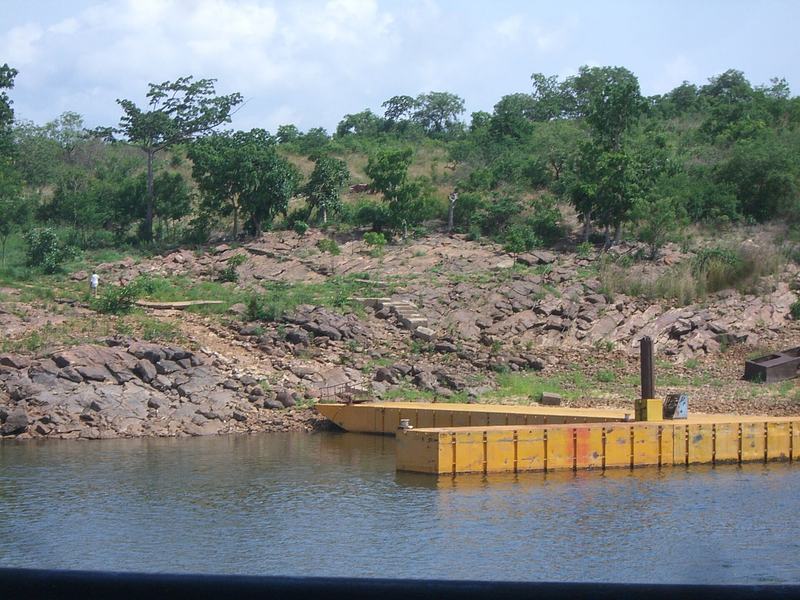
4.Explore Dodi Island
Dodi Island sits in Lake Volta and is the landing point for the cruise boats, an inhabited island that became a tourist destination after the lake formed in the 1960s. The Volta River Authority has invested in its eco-tourism potential, and a stop here breaks the cruise with a walk ashore, lake views and a sense of how people live on the water. It is the human counterpoint to the engineering of the dam.
Tip: Bring cash for any island purchases and take your rubbish back with you; facilities are limited.
-
Attraction
5.Visit the VRA Museum
The Volta River Authority's museum at Akosombo gathers the story of the Volta River Project — the surveys, the construction of the Akosombo and Kpong dams, the creation of Lake Volta and the role of hydroelectricity in Ghana's development. Exhibits are described as covering the hydroelectric project, local history and the dams' impact on communities, which makes it the place to put the landscape you have just seen into context. Go here first if you want the rest of the visit to make sense.
Tip: Opening arrangements can vary; ask at the VRA or your hotel before setting out, and allow an hour or so.
-
Attraction
6.Shop Akosombo Market on a market day
Akosombo Market is a proper working market, trading yam, maize, cassava and vegetables with main market days on Mondays and Thursdays. Produce arrives by taxi and minibus from surrounding villages such as Atimpoku and Akrade, and much of it moves on to Accra, Koforidua and the Akuapem ridge. Come on a market day for the full bustle, or on a quiet day to talk to traders without the crush. It is the most direct way to meet the district's farming economy.
Tip: Go in the morning when the produce is freshest, ask before photographing people, and keep small notes for easy change.
-
7.Walk the Akosombo waterfront and township
Akosombo was laid out as a planned township for the dam project, and it shows: the district budget notes it has some of the best town roads and drainage in the area. A wander along the riverfront and through the streets named for African countries — Ghana, Congo, Namibia, Lagos-town, Freetown — gives you the everyday town behind the attraction, with views across the water and a sense of the mixed Akan, Ewe and Krobo community that lives here.
Tip: The riverside is best in the cooler early morning or late afternoon; carry water and sun protection as shade is patchy.


Plan your time
Suggested itinerary
Half a day: the dam, the bridge and the market
Start early at the Akosombo Dam viewpoint, where the morning light is best on the water and the spillways. Move on to the VRA Museum to fill in the history of the Volta River Project, then drive the few minutes south to the Adomi Bridge at Atimpoku for photographs of the arch and the river below. Finish at Akosombo Market if you are there on a Monday or Thursday, or simply walk the tidy township streets and the waterfront before heading back towards Accra.
Akosombo Dam (Akosombo Hydro Plant)→Volta River Authority (VRA) Museum→Akosombo Market
One day: dam in the morning, lake in the afternoon
Give the morning to the Akosombo Dam and the VRA Museum, then take an afternoon Lake Volta cruise aboard the Dodi Princess II out to Dodi Island, with live music and the open decks for the views. If the cruise is not sailing on your date, substitute a walk along the waterfront and a longer stop at the Adomi Bridge, and use the extra time to explore the market and township. Either way, end the day watching the light fade over the gorge.
Akosombo Dam (Akosombo Hydro Plant)→Volta River Authority (VRA) Museum→Dodi World Cruise (Dodi Princess)→Dodi Island
Two days: Akosombo and the wider Asuogyaman
Day one covers the core: the dam, the VRA Museum, the Adomi Bridge and the market or township walk. Day two is for the water — a full cruise to Dodi Island, with time ashore and a slow return across the lake. With a second day you can also linger at the viewpoints above the gorge and take in the forested Volta River downstream, which is one of the area's quiet pleasures. This is a comfortable weekend break from Accra.
Akosombo Dam (Akosombo Hydro Plant)→Volta River Authority (VRA) Museum→Dodi World Cruise (Dodi Princess)→Dodi Island→Akosombo Market

Seasons and festivals
When to go
Akosombo sits in the south of the Eastern Region, and the district's own figures show tourist patronage of the dam and lake peaking in July and August, when the water is high and the spillways are at their most impressive. Those months fall in the main rainy season, so expect heavy showers and lush green ridges; the drier months bring clearer skies and easier road conditions on the feeder routes, which the district notes can become difficult in the rains. The lake is a year-round destination, but the cruise boats generally sail on weekends and holidays, so plan your visit around a sailing day. Market days at Akosombo fall on Mondays and Thursdays, which is worth building into your timing if you want to see the town at its busiest.
- Odwira Festival · September to October
- Odwira is celebrated by the Akuapem people of the Eastern Region, in towns such as Akropong, Aburi, Larteh and Mamfe, and marks the purification of the state, homage to ancestors and the year's harvest. It opens with purification rites and a durbar of chiefs in kente and gold, and includes the lifting of the yam ban and a day of mourning in red and black. It is not held in Akosombo itself, but it is the major cultural festival of the region and falls within reach for travellers based in the Eastern Region.
- Asuogyaman Tourism and Arts Festival · December
- A district-level festival held at Atimpoku, the Asuogyaman capital, celebrating the area's tourism and arts. It is a local event rather than a national one, so dates and programming vary year to year — check locally before planning around it.
Access
Getting there and around
Akosombo lies about 80km north-east of Accra in the Asuogyaman District, and the usual approach is by road from the capital, a drive of roughly one and a half to two hours depending on traffic and your starting point. The main trunk route runs via the Akosombo–Akrade corridor, which links up towards the Tema roundabout, and the town is reached just north of the Adomi Bridge at Atimpoku, which carries the main road between the Eastern and Volta Regions. Buses, shared taxis and private transfers all serve the route from Accra, and tour operators run day trips and cruises that include transport. Once in Akosombo, the town is compact and its roads are among the best in the district, so local taxis and short walks cover most sights; the dam, the museum, the market and the bridge are all close together. For the lake, cruises depart from Akosombo, and the district also has a port on the reservoir. Feeder roads into the surrounding farming communities can deteriorate in the rainy season, so allow extra time if you are exploring beyond the town.
Good to know
Before you go
Akosombo is a working town built around a national power station, so treat the dam as infrastructure first and an attraction second: access is controlled by the Volta River Authority, tours may be restricted, and you should confirm arrangements and carry photo ID before you travel. Dress modestly and ask before photographing people, especially at the market and on Dodi Island. The climate is hot and humid, with a main rainy season around the middle of the year, so pack light clothing, rain protection, sun cream and insect repellent — the lake environment means mosquitoes, and the district's own health notes flag water-borne illness risks, so avoid swimming in untreated lake water. Carry cash for markets and small purchases, as card payment is not universal outside the main hotels. Above all, remember that the lake and the dam reshaped the lives of tens of thousands of people; visit with curiosity and respect for the communities along the shore.

FAQ
Questions travellers ask about Akosombo
Where is Akosombo and how far is it from Accra?
Akosombo is a small town in the south of the Asuogyaman District, Eastern Region, Ghana, set on the Volta River in the Akosombo gorge. It lies about 80km north-east of Accra, roughly a one-and-a-half to two-hour drive, just north of the Adomi Bridge at Atimpoku.
Can you visit the Akosombo Dam?
The dam is operated by the Volta River Authority and access is controlled, so tours may be restricted or require advance arrangement. Check with the VRA before you travel and bring photo ID; the dam and its spillways can also be viewed from the surrounding viewpoints.
What is there to do in Akosombo?
The main draws are the Akosombo Dam, a Lake Volta cruise to Dodi Island aboard the Dodi Princess II, the Adomi Bridge at Atimpoku, the VRA Museum and Akosombo Market. The town itself is compact and easy to walk, with views over the gorge and the lake.
When do the Lake Volta cruises to Dodi Island run?
Cruises aboard the Dodi Princess II generally operate on weekends and holidays, and the trip to Dodi Island takes roughly two hours each way. Confirm sailing days with the operator before you plan your visit, as schedules vary.
What are Akosombo Market's market days?
Akosombo Market holds its main market days on Mondays and Thursdays, trading yam, maize, cassava and vegetables. Produce comes in from surrounding villages such as Atimpoku and Akrade, and much of it is sent on to Accra, Koforidua and the Akuapem ridge.
What is the best time of year to visit Akosombo?
Tourist patronage of the dam and lake peaks in July and August, when water levels are high and the spillways are most dramatic, though this is also the rainy season. The drier months bring clearer skies and easier travel on the district's feeder roads.
Is Akosombo a good day trip from Accra?
Yes — it is a popular weekend getaway and can be done as a day trip, though two days let you combine the dam and museum with a full lake cruise to Dodi Island. Tour operators run day trips from Accra that include transport and the cruise.
In pictures
Akosombo in pictures
Keep exploring
More destination guides
Sources for this guide (12)
- Akosombo Dam | Britannica
- Akosombo Dam - Wikipedia
- Akosombo - Wikipedia
- Lake Volta - Wikipedia
- Asuogyaman District - Wikipedia
- Ghana: Akosombo Dam disaster reveals a history of negligence - The Conversation
- Asuogyaman District Composite Budget 2021 (Ministry of Finance)
- Adomi Bridge - Roots and Culture Tour Ghana
- Dodi Island - Open Wiki
- Dodi Princess - Open Wiki
- Akosombo & Volta River - Rainbow Tours
- Odwira Festival - Visit Ghana
Written September 29, 2026 from these sources and reviewed by the VisitGhana.app team. Confirm practical details locally before travelling.


