
A river town on the road to Togo
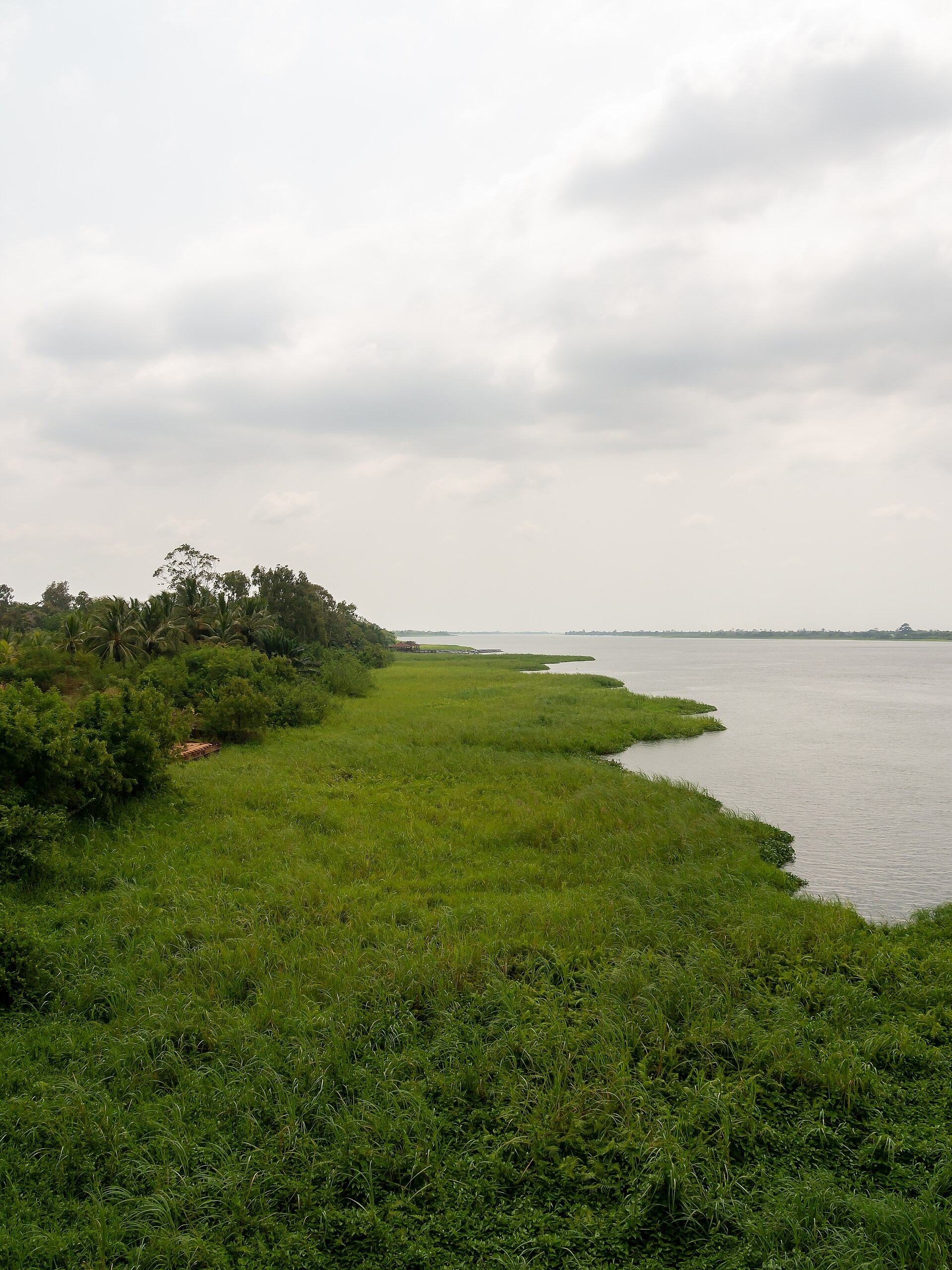
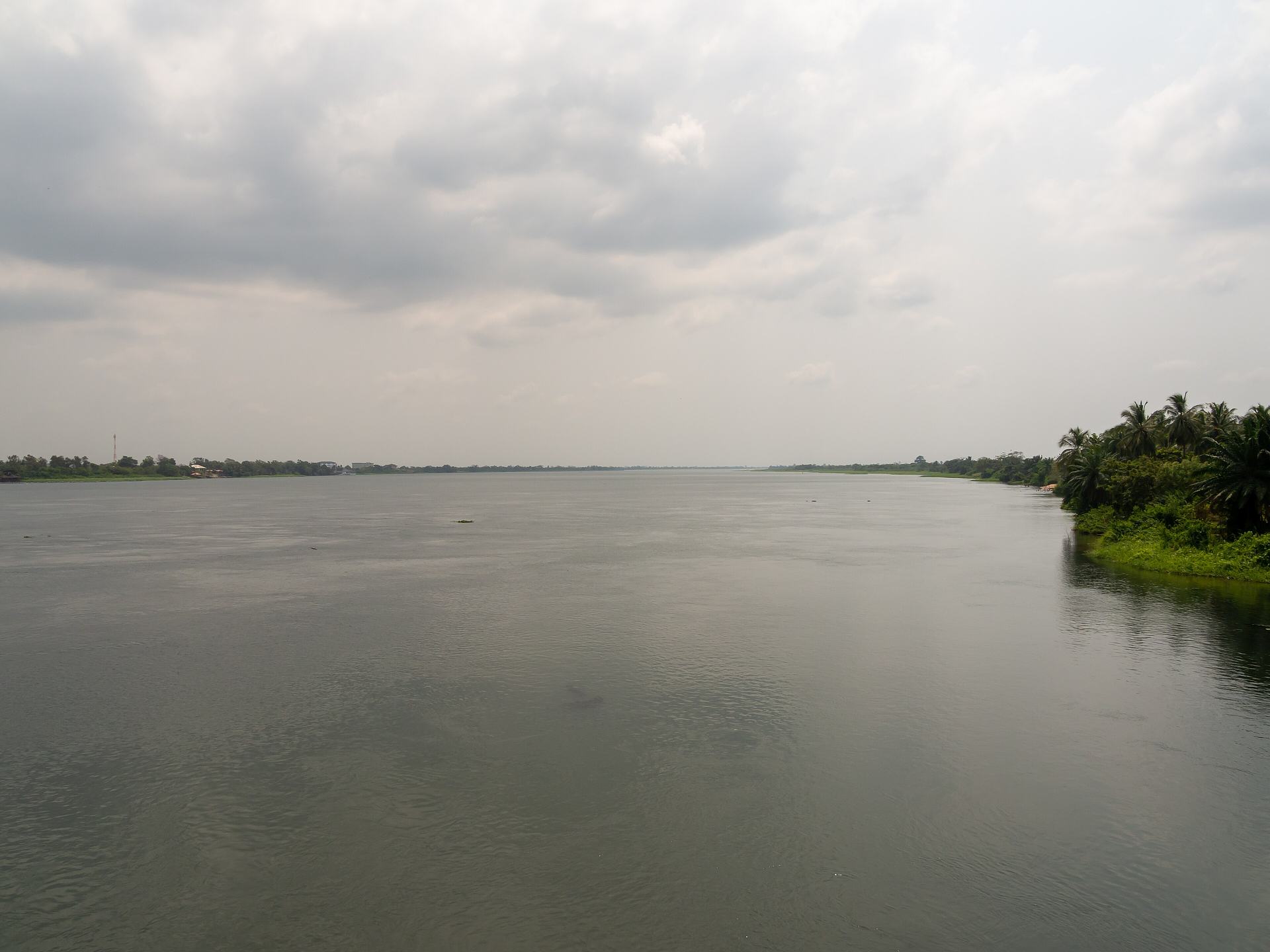
Sogakope — also written Sogakofe — is the administrative capital of South Tongu District, one of the eighteen districts of the Volta Region. The district was created on 10 March 1989 out of the former Tongu District Council, and it sits in the south-western corner of the region, bounded by Lake Volta to the west and south-west, North Tongu to the north-west, Akatsi South to the north-east and Keta to the south. The Volta River runs along its western edge, and smaller streams such as the Chinni and the Todzi thread through the interior. The town's position on the N1 international highway — the road that runs from Togo through Ghana towards Côte d'Ivoire — has always defined it. Before the bridge, people and goods crossed the Volta by ferry; the town was a pause on a journey rather than a destination. Today it is both: a working district capital and, increasingly, a riverside stop in its own right.

The bridge that changed the crossing
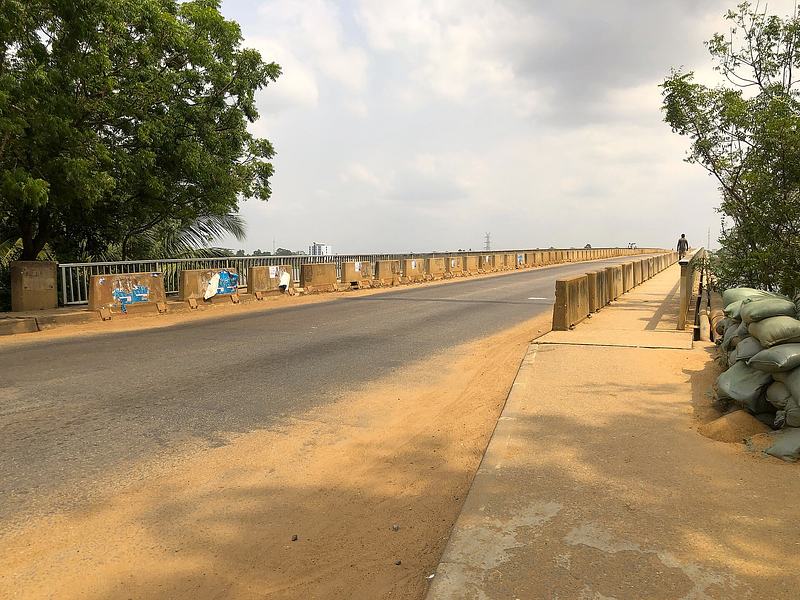
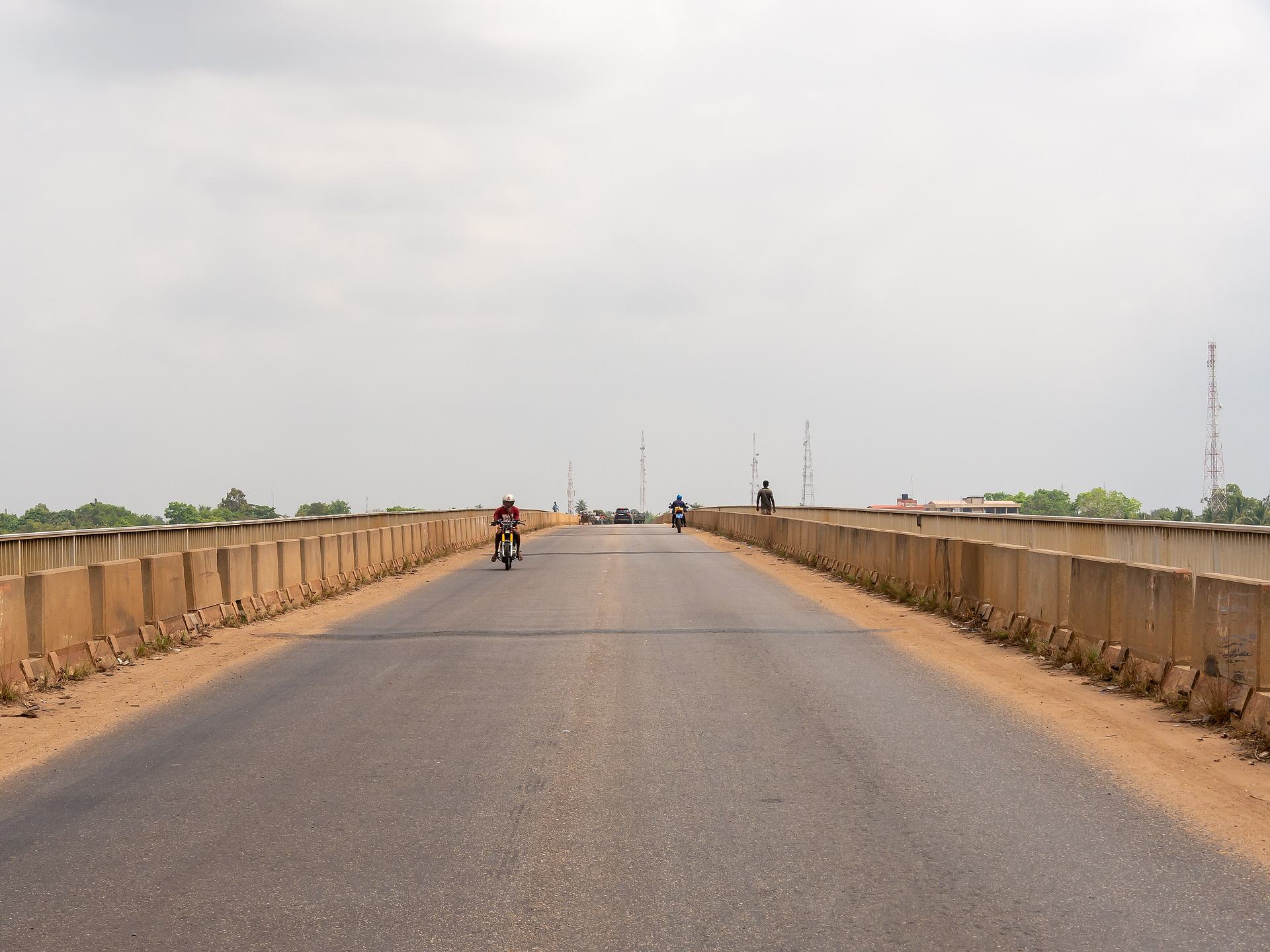
The Lower Volta Bridge, known locally as the Sogakope Bridge, is a 650-metre crossing on the N1 highway that links Sogakope to the neighbouring town of Sokpoe over the Volta River. It was built between January 1965 and January 1967 by two German contractors, and it replaced the ferry that had carried residents and travellers across the water. Kwame Nkrumah cut the first sod in 1964; after his overthrow in 1966, General J. A. Ankrah, chairman of the National Liberation Council, led a delegation to the bridge's official opening in 1967. The crossing opened up the free movement of goods and people and fed economic activity across the lower Volta. It has also had a hard life: by 2009 residents were calling it a death trap because of rusting joints and deteriorating sealants, and in 2013 they appealed to the Ghana Highways Authority for repairs. The bridge remains the town's defining landmark and the stage for its biggest celebration.

Notsie roots and the Tortsogbeza crossing
The people of Sokpoe, Sogakope's neighbour across the river, trace their migration from Ketu in the Benin Empire between the fifteenth and sixteenth centuries, leaving Notsie in present-day Togo and first settling at Penyi in Dzodze. According to the National Commission on Culture, the site they eventually reached was scattered with thunder stones — eso kpɛ in Ewe — which gave Sokpoe its name. The wider Ewe world shares this memory of Notsie and the escape from the oppressive king Togbe Agorkoli, a story carried across the Volta Region in festivals and oral history. In Sokpoe it is remembered each Easter as Tortsogbeza, the river-crossing festival, held in conjunction with Sogakope. The festival opens with libation to cleanse the river before the crossing begins — a rite believed to protect the water from taking any life, especially that of visitors who are not from the town. It is a celebration of gratitude to God and the forefathers, and of a community's journey to its present home.

Bread, boats and a football academy
Sogakope is known for two things beyond its bridge: river tourism and bread. The town's bakeries supply bread across the region, and the river has long supported fishing families along its banks. In recent years the water has become a leisure draw too, with resorts offering boat rides, jet skiing and quiet evenings by the waterfront as the sun sets over the Volta. The town has also become a football town. In 2014 the West African Football Academy, formed from the merger of the Feyenoord Academy and the Red Bull Academy, moved its base to the old Red Bull campus at Fievie near Sogakope. WAFA competes in the Ghana Premier League and finished second in the 2016–17 season, beating Hearts of Oak 5–0 along the way. Its nine-hectare campus, with a stadium, training pitches and residential facilities, has hosted league games against the country's biggest clubs — and it has made this river town a fixture on the national sporting map.

What to do
Things to do in Sogakope
-
1.Walk the Lower Volta Bridge
The 650-metre Lower Volta Bridge is the reason Sogakope exists as a crossroads, and walking or driving across it is the best way to feel the scale of the river. Built between 1965 and 1967 to replace a ferry, it carries the N1 highway between Sogakope and Sokpoe and opens onto wide views up and down the Volta. Come at golden hour, when the water turns to hammered metal and the fishing canoes are heading home.
Tip: Traffic on the N1 is heavy and fast, so stay on the pedestrian side and keep clear of the carriageway; the bridge is also the setting for the Easter Tortsogbeza festival, when crowds gather here.
-
2.Cruise the Volta River
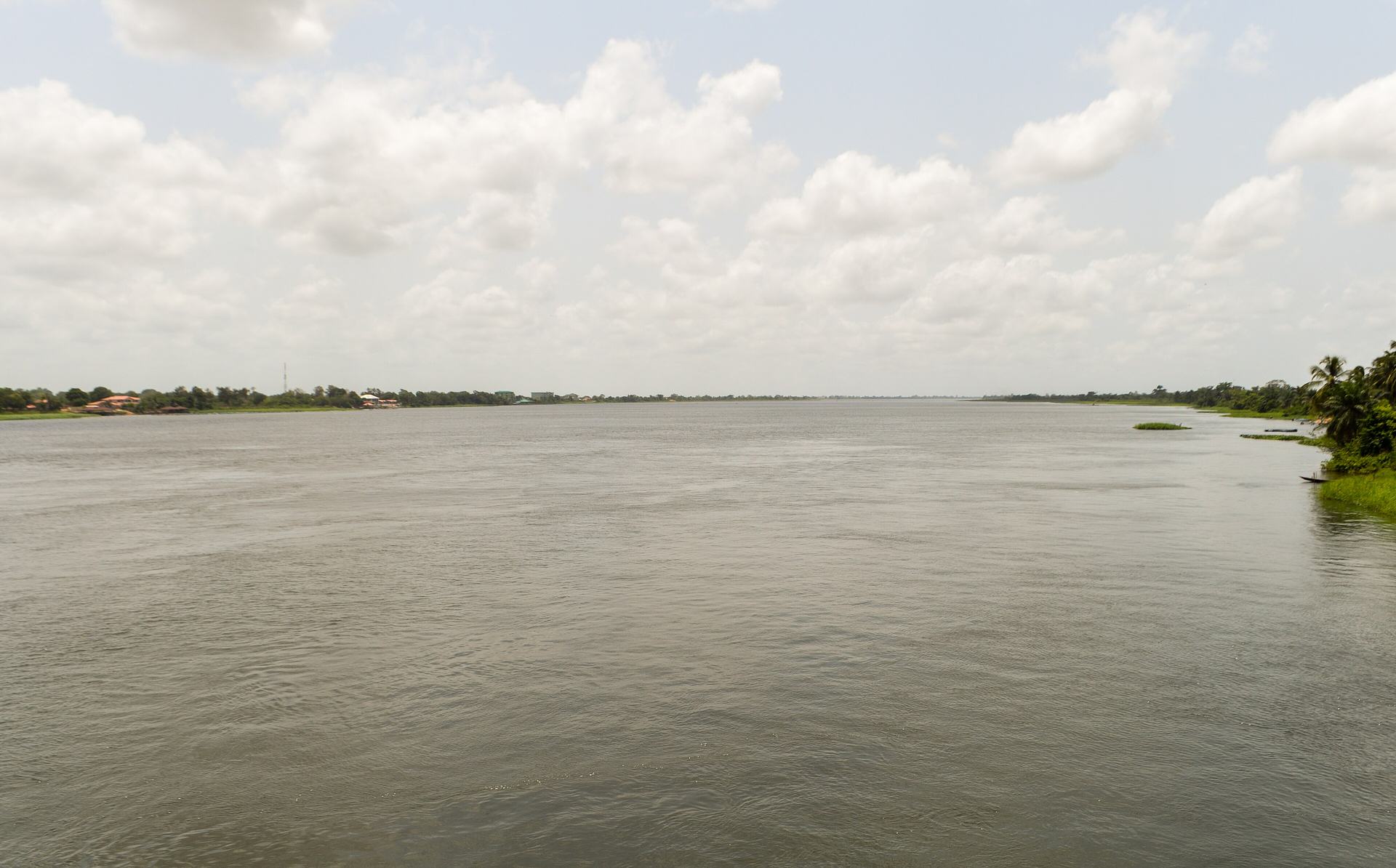
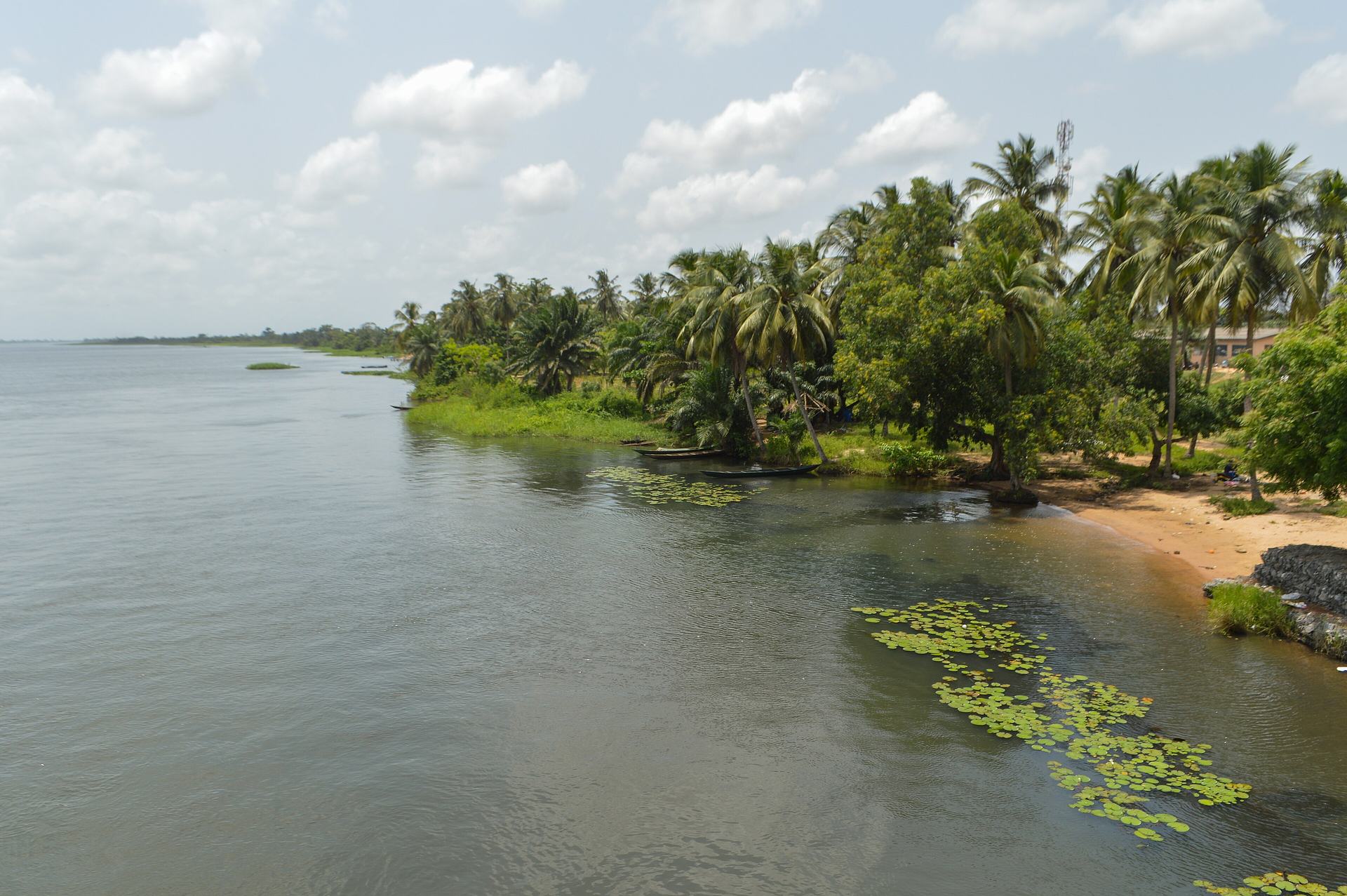
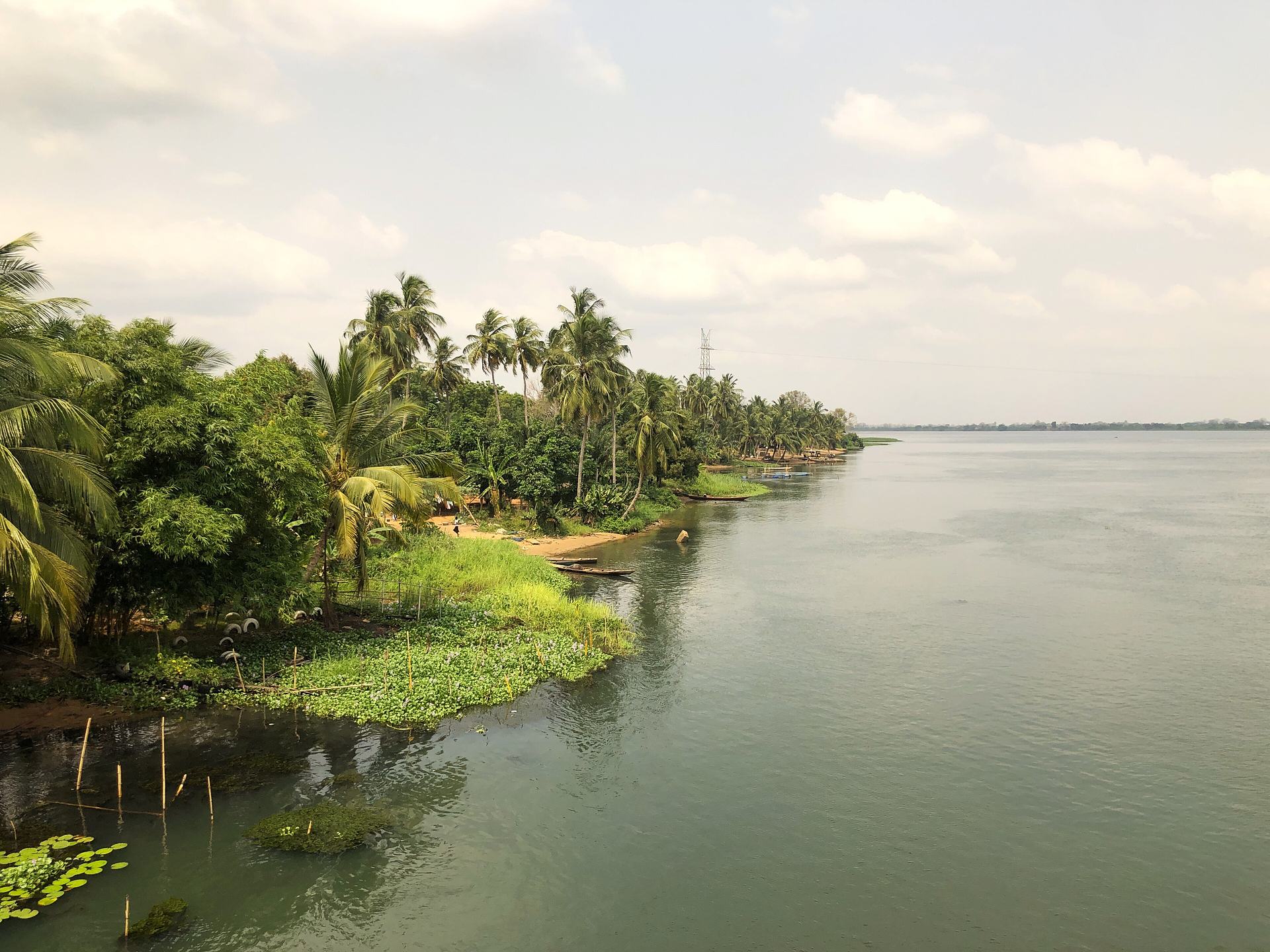
The Volta is the main river system in Ghana, and at Sogakope it runs wide and calm, giving the town its unhurried atmosphere. Boat trips and canoe rides drift past fishing communities and small islands, and resorts along the bank run river cruises, jet skiing and waterfront evenings. For photographers and nature lovers the changing light on the open water is an attraction in itself. This is the activity that has turned Sogakope from a transit point into a destination.
Tip: Go early morning or late afternoon to avoid the heat and catch the best light; arrange trips through riverside operators and confirm what is running before you set out.
-
3.Join the Tortsogbeza festival at Easter
Tortsogbeza, the river-crossing festival, is held each Easter by the people of Sokpoe in conjunction with Sogakope, and it is the town's great annual event. It commemorates the community's migration and crossing of the river, opening with libation to cleanse the water before the crossing begins. Expect water sports — diving from the bridge, regatta, swimming, beach volleyball and canoe expeditions — alongside traditional dancing and singing. It is a living act of remembrance as much as a celebration.
Tip: The festival draws crowds and the bridge can be busy and closed to traffic at times, so plan around it and follow the directions of local organisers.
-
Attraction
4.Watch football at WAFA Park
The West African Football Academy, or WAFA, is based at Fievie near Sogakope, where its nine-hectare campus holds a stadium, training pitches, educational facilities and lodging for young players. The club plays in the Ghana Premier League and has hosted the country's biggest sides, including Hearts of Oak and Asante Kotoko. Catching a match here is a chance to see one of West Africa's most serious talent academies at work, in a small-town setting far from the big-city stadiums.
Tip: Check the Ghana Premier League fixture list before travelling, as matches are played on set dates and the academy is a working campus rather than a public attraction.
-
Attraction
5.See the Sogakope Sports Stadium site
Sogakope's sports stadium is a landmark in the making. The South Tongu District Assembly has prepared the site for the inauguration of construction, and a sod-cutting ceremony has been held for a planned multi-purpose sports complex with a football pitch, athletics track, basketball and volleyball courts and a swimming pool, forming part of a proposed FIFA-standard stadium. For now it is a project to watch rather than a finished venue, but it signals how seriously the district is investing in sport.
Tip: As construction is under way, treat the site as a work in progress and do not enter fenced or active areas; ask locally about the current state of the project.
-
6.Taste Sogakope's bread
Sogakope is known across the region for mass bread production, and the town's bakeries are part of its everyday identity. Buying a loaf fresh from a local bakery is a small, honest way to meet the town as it actually lives — a working place of bakers, fishers and traders rather than a resort strip. Pair it with the riverside setting and you have the simplest possible introduction to South Tongu.
Tip: Buy in the morning when the day's baking is freshest, and carry small notes for local purchases.
-
7.Cross to Sokpoe and meet the river communities
Sokpoe sits directly across the bridge from Sogakope and shares the Tortsogbeza festival with it. The town's people trace their origins to Ketu and Notsie, and their name comes from the thunder stones once found on the site. Walking or driving across to Sokpoe gives you the other half of the story: the fishing and farming community whose migration the festival re-enacts, and whose traditional area is led by a paramount chief. It is a short crossing that changes the perspective entirely.
Tip: This is a residential community rather than a visitor site, so move quietly, ask before photographing people and respect local customs.
Plan your time
Suggested itinerary
Half a day: the river and the bridge
Start with a morning walk or drive across the Lower Volta Bridge, when the light is soft and the river is at its calmest. Continue to the Sogakope bank and arrange a short boat or canoe trip on the Volta, drifting past fishing communities and islands. Finish with bread from a local bakery and a slow hour by the waterfront as the day warms up. If you are here at Easter, build the half-day around the Tortsogbeza festival instead, watching the libation and the water sports from the Sokpoe side.
Lower Volta Bridge (Sogakope Bridge)
One day: river, town and football
Begin on the bridge and then take a longer river cruise or a jet-ski session from one of the riverside resorts. After lunch, cross to Sokpoe to see the community that shares the festival and hear the migration story behind it. In the late afternoon, head to Fievie to see WAFA Park, the home of the West African Football Academy, and catch a Premier League match if the fixtures allow. End the day back at the river for sunset, when the water catches the last of the light.
Lower Volta Bridge (Sogakope Bridge)→West African Football Academy (WAFA) SC Stadium
Two days: Sogakope and the lower Volta
Spend the first day as above, taking in the bridge, the river and Sokpoe, and staying overnight by the water. On the second morning, visit the Sogakope Sports Stadium site to see the district's new sporting project taking shape, then take a slower river excursion or explore the town's bakeries and market. Use the afternoon for a final crossing of the bridge and a quiet stretch on the bank before heading back onto the N1 towards Accra, Ho or the Togo border.
Lower Volta Bridge (Sogakope Bridge)→Sogakope Sports Stadium→West African Football Academy (WAFA) SC Stadium

Seasons and festivals
When to go
Sogakope sits in Ghana's south-eastern corner, where the climate is hot and humid for most of the year, with a wetter season and a drier season shaping the rhythm of river life. The single most compelling time to visit is Easter, when the Tortsogbeza festival fills the bridge and the river with water sports, regattas and traditional performances. Outside the festival, early mornings and late afternoons are the most comfortable hours for the water, and the changing light on the Volta is best then. Because the town lies on the N1 highway, it is reachable year-round, but heavy rain can make riverside paths muddy and river conditions less predictable, so build some flexibility into any boat plans.
- Tortsogbeza (river-crossing festival) · Annually at Easter
- Held by the people of Sokpoe in conjunction with Sogakope, Tortsogbeza commemorates the community's migration and crossing of the Volta. It opens with libation to cleanse the river, then features diving from the bridge, regatta, swimming, beach volleyball and canoe expeditions, alongside traditional dancing and singing. The festival is a re-enactment of the crossing and an expression of gratitude to God and the forefathers.
Access
Getting there and around
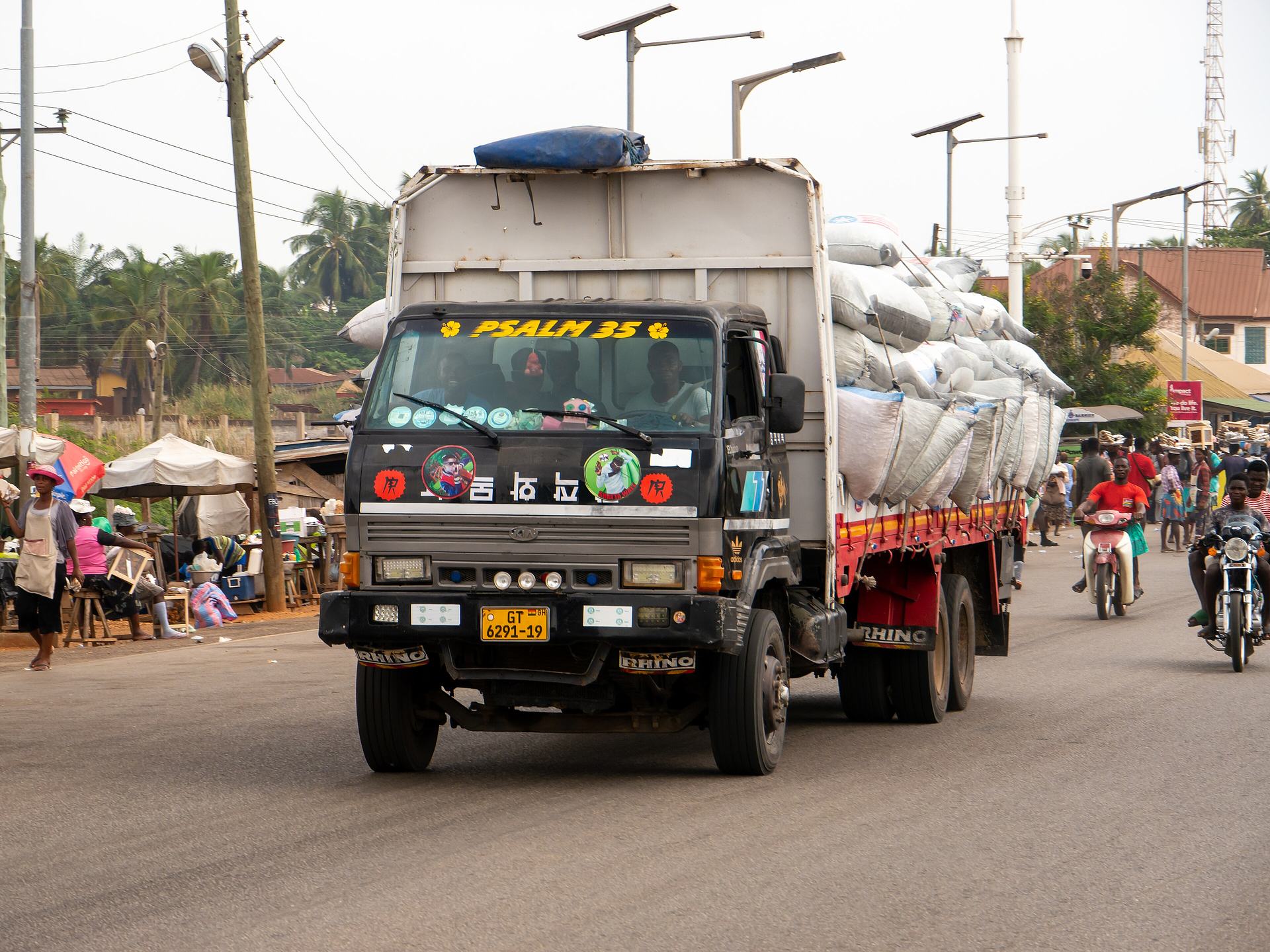
Sogakope lies on the N1 international highway, the road that runs from Aflao on the Togo border through Accra and onward towards Côte d'Ivoire, so it is reached by road and is a natural stop for anyone travelling between Accra and the eastern Volta Region or Togo. The Lower Volta Bridge carries the highway across the river between Sogakope and Sokpoe, and it is the town's main crossing point. WAFA Park is at Fievie near Sogakope, described by the academy as roughly a one-and-a-half-hour drive from Accra. Within the town and along the river, movement is by road and by boat; riverside resorts and local operators arrange boat trips and water activities, and the bridge links the two banks on foot or by vehicle. Because the town sits on a busy trunk road, allow extra time around peak travel periods and the Easter festival.
Good to know
Before you go
Sogakope is a working district capital, not a resort town, so travel with the same courtesy you would anywhere in the Volta Region. Ewe is the everyday language here, alongside English, and a greeting goes a long way. The river deserves respect: currents and depth vary, so swim or dive only where local organisers and operators say it is safe, and never assume the water is as calm as it looks from the bridge. The bridge itself carries fast traffic on a trunk highway, so cross with care and keep to the pedestrian side. Around the Tortsogbeza festival, follow the instructions of organisers and traditional authorities, and treat the libation and other rites as the serious acts of remembrance they are. Ask before photographing people, especially at ceremonies, and dress modestly away from the waterfront. Carry cash for small purchases, and remember that the town's bakeries, fishers and traders are the heart of the place.

FAQ
Questions travellers ask about Sogakope
Where is Sogakope in Ghana?
Sogakope, also written Sogakofe, is the capital of South Tongu District in the Volta Region of south-eastern Ghana. It sits on the lower Volta River along the N1 highway between Accra and the Togo border.
What is Sogakope known for?
It is best known for the Lower Volta Bridge, its river tourism and its bread production, as well as for the Easter Tortsogbeza festival and for being the home base of the West African Football Academy.
What is the Tortsogbeza festival?
Tortsogbeza is the river-crossing festival celebrated by the people of Sokpoe with Sogakope each Easter. It commemorates their migration and crossing of the Volta, opening with libation and featuring diving from the bridge, regatta, swimming and traditional performances.
How long is the Sogakope Bridge?
The Lower Volta Bridge, also called the Sogakope Bridge, is 650 metres long and carries the N1 highway across the Volta River between Sogakope and Sokpoe. It was built between 1965 and 1967.
Can you do boat trips on the Volta River at Sogakope?
Yes. The river is the town's main attraction, and riverside resorts and local operators run boat rides, canoe trips and water sports such as jet skiing. Early morning and late afternoon are the best times to be on the water.
Is there a football team in Sogakope?
Yes. The West African Football Academy, or WAFA, is based at Fievie near Sogakope and plays in the Ghana Premier League. Its campus includes a stadium, training pitches and residential facilities for young players.
How do you get to Sogakope?
Sogakope is reached by road on the N1 highway, which links Accra with Aflao and the Togo border, and the Lower Volta Bridge carries the road across the river. WAFA Park at Fievie is described by the academy as about a one-and-a-half-hour drive from Accra.
In pictures
Sogakope in pictures
Keep exploring
More destination guides
Sources for this guide (14)
- Sogakope — Wikipedia
- South Tongu District — Wikipedia
- Lower Volta Bridge — Wikipedia
- How Nkrumah helped grow local businesses with construction of Ghana's longest bridge in 1964 — GhanaWeb
- Sokpoe set for Tortsogbeza festival — Graphic Online
- Volta Region — National Commission on Culture, Ghana
- Anlo Ewe — Wikipedia
- Volta River — Wikipedia
- West African Football Academy — Wikipedia
- Our Academy — West African Football Academy
- Sogakope — Speed, fun and adventure on the Volta — Graphic Online
- South Tongu District — Sogakope — GhanaRemembers
- Sogakope to get ultra-modern sports complex — GBC Ghana Online
- Clean-up exercise at Sogakope Stadium — South Tongu District Assembly
Written September 29, 2026 from these sources and reviewed by the VisitGhana.app team. Confirm practical details locally before travelling.


