
A fort named 'profit', and a treaty that outlasted empires
Fort Batenstein was built by the Dutch West India Company in 1656, and its name gives away the motive: Batenstein translates as 'profit fort'. It was not raised because Butre promised rich trade but to shut out the rival Swedish Africa Company, which had run a trading lodge here since 1650. The Dutch pushed the Swedes out, then signed an agreement with the local leadership that would define the coast for two centuries.
That agreement, the Treaty of Butre, was signed on 27 August 1656 between Dutch officials and the chiefs of Upper Ahanta and Butre. It placed the town and surrounding country under Dutch protection, and it held — through wars, gold rushes and changes of fortune — until the Dutch left the Gold Coast on 6 April 1872. That is more than 213 years, making it one of the oldest and longest-functioning treaties between an African and a European state. The fort itself was a modest affair. The Ghana Museums and Monuments Board notes that its walls were so weak the building shook when its own guns fired salutes, and the Dutch merchant William Bosman dismissed it as 'a tiny, ill designed fort'. Its steep hill was its best defence. It became briefly important in 1837, when the Dutch–Ahanta War made it the centre of Dutch military effort on the coast, and in 1873 the British shelled Butre after the town protested the transfer of Dutch possessions. Today it stands as a ruin, consolidated between 2010 and 2011, and inscribed in 1979 as part of the UNESCO World Heritage listing of Ghana's forts and castles.

A village that still lives off the river
Butre is a fishing community first. Nets dry on fences, canoes rest under thatch shelters, and the estuary is a working crossing rather than a staged attraction — the same dugout canoes carry fishermen, traders and schoolchildren from one bank to the other. The village sits in the Ahanta West District, on the same stretch of coast that produced Busua's surf scene and Dixcove's Fort Metal Cross, and it shares the Ahanta heritage of the wider region.
That heritage is still celebrated. Kundum, the harvest festival of the Ahanta and Nzema peoples, is believed to predate European arrival on the Gold Coast and rolls from town to town across the Western Region between August and October, each community taking its own week. Its masked-dancer rituals and drumming are taken seriously by local people, not staged for visitors. Further along the coast at Busua, the Asa Baako festival brings live music and sound systems to the beach each March around Ghana's Independence Day. In Butre itself, tourism is organised at community level: a Town Tourism Development Committee arranges guided walks to the fort and the surrounding area, so the small fees paid locally stay in the village.

Hills, mangroves and an empty shoreline
The landscape is what makes Butre feel sealed off. High, forested hills rise behind the village, and the coast road only reaches it after a slow approach through Agona. The reward is a sheltered bay where the river meets the Atlantic, a narrow palm-fringed beach, and a river that runs quietly inland through mangrove channels.
Paddling upstream by dugout canoe is the best way to see the place properly. Guides point out mudskippers flipping across the mud banks, kingfishers working the treeline, and monkeys and reptiles in the trees; locals will tell you crocodiles appear further upstream, though you should not plan a visit around seeing one. On the beach, sea turtles nest in season, and the lodges along the sand run conservation programmes that protect eggs from dogs, predators and people. Above it all, the walk up to Fort Batenstein gives the view that ties the scene together: the river mouth running straight down to the open Atlantic, with the village roofs below.

What to do
Things to do in Butre
-
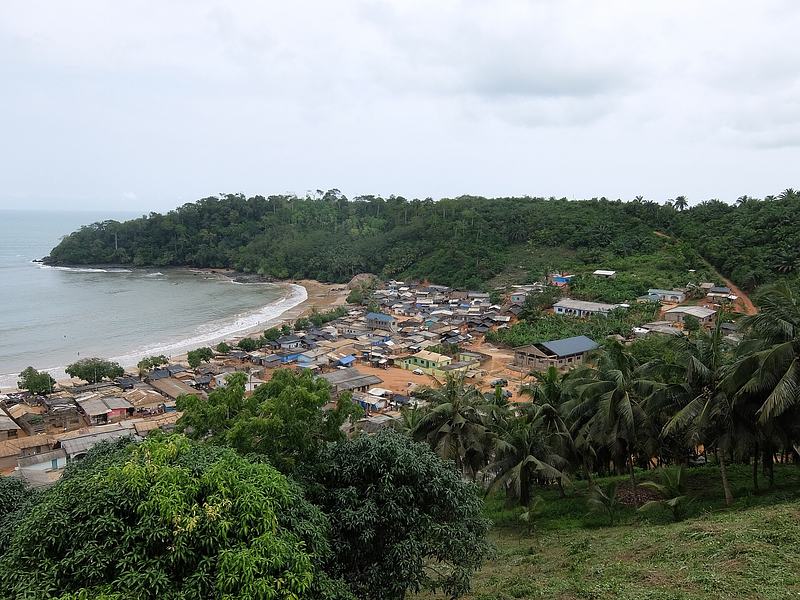
1.Climb to Fort Batenstein
The ruined Dutch fort sits on the high hill behind the village, and the climb is short but steep. What you get at the top is the reason to come: crumbling walls, cannon remnants, and a view straight down the Butre River mouth to the open Atlantic. The Ghana Museums and Monuments Board calls the view from its bastions 'quite sensational'. It is a quiet, unhurried stop — most days just the caretaker and whoever the village committee has arranged to guide you.
Tip: Arrange a local guide through Butre's Town Tourism Development Committee; the small fee supports the village's own tourism upkeep rather than a national agency.
-
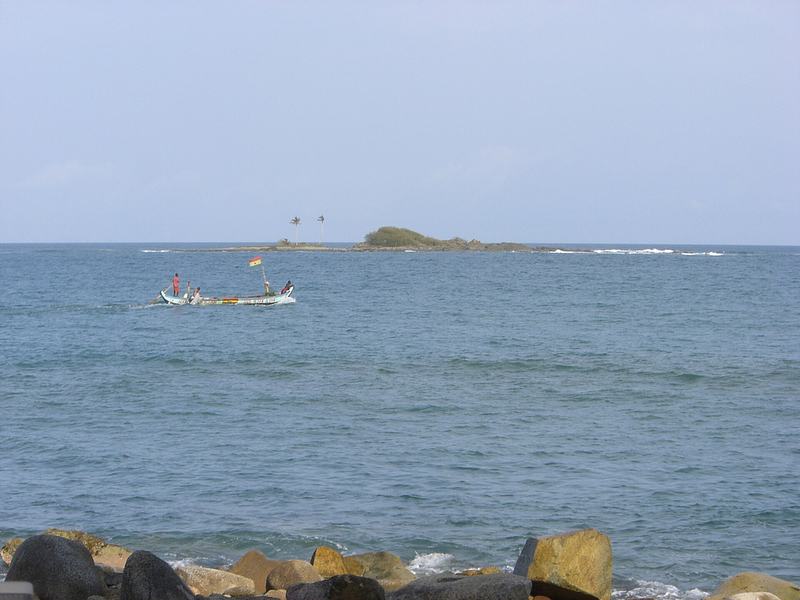
2.Walk the Busua–Butre coastal trail
The most rewarding way to arrive is on foot. A roughly 6-kilometre coastal path links Busua to Butre, taking most walkers two to three hours. It hugs the shoreline and climbs over laterite headlands, with the Atlantic pounding below and long views back to Busua's bay and forward to Butre's lagoon. It is a coastal walk rather than a jungle trek, and the difficulty comes from heat and slippery red mud after rain rather than technical terrain.
Tip: Start early to finish before dusk, wear shoes you don't mind getting muddy, and carry water — there is little shade on the headland sections.
-
Attraction
3.Paddle the Butre River and mangroves
A dugout canoe trip upstream is the quietest way to understand why the village sits where it does. Local boatmen paddle hand-carved canoes through mangrove channels, pointing out mudskippers on the mud banks, kingfishers along the treeline, and monkeys and reptiles in the trees. It is a slower, calmer version of the canoe rides tourists associate with Nzulezu, without the crowds. The Hideout Lodge runs it as a lodge and community activity.
Tip: Fees are paid locally in cash rather than booked online, so bring cedis and agree the arrangement before you set off.
-
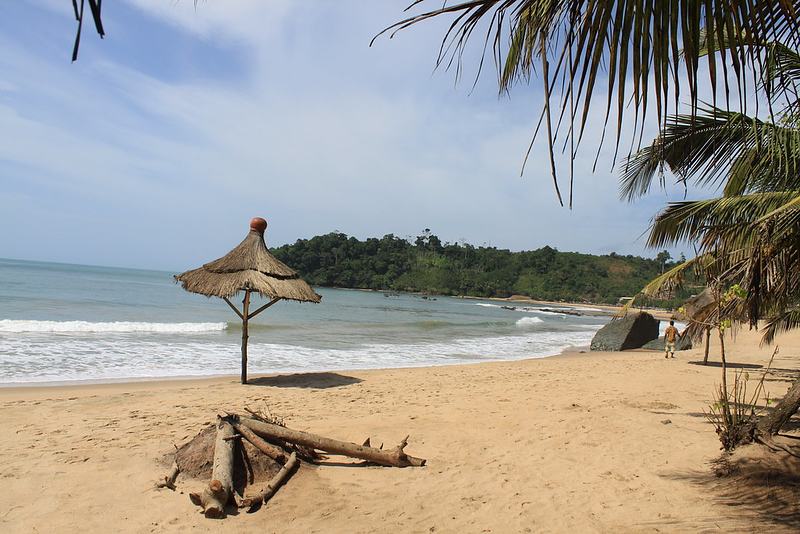
4.Spend the afternoon on Butre Beach
Butre Beach, also called Coconut Beach, is the narrow palm-fringed strip where the river meets the Atlantic. It is kept clean by the lodges along the sand and sees very few people, so it feels like an escape rather than a scene. The water gets deep quickly and the waves and currents can be tricky, so it is better for bodyboarding, sunbathing and watching fishermen haul nets than for a relaxed family swim.
Tip: Be careful of strong waves breaking near the shore and currents running seawards; watch how locals read the water before wading in.
-
Attraction
5.Cross the estuary by dugout canoe
The village is built on both banks of the river, which means the canoe crossing is part of daily life rather than a tourist gimmick — fishermen, schoolchildren and traders use the same boats to get from one side of Butre to the other. Taking it yourself, even briefly, is the simplest way to feel the rhythm of the place. The community tourism base in the village centre can point you towards guides and the crossing.
Tip: Ask before photographing people, boats or the crossing; this is a working village, not a photo set.
-
6.Watch for nesting sea turtles
In season, usually September to March, sea turtles come ashore on Butre's beach to lay their eggs, which hatch 50 to 70 days later. The lodges along the sand run conservation programmes that protect the nests from predators, dogs and people, and lucky guests occasionally witness a turtle laying or hatchlings making their first scramble to the sea. It is a genuine conservation effort rather than a guaranteed spectacle.
Tip: Never disturb a nesting turtle or dig near a nest; if you are staying at a lodge with a conservation programme, ask staff how to watch responsibly.
-
Attraction
7.Eat fresh seafood by the water
Butre's beachfront cluster of lodges, restaurants and bars is small and deliberately low-key, and the food is one of the pleasures of staying put. Fresh seafood is the thing to order, eaten on a beachfront deck with the waves rolling in a few metres away. The cluster includes The Hideout Lodge, Fanta's Folly and Afro Beach, each with its own character, and a locally owned bar sits next door to Hideout for a change of scene.
Tip: Bring cash — the nearest ATM is in Agona and is Visa-only — and expect food to arrive at a relaxed pace rather than in a hurry.


Plan your time
Suggested itinerary
Half a day
Arrive by road via Agona, or walk in from Busua if you have the legs for it. Head straight up the hill to Fort Batenstein with a local guide arranged through the village committee, and give yourself time at the top for the view down the river mouth to the Atlantic. Come back down, cross the estuary by dugout canoe for the feel of the place, then finish with a late lunch of fresh seafood at one of the beachfront lodges before the light goes.
Fort Batenstein→Butre Community Tourism / Tourist Information Booth→Butre Beach Lodge & Restaurant Cluster (Hideout Lodge / Fanta's Folly / Afro Beach)
One day
Start early in Busua and walk the coastal trail to Butre, roughly two to three hours over the laterite headlands, arriving in time for a cold drink. Climb to Fort Batenstein while the light is still strong, then take a dugout canoe upstream through the mangroves to look for kingfishers, mudskippers and monkeys. Spend the late afternoon on Butre Beach, watching the fishermen and, in season, keeping an eye out for turtles, and eat dinner by the water before heading back.
Busua–Butre Coastal Hike & Butre Hills Viewpoint→Fort Batenstein→Butre River Canoe & Mangrove Experience→Butre Beach (Coconut Beach)→Butre Beach Lodge & Restaurant Cluster (Hideout Lodge / Fanta's Folly / Afro Beach)
Two days
Day one: walk in from Busua, settle into a beachfront lodge, and spend the afternoon on the beach and around the village, crossing the estuary by canoe and eating seafood by the water. Day two: climb to Fort Batenstein early, before the heat, then take the river canoe trip upstream through the mangroves. Use the rest of the day to slow down — swim, read, watch the canoes work the crossing — or push on west towards Dixcove and Fort Metal Cross if you are driving the coast road.
Busua–Butre Coastal Hike & Butre Hills Viewpoint→Butre Beach Lodge & Restaurant Cluster (Hideout Lodge / Fanta's Folly / Afro Beach)→Fort Batenstein→Butre River Canoe & Mangrove Experience→Butre Beach (Coconut Beach)→Butre Community Tourism / Tourist Information Booth


Seasons and festivals
When to go
The driest and most reliable window runs from November through March, when rain is minimal, trails stay passable and the water is calmest for the river trip. December and January are the busiest months and draw the most visitors; February and March thin out noticeably while conditions remain good. April through November is hotter and more humid, with temperatures climbing and the paths turning muddy after rain. Ghana sits near the equator, so daylight varies little year-round — roughly twelve usable hours — but start early whatever the season to finish before dusk. Sea turtles nest on Butre's beach in season, usually September to March, with eggs hatching 50 to 70 days later.
- Asa Baako (One Dance) · March, around Ghana's Independence Day
- Held annually in March over Ghana's Independence Day in nearby Busua, Asa Baako brings live music, sound systems, tours, surfing, treks, beach games and the legendary Jungle Party to the coast a short walk or drive from Butre. It is the busiest week of the year on this stretch of shoreline.
- Kundum · August to October, rotating by town
- Kundum is the harvest festival of the Ahanta and Nzema peoples, believed to predate European arrival on the Gold Coast. It is not a single event but a rolling celebration that moves from town to town across the Western Region between August and October, each community taking its own week, with masked-dancer rituals, harvest thanksgiving, drumming and a chief's durbar. Treat the ceremonies with respect and keep your distance from the masked dancers.
Access
Getting there and around
Butre sits on the coast road in the Ahanta West District, roughly 40 km from Takoradi and about 10 km from the smaller town of Agona. Most travellers arrive either on foot from Busua or by road via Agona Nkwanta. From Takoradi, head to West End near the Tarkwa station or the Goil petrol station at the Kwame Nkrumah (Agip) roundabout and ask for a tro-tro to Agona; from Agona you can take a tro-tro, shared car or taxi on to Butre. If you are driving, take the Agona/Tarkwa/Elubo road from the Kwame Nkrumah roundabout, continue to the roundabout at Agona, take the left turn, and after about fifteen minutes turn left at the junction signed for hotels in Busua and Butre. From Accra, the highway runs to Cape Coast and on to Takoradi, roughly four hours from Accra and an hour from Cape Coast; Takoradi also has a domestic airport with flights from Accra. Once in Butre, you will most likely walk from the village centre along the beach to reach the lodges, and the dugout canoe is the everyday way across the estuary. If you are staying in Busua, Butre is about a 45-minute walk along the coast. Roads to Butre can be challenging after heavy rain.
Good to know
Before you go
Butre is a working fishing village, not a resort, and the way you behave matters more here than at Ghana's busier coastal stops. Ask before photographing people, boats or the canoe crossing, and be respectful if you walk around the village — not all residents are keen on tourists. Bring cash: canoe fees and the Fort Batenstein guide fee are paid locally to the Town Tourism Development Committee, there is no online booking, and the nearest ATM is in Agona and is Visa-only. Wear shoes you don't mind getting wet or muddy, whether you are hiking in from Busua or stepping in and out of a canoe. The beach is beautiful but the water gets deep quickly and currents can run seawards, so take care swimming. If you visit during Kundum, treat the masked-dancer ceremonies with genuine respect — do not touch the dancers, block their path or photograph them from close range without permission. Finally, pack patience: food and transport here move at the pace of the tide.

FAQ
Questions travellers ask about Butre
Is Butre the same as Busua?
No. Busua is the surf town with beach bars and board rentals; Butre is a smaller, quieter fishing village about 6 km down the coast, home to Fort Batenstein and the Butre River mouth. Most visitors see both on the same trip.
How do I get from Busua to Butre?
On foot, it is a roughly 6 km coastal trail taking two to three hours each way. By road, Butre is reachable via Agona Nkwanta and sits naturally along the coast road towards Dixcove and Axim.
Can I visit Fort Batenstein without a guide?
You can walk up, but a local guide arranged through Butre's Town Tourism Development Committee is the normal way in, and the small fee supports the village's own tourism upkeep rather than a national agency.
What is the Treaty of Butre?
Signed at Butre on 27 August 1656 between the Dutch and the chiefs of Upper Ahanta and Butre, it created a Dutch protectorate over the area and permitted the building of Fort Batenstein. It remained in force until the Dutch left the Gold Coast in April 1872, making it one of the longest-functioning treaties between an African and a European state.
Is Fort Batenstein a UNESCO World Heritage Site?
Yes. In 1979 it was inscribed as part of the UNESCO World Heritage listing 'Forts and Castles, Volta, Greater Accra, Central and Western Regions', which includes Batenstein among the forts partially in ruins.
When is the best time to visit Butre?
November through March offers the driest trail conditions and the calmest water for the river trip, with December and January the busiest. Sea turtles nest on the beach in season, usually September to March.
Can I swim at Butre Beach?
The beach is beautiful but the water gets deep quickly and waves and currents can be tricky, so it is better suited to bodyboarding, sunbathing and watching the fishermen than to relaxed family swimming. Take care near the shore.
In pictures
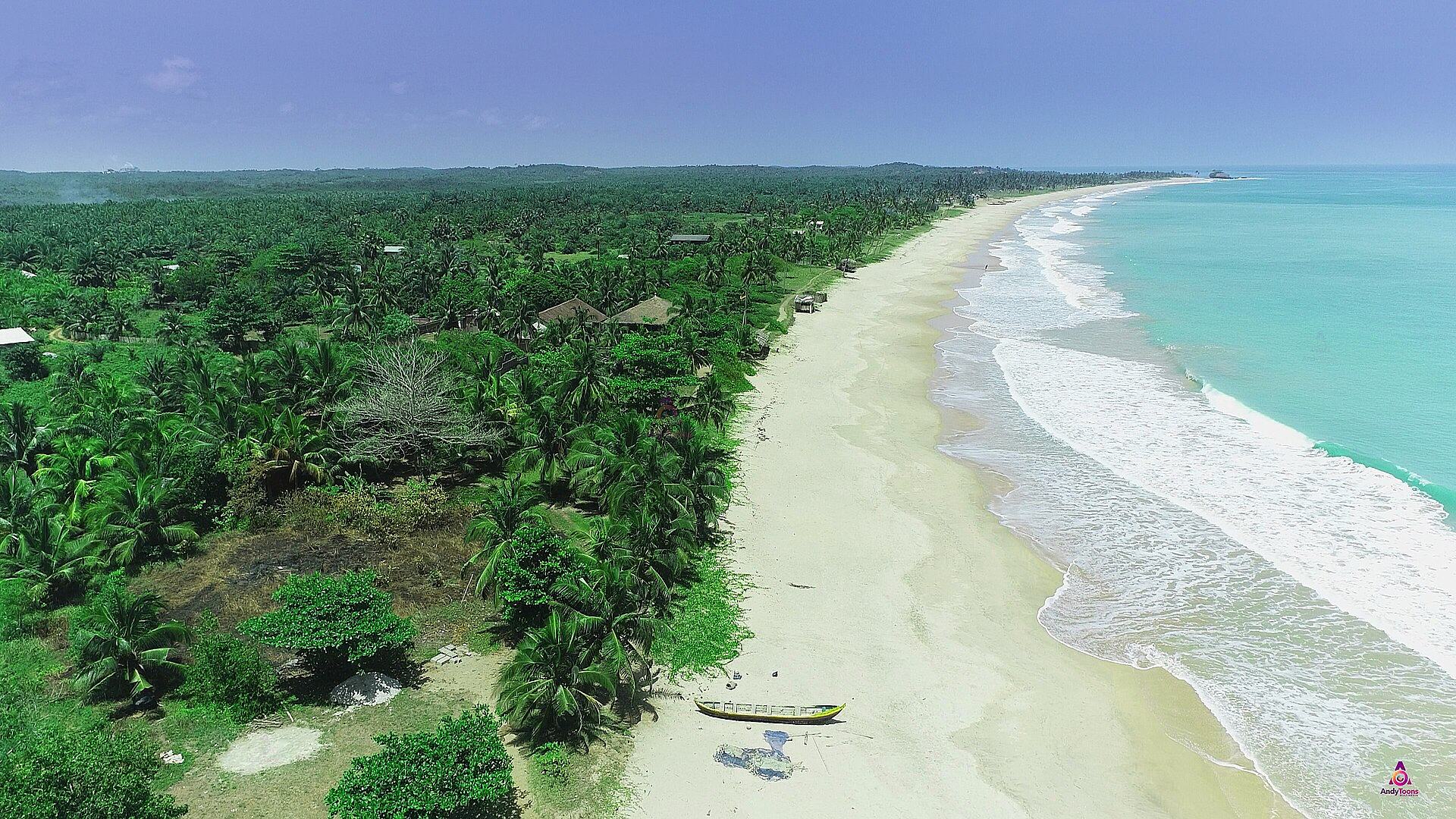
Butre in pictures
Keep exploring
More destination guides
Sources for this guide (14)
- Fort Batenstein — Wikipedia
- Butre, Ghana — Wikipedia
- Treaty of Butre — Wikipedia
- Forts and Castles, Volta, Greater Accra, Central and Western Regions — UNESCO World Heritage Centre
- Fort Batentstein, Butre (1656) — Ghana Museums and Monuments Board
- Fort Batenstein — Go Ahanta
- Butre, Ghana: Fort Batenstein and the Village on the River — Akwaaba App
- Busua to Butre Hike Guide — Take Your Backpack
- Butre Beach — Beachmeter
- The Hideout Lodge — Butre Beach
- Activities — The Hideout Lodge
- Travelling to AsaBaako — Asa Baako
- Asa Baako — One Dance: The Festival
- Kundum Festival — Festival of the Harvest Moon in Western Ghana — Akwaaba App
Written September 29, 2026 from these sources and reviewed by the VisitGhana.app team. Confirm practical details locally before travelling.