
A fort that should not be here
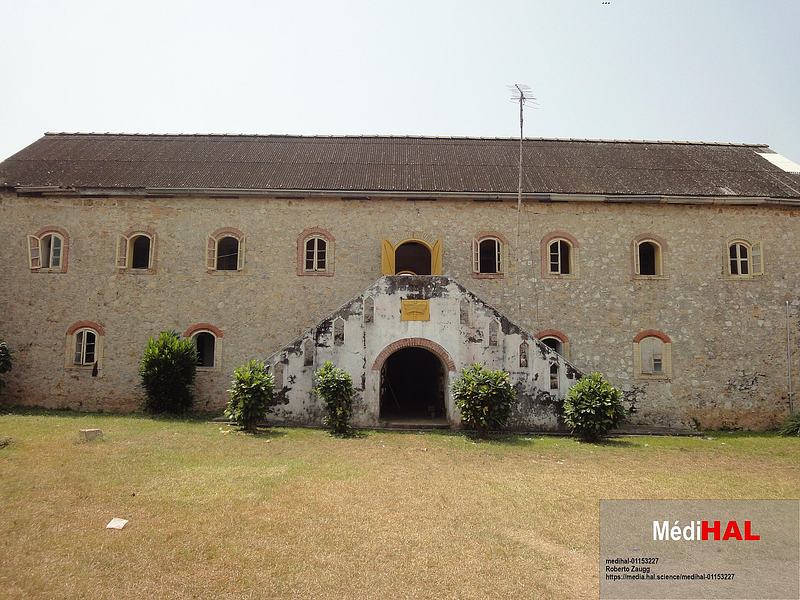
Walk the coast of the Western Region and you learn to expect Portuguese, Dutch, British and Danish. Prince's Town breaks the pattern. On 1 January 1681 a Brandenburg expedition of two ships, commanded by Otto Friedrich von der Groeben, arrived on the Gold Coast and began building a strong fort between Axim and Cape Three Points. It was completed in 1683 and named Fort Fredericksburg, in German Groß Friedrichsburg, after Prince Frederick William I, Elector of Brandenburg. Because the fort carried a prince's name, the settlement around it became Princes Town. The Brandenburg Africa Company, led by Benjamin Raule and acting under the Elector's patronage, intended it as their headquarters in Africa, and it is the only fort in Ghana of German construction. The Ghana Museums and Monuments Board describes a fort with thirty-two cannons on completion, built to deter the Dutch and British who resented this new intrusion. Few Brandenburg ships reached the coast, so the fort survived by trading with merchants of every nation, becoming a hub for smugglers. It is a strange, stubborn piece of architecture: a farmyard lookalike on a hill, made of stone carried by sea from Prussia, standing where no German state had any business being.
John Conny and the refusal
The man who makes this place worth the journey was not German. John Conny, also written Jan Conny, Konny or Canoe, was an Ahanta chief and merchant who served as the Brandenburgers' broker, handling gold, ivory and people from the interior. He was effective enough to draw trade away from the Dutch posts at Axim, Butre and Sekondi and the English at Dixcove; more than ninety-five ships are recorded as having traded with Fort Fredericksburg between 1711 and 1713. In 1717, as Brandenburg withdrew from the Gold Coast, its possessions were sold to the Dutch without Conny's knowledge. He did not accept the sale. He took the fort and held it for roughly seven years, trading with all comers and repelling Dutch attempts to retake it, until they finally drove him out in 1724 and renamed it Hollandia. The Encyclopaedia Africana records that he defeated a Dutch and British alliance at Akwida near Cape Three Points, with help from Wassa and Asante, and that he sent builders to Opoku Ware of Asante. His fate is unknown; some say he was captured, others that his remains lie in Kumasi. What is certain is that his name travelled. The John Canoe masquerade of Jamaica and the Caribbean, and the Junkanoo festivals of the Bahamas, are linked in tradition to the Akan who fought for him here and were enslaved after the fort fell. This is a place where the Atlantic slave trade was organised, and the fort's own history is inseparable from it. Walk it slowly, and with respect for everyone whose lives passed through this hill.
Lagoon, beach and the working town
Prince's Town is not a museum. It is a fishing town of the Ahanta and Nzema, and the day's rhythm is set by the canoes. Behind the houses, the Ehunle, or Ehonli, Lagoon runs inland through thick mangroves; a canoe trip through it is one of the quietest hours you can spend on this coast, with monkeys and other animals in the trees. The lagoon is sacred, and local practice sets aside certain days when no tours are possible, so plan around the community's rules rather than your own. The beach is long and largely empty, with vendors selling fufu, kenkey, gari, yaka and atuku, and swimming is discouraged because the water is dangerous. Between July and February, visitors sometimes spot whales or dolphins offshore. The town sits on the fringe of the Cape Three Points Forest Reserve, whose trails carry monkeys, crocodiles and a rich array of medicinal plants, and the neighbouring villages along the shore, including the Ewe village and the fishing village of Akatakyi, are reachable on foot. The Town Tourism Development Committee runs guided tours, cultural experiences and fishing excursions, including deep-sea sorties, but these are arranged in advance rather than bought at a desk.
What to do
Things to do in Prince's Town
-
1.Fort Gross-Friedrichsburg
The reason most travellers make the trip. Ghana's only German-built fort sits on Manfro Hill above the village, its walls looking out over the beach and the sea. It was built by the Brandenburg Africa Company between 1683 and 1684 as their African headquarters, and it is now partially restored and doubles as a rest house. The exposed stone, the views and the story of John Conny make it worth a slow hour or two rather than a quick photograph.
Tip: Take a local guide: the guides here tell the Conny story from their own tradition rather than from a book, and that is the real reason to come. Wear proper shoes, as the hill is uneven and parts of the structure are unrestored.
-
2.Ehunle (Ehonli) Lagoon
A sacred, mangrove-lined lagoon just behind the town, reached by canoe. Paddling through the thick mangroves is the calmest way to see the landscape around Prince's Town, and there is wildlife in the trees. Because the lagoon is sacred, the community restricts access on certain days, so it is worth arranging your visit around local practice.
Tip: Ask locally before planning a lagoon trip, as tours are not possible on some days of the week. Bring insect repellent and go early, when the light through the mangroves is best.
-
3.Prince's Town Beach
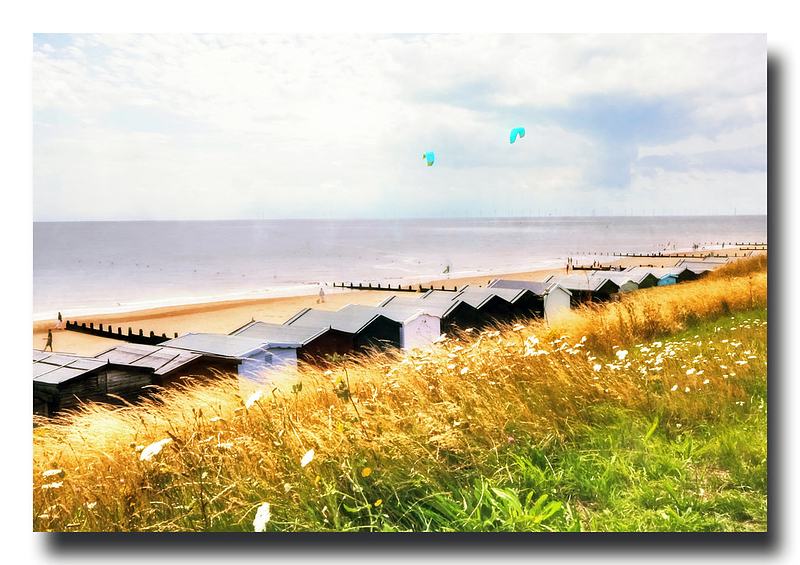
A long, unspoiled stretch of Atlantic sand below the fort, with local food vendors and space to yourself. It is one of the least developed beaches on this coast, which is precisely its appeal. The Ghana Museums and Monuments Board has described the sea here in glowing terms, and on a clear day the water is a deep, clean blue.
Tip: Swimming is discouraged because the water is dangerous. Come for the walking, the photography and the food, and keep an eye out for whales or dolphins offshore between July and February.
-
Attraction
4.Jan Conny House Ruins
The stone remains of a house and defensive wall linked to the Ahanta merchant-chief John Conny, who took the fort from the Brandenburgers and held it against the Dutch for around seven years. When the Dutch finally ousted him in 1724, the Ghana Museums and Monuments Board records that they found he had removed enough stone from the fort to build a personal mansion and a dividing wall. These ruins are that story made physical.
Tip: Pair this with the fort rather than visiting it alone, so the guide can explain how the two sites connect. The remains are fragmentary, so the interpretation matters more than the masonry.
-
5.Community tours and fishing excursions
The Prince's Town Town Tourism Development Committee runs the town's visitor programme: guided tours, cultural experiences and fishing excursions, which can include a deep-sea sortie for barracuda, cassava, tuna or swordfish. This is the best way to see the town as a working community rather than a heritage site, and the money stays local. Experiences range from fufu pounding and yaka preparation to walks to neighbouring villages.
Tip: Register in advance rather than turning up and hoping. The committee is the point of contact for arranging guides, canoes and boats, and advance notice makes everything smoother.
-
6.Beach hike to the neighbouring villages
A guided walk along the shore takes in the Ewe village, the Ehonle Lagoon and the fishing village of Akatakyi, and can be extended towards Cape Three Points. You pass through coastal rainforest and see how the settlements along this stretch live and work. It is a good half-day for anyone who wants the landscape, not just the fort.
Tip: Arrange the walk through the local guides, who know the paths and the tides. Start early to avoid the heat of the day and carry water, as there is little along the route.

Plan your time
Suggested itinerary
Half a day
Arrive from Takoradi or Agona Nkwanta by mid-morning and go straight up Manfro Hill to Fort Gross-Friedrichsburg, taking a local guide so you get the Conny story properly. Walk down through the town to the Jan Conny House ruins, then spend an hour on the beach with food from the vendors. If the lagoon is open to visitors that day, finish with a short canoe trip through the mangroves before heading back.
Fort Gross-Friedrichsburg→Jan Conny House Ruins, Pokesu→Prince's Town Beach (Princess Town Beach)
One day
Start early with a beach hike towards the neighbouring villages, taking in the Ewe village and the fishing village of Akatakyi while the light is good. Return for lunch in town, then spend the afternoon at the fort and the Jan Conny ruins. Late afternoon is the time for the Ehunle Lagoon by canoe, followed by a walk on the beach as the canoes come in. Book any fishing excursion through the Town Tourism Development Committee in advance.
Prince's Town Beach (Princess Town Beach)→Fort Gross-Friedrichsburg→Jan Conny House Ruins, Pokesu
Two days
Day one: the fort, the Jan Conny ruins and the beach, with a lagoon canoe trip in the late afternoon. Stay overnight in the town, either in the fort's rest house or locally, and eat at the beach. Day two: an early guided walk or a fishing excursion arranged through the community committee, then a longer hike along the coast towards Cape Three Points and the Cape Three Points Forest Reserve, before travelling on towards Axim or back to Takoradi.
Fort Gross-Friedrichsburg→Jan Conny House Ruins, Pokesu→Prince's Town Beach (Princess Town Beach)
Seasons and festivals
When to go
Prince's Town sits on the Atlantic in the Western Region, and the practical question is rain. The last stretch of road to the town is slower than the distance suggests and considerably slower in the rains, so the drier months make for an easier trip. Between July and February, visitors sometimes spot whales or dolphins offshore, which is a good reason to plan a coastal walk or a boat trip in that window. Early mornings and late evenings are the best times for birdwatching and primate sightings in the surrounding forest. The town's cultural calendar is dominated by Kundum, the harvest and religious festival of the Ahanta and Nzema peoples, which runs for four weeks and is celebrated separately in each town of the paramountcy, with each scheduling its own start. The African Dream reports the week-long Kundum celebrations in Prince's Town falling in September to October. Because dates shift with the harvest and with each town's own calendar, confirm locally before travelling for it.
- Kundum Festival · September to October, with dates set locally
- Kundum is celebrated by the Ahanta and Nzema people of the Western Region to thank God for the abundance of food at harvest time. It is both a harvest and a religious festival, and its start is based on the day the fruit of a certain palm tree ripens. The celebration lasts four weeks: for the first three, drumming and dancing take place at night on the outskirts of town, and the final week brings the ritual Kundum fire at the chief's palace, sacrifices in the stool room, the chief's entry on a palanquin, and a great feast on the final Sunday. The dancing is traditionally performed to drive evil spirits from the town. Each town in the Ahanta and Nzema paramountcy schedules its own start, so dates vary from place to place.
Access
Getting there and around
Prince's Town lies between Axim to the west and Sekondi-Takoradi to the east, about 5 km east of Fort Saint Antonio on Manfro Hill in the Ahanta West District. Most travellers come from Takoradi, which is the regional capital and the practical base for this coast. By public transport, take a tro-tro or shared taxi from Takoradi to Agona Nkwanta, the junction for the whole Ahanta coast, then continue south towards Prince's Town; from the Agona tro-tro station there is a direct connection to the town. If you are coming from Accra, take a bus from Kaneshie to Takoradi; from Kumasi, a bus from Asafo to Takoradi. Leaving early in the morning is advisable on the long routes, and if you arrive in Agona after sunset it may be difficult to get onward transport, so plan to break the journey. By road, the route runs west from Takoradi along the Takoradi–Tarkwa road to Agona Nkwanta and then south, roughly 50 to 60 kilometres in total. Older sources describe the final road as poor, but it has since been tarred and is in good condition. Once in town, everything is walkable, and canoes, guides and boats are arranged through the community. This is not a day trip from Accra; base yourself in Takoradi, Busua or Prince's Town itself.
Good to know
Before you go
Bring cash in small notes, as there is nowhere to draw money nearby, and expect to pay for access to the fort and for guides. Opening arrangements at Ghanaian monuments change without notice, so check ahead with the Ghana Museums and Monuments Board before making a special journey. The lagoon is sacred and access is restricted on certain days, so ask locally rather than assuming you can visit whenever you like. Swimming off the beach is discouraged because the water is dangerous. Wear proper shoes for the hill and the ruins, and carry water and insect repellent for the mangroves and forest walks. Ask before photographing people, and accept a refusal gracefully. This is a working fishing town, not a resort: dress modestly, greet people before asking questions, and let the community's own guides lead you. If you want a tour, a cultural experience or a fishing trip, register in advance with the Town Tourism Development Committee.
FAQ
Questions travellers ask about Prince's Town
Where is Prince's Town in Ghana?
Prince's Town, known locally as Pokesu, is in the Ahanta West Municipal District of the Western Region, about 5 km east of Fort Saint Antonio on Manfro Hill. It lies between Axim to the west and Sekondi-Takoradi to the east, roughly an hour from Takoradi.
Why is there a German fort in Ghana?
Fort Gross-Friedrichsburg was built by the Brandenburg Africa Company, under the patronage of Frederick William of Brandenburg, between 1683 and 1684 as the Brandenburgers' headquarters in Africa. It is the only fort in Ghana of German construction, and the town takes its name from the prince the fort was named after.
Who was John Conny?
John Conny, also written Jan Conny or Konny, was an Ahanta chief and merchant who acted as the Brandenburgers' broker. When Brandenburg sold its Gold Coast possessions to the Dutch in 1717 without telling him, he took the fort and held it for around seven years before the Dutch drove him out in 1724. His name is linked in tradition to the John Canoe and Junkanoo masquerades of the Caribbean.
Can you stay overnight at the fort?
Yes. Fort Gross-Friedrichsburg currently operates as a rest house and can accommodate a small number of guests at a time, which is unusual among Ghana's forts. Rooms are simple, and meals can be prepared on request.
Can you swim at Prince's Town beach?
Swimming is discouraged because the water is dangerous. The beach is best enjoyed for walking, photography and the local food vendors, and between July and February you may spot whales or dolphins offshore.
How do you arrange a tour or fishing trip in Prince's Town?
Contact the Prince's Town Town Tourism Development Committee, which runs guided tours, cultural experiences and fishing excursions, including deep-sea trips. Visitors are asked to register in advance rather than turning up on the day.
When is the Kundum Festival in Prince's Town?
Kundum is celebrated by the Ahanta and Nzema peoples and runs for four weeks, with each town in the paramountcy scheduling its own start. The African Dream reports the week-long celebrations in Prince's Town falling in September to October, but dates shift with the harvest, so confirm locally.
Keep exploring
More destination guides
Sources for this guide (12)
- Princes Town, Ghana – Wikipedia
- Fort Gross Frederiksburg, Princestown (1683) – Ghana Museums and Monuments Board
- Fort Gross Friedricksburg – Visit Ghana
- Fort Gross Fredericksburg – Wikipedia
- John Canoe – Wikipedia
- KONNY, JOHN – Encyclopaedia Africana
- Fort Groß Friedrichsburg, Princes Town — the Only German Fort in Ghana – Ghana-Net
- Prince's Town, Ghana – A Hidden Gem on the Atlantic Coast – TheAfricanDream
- Princestown – Western Region, Ghana (community site)
- Joy Prime Explore tours Princess Town – MyJoyOnline
- Prince's Town (Pokesu) – Go Ahanta
- Kundum Festival – Wikipedia
Written September 29, 2026 from these sources and reviewed by the VisitGhana.app team. Confirm practical details locally before travelling.