
A fort on a rocky promontory
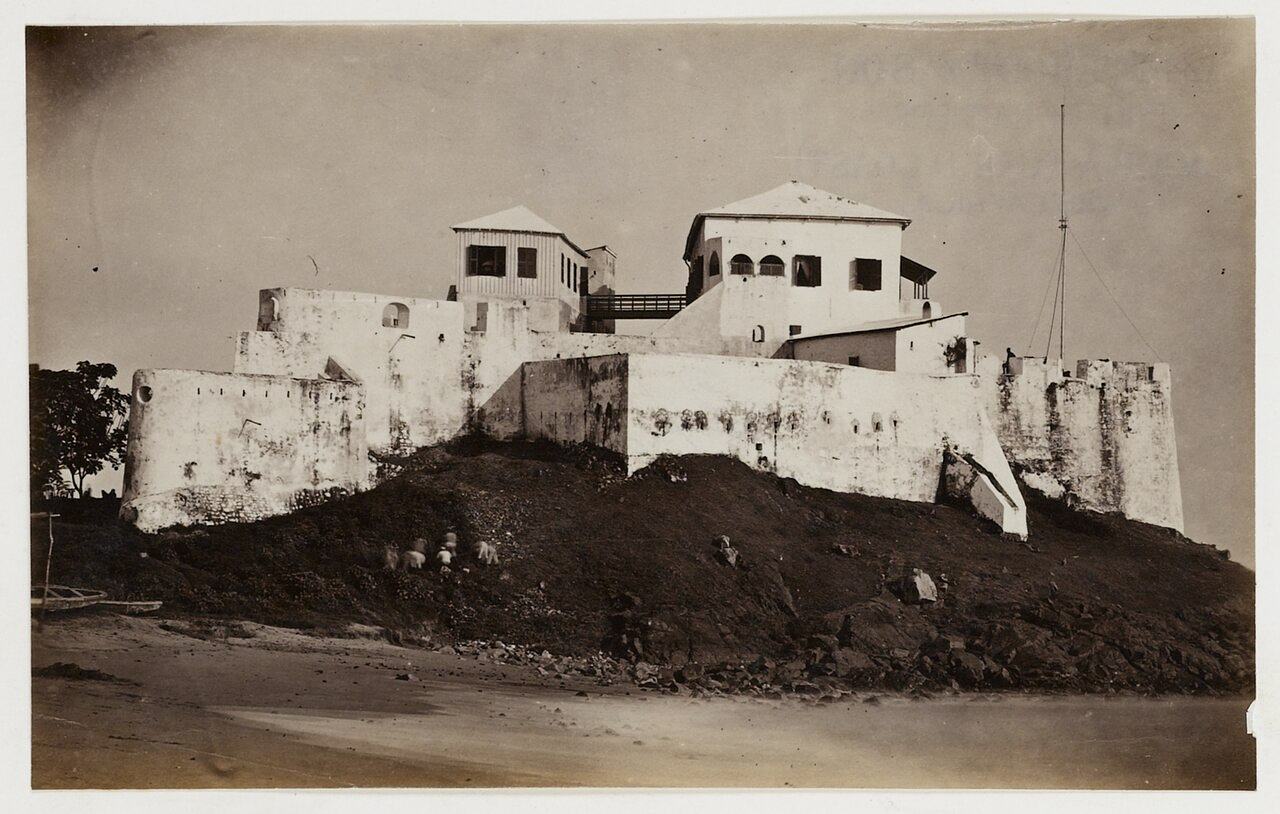
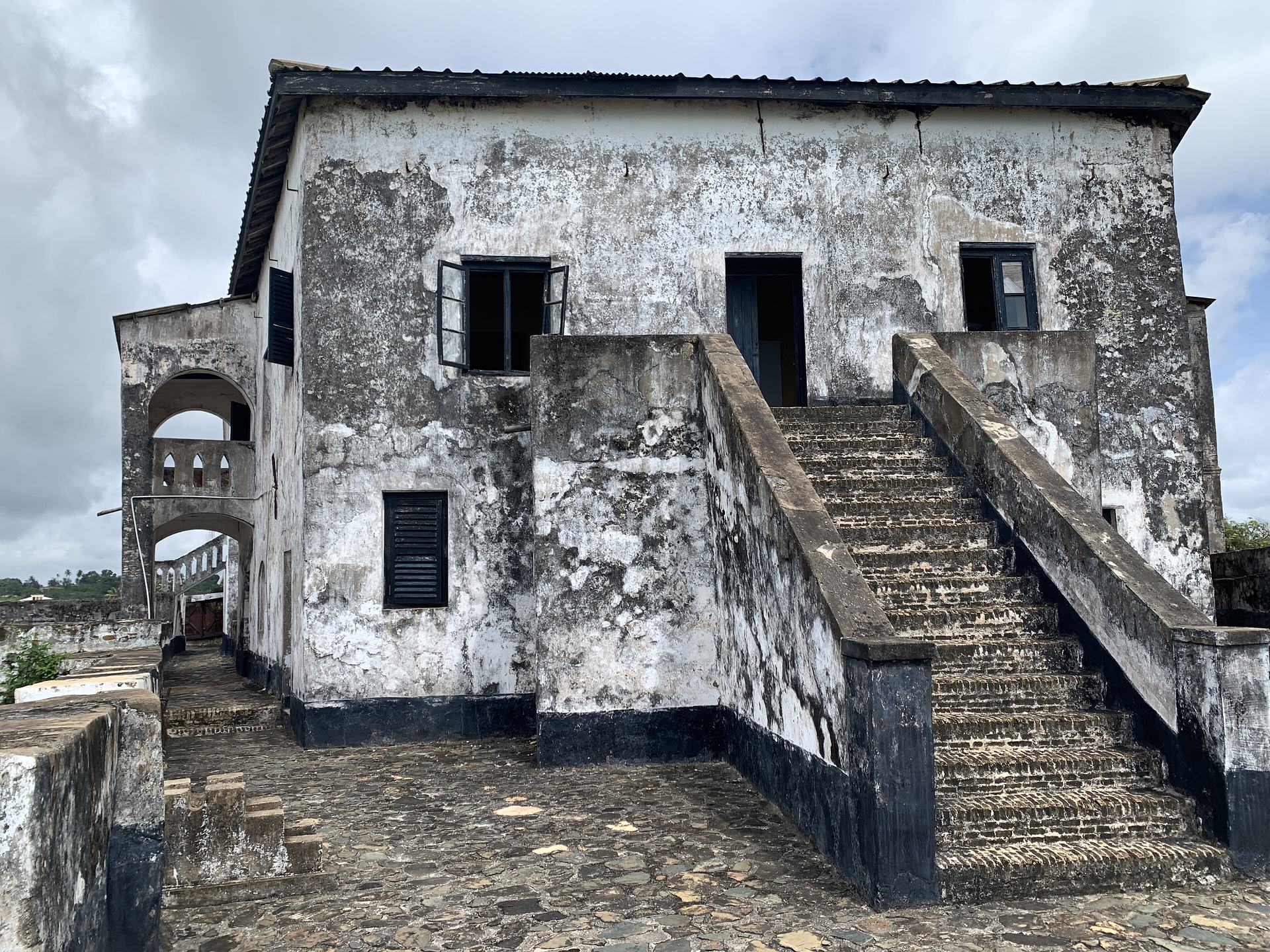
Axim's story begins with gold and with a failed first attempt. In 1503 the Portuguese built a trading post near the edge of the Ankobra River, but they abandoned it under sustained attack from local people. In 1515 they returned and raised a massive triangular fort on a small promontory closer to the river, naming it Santo Antonio. It was the second Portuguese fort on the Gold Coast, after St George's Castle at Elmina, and to strengthen its landward side its builders cut a trench three metres deep into the rock.
The fort earned its reputation. Even after Elmina fell to the Dutch in 1637, St Anthony held out for more than four years, and with no rival in the gold-rich Ankobra and Tano river valleys it drew traders from Adanse and Denkyira. By the 1720s it had passed to the Dutch, who expanded it and made it the westernmost of their Gold Coast possessions — the first fort Dutch ships met, and the place where they took on provisions and fresh water. It was ceded to Britain in 1872, and in the 1950s it was rehabilitated for use as government and local council offices. Today it belongs to the Ghanaian state, is managed by the Ghana Museums and Monuments Board, and forms part of the UNESCO World Heritage listing of Ghana's forts and castles, inscribed in 1979. Its 17th- and 18th-century panelling survives, and the site has been proposed for a museum and restaurant.
That UNESCO listing is not a celebration of trade. The forts and castles were built and occupied in turn by Portuguese, Spanish, Danish, Swedish, Dutch, German and British traders; they served the gold trade, and latterly they played a significant part in the developing slave trade and so in the history of the Americas. UNESCO describes them as a collective historical monument to the evils of the slave trade and to the starting point of the African Diaspora. Walk the fort slowly, and let that weight sit alongside the view.

Nzema country: fishing, Kundum and the river
Axim sits in Nzemaland, the home of the Nzema people, who speak an Akan language also known as Nzima or Appolo and who live on both sides of the Ghana–Côte d'Ivoire border. Axim is one of their notable towns. The town itself is divided into Upper and Lower Axim, with the fort roughly on the line between them and closest to the centre of Upper Axim, the original European settlement, where several large late-19th-century mansions built by lumber-trading magnates still stand.
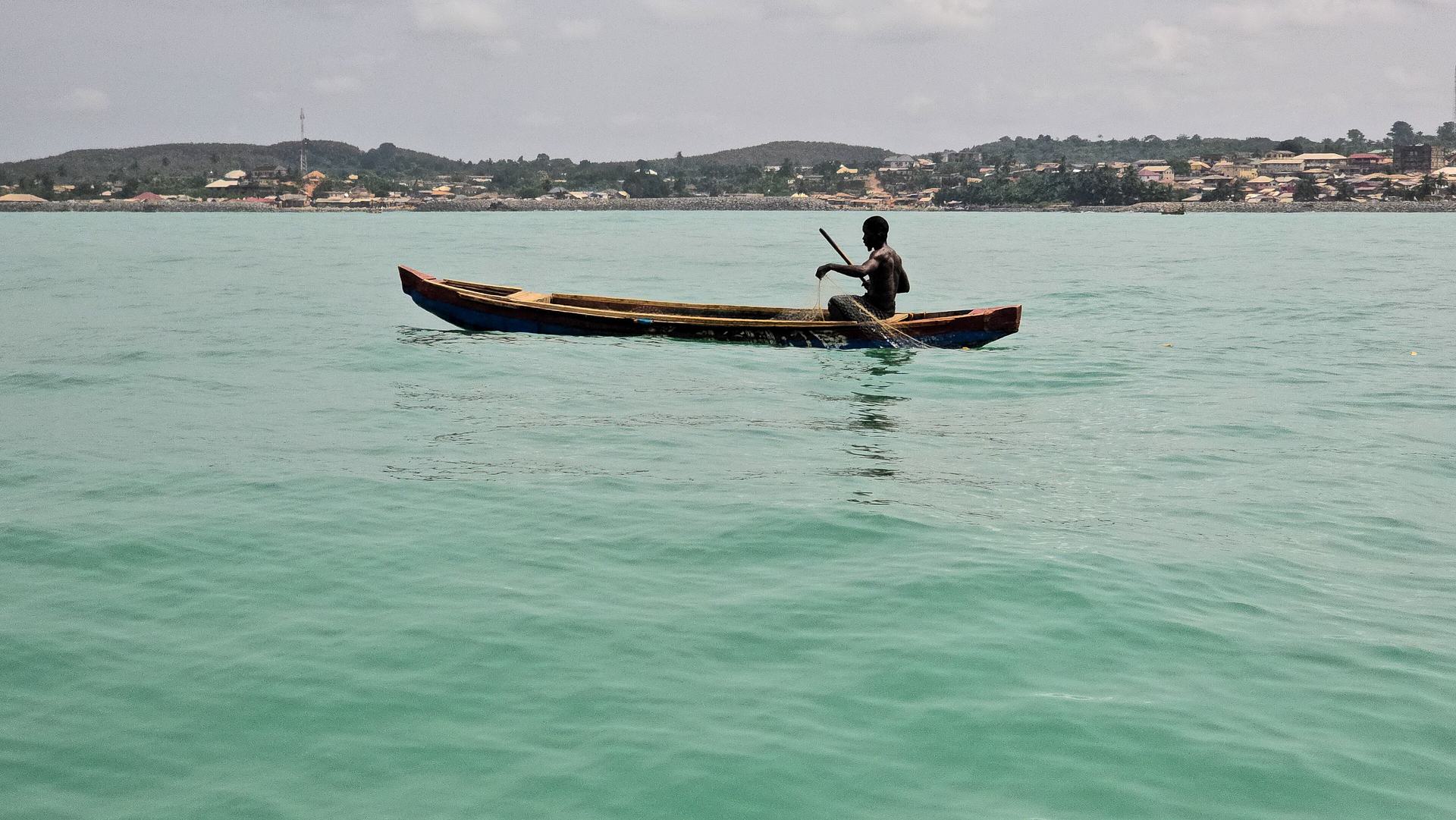
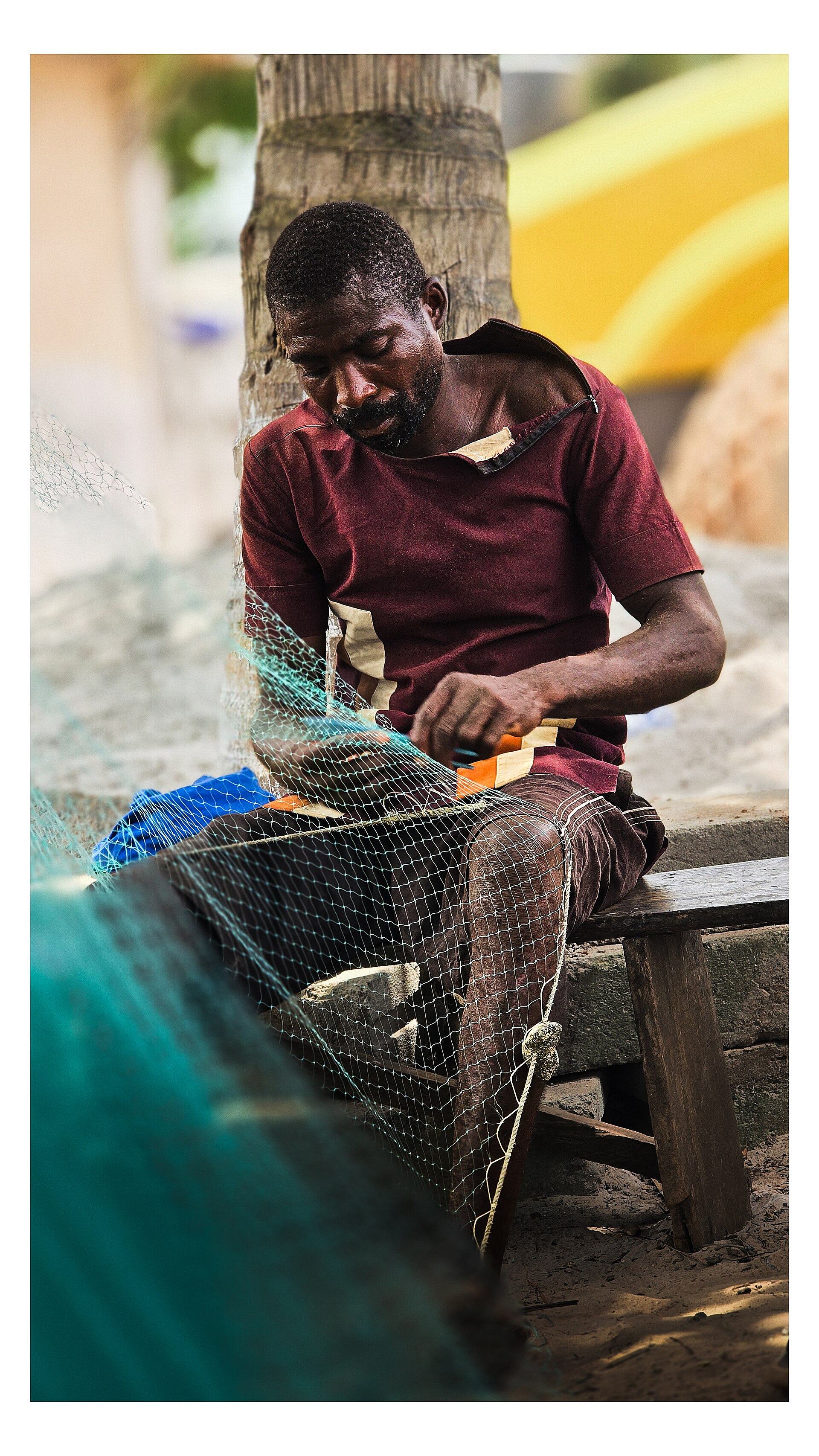
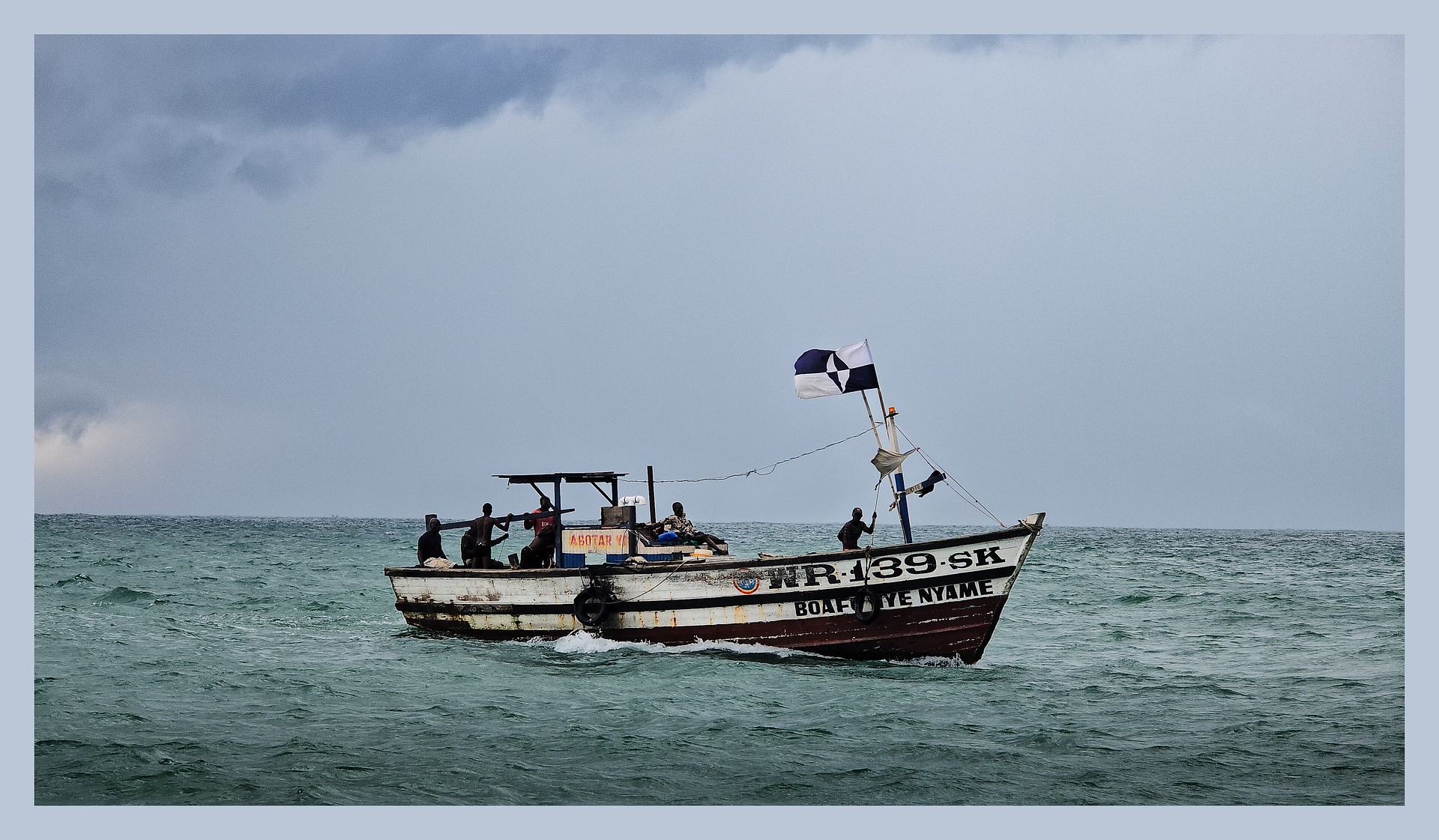
The economy is built on the sea. Axim's fishing fleet is the mainstay, alongside coconut and rubber plantations, three beach resorts, and artisanal miners who pan for gold in streams inland. The Ankobra River, which rises north-east of Wiawso and runs about 190 kilometres south to the Gulf of Guinea, is navigable for 80 kilometres upstream from its mouth and tidal as far as Tomento; near its mouth lie the remains of Fort Elize Carthago, a Dutch trading post abandoned in 1711.
Every year the town gives itself over to Kundum, the harvest and religious festival of the Ahanta and Nzema peoples. It runs for four weeks, and for the first three most drumming and dancing happens at night on the outskirts, at a place known as Siedu or Sienu. A ritual fire is lit at the chief's palace and kept burning; sacrifices are offered in the stool room; the chief enters on a palanquin accompanied by singing and drumming; and the dancing concludes in front of the castle in Axim. Its traditional purpose is to drive evil spirits from the town and preserve another successful year. One origin story tells of a hunter, Akpoley, who came upon dwarves dancing in a circle and brought the dance home to his people.

Rocky shore, palm hillside, island light
The landscape here is not the soft sand of a postcard. Axim's shoreline is rocky and wave-lashed, with strong surf breaking along the coast, and the town is backed by dense tropical vegetation — palms, coconut groves and rubber. Inland, the terrain is scenic and fertile, and the Ankobra basin is one of Ghana's largest water catchments.
Offshore, in Axim Bay, lies Bobowasi Island, uninhabited and about 1.8 kilometres from the town and the fort, north of Watts Rock. Its lighthouse is the reason most visitors make the crossing. Built around 1915 and managed by the Ghana Ports and Harbours Authority, it is one of seven lighthouses along Ghana's coastline and the westernmost before Côte d'Ivoire; its original lamp having partly failed, it was refurbished with a new solar-powered light, wiring and controls. The island was once thick forest, and local belief held that dwarves lived there and that people should keep away. The name Bebo Arezi — which in Nzema means roughly "they've beaten Arezi" — comes from the story of a man named Arezi who went to look, out of curiosity, and was found the next day alive but badly beaten.
The climate is tropical monsoon: hot and humid all year, with two dry seasons in January–February and August–September, the latter helped by the northern extension of the cold Benguela Current. Some rain falls even then. May and June are the wettest months, with rainfall typically over 300 millimetres in May and over 450 millimetres in June.

What to do
Things to do in Axim
-
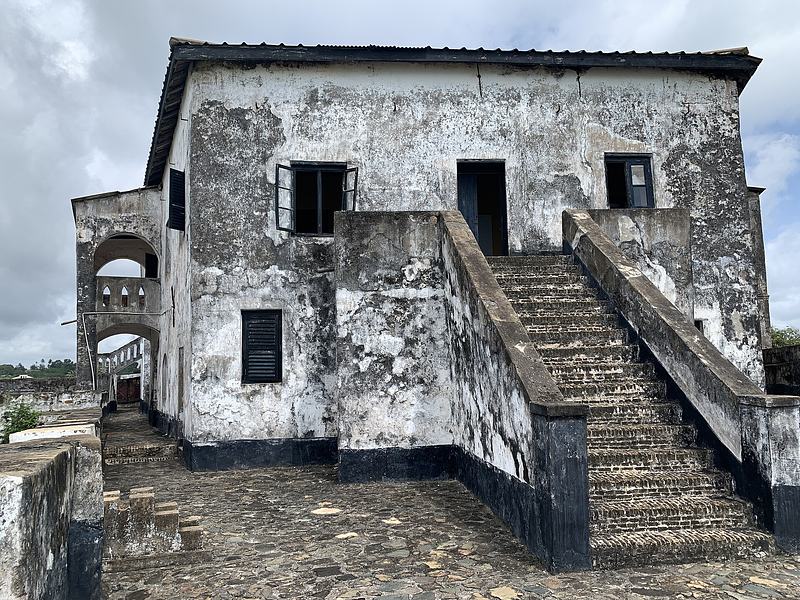
1.Fort St Anthony (Fort Santo Antonio)
The reason to come. Begun by the Portuguese in 1515 on a rocky promontory near the Ankobra River mouth, this triangular fort was the second Portuguese fort on the Gold Coast and held out for more than four years after Elmina fell to the Dutch in 1637. It later became a Dutch stronghold, was ceded to Britain in 1872, and is now a UNESCO-listed state monument managed by the Ghana Museums and Monuments Board. The views along the coast in both directions are the equal of the history.
Tip: The fort is a state monument with a small entrance fee and a guided tour; opening arrangements have changed in the past, so confirm locally before making it the centrepiece of a day.
-
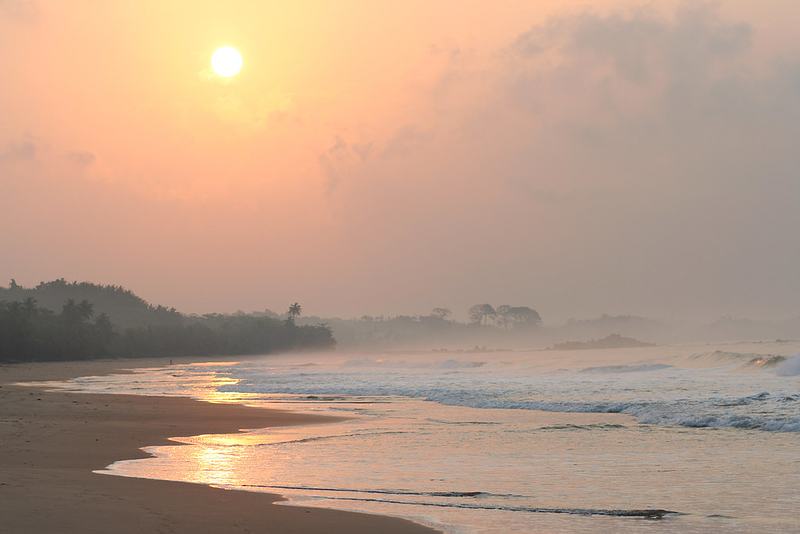
2.Axim Beach and the beachfront
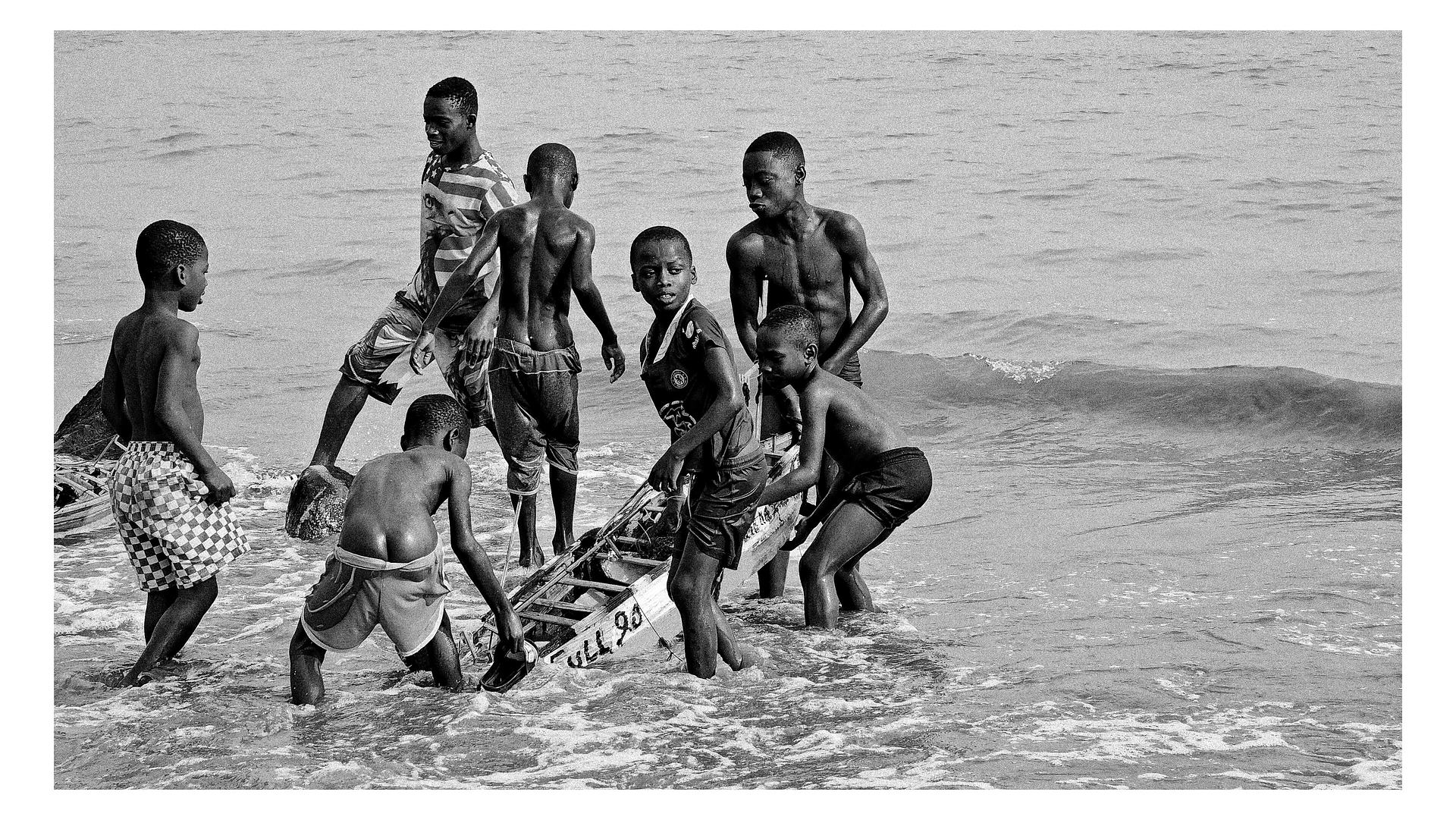
Axim's shoreline is the town's other great asset: kilometres of beach below a palm-covered hillside, with strong Atlantic surf and rocky stretches rather than gentle lagoon water. It is a place for walking, watching the fishing fleet come in, and long sits under the palms. The beachfront is also where the town's resorts sit, so you can move between public sand and a lounger without going far.
Tip: The waves are powerful and the shore is rocky in places — swim only where local advice and resort staff say it is safe, and keep an eye on children.
-
Attraction
3.Ankobra River boat tour
A guided motorboat run on the Ankobra River, operated by Ankobra Beach Retreat, with a longer trip to the Dominase market and a shorter mangrove canoe option. The river rises north-east of Wiawso and flows about 190 kilometres to the sea just west of Axim, navigable for 80 kilometres upstream from its mouth. Expect mangrove-lined banks, fishing boats and a very different, quieter Ghana from the surf line.
Tip: Choose the shorter mangrove option if you are short on time or the water is high; ask about conditions before committing to the longer market run.
-
Attraction
4.Bobowasi Island and its lighthouse
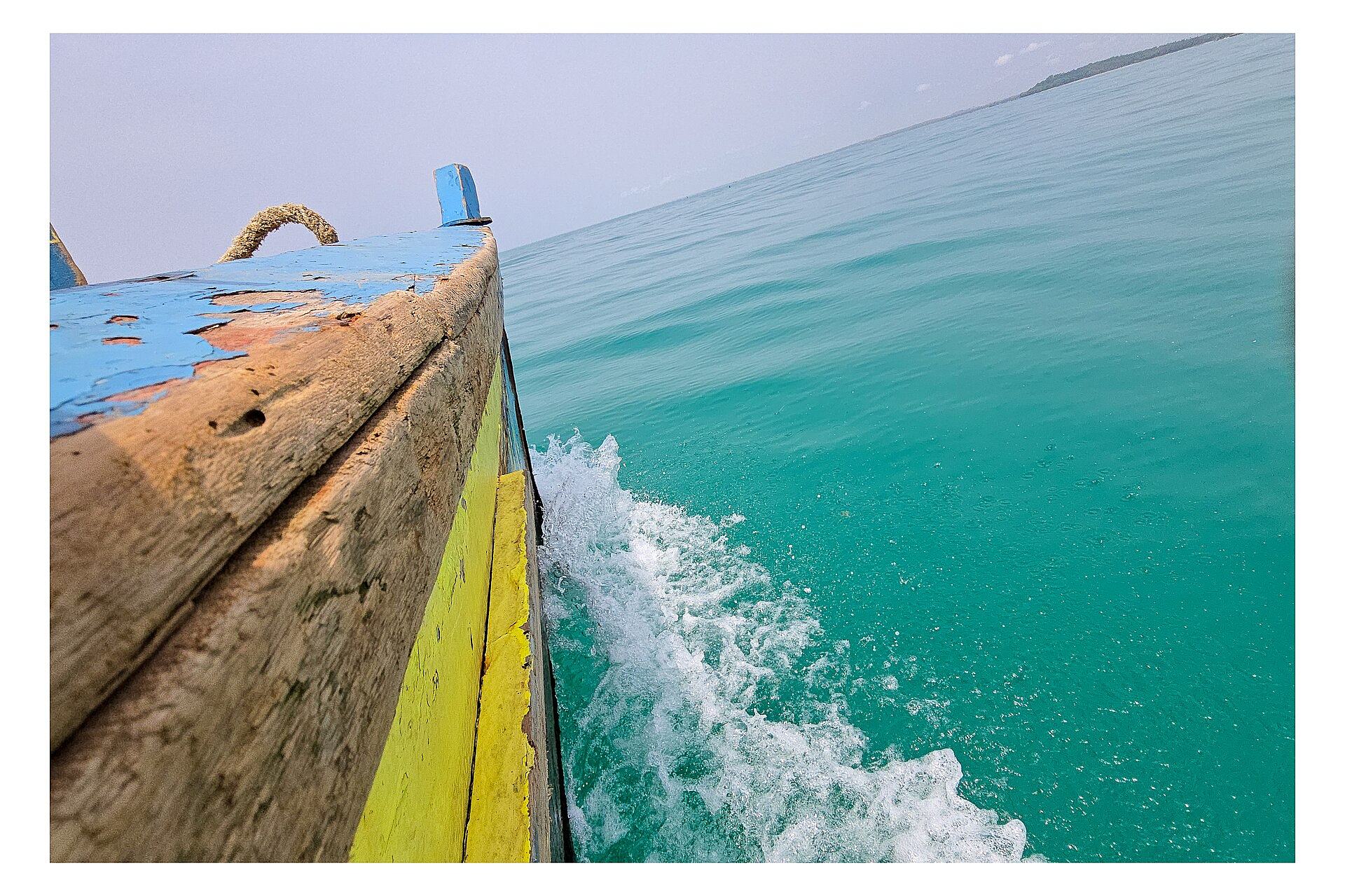
An uninhabited island in Axim Bay, about 1.8 kilometres offshore, reached by boat from the Axim area. Its lighthouse, built around 1915 and managed by the Ghana Ports and Harbours Authority, is the westernmost light on Ghana's coast before Côte d'Ivoire and was refurbished with a solar-powered lamp. The crossing itself is the adventure — small boats, open water, and the town shrinking behind you.
Tip: Arrange the boat locally and go in calm conditions; the island is rocky and exposed, so take water and sun protection and agree your return time with the boatman.
-
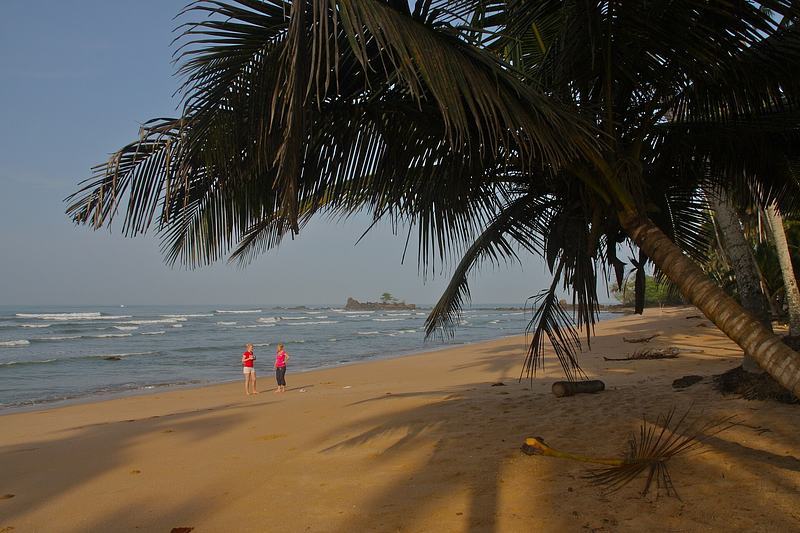
5.Ankobra Beach Resort beachfront
A beachfront boutique property on a 45-hectare complex with African-style chalets, a restaurant and a maintained beach. The resort's stretch of sand is one of the most comfortable places in the area to spend a slow afternoon, and the wider grounds are popular for cycling, surfing and fishing. It also makes a practical base for the river boat trips.
Tip: This is a resort beach rather than a public one — if you are not staying, ask at reception before settling in, and consider buying lunch or a drink.
-
Attraction
6.Axim Beach Resort beachfront
The private beach area of Axim Beach Resort, a palm-covered hillside property overlooking the Atlantic. The setting is the draw: a tropical hillside above long, often empty beaches, with traditional African architecture and design throughout. It is a good place to understand why people describe Axim's coast as one of the Western Region's most beautiful.
Tip: The hillside position means steps and slopes — ask about access if you have mobility needs, and time a visit for late afternoon light over the water.
-
Attraction
7.Old St James Methodist Church
A historic Methodist church in Axim, listed among the town's landmarks near Axim Beach and Fort Saint Antony. It is a quiet counterpoint to the fort: a living place of worship rather than a monument, and a reminder that Axim is a town with a long, continuous community life, not just a heritage site. Worth a respectful look as you walk between the fort and the shore.
Tip: This is an active church — visit outside service times, dress modestly, and ask before taking photographs inside.
-
8.Kundum festival in Axim
If your dates align, Kundum is the single best reason to be in Axim. The harvest and religious festival of the Ahanta and Nzema peoples runs for four weeks, with drumming and dancing at night on the outskirts for the first three, a ritual fire at the chief's palace, sacrifices in the stool room, the chief carried on a palanquin, and the dancing concluding in front of the castle. Its purpose is to drive evil spirits from the town and secure another good year.
Tip: The towns of the Ahanta and Nzema paramountcy each schedule their own start Sunday, so check the Axim dates locally rather than assuming a fixed week.


Plan your time
Suggested itinerary
Half a day: the fort and the shore
Start at Fort St Anthony while the light is still soft, walking the ramparts and the rock-cut trench and taking in the coastline in both directions. Then drop down to the beachfront for a slow hour on the sand and a look at the fishing canoes. Finish with a cold drink on a hillside terrace above the Atlantic. This is the essential Axim, and it needs no car.
Fort St. Antony→Axim Beach→Axim Beach Resort beachfront
One day: history, river and island
Give the morning to the fort and the old town, including a look at the late-19th-century merchant mansions of Upper Axim and the Old St James Methodist Church. After lunch, take a boat on the Ankobra River — the shorter mangrove canoe option if time is tight — to see the estuary, the mangroves and the fishing boats. If the sea is calm and you have arranged it in advance, add the crossing to Bobowasi Island and its lighthouse before returning for sunset.
Fort St. Antony→Old St James Methodist Church, Axim→Ankobra River Boat Tour (Ankobra Beach Retreat)→Bobowasi Island
Two days: Axim and the water
Day one: fort, old town and beach, with an unhurried evening. Day two: an early river trip on the Ankobra, then the rest of the day on the water — the island lighthouse if conditions allow, or a long, lazy afternoon on the resort beachfront with a swim where it is safe. If your visit falls during Kundum, restructure everything around the drumming: the festival is the memory you will keep.
Fort St. Antony→Ankobra River Boat Tour (Ankobra Beach Retreat)→Bobowasi Island→Ankobra Beach Resort→Axim Beach

Seasons and festivals
When to go
Axim has a tropical monsoon climate: hot and humid year-round, with two dry seasons in January–February and August–September, the latter helped by the northern extension of the cold Benguela Current. Even in the dry seasons some rain falls. May and June are the wettest months, with rainfall typically over 300 millimetres in May and over 450 millimetres in June, so those months suit travellers who do not mind heavy showers. The driest, brightest windows — January to February and August to September — are the most comfortable for the fort, the beaches and boat trips, and August–September overlaps neatly with Kundum.
- Kundum · August–September, over four weeks
- The harvest and religious festival of the Ahanta and Nzema peoples, celebrated in Axim and surrounding towns. For the first three weeks most drumming and dancing takes place at night on the outskirts, at a place known as Siedu or Sienu; a ritual fire is lit at the chief's palace and kept burning; sacrifices are offered in the stool room; the chief enters on a palanquin; and the dancing concludes in front of the castle in Axim. Each town in the paramountcy schedules its own start Sunday, so dates vary from place to place.
Access
Getting there and around
Axim lies 64 kilometres west of the port city of Sekondi-Takoradi in the Western Region, and west of Cape Three Points, Ghana's southernmost point. Most travellers arrive by road from Takoradi or from the wider Western Region, and the town has a transport station. Once you are in Axim, the fort, the old town and the beachfront are close enough to walk between, though the hillside resorts sit above the shore and involve slopes and steps. For the Ankobra River and Bobowasi Island you will need a boat, arranged locally or through the resort that runs the river trips. Distances here are short but roads and conditions vary, so allow generous time and travel in daylight where you can.
Good to know
Before you go
Axim is a working fishing town, so dress and behave as a guest rather than a sightseer: ask before photographing people, boats or shrines, and dress modestly away from the beach. The Atlantic here is powerful and the shore is rocky, so swim only where local advice or resort staff say it is safe. Take the fort seriously as a place of memory — it is part of a UNESCO listing that UNESCO itself describes as a monument to the evils of the slave trade and the starting point of the African Diaspora, so keep voices low and read before you photograph. Carry cash, water and sun protection; facilities are limited outside the resorts. If you visit during Kundum, follow the lead of local elders, keep clear of sacred spaces unless invited, and never interrupt a procession. Finally, confirm opening arrangements for the fort locally, as they have changed in the past.

FAQ
Questions travellers ask about Axim
Where is Axim in Ghana?
Axim is a coastal town and the capital of Nzema East Municipal District in Ghana's Western Region. It lies 64 kilometres west of Sekondi-Takoradi and west of Cape Three Points, near the mouth of the Ankobra River.
How old is Fort St Anthony in Axim?
The Portuguese began the fort in 1515, making it the second Portuguese fort on the Gold Coast after St George's Castle at Elmina. An earlier Portuguese trading post near the Ankobra River, built in 1503, had been abandoned after attacks by local people.
Is Fort St Anthony a UNESCO World Heritage Site?
Yes. It forms part of the UNESCO World Heritage listing 'Forts and Castles, Volta, Greater Accra, Central and Western Regions', inscribed in 1979, and is managed by the Ghana Museums and Monuments Board.
Can you visit Bobowasi Island and its lighthouse?
Bobowasi Island lies in Axim Bay about 1.8 kilometres offshore and is reached by boat from the Axim area. It is uninhabited and its lighthouse, built around 1915, is managed by the Ghana Ports and Harbours Authority. Arrange the crossing locally and go in calm conditions.
When is the Kundum festival in Axim?
Kundum is celebrated by the Ahanta and Nzema peoples over four weeks, generally between August and September, and each town in the paramountcy schedules its own start Sunday. In Axim it coincides with the main fishing season, so check local dates before you travel.
What is the best time of year to visit Axim?
The dry seasons of January–February and August–September are the most comfortable, though some rain falls even then. May and June are the wettest months, with rainfall typically over 300 millimetres in May and over 450 millimetres in June.
What is there to do on the Ankobra River near Axim?
Guided boat trips run from the Axim area, including a longer trip to the Dominase market and a shorter mangrove canoe option. The river is navigable for 80 kilometres upstream from its mouth and is tidal as far as Tomento.
In pictures
Axim in pictures
Keep exploring
More destination guides
Sources for this guide (11)
- Axim — Wikipedia
- Fort St. Anthony (San Antonio), Axim (1515) — Ghana Museums and Monuments Board
- Fort Saint Anthony — Wikipedia
- Forts and Castles, Volta, Greater Accra, Central and Western Regions — UNESCO World Heritage Centre
- Ankobra River — Wikipedia
- Ankobra — Encyclopaedia Britannica
- Bobowasi Island — Wikipedia
- Axim Lighthouse: 'Bebo Arezi' Island — Graphic Online
- Kundum Festival — Wikipedia
- Nzema language — Wikipedia
- Must See Ghana's Beautiful Beach Hub – Axim — Modern Ghana
Written September 29, 2026 from these sources and reviewed by the VisitGhana.app team. Confirm practical details locally before travelling.


