
A kingdom older than the city
Tamale sits inside Dagbon, the kingdom the Dagomba people trace back to Naa Gbewaa, a legendary leader said to have migrated from the east in the fourteenth century. His descendants founded not only Dagbon but the related Mole-Dagbon states of Mamprugu and Nanumba, and the succession disputes that followed his death shaped a rotating system of kingship that still echoes in royal politics today. From its early centuries Dagbon grew into a centralised state, its cavalry controlling trade routes and its court absorbing Islam from Sahelian traders and scholars, who brought literacy, law and new ways of administering a kingdom. The rulers folded these influences into existing spiritual practice rather than replacing it, producing the Muslim-majority yet deeply traditional culture you meet on Tamale's streets. The kingdom's spiritual capital was established at Yendi, home of the Ya-Na, while Tamale grew as an administrative and commercial centre, especially under colonial rule. That history is not confined to books: the chieftaincy system is visible in the palaces and courts of the city's sub-chiefs, and in the processions that fill the streets at festival time.

Drums, horses and the Damba festival
The great festival of Dagbon and its related kingdoms is Damba, celebrated under the lunar calendar in the month of Damba, which corresponds to Rabia al-Awwal in the Islamic calendar. It began as a commemoration of the birth and naming of the Prophet Muhammad, but its content has become a glorification of chieftaincy and heritage, and it is now a thanksgiving and a homecoming for Dagbamba living far from Dagbon. The month unfolds in stages. For the first ten nights, young people gather at the chief's palace for dance rehearsals, called to the compound by drumming, while women sing the praises of chiefs. On the eleventh day a bull is slaughtered according to Islamic ritual and the chief appears in the afternoon, led out by elders as musketeers fire and praise singers call out appellations. The seventeenth day, Naa Damba, is the grandest, given over to dancing and processions, and the eighteenth, Belkulsi, is the farewell, when chiefs and the affluent ride horses at the durbar grounds to display culture and heritage before the thanksgiving continues into the night. Damba has travelled too, with celebrations now held by diaspora communities abroad.

Savanna, smocks and a new art city
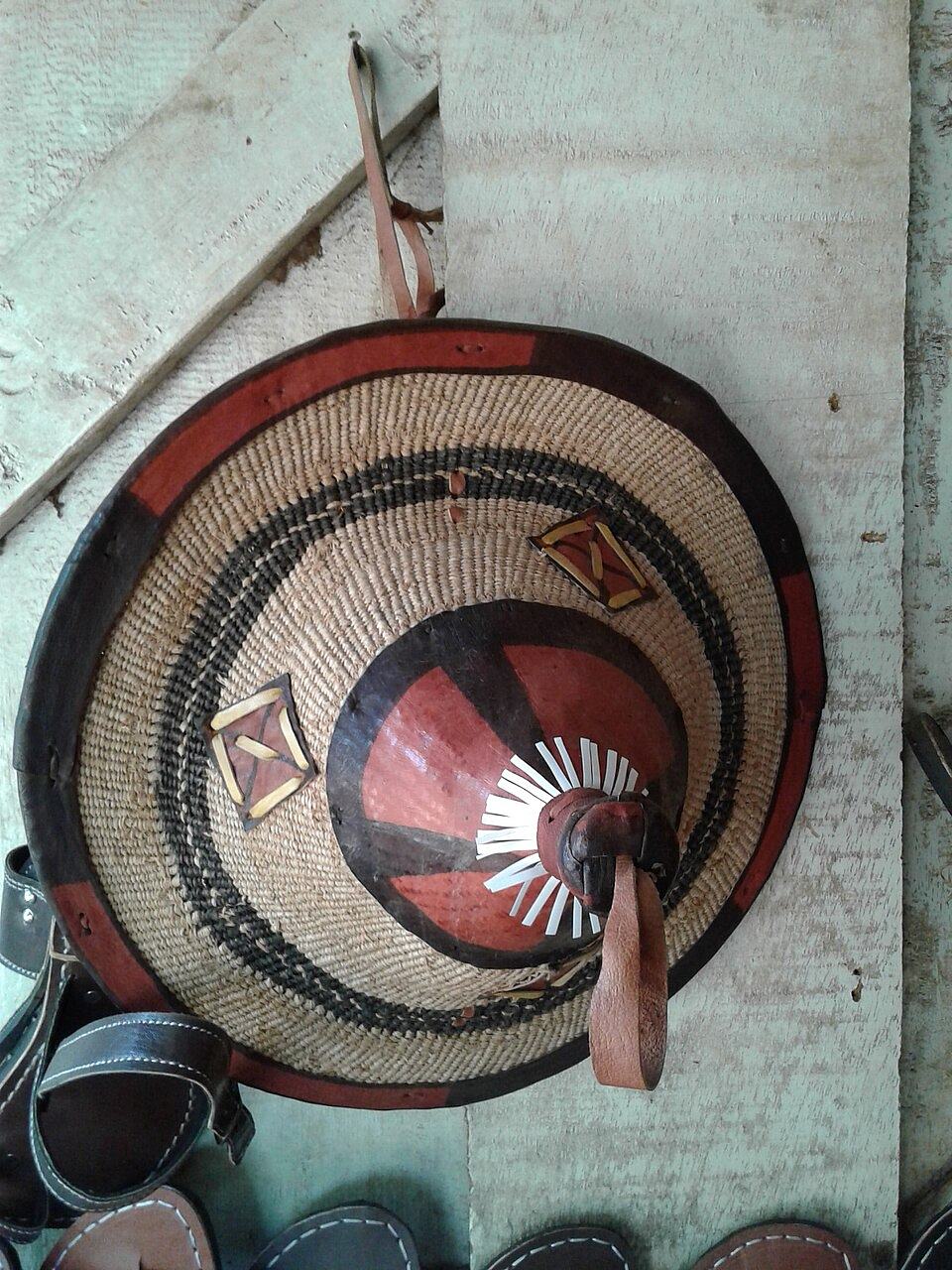
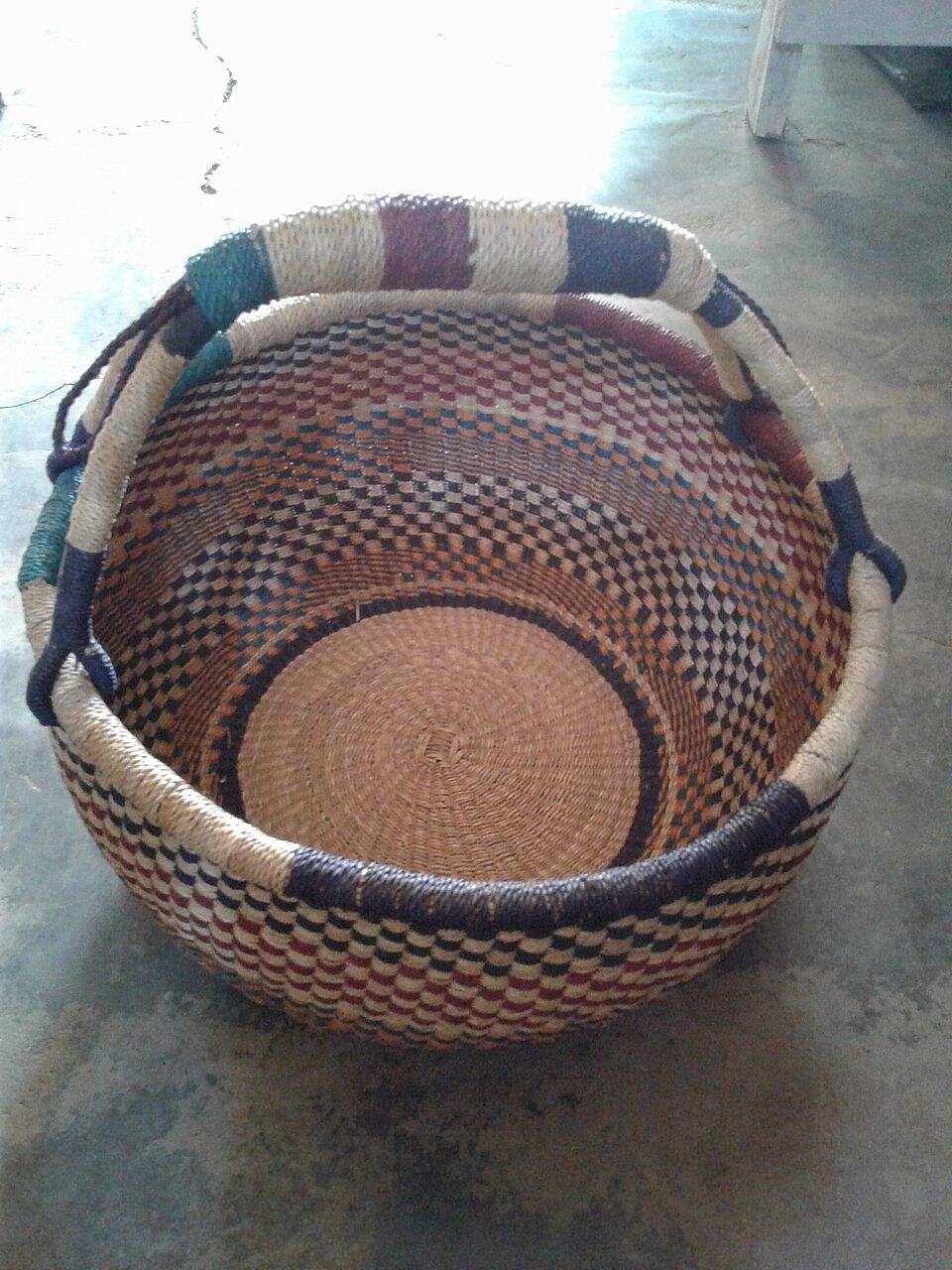
Tamale lies in savanna country, a landscape of grassland studded with baobab and acacia, where the wet season runs from May to October and the dry season brings high temperatures. Farming sustains most of the region's working population, and the city is its commercial centre, blending traditional architecture with modern development and a long tradition of pottery and textile production. Dagbani is the everyday language, alongside Gonja and other northern tongues. In recent years Tamale has also become a destination for contemporary art. The Savannah Centre for Contemporary Art, founded by the Tamale-born artist Ibrahim Mahama in 2019, is an artist-run project space, exhibition and research hub, cultural repository and residency, conceived as both artistic and social infrastructure in a region historically excluded from major art circuits. Its sister institution, Red Clay, serves as Mahama's studio, and the initiative now operates across several sites in the city, hosting exhibitions, workshops and residencies that draw local communities and international visitors alike.

What to do
Things to do in Tamale
-
Attraction
1.Savannah Centre for Contemporary Art (SCCA Tamale)
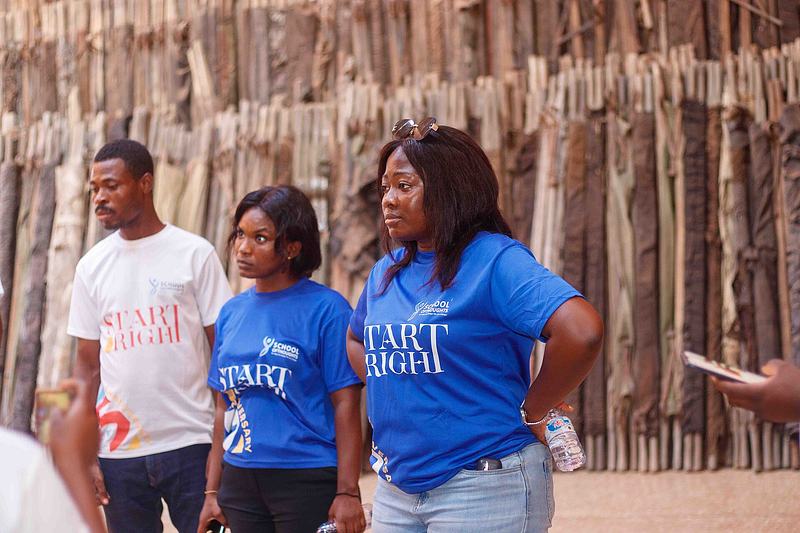
Founded by the Tamale-born artist Ibrahim Mahama in 2019, SCCA is an artist-run project space, exhibition and research hub, cultural repository and residency. It was conceived as both artistic and social infrastructure, expanding access to contemporary art in a region historically excluded from major art circuits, and it hosts exhibitions, residencies and educational programmes that invite public participation across generations. Its architecture, repurposed from industrial sites, reflects an ethos of reclamation and collective labour. Even if you know little about contemporary art, the scale of the ambition here is worth an hour of your time.
Tip: SCCA operates across several sites in Tamale, so ask locally which spaces are open and showing work before you set out.
-
2.Red Clay Studio
Red Clay is the studio complex of Ibrahim Mahama and the sister institution to SCCA, part of the same artist-led initiative that has reshaped Tamale's cultural life. Where SCCA concentrates on exhibitions and research, Red Clay is the working and educational side of the project, an open studio and campus where art, history and community meet. Because it is a working studio rather than a conventional museum, what you see depends on what is being made and stored at the time, which is part of its appeal.
Tip: Treat Red Clay as a working studio: ask before photographing, and be patient if artists are mid-project.
-
3.Dakpema Chief's Palace
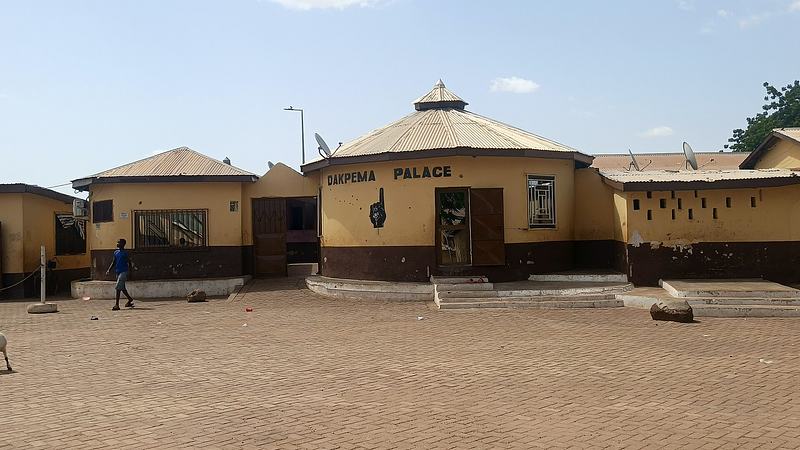
The Dakpema is the chief of Tamale, and his palace is a focal point of Dagbon traditional life in the city. Tamale's chieftaincy is not ceremonial decoration: sub-chiefs hold courts, oversee land and custom, and their processions at festival time are displays of a living political structure. Visiting the palace area gives you a sense of how authority is organised in a city that is simultaneously a modern regional capital and the seat of an old kingdom. Approach it as you would a working seat of governance rather than a tourist attraction.
Tip: Dress modestly and ask permission before entering or photographing; a local guide can explain protocol.
-
Attraction
4.Kukuo Pottery Centre
Kukuo, also called Kukuo Pottery Village, is a traditional craft community near Tamale where pottery is bound up with daily life, household use, ritual and community identity. Clay vessels are shaped, decorated, dried and fired by hand, and the craft supports household incomes while preserving inherited knowledge. Women often play a leading role in keeping these traditions alive across northern Ghana. It is a quieter, more personal experience than a marketplace, and a chance to see heritage in motion rather than behind glass.
Tip: Arrange your visit through a local guide or community contact, ask before taking photos, and buy directly from artisans where you can.
-
5.Tamale Central Market
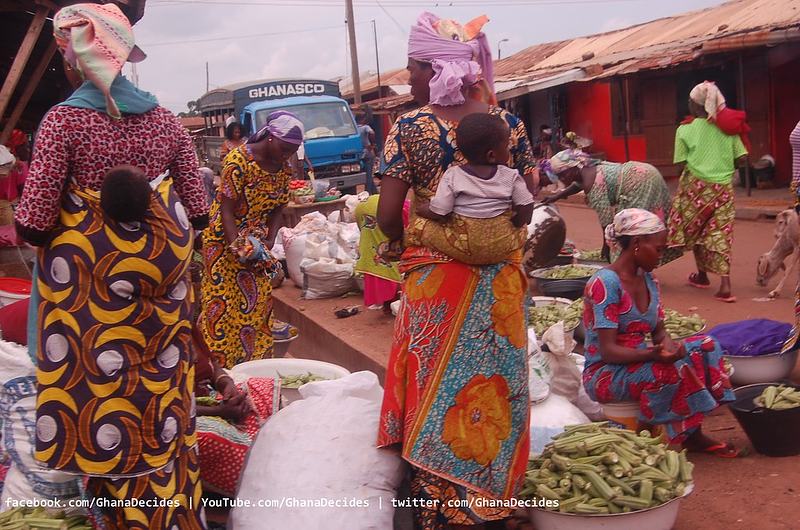
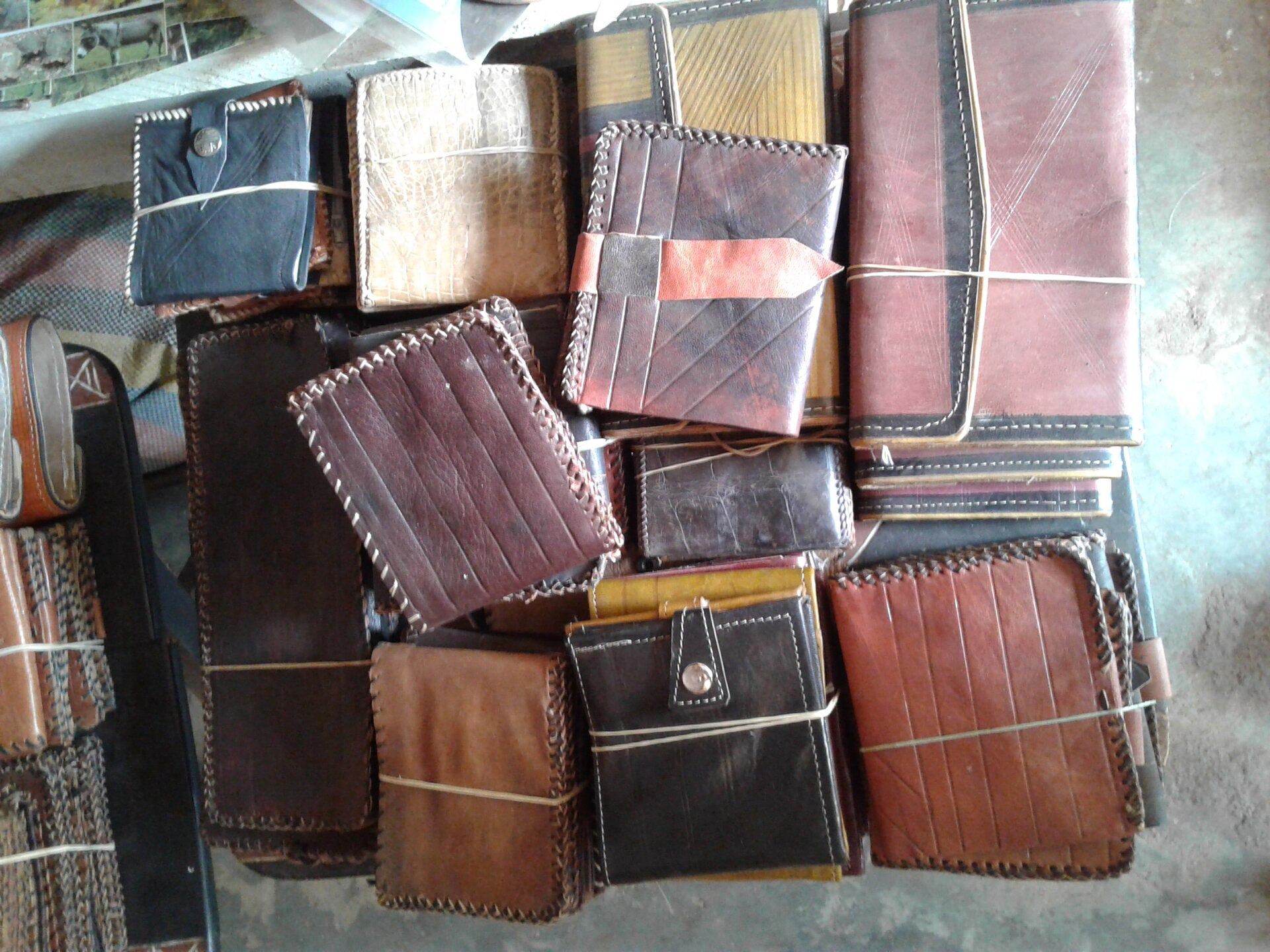
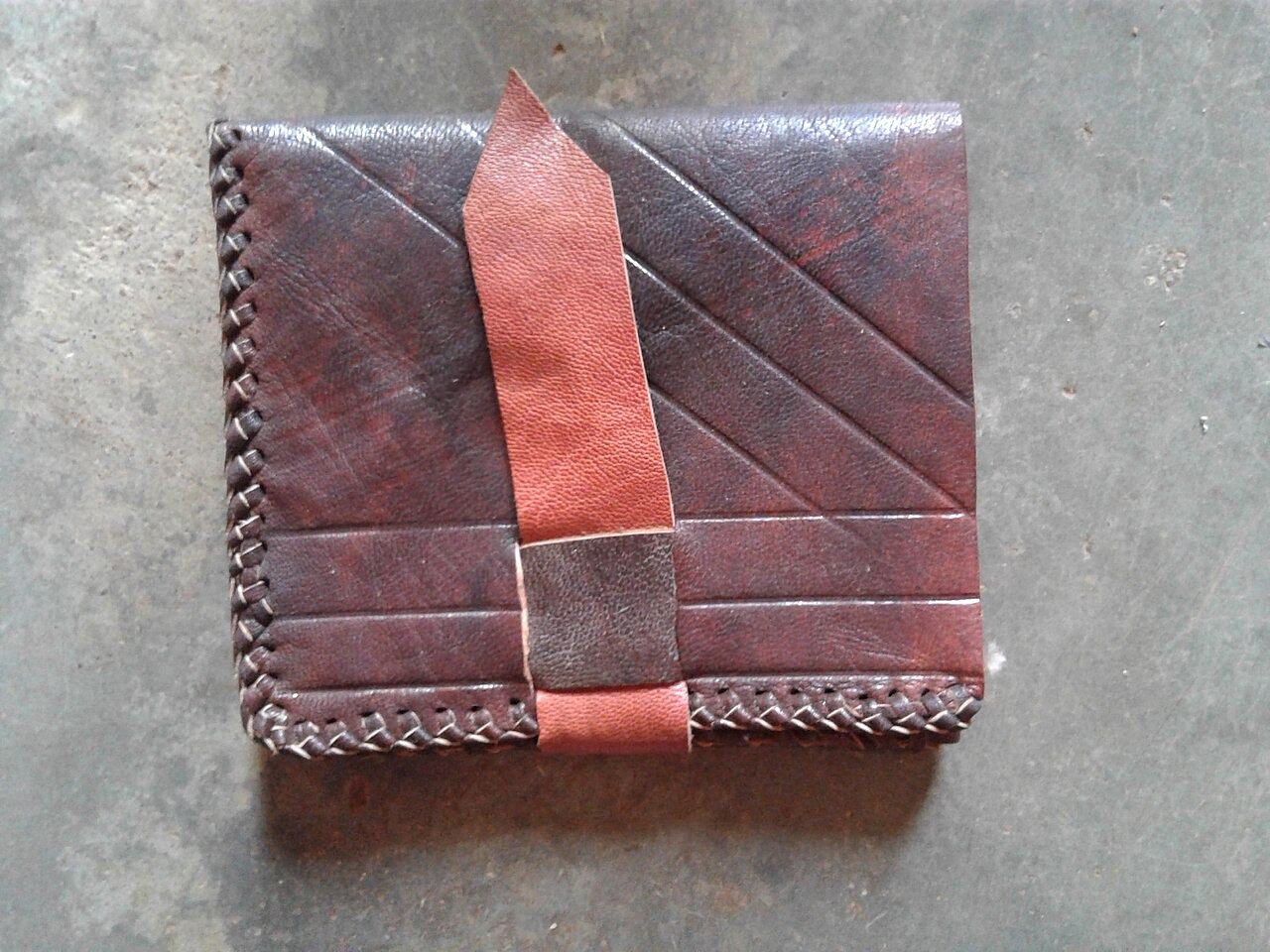
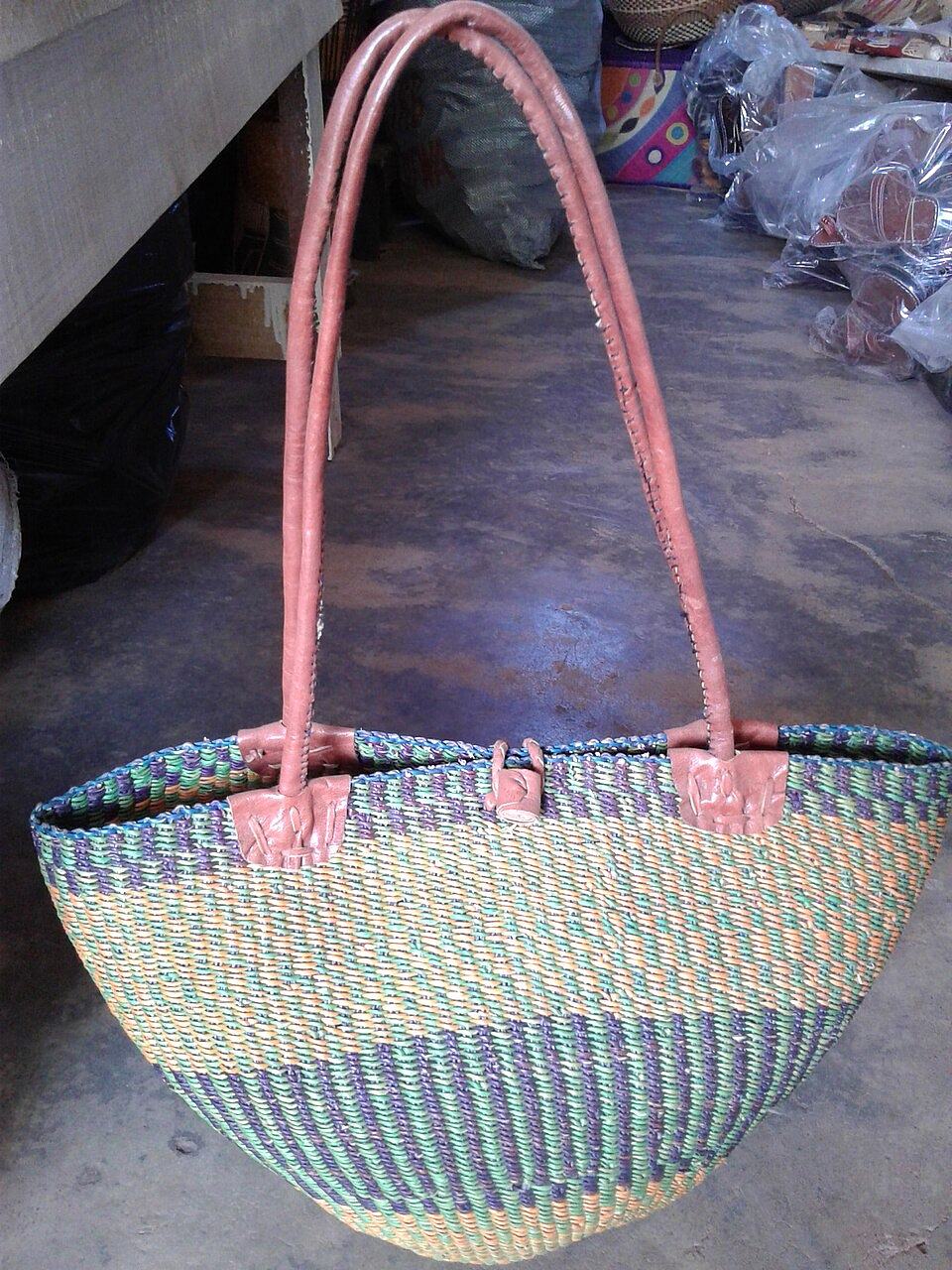
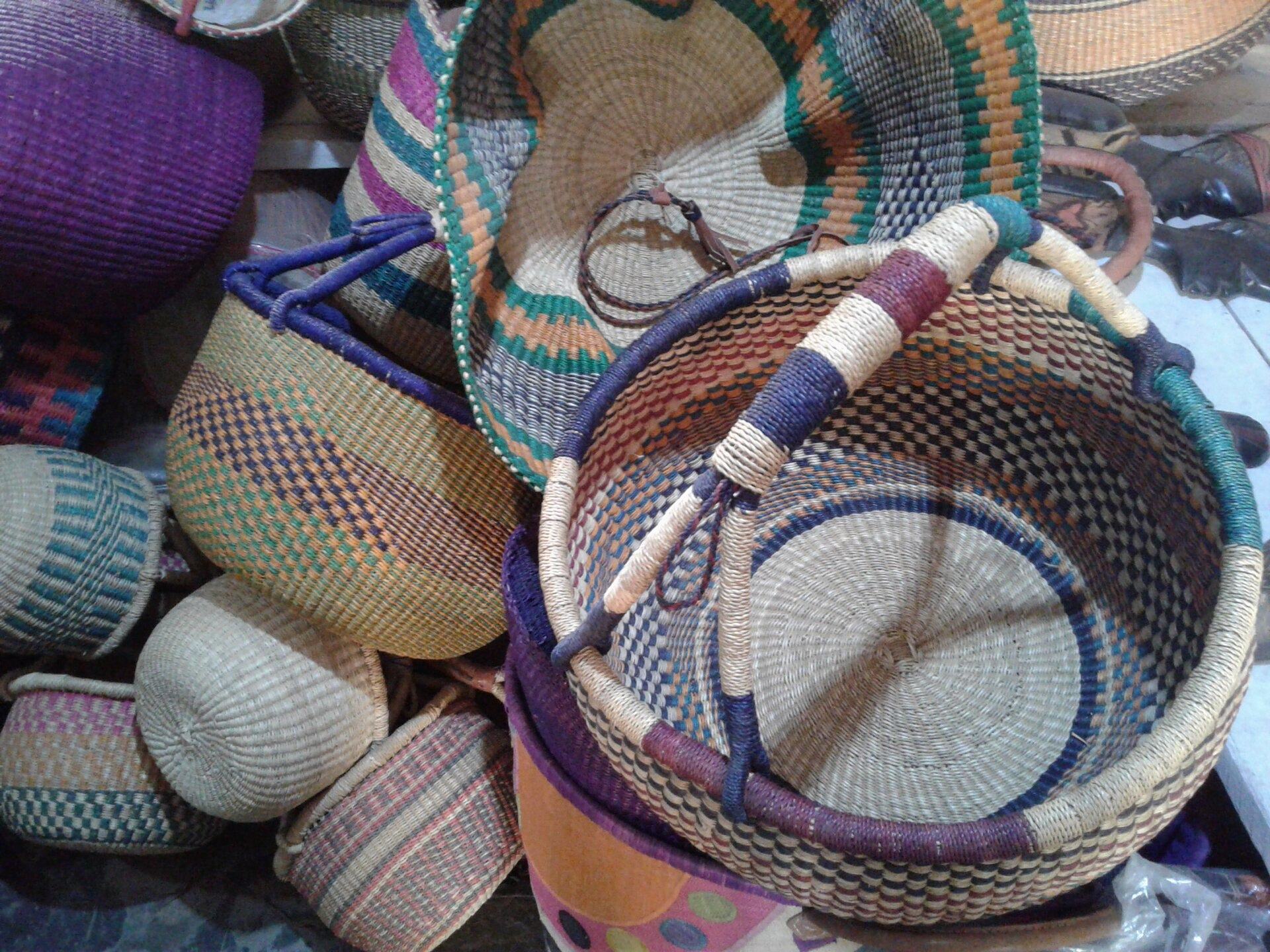
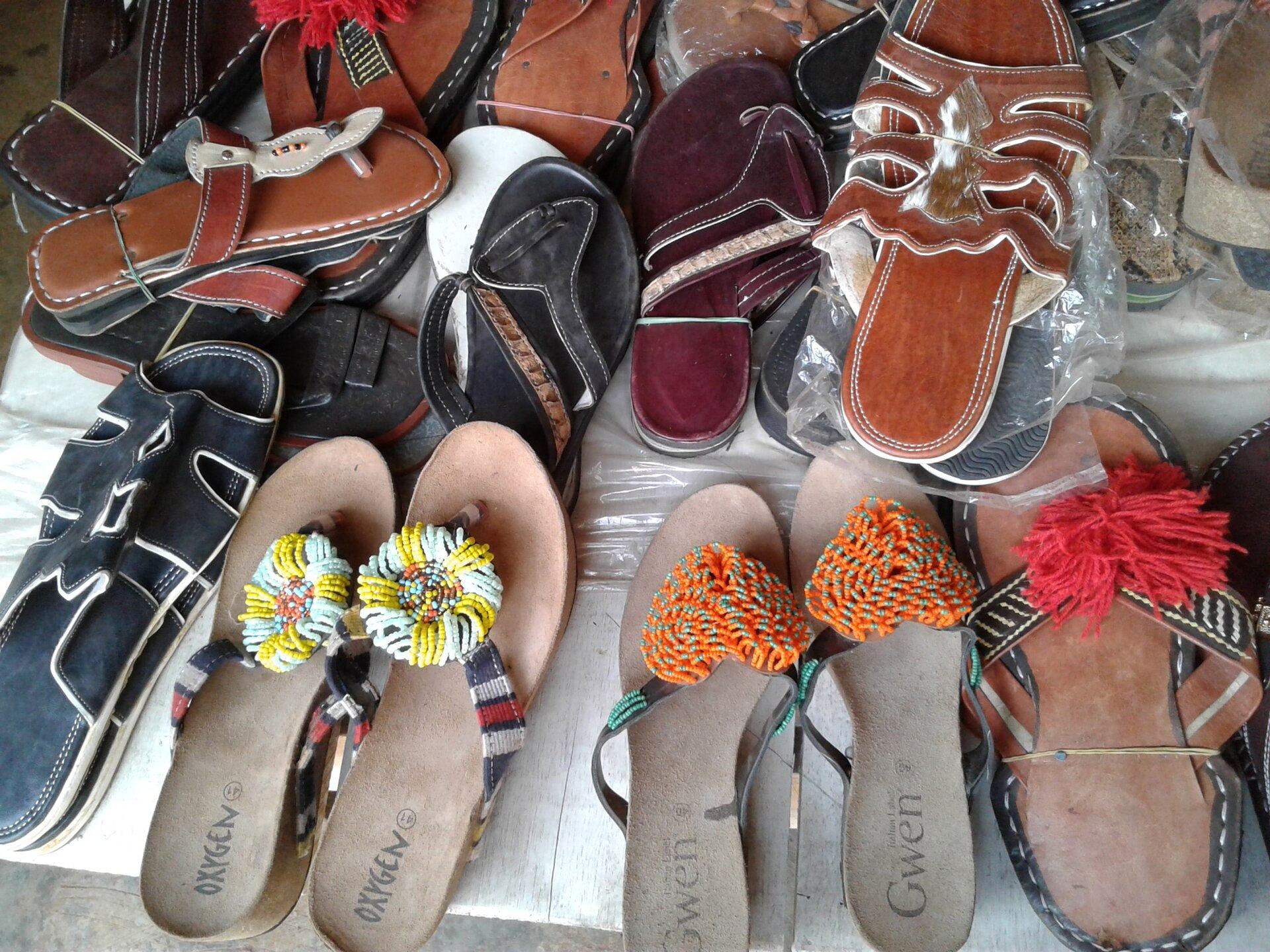
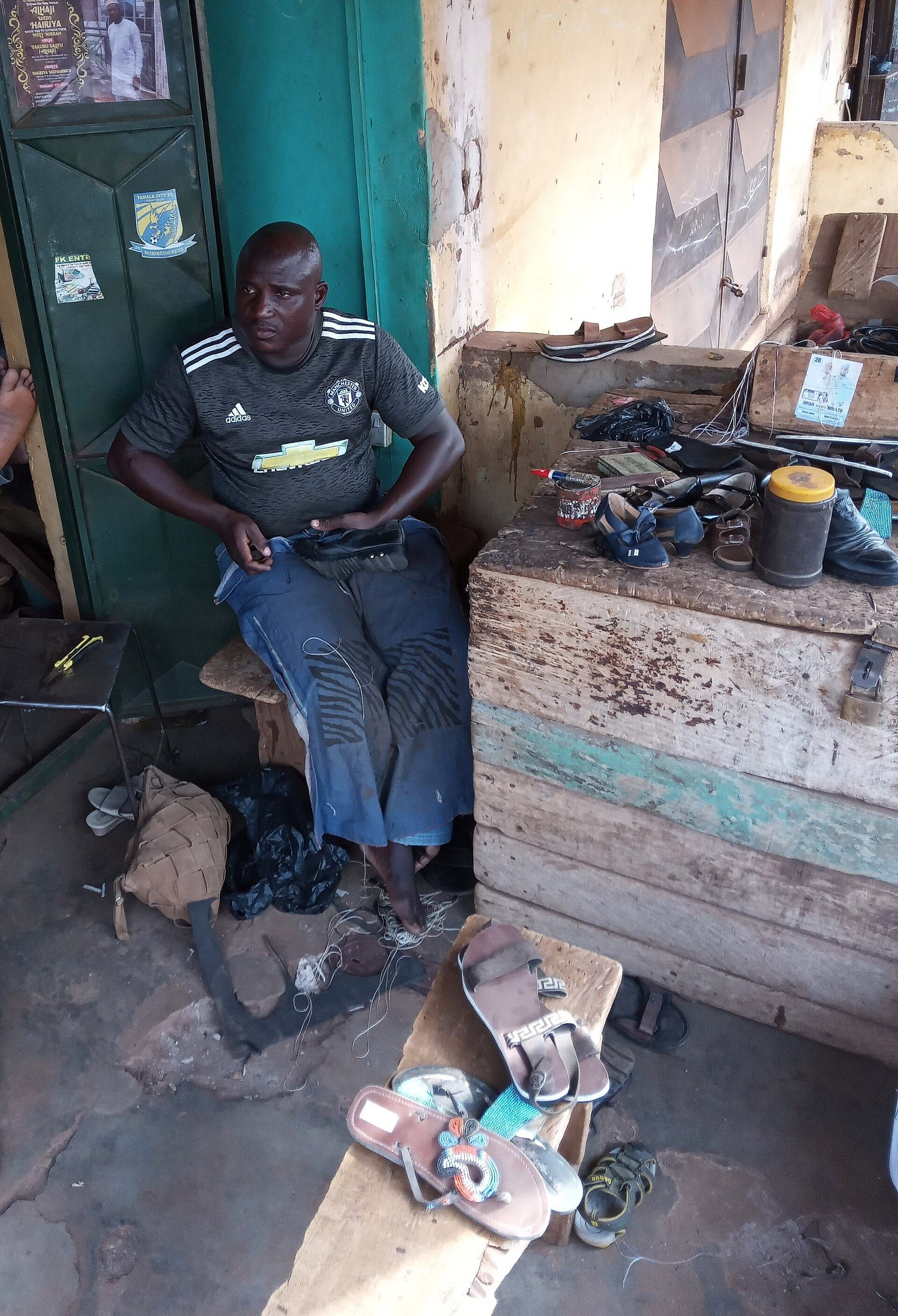
Tamale Central Market is the commercial engine of the city, with its Aboabo and Dakurili sections selling food, crafts and clothing. This is where the region's trade concentrates, and where you can find the northern goods Tamale is known for, from smocks and textiles to leatherwork. Come to watch the city do business rather than to tick off a sight: the market is loud, busy and entirely itself. Give yourself time to wander without a fixed shopping list.
Tip: Go in the morning when the market is at its liveliest, keep valuables close, and agree prices before buying.
-
Attraction
6.Centre for National Culture, Tamale
The Northern Regional office of Ghana's National Commission on Culture sits in Tamale's Central Business District, and its crafts village, sewing centres, bars and restaurant make it an easy introduction to the region's material culture. It is a practical first stop for anyone wanting to understand northern craft traditions, and a convenient place to see artisans at work without leaving the city centre. Pair it with the market for a fuller picture of how craft and commerce connect here.
Tip: Combine a visit with the nearby central market so you can compare workshop pieces with market stock.


Plan your time
Suggested itinerary
Half a day: art and the city centre
Start at the Savannah Centre for Contemporary Art, where the exhibitions and the story of the project set the tone for the day. Move on to Red Clay Studio to see the working side of the same initiative, then head into the Central Business District for the Centre for National Culture and its crafts village. Finish at Tamale Central Market, wandering the Aboabo and Dakurili sections for smocks, textiles and leatherwork. This route keeps you in the city and works well if you have arrived on a morning flight.
Savannah Centre for Contemporary Art (SCCA Tamale)→Red Clay Studio→Centre for National Culture, Tamale→Tamale Central Market
One day: art, craft and chieftaincy
Begin at SCCA and Red Clay while the light is good, then drive out to Kukuo Pottery Centre to watch potters shape, decorate and fire clay by hand. Return to the city for lunch and the Centre for National Culture, then visit the Dakpema Chief's Palace area to understand how Dagbon chieftaincy works in Tamale. End the day at Tamale Central Market as the city winds down. If your visit coincides with Damba, restructure the day around the palace and durbar instead.
Savannah Centre for Contemporary Art (SCCA Tamale)→Red Clay Studio→Kukuo Pottery Centre (Kukuo Pottery Village)→Centre for National Culture, Tamale→Dakpema Chief's Palace (Tamale)→Tamale Central Market
Two days: Tamale and the wider north
Spend the first day on the city route above, taking your time over the art sites and the market. On the second day, use Tamale as a base for the wider region: the Northern Region holds savanna landscapes, ancient mosques and historical sites, and the city's air links make it the practical starting point for exploring further north. Keep the second day flexible, and confirm opening arrangements for any site outside the city before you travel.
Savannah Centre for Contemporary Art (SCCA Tamale)→Red Clay Studio→Kukuo Pottery Centre (Kukuo Pottery Village)→Centre for National Culture, Tamale→Dakpema Chief's Palace (Tamale)→Tamale Central Market


Seasons and festivals
When to go
Tamale sits in tropical savanna country. The wet season runs from May to October, while the dry season brings high temperatures that can reach around 38°C, so plan outdoor time for the cooler hours. The single most compelling reason to time a visit is Damba, the great festival of Dagbon and its related kingdoms, celebrated under the lunar calendar in the month of Damba, which corresponds to Rabia al-Awwal in the Islamic calendar. Because it follows the lunar cycle, the dates shift from year to year, so check locally before booking. The festival unfolds over the month, with the eleventh, seventeenth and eighteenth days carrying the main public events.
- Damba Festival · Annually, in the month of Damba on the Dagomba lunar calendar (corresponding to Rabia al-Awwal); dates shift each year
- Damba began as a commemoration of the birth and naming of the Prophet Muhammad but has become a glorification of chieftaincy and heritage, and a thanksgiving and homecoming for Dagbamba. The first ten nights bring dance rehearsals at the chief's palace, called by drumming. On the eleventh day a bull is slaughtered according to Islamic ritual and the chief appears in the afternoon, led out by elders as musketeers fire and praise singers call appellations. The seventeenth day, Naa Damba, is the grandest, with dancing and processions, and the eighteenth, Belkulsi, is the farewell, when chiefs ride horses at the durbar grounds before the thanksgiving continues into the night. Celebrations are also held by diaspora communities abroad.
Access
Getting there and around
Tamale is the capital of Ghana's Northern Region and the commercial centre of the north, and it is the region's main aviation gateway, with the strongest air links in northern Ghana. The city's airport connects the Northern, Savannah, North East and Upper regions to the rest of the country, which makes flying in a practical alternative to a long road journey from the south. Once you are in Tamale, the city is laid out on wide roads and moves largely by motorcycle, so expect constant two-wheeled traffic as you get around. For sites outside the city centre, such as Kukuo Pottery Centre, arrange transport and a local guide in advance, and confirm arrangements for any site before travelling.
Good to know
Before you go
Tamale is a Muslim-majority city with a deep traditional chieftaincy culture, so dress modestly and behave with the courtesy you would show in any seat of governance. Palaces and chief's compounds are working institutions, not attractions: ask permission before entering or photographing, and follow the guidance of a local guide on protocol. At Kukuo Pottery Centre, remember that you are visiting a living artisan community whose work depends on time, weather, materials and daily schedules, so be patient and respectful, and buy directly from makers where you can. Dagbani is the everyday language, though English is widely understood in the city. The dry season brings high temperatures, so carry water and plan strenuous activity for the cooler parts of the day. Confirm opening arrangements for art sites and craft villages before you set out, as these are working spaces rather than fixed-hours museums.


FAQ
Questions travellers ask about Tamale
Where is Tamale and why should I visit?
Tamale is the capital of Ghana's Northern Region and the commercial centre of the north, set within the Kingdom of Dagbon. It is worth visiting for its chieftaincy culture, the Damba festival, its craft traditions and a contemporary art scene led by the Savannah Centre for Contemporary Art and Red Clay.
When is the Damba festival held?
Damba is celebrated under the lunar calendar in the month of Damba, which corresponds to Rabia al-Awwal in the Islamic calendar, so the dates shift from year to year. The main public events fall on the eleventh, seventeenth and eighteenth days of the month.
What is there to see in Tamale for art lovers?
The Savannah Centre for Contemporary Art, founded by Ibrahim Mahama in 2019, is an artist-run exhibition, research and residency space, and its sister institution Red Clay serves as Mahama's studio. Both are part of an initiative that now operates across several sites in the city.
Can I visit a pottery village near Tamale?
Yes. Kukuo Pottery Centre, also called Kukuo Pottery Village, is a traditional craft community near Tamale where you can watch clay vessels being shaped, decorated and fired by hand. Arrange your visit through a local guide or community contact and ask before taking photographs.
What is the best time of year to visit Tamale?
The wet season runs from May to October, while the dry season brings high temperatures that can reach around 38°C. Many travellers time a visit to coincide with Damba, but because it follows the lunar calendar you should check the dates locally before booking.
How do I get to Tamale?
Tamale is the main aviation gateway for northern Ghana, with the region's strongest air links, connecting the Northern, Savannah, North East and Upper regions to the rest of the country. Within the city, expect to move around largely by motorcycle along wide roads.
What language is spoken in Tamale?
Dagbani is the predominant language of Tamale and the surrounding region, alongside Gonja and other northern languages. English is widely understood in the city.
In pictures
Tamale in pictures
Sources for this guide (7)
- Northern Region — Visit Ghana
- Damba Festival — Visit Ghana
- Damba festival — Wikipedia
- Savannah Centre for Contemporary Art — Wikipedia
- Savannah Centre for Contemporary Art (SCCA) — Visible Project
- Kukuo Pottery Centre — Beyond The Return Travel & Tours
- The Pillars of the North: A History of the Dagbon Kingdom — TamaleGhana.com
Written September 29, 2026 from these sources and reviewed by the VisitGhana.app team. Confirm practical details locally before travelling.