
A hill town built on cool air and cocoa
Aburi's story begins with its altitude. Because the town sits high on the Akuapem Ridge, its climate is markedly cooler than neighbouring Accra, and the Akuapem Hills — with their milder weather and lower prevalence of malaria than the coast — were among the first parts of the Ghanaian hinterland where Europeans settled. A sanatorium was built on the site in 1875 for Gold Coast government officials. In 1890 that land became the Aburi Botanical Gardens, opened under Governor William Brandford-Griffith and Dr John Farrell Easmon, a Sierra Leonean medical doctor, with a Basel missionary and Jamaican Moravian, Alexander Worthy Clerk, supervising the clearing of ground around the sanatorium to start a Botanic Department. William Crowther, a student from the Royal Botanic Gardens at Kew, was appointed the garden's first curator that same year. The name Aburi itself is an adapted form of 'Abude', reshaped by the European missionaries and traders who came through. The garden's early purpose was practical: it tested crops and supplied cheap cocoa seedlings and scientific farming advice, helping to build the cocoa industry that would define southern Ghana. After Hevea brasiliensis arrived from Kew in 1893, it did the same for rubber. An inventory dated 21 July 1900 listed 350 different plant species growing at Aburi. The garden has since taken on newer work — research, growing endangered plants, plant multiplication, horticultural training and environmental education — and in 2022 it drew more visitors than any other site in Ghana, according to the fourth Ghana Tourism survey.

Odwira: forty days of quiet, then a town in full voice
Aburi is one of the Akuapem towns that celebrates Odwira, a festival with nearly two centuries behind it. It marks the victory of Okuapeman over the Asante army at the battle of Katamansu near Dodowa in 1826, and was first celebrated that October under Nana Addo Dankwa I, the 19th Okuapehene. Odwira is also a harvest and purification festival, timed to the reaping season, when gratitude is given to the ancestors and the new yam is formally outdoored. The rhythm is carefully kept. For forty days beforehand, Adaebutu imposes a ban on all forms of noisemaking and on funerals across Akuapem. The week itself moves day by day: the ceremonial path is cleared to the royal mausoleum; the Banmuhene is sent to confer with the ancestors and bring Odwira back to the Okuapehene; Wednesday is given to communal mourning, with families in black and red honouring those who have died in the past year; Thursday brings the Okuapehene in state, receiving homage, with a young maiden carrying a special dish of eto through the principal streets. On Thursday night a curfew falls and the state executioners carry the sacred stools to the river for cleansing rites. Friday's durbar at Mpeniase closes the celebration. Odwira is celebrated annually in September and October, and Aburi, Akropong, Larteh and Mamfe all take part.

The ridge, the forest and the falls
The Akuapem Ridge is the landscape that shapes everything here. The Krobo Mountains and the Akwapim Ridge overlook a long stretch of countryside with opportunities for walks and hikes, and the Eastern Region around them is known for tropical forest and falling water. The garden itself holds a rich collection of tropical flora that draws special birds and butterflies, and its entrance is framed by royal palms. Among the trees inside is a silk cotton (Ceiba pentandra) — the sole survivor of the original forest that once covered the Aburi hills — alongside mahogany, cedar and silver oak. Beyond the garden walls, the hillside is farm country as much as forest: the ridge is cocoa country, and the wider Eastern Region is where Ghana's cocoa industry began, at Mampong-Akwapim, where Tetteh Quarshie planted seeds brought from Fernando Po. Down in the folds of the ridge, reached by a short forest walk rather than a serious trek, Oboadaka Falls runs in tiers with a slight plunge on one side, flowing year-round but at its most dramatic in the rainy season, when you are surrounded by falling water in a small canyon. The name comes from the boxlike rocks scattered around the site — roughly 'stone box' — and locals call the falls 'gugu'. In Akuapem folklore the falls are a deity, mythically the wife of Gugu, drawing its course from the Nsakyi river; it is said that during Odwira the water produces a drum-like sound like the fontomfrom, the royal drum, and that warriors once hid gold and spoils of war at its foot because the place was considered sacred and secure.

What to do
Things to do in Aburi
-
1.Walk the Aburi Botanical Gardens
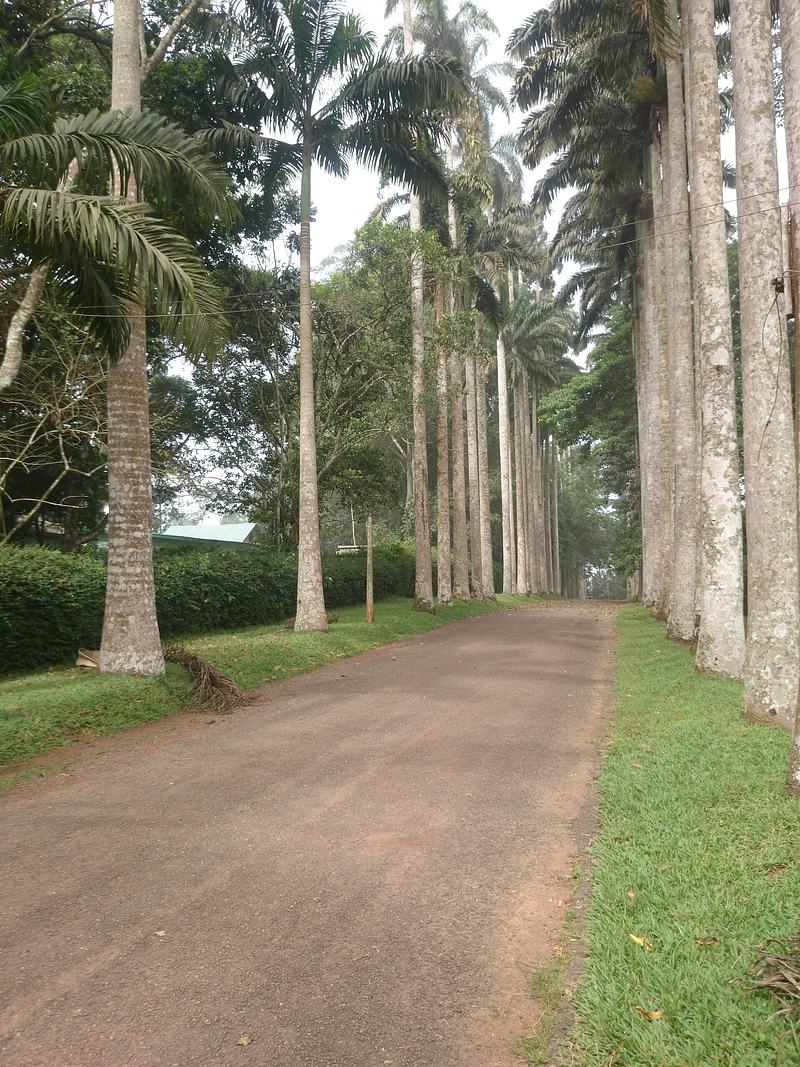
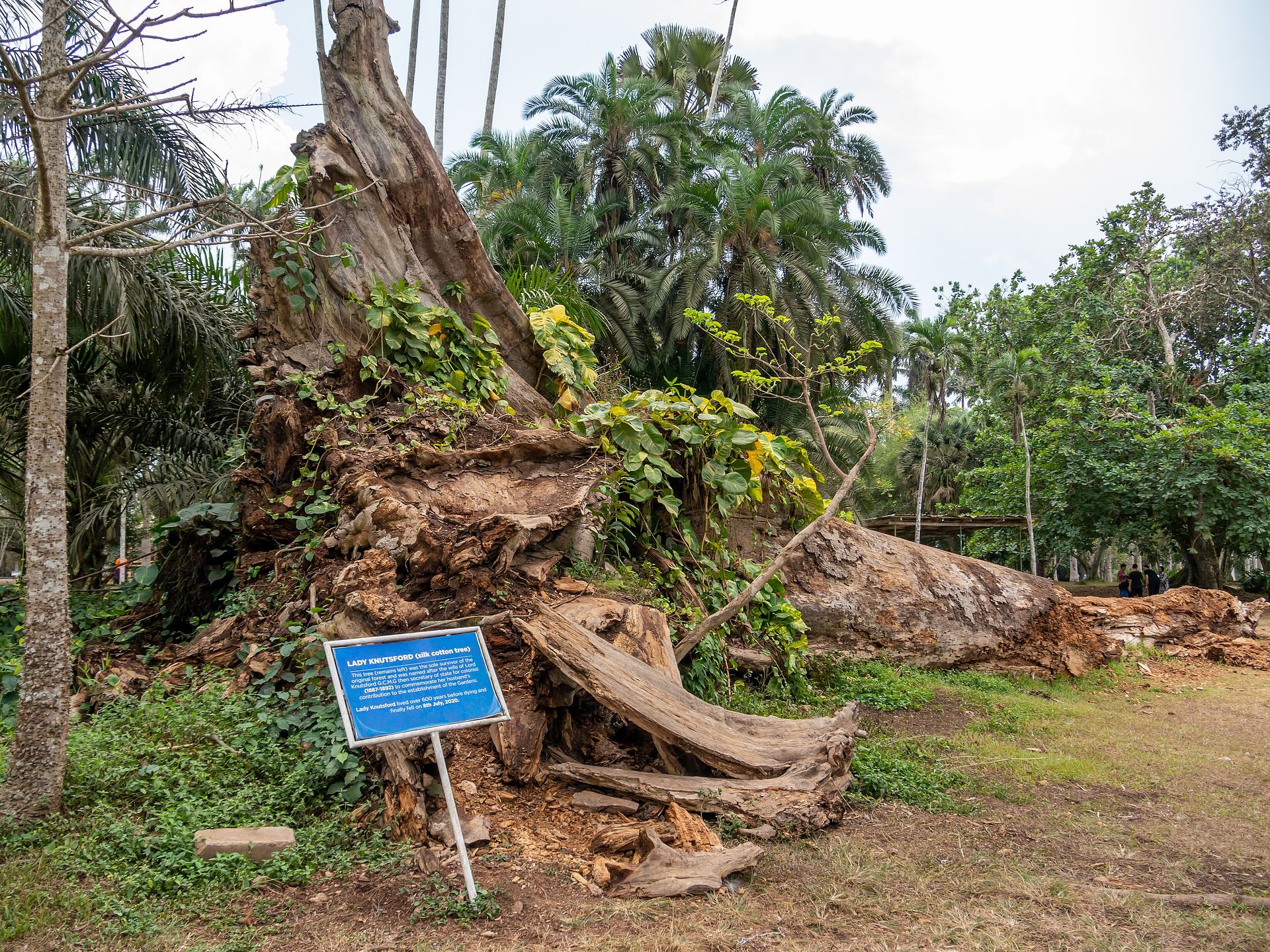
The reason most people come up the hill, and worth half a day on its own. Opened in March 1890 and covering 64.8 hectares, the garden holds a wide collection of tropical plants, medicinal species and trees — mahogany, cedar, silver oak and a silk cotton (Ceiba pentandra) that is the sole survivor of the original forest that once covered the Aburi hills. The entrance is framed by royal palms, and the tranquil paths have long made this a favourite excursion for city dwellers. It is also a place of convalescence and of serious horticultural work: research, endangered plant propagation and environmental education.
Tip: The garden is a bird and butterfly spot, so bring binoculars and go early while the paths are still cool and quiet.
-

2.Browse the Aburi Craft Village
A working craft centre and market beside the gardens, and the best place in town to watch woodcarving happen rather than just buy the result. What began as a modest trade in the house of one Mallam Gyekyi more than three decades ago grew into a village of 116 shops, built in phases from 2010 with funding through the Ministry of Trade and Industry, and refurbished with support from the Ghana Export Promotion Authority. Around 200 members from Aburi, the Volta and Ashanti regions and even Nigeria are attached to it. Carvers turn raw wood into masks, statues, wall hangings and key holders, alongside beadwork and textiles.
Tip: Ask before photographing a carver at work, and take your time — the pieces are made slowly, with knives and adzes, and the makers are happy to explain the process.
-
Waterfall
3.Hike to Oboadaka Falls
A short, scenic forest walk to a tiered waterfall about 20 minutes' drive from the botanical gardens, which makes the two easy to combine in one day. The water flows year-round but is at its most dramatic in the rainy season, when you are genuinely surrounded by falling water in a small canyon. Shade trees along the way make for easy rest stops. The site carries real Akuapem meaning: the name refers to the boxlike rocks around it, locals call the falls 'gugu', and folklore holds them to be a deity, the wife of Gugu, fed by the Nsakyi river.
Tip: This is an open-air forest hike, not a covered attraction, so build in flexibility around the weather and wear grip-friendly shoes — the rocks near the water are slippery after rain.
-
Attraction
4.Take in the Akuapem Ridge viewpoints
The ridge is the whole point of Aburi. From the winding road up, most of Greater Accra is visible spread out below, and the altitude keeps the air noticeably cooler than the coast. The Krobo Mountains and the Akwapim Ridge overlook a beautiful stretch of countryside with opportunities for long walks and hikes, and the hills are cocoa country — the wider Eastern Region is where Ghana's cocoa industry began. Even a short stop on the way up or down gives you the view that explains why this hill town exists.
Tip: The one stopping space for pictures on the climb carries a 'No Stopping' sign, so plan your viewpoint stop rather than pulling over on the bend.
-
Attraction
5.Spend an afternoon at Papaye Recreational Village
A 130-acre recreation park at Konkonuru on the Akwapim Ridge, opened by the Papaye Group as an eco-tourism and event facility. It has a playing ground, a zoo, swimming pools, landscaped gardens, an outdoor auditorium, a museum, a garden of medicinal plants, a sporting complex and a restaurant, with trees left in their natural habitat. It is built for families and groups rather than solitude, and it works well as the relaxed half of a day when the garden and the falls have already filled the morning.
Tip: It is a weekend-and-holiday kind of place, so check that it is open on the day you plan to visit before making it the centrepiece of your trip.
-
Attraction
6.Find quiet on the forest trails
The wooded slopes around Aburi reward slow walking. The garden's own grounds are a haven for birds and butterflies, and the surrounding protected forest on the ridge offers shaded trails and birdlife for those who want to go beyond the manicured lawns. Note that sources often blur the Aburi Forest Reserve with the adjacent botanical gardens, so treat the two as one continuous green space and ask locally which trails are open and where they lead before setting off.
Tip: Go with a local guide or ask at the gardens for current trail conditions — paths and access can change, and it is easy to lose the route in the trees.


Plan your time
Suggested itinerary
Half a day: the garden and the carvers
Leave Accra early and drive up the ridge, stopping once for the view back over Greater Accra. Spend the morning walking the Aburi Botanical Gardens — the royal palm entrance, the silk cotton tree, the shaded paths — then cross to the Aburi Craft Village for an hour among the woodcarvers' stalls. Lunch on the ridge and head back down before the afternoon traffic builds. This is the classic Aburi introduction and needs no more than half a day.
Aburi Botanical Gardens→Aburi Craft Village→Aburi Mountain / Akuapem Ridge Viewpoint
One day: garden, falls and craft
Start at the botanical gardens while the air is cool and the birds are active. Mid-morning, drive the roughly 20 minutes to Oboadaka Falls and take the short forest walk in, allowing time to sit by the water. Come back via the craft village for carving and souvenirs, then finish at a ridge viewpoint as the light softens over the plain below. If you are travelling with children or want a gentler afternoon, swap the falls for Papaye Recreational Village at Konkonuru.
Aburi Botanical Gardens→Oboadaka Falls→Aburi Craft Village→Aburi Mountain / Akuapem Ridge Viewpoint→Papaye Recreational Village
Two days: ridge, forest and festival
Day one as above, but linger: walk the garden's longer paths and the surrounding forest trails with a guide, and stay overnight on the ridge so you get the cool evening and early morning that day-trippers miss. Day two, take a longer ridge walk or hike, visit the cocoa country around Mampong-Akwapim where Ghana's cocoa industry began, and if you are here in September or October, build the trip around Odwira, when Aburi and the neighbouring Akuapem towns celebrate with a week of ceremonies and a closing durbar.
Aburi Botanical Gardens→Aburi Forest Reserve→Aburi Mountain / Akuapem Ridge Viewpoint→Oboadaka Falls


Seasons and festivals
When to go
Aburi's altitude is its selling point in any month: the climate is a lot cooler than neighbouring Accra, so the ridge is a genuine escape from coastal heat whenever you come. For the waterfall, timing matters more than temperature. Oboadaka flows year-round but is at its most dramatic in the rainy season, when the water surrounds you in the small canyon; the walk in is an open-air forest hike, so good weather makes a real difference and it is worth building flexibility around your dates. The wider Eastern Region's waterfalls are generally at their peak between June and August. If you want the town at its most alive, aim for Odwira in September or October, when Aburi joins Akropong, Larteh and Mamfe in the Akuapem festival calendar.
- Odwira Festival · Annually in September and October
- Celebrated by the chiefs and people of Akuapem, including Aburi, Akropong, Larteh and Mamfe, Odwira marks the 1826 victory over the Asante at the battle of Katamansu and doubles as a harvest and purification festival. Forty days of Adaebutu — a ban on noisemaking and funerals — precede a week of rites: the clearing of the path to the royal mausoleum, the bringing of Odwira from the ancestors, a day of communal mourning in black and red, the Okuapehene sitting in state, and a closing durbar at Mpeniase.
Access
Getting there and around
Aburi sits north-east of Accra on the Akuapem Ridge, about 28km from the capital, and the drive takes roughly 45 minutes — less since the dual carriageway from Tetteh Quarshie Circle to Adenta Barrier was completed. The road climbs the hillside and is a toll road, with a higher charge for vans and lorries than for cars. From the climb, most of Greater Accra is visible below. Most visitors come by private car, taxi or organised tour from Accra, and the town is small enough that the gardens, the craft village and the main viewpoints are close together; for Oboadaka Falls and Papaye at Konkonuru you will want a vehicle, as they sit a short drive out of town. Once you are on the ridge, walking is the best way to move between the garden, the carvers' stalls and the roadside viewpoints.
Good to know
Before you go
Bring a layer. The whole appeal of Aburi is that it is cooler than Accra, and mornings and evenings on the ridge can feel genuinely fresh after the coast. Wear shoes with grip for the forest walk to Oboadaka Falls — the rocks near the water are slippery after rain — and treat the falls as an open-air outing, checking ground conditions and access before you travel, since arrangements at smaller sites can change. Carry cash for craft purchases and small entry points, and ask before photographing carvers at work or anyone taking part in ceremonial events. If you visit during Odwira, respect the Adaebutu period of quiet and the private rites: some ceremonies are not for outsiders' eyes, and the festival is a living observance, not a performance. Finally, confirm opening arrangements for Papaye Recreational Village, which runs on weekends and public holidays, before you build a day around it.


FAQ
Questions travellers ask about Aburi
How far is Aburi from Accra, and how long does the drive take?
Aburi is about 28km north-east of Accra on the Akuapem Ridge, and the journey takes roughly 45 minutes — quicker since the dual carriageway from Tetteh Quarshie Circle to Adenta Barrier was completed. The road up is a toll road.
Why is Aburi cooler than Accra?
Because of its altitude on the Akuapem Ridge. The town sits high enough that its climate is a lot cooler than neighbouring Accra, which is exactly why it became a hill retreat and the site of a colonial sanatorium in 1875.
When did the Aburi Botanical Gardens open?
The gardens opened in March 1890, founded by Governor William Brandford-Griffith and Dr John Farrell Easmon, on the site of an 1875 sanatorium. They cover 64.8 hectares and were first curated by William Crowther, a student from the Royal Botanic Gardens at Kew.
Can you swim at Oboadaka Falls?
The falls have rocky pools and are used for a cool dip, but the rocks near the water are slippery after rain, so wear grip-friendly shoes and take care. Access and ground conditions are worth confirming before you travel.
What is the Odwira Festival and when is it held?
Odwira is celebrated by the chiefs and people of Akuapem, including Aburi, annually in September and October. It marks the 1826 victory at the battle of Katamansu and is also a harvest and purification festival, preceded by forty days of Adaebutu, a ban on noisemaking and funerals.
Is Aburi good for a day trip from Accra?
Yes — it is one of the most natural day trips from the capital. You can walk the botanical gardens, browse the craft village and take in a ridge viewpoint in half a day, or add the forest walk to Oboadaka Falls for a full day out.
What is there to do in Aburi with children?
Papaye Recreational Village at Konkonuru is the family option, with a zoo, swimming pools, playgrounds, a sporting complex and a museum on a 130-acre site. The botanical gardens and the craft village also work well for younger visitors.
In pictures
Aburi in pictures
Keep exploring
More destination guides
Sources for this guide (9)
- Aburi — Wikipedia
- Aburi Botanical Gardens — Wikipedia
- Odwira festival — Wikipedia
- Eastern Region — Visit Ghana
- Aburi Gardens overtakes Kakum National Park as most visited tourist site in 2022 — Akuapim South Municipal Assembly
- Aburi Craft village; carved dreams — Graphic Online
- Papaye opens eco-tourism facility at Konkonuru — Graphic Online
- Oboadaka Waterfalls: A Hidden Falls With a Story Behind It — Experience Ghana Travel
- Oboadaka Falls — TortoisePath
Written September 29, 2026 from these sources and reviewed by the VisitGhana.app team. Confirm practical details locally before travelling.