
A town built where trade routes met
Bolgatanga's name is usually traced to Gurene words: some accounts read it as 'Bolba' (migrant) and 'Tanga' (pyramid or gathering rock), while others point to 'Boole' (clay) and 'tanga' (rocks), recalling the clay that Gurunsi women gathered from local rock formations for pottery and building. Both readings speak to the same truth — this is a place shaped by movement and by the land around it. The town sat close to the trans-Saharan trade route, and because so many routes crossed the Gurensi region, by the end of the nineteenth century the area had grown into an important trade hub. In 1910 a road connected Bolgatanga to the rest of Ghana, and after independence it became the administrative capital of the Upper East Region. That history is not only commercial. Bolgatanga also served as a market where captives from the Sahel were sold to Hausa merchants as part of the African slave trade, and the wider region was bound up in the routes that carried enslaved people south to the coast. The Upper East Regional Museum holds this memory in its collection, including images of the drilled stone 'eating plates' used by enslaved people at the Pikworo Slave Camp. It is a history to approach quietly and with respect.

The Frafra name, and the people behind it
When European missionaries first reached the Upper East Region, local people greeted them with the phrase 'Ya Fara-Fara?' — roughly 'How is your work?' The visitors misheard it as a name, and 'Frafra' stuck, gathering four distinct communities — Gurensi, Talensi, Nabdam and Kusasi — under a single label. Today those communities live side by side in Bolgatanga, sharing much of a culture and language. The town is religiously mixed: Christianity, traditional religions and Islam all have a strong presence. What visitors notice most, though, is the craft economy. Bolgatanga is the crafts centre of the Upper East Region, and the town and its surrounding villages are among the largest producers of leather goods, straw baskets and smocks in Ghana. Weaving in particular has become a route to independence for many Gurene women, a skill passed down through generations, most often from mothers to daughters.

Clay, rock and a semi-arid landscape
Bolgatanga lies in the Red Volta Valley, with the White Volta and the cliffs of the southern Gambaga escarpment forming the southern boundary of the Upper East Region. The town's landscape is one of gentle slopes broken by rock outcrops and uplands, and the municipality occupies a modest patch of land at the centre of the region. The climate is hot and semi-arid, with a rainy season and a long dry season; in Gurene these are known as 'Oone' and 'Sioo'. Rain generally falls between May and September, while the dry season stretches from November to March. Farming dominates the local economy — millet, maize, guinea corn, rice, beans, groundnuts and sweet potatoes in the wet months, and irrigated onions, tomatoes and peppers in the dry. The traditional villages scattered around the town, with their round thatched huts painted in bright decorative motifs, are one of the region's most distinctive sights.

What to do
Things to do in Bolgatanga
-
Attraction
1.Watch the weavers at Baba Tree Basket Company
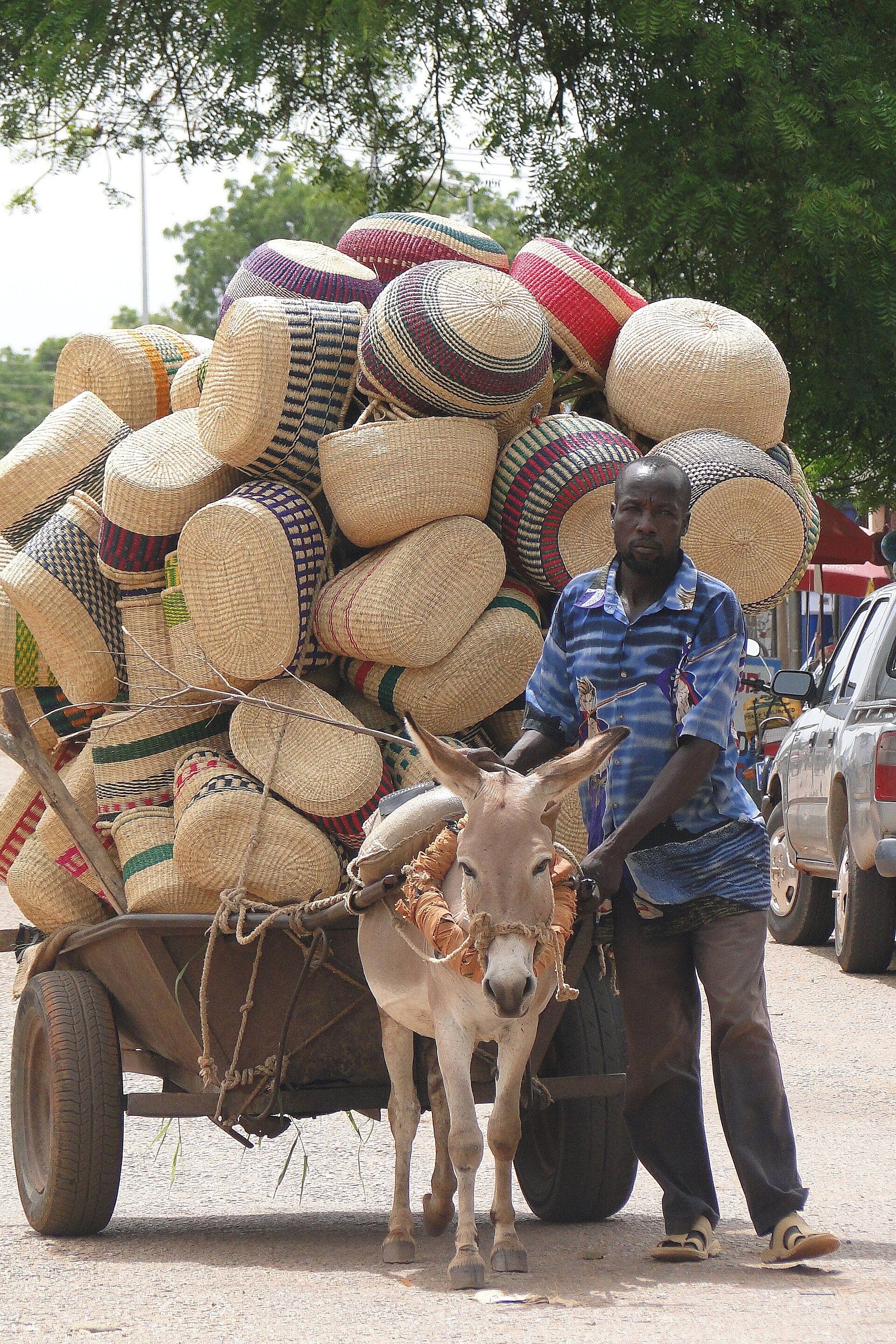
Baba Tree has been weaving in Bolgatanga since 2002, and it is the best place to understand why the town is called the City of Baskets. Between 180 and 200 weavers work with the company, preparing and weaving elephant grass by hand before each piece is shaped and inspected. The designs are not folkloric reproductions: the company collaborates with interior designers, architects and galleries, and its master weavers received a special mention at the LOEWE FOUNDATION Craft Prize for a piece shown at the National Gallery Singapore. Every basket is one of a kind and carries its maker's name.
Tip: Ask about the master weavers by name — the company deliberately credits individual makers, and knowing who wove your basket changes how you see it.
-
2.See the region's material culture at the Upper East Regional Museum
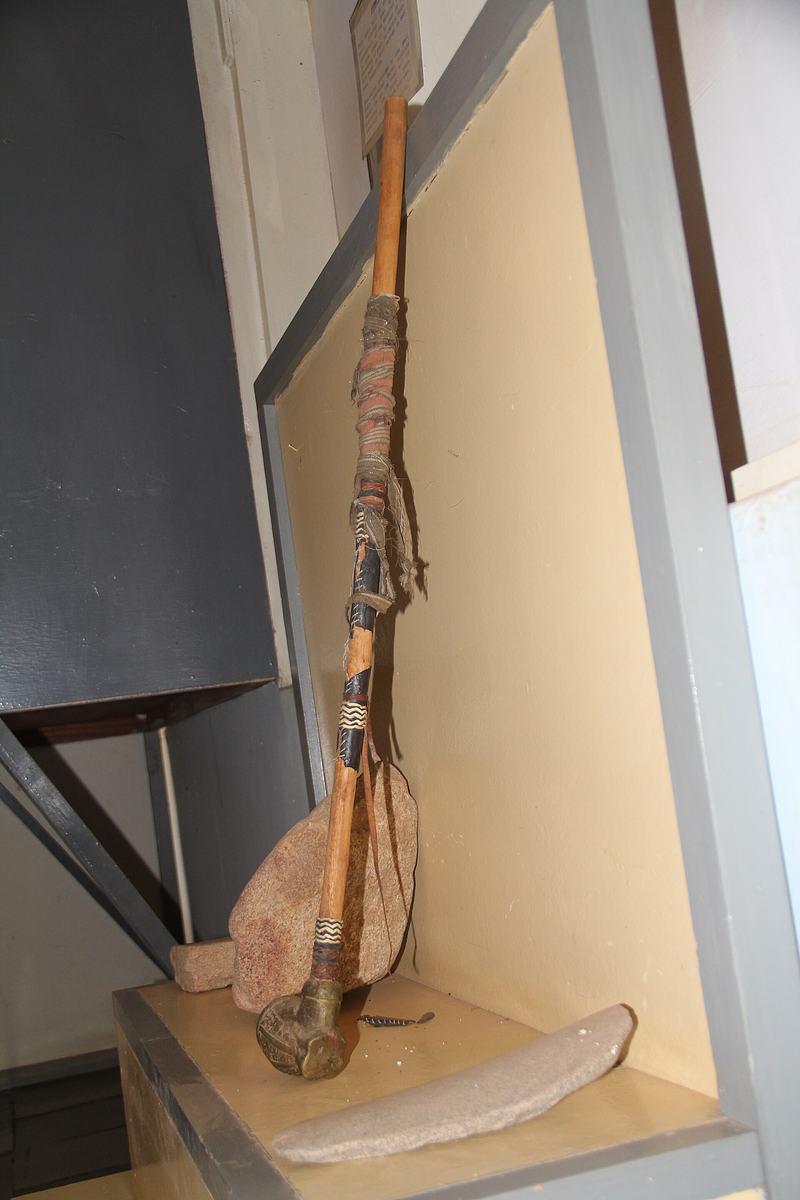
Established in 1972 and installed at its current site in 1991, this ethnographic museum exists to preserve the material culture of the Upper East Region and to teach local people, especially the young, to protect and remember their heritage. The collection includes local pottery, paintings, musical instruments, jewellery, weaponry, chiefs' possessions, carved darkwood stools and bronze ancestral vases. It also holds terracotta sculptures dating from the thirteenth to the eighteenth centuries, found at burial sites near Bolgatanga. The museum runs tours to other regional sites, including the Tongo-Tengzuk Hills and Shrines and the Paga Crocodile Pond.
Tip: The museum sits behind the Regional Library and next to the craft village, so pair the two in a single visit.
-
Attraction
3.Shop the Bolgatanga Craft Village
The craft village is the practical counterpart to the museum: a market and artisan centre where you can see the work being made and buy it directly. It sits adjacent to the Upper East Regional Museum, which makes it an easy stop on the same morning. Expect woven baskets, cloth, jewellery and other souvenirs, with the chance to talk to the people who make them. Because it is a dedicated craft site rather than a general market, it is a gentler place to browse and ask questions than the main market on a busy day.
Tip: Buying directly from makers keeps more of the value in Bolgatanga — take your time, ask how a piece was made, and treat the first price as a starting point for a friendly conversation.
-
4.Time your visit to Bolgatanga Market
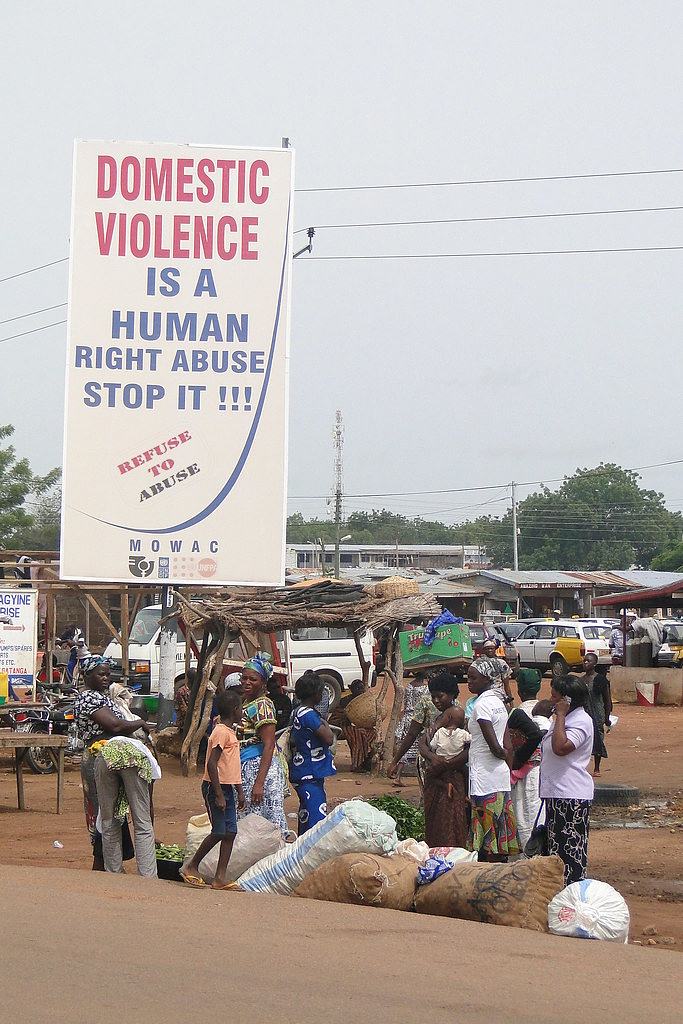
Bolgatanga's central market is the town's commercial heart, and it runs on a three-day cycle rather than every day — which makes it a genuine event when it happens. This is where locals buy and sell vegetables, grains, animals, cloth and everyday goods, and it is also where many artists sell their work. Alongside the food and livestock you will find the crafts Bolga is known for: straw baskets, leather goods, smocks and the so-called Bolga hats. Come for the trade as much as the shopping; the bargaining and the crowd are the experience.
Tip: Check which day the market falls on before you plan your trip — because it rotates every third day, a little forward planning is the difference between catching it and missing it.
-
Attraction
5.Pay your respects at the Bolgatanga Naba's Palace
The Bolgatanga Naba's Palace is the traditional seat and administrative centre of the paramount chief of the Bolgatanga Traditional Area, in the Atulibabisi community. Chieftaincy remains a living institution here, not a museum piece: the Bolga-Naba is installed by the principal elders of the traditional area's royal families, and the office carries real authority in local affairs. Visiting the palace is a chance to understand how traditional and municipal government sit alongside each other in a Ghanaian regional capital.
Tip: This is a working palace and a chief's residence, so dress modestly, ask permission before photographing anything, and follow the guidance of whoever receives you.
-
6.Walk the town's architecture and painted villages
Bolgatanga rewards slow wandering. The Bolgatanga Library is a notable design by the American architect J. Max Bond Jr., who lived in Ghana in the 1960s; influenced by Le Corbusier, it uses perforated walls and an umbrella-shaped roof to stay cool and well ventilated. Further out, the traditional villages of the Upper East Region feature round thatched huts painted with decorative motifs in striking colours — the village of Sumbrungu, about eight kilometres from Bolgatanga on the road towards Paga, is a fine example. Together they show two ends of the region's building tradition.
Tip: If you visit a painted village, remember people live there — greet the household, ask before taking photographs, and consider a small, courteous gift or purchase rather than treating the compound as a set.


Plan your time
Suggested itinerary
Half a day: crafts and collections
Start at the Upper East Regional Museum, where the pottery, stools, instruments and ancestral vases give you the context for everything else you will see. Walk next door to the Bolgatanga Craft Village and spend an unhurried hour among the baskets, cloth and jewellery, talking to makers. Finish at Baba Tree Basket Company, where you can watch elephant grass being prepared and woven and see how a traditional craft has been pushed into contemporary design. This cluster sits close together, so it works well on foot or with a short rickshaw ride between stops.
Upper East Regional Museum→Bolgatanga Craft Village→Baba Tree Basket Company
One day: market, palace and town
If your visit coincides with a market day, begin at Bolgatanga Market while it is at its liveliest, browsing foodstuffs, cloth, leather goods and baskets. Move on to the Bolgatanga Naba's Palace to learn how the traditional area is governed, then take lunch from the town's street food — waakye, jollof, banku, or egg and bread in the morning. In the afternoon, visit the Upper East Regional Museum and the adjacent craft village, and close the day at Baba Tree. If it is not a market day, swap the market for a walk past the Bolgatanga Library and a slow loop through town.
Bolgatanga Market→Bolgatanga Naba's Palace→Upper East Regional Museum→Bolgatanga Craft Village→Baba Tree Basket Company
Two days: Bolga plus the wider Upper East
Give the first day to Bolgatanga itself: the market, the palace, the museum, the craft village and Baba Tree, at an easy pace. On the second day, use the town as a base for the surrounding region. The museum arranges tours to the Tongo-Tengzuk Hills and Shrines and to the Paga Crocodile Pond, both of which make rewarding day trips, and the painted village of Sumbrungu lies about eight kilometres out on the Paga road. This is the pattern most travellers settle into: Bolgatanga as the staging ground, the Upper East as the destination.
Upper East Regional Museum→Bolgatanga Craft Village→Baba Tree Basket Company→Bolgatanga Market→Bolgatanga Naba's Palace


Seasons and festivals
When to go
Bolgatanga has a hot semi-arid climate with two clear seasons. The rainy season, called 'Oone' in Gurene, generally runs from May to September, with the heaviest rainfall in August; the dry season, 'Sioo', is long and stretches from November to March. Rainfall is modest, ranging from roughly 800 to 1,200 mm a year. Temperatures are high year-round, with average daily maxima around 30–39°C, and the hottest months fall in the first half of the year. The dry season brings clearer, easier travelling conditions, while the wet months green the landscape and fill the fields. Because the central market runs on a three-day cycle rather than daily, it is worth checking the calendar before you fix your dates.
- Damba festival · Annual, in the month of Damba (the third month of the Dagomba calendar, corresponding to Rabia al-Awwal in the Islamic calendar)
- Damba is celebrated across the Northern, Savanna, North East, Upper East and Upper West Regions, and has become a multinational festival with celebrations in Germany, the USA and the UK. It is built around chieftaincy and heritage, and unfolds in stages: song rehearsals in the first ten days, Somo Damba on the eleventh, Naa Damba (the king's Damba, with dances and horse shows) on the seventeenth, and the Belkulsi farewell procession on the eighteenth. Prayers, drumming, dancing and the exchange of gifts run throughout.
Access
Getting there and around
Bolgatanga lies about 161 km north of Tamale, and public buses connect it with Accra, Kumasi, Tamale and other major Ghanaian cities; the journey from Tamale takes roughly three hours. Shared rides from the major cities are another option, and a private car with a driver is faster and more convenient if your budget allows. Once you are in town, taxis are the easiest way for visitors to get around, though you should expect to share the cab with several other passengers before it departs — taxis gather near the market and the bus loop along the Bolga–Tamale road. Covered tricycles, known locally as 'candoos', are a cheap and airy way to move around town, and uncovered tricycles called 'motor kings' are used for carrying goods. Donkey carts, once a common sight, are now scarce.
Good to know
Before you go
Bolgatanga is a working town, not a resort, and it rewards travellers who arrive curious rather than demanding. Dress modestly, especially around the palace and in villages, and always ask before photographing people, compounds or ceremonies. Bargaining is normal in the market and craft village, but keep it good-humoured — the point is a fair exchange, not a victory. Be careful with untreated tap water; bottled and sachet water are widely available. The sun is strong and the dry season is genuinely dry, so carry water, a hat and sun protection. Learn a greeting or two in Gurene or Farefari; a few words go a long way. Finally, remember that the region's history includes the slave trade — approach sites and museum displays connected to it with the gravity they deserve.


FAQ
Questions travellers ask about Bolgatanga
What is Bolgatanga known for?
Bolgatanga, or Bolga, is best known as the crafts centre of Ghana's Upper East Region, and especially for handwoven 'Bolga baskets' made from elephant grass. The town and its surrounding villages are also among Ghana's largest producers of leather goods, straw baskets and smocks.
Where is Bolgatanga?
It is the capital of the Bolgatanga Municipal District and of the Upper East Region of Ghana, lying in the Red Volta Valley about 161 km north of Tamale, with the Burkina Faso border to the north.
When is Bolgatanga Market held?
The central market runs on a three-day cycle rather than every day, so the day it falls on shifts through the week. Check the local cycle before you plan your visit, as it is the town's main trading day.
What is the best time of year to visit Bolgatanga?
The dry season, from November to March, brings clearer and easier travelling conditions. The rainy season, known locally as 'Oone', runs from roughly May to September, with the heaviest rain in August. Temperatures are high throughout the year.
How do I get to Bolgatanga?
Public buses connect Bolgatanga with Accra, Kumasi, Tamale and other major cities, and the trip from Tamale takes about three hours. Shared rides and private cars with drivers are alternatives. Within town, taxis and covered tricycles called 'candoos' are the usual ways to get around.
Is the Upper East Regional Museum worth visiting?
Yes — it is the best introduction to the region's material culture, with pottery, musical instruments, jewellery, weaponry, chiefs' possessions, carved stools and bronze ancestral vases, plus terracotta sculptures from the thirteenth to eighteenth centuries. It also arranges tours to the Tongo-Tengzuk Hills and the Paga Crocodile Pond.
What is a Bolga basket made from?
Bolga baskets are handwoven from elephant grass, which is prepared and woven by hand before each finished piece is shaped and inspected. The craft is passed down through generations, most often from mothers to daughters, and each basket is unique to its maker.
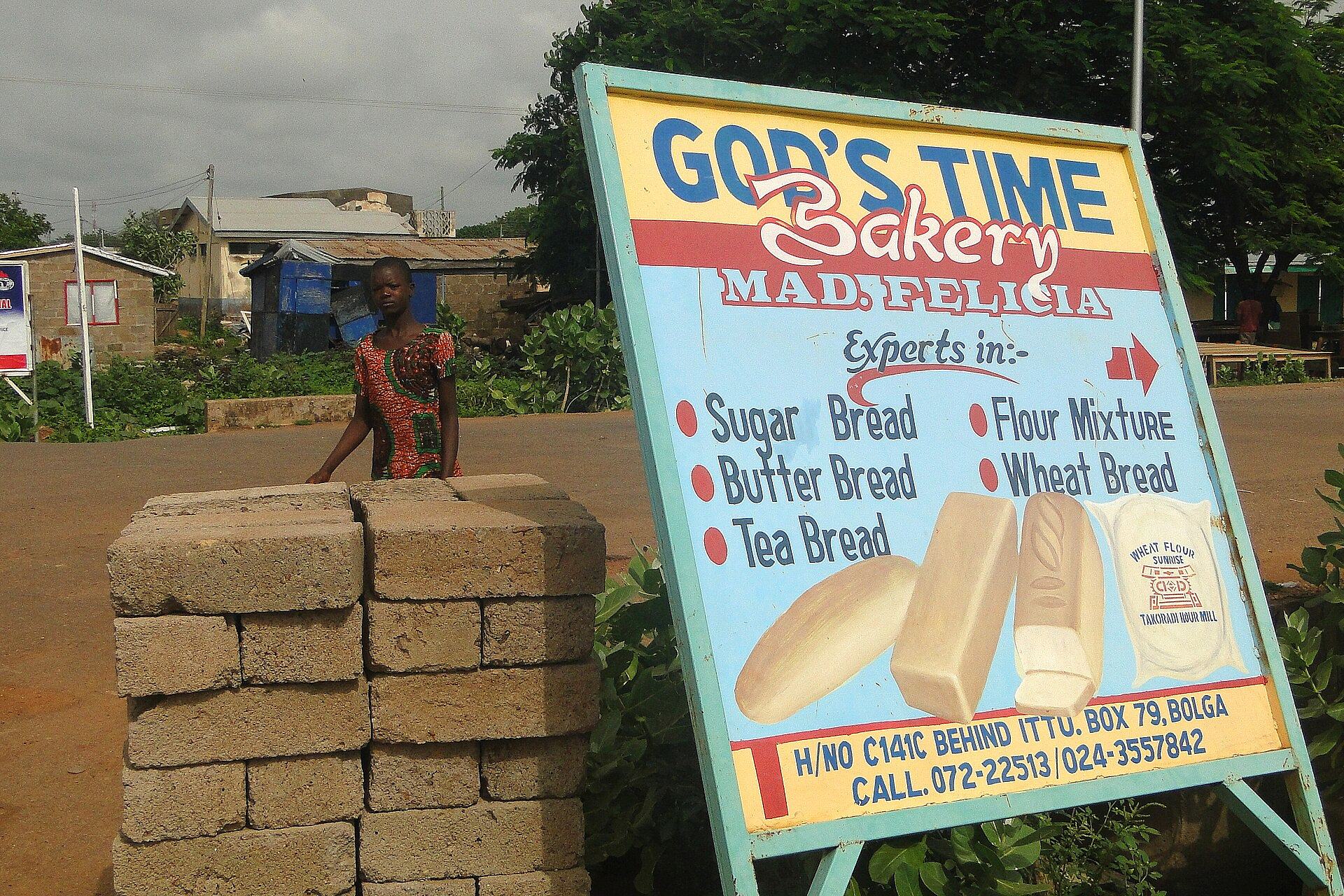
In pictures
Bolgatanga in pictures
Keep exploring
More destination guides
Sources for this guide (8)
- Bolgatanga — Wikipedia
- About Us — Bolgatanga Municipal Assembly
- Upper East Regional Museum, Bolgatanga (1991) — Ghana Museums and Monuments Board
- The Cultural Ambassadors of Bolgatanga, Ghana — The Urban Activist
- About The Baba Tree Basket Company
- Bolgatanga — Wikivoyage
- Upper East Regional Museum — GhanaTRVL
- Damba festival — Wikipedia
Written September 29, 2026 from these sources and reviewed by the VisitGhana.app team. Confirm practical details locally before travelling.