
A town that has always been a crossing
Paga's position explains almost everything about it. It lies on Ghana's northern edge, and the main road linking the country to Burkina Faso runs through it — the town is roughly 166 kilometres south of Ouagadougou via the N5 highway. Long before that road, Paga was a trade centre, and Visit Ghana describes it as a gateway to the Gulf of Guinea for goods and people moving from points north. The border itself is a colonial inheritance: a line delimited between the Gold Coast and French territory by agreement in 1898, refined by an exchange of notes in 1904 and approved in 1906, then demarcated on the ground with a series of pillars. When Ghana became independent in 1957 and Upper Volta (now Burkina Faso) followed in 1960, that line became an international frontier. The Kassena, however, had been there first, and their settlements and familial ties still stretch across the border. Paga is the administrative capital of the Kassena Nankana West District, a largely rural district of around 1,004 square kilometres whose economy rests on agriculture, livestock, commerce and cross-border trade.

The crocodiles and the covenant
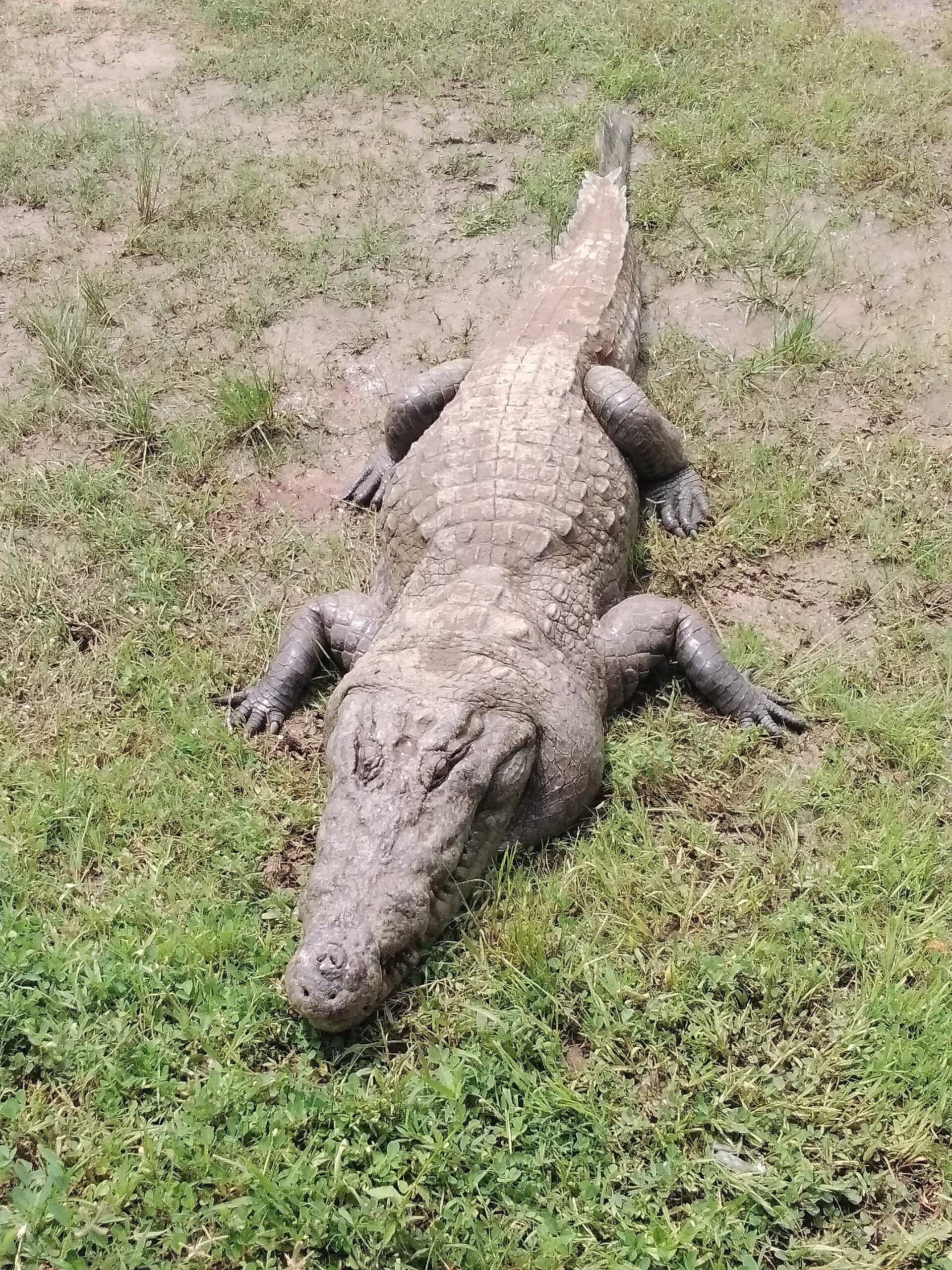
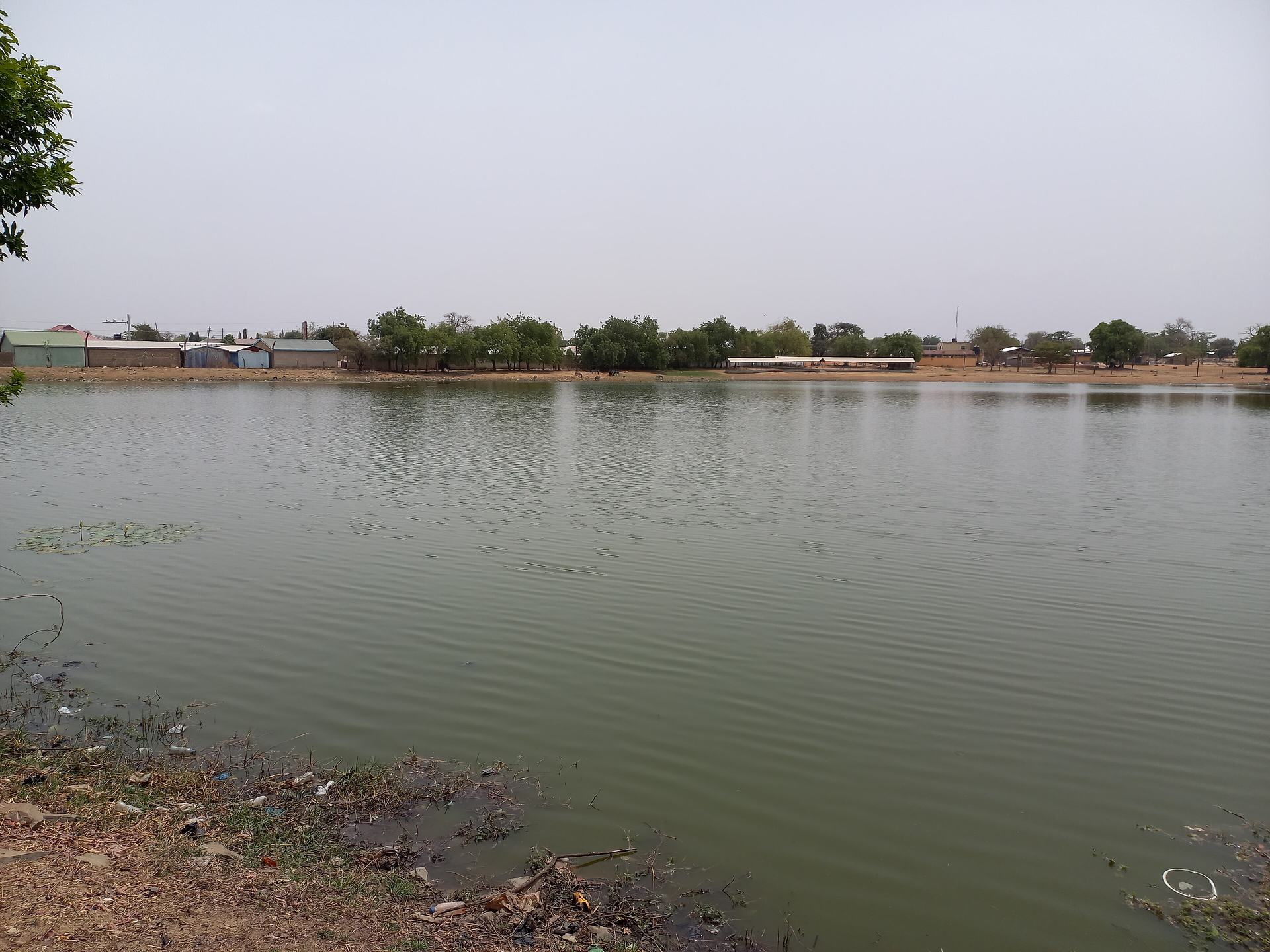
The pond is the heart of Paga's identity. It is a sacred pool inhabited by wild West African crocodiles, some of them said to be up to ninety years old, and it is also known as Chief's Pond. The locally told origin story is that a crocodile brought a dying man to the water to drink; he survived, declared the pond sacred, and decreed that no harm should come to the reptiles. That legend is said to reach back about six hundred years. Another version tells of a man trapped at the water's edge by a lion, who bargained with a crocodile that his descendants would never harm its kind if it would kill the lion. Either way, the crocodiles are regarded as totems, and it is believed that the souls of the people of Paga reside in them. Killing a crocodile, or eating crocodile meat, is an offence. The animals are so habituated that local children swim alongside them, and the pond now depends on tourism to keep its population fed and healthy — a dependence that carries its own tensions, as the surrounding dams dry out and the crocodiles compete with people for dwindling fish.

Pikworo: a place of rocks, and of memory
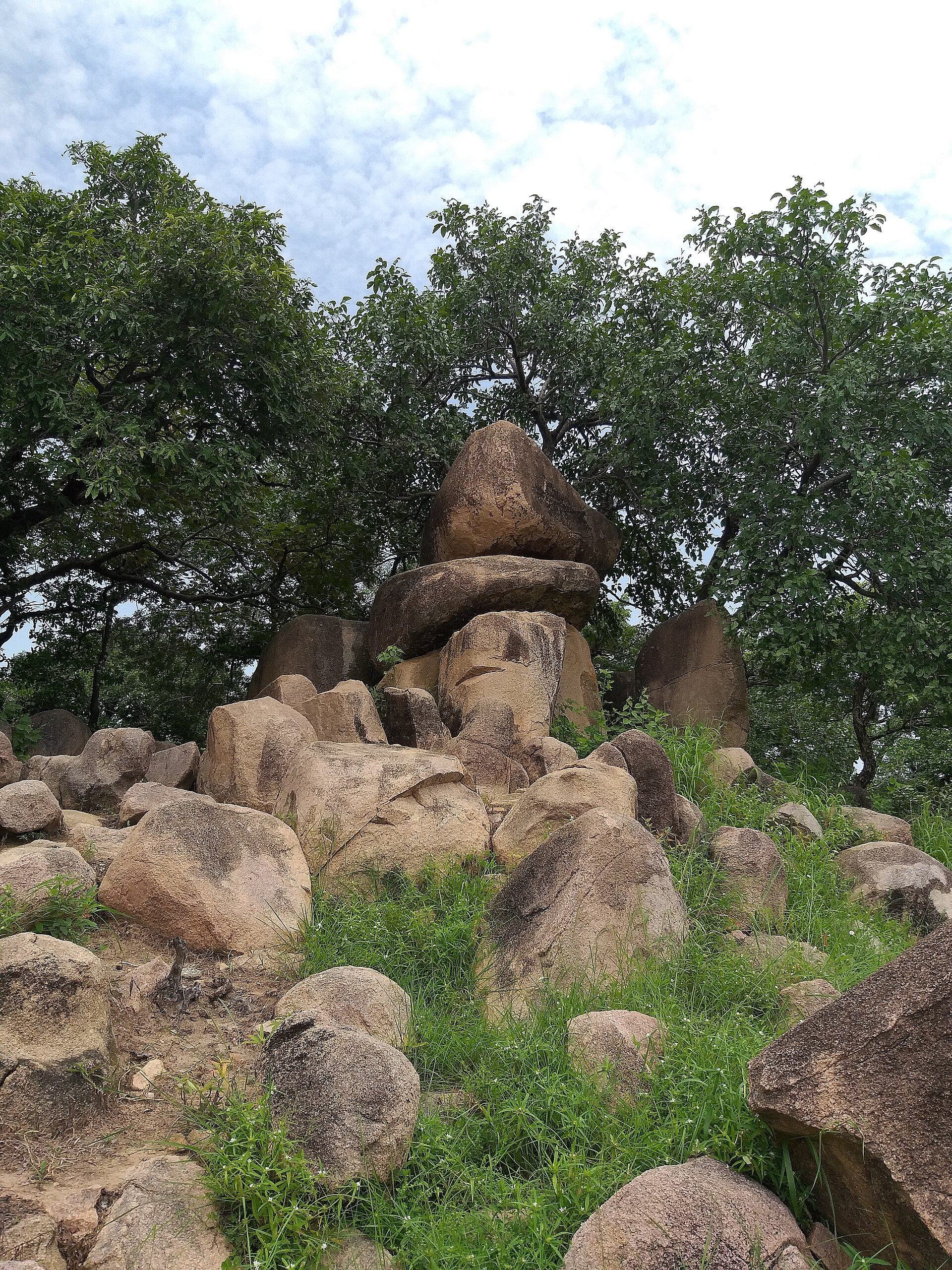
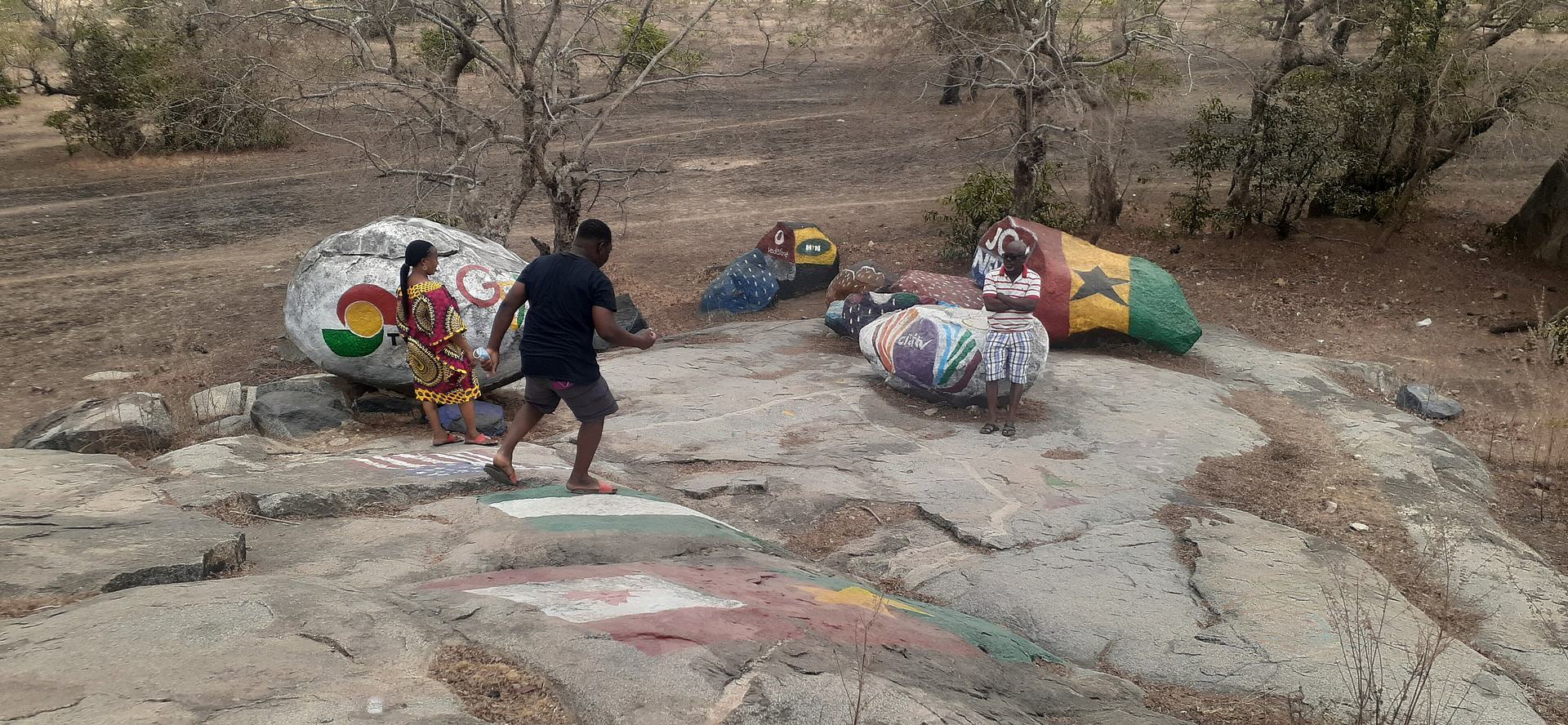
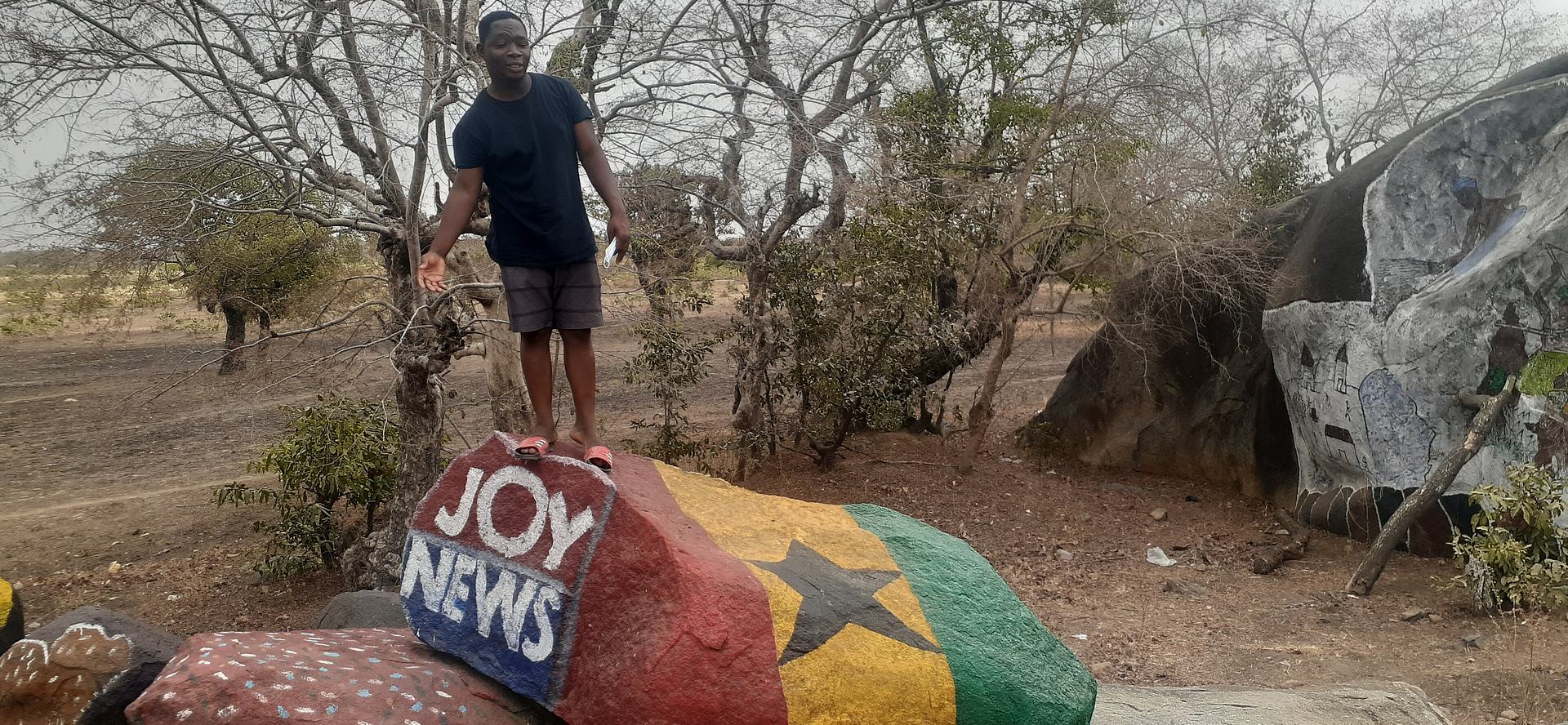
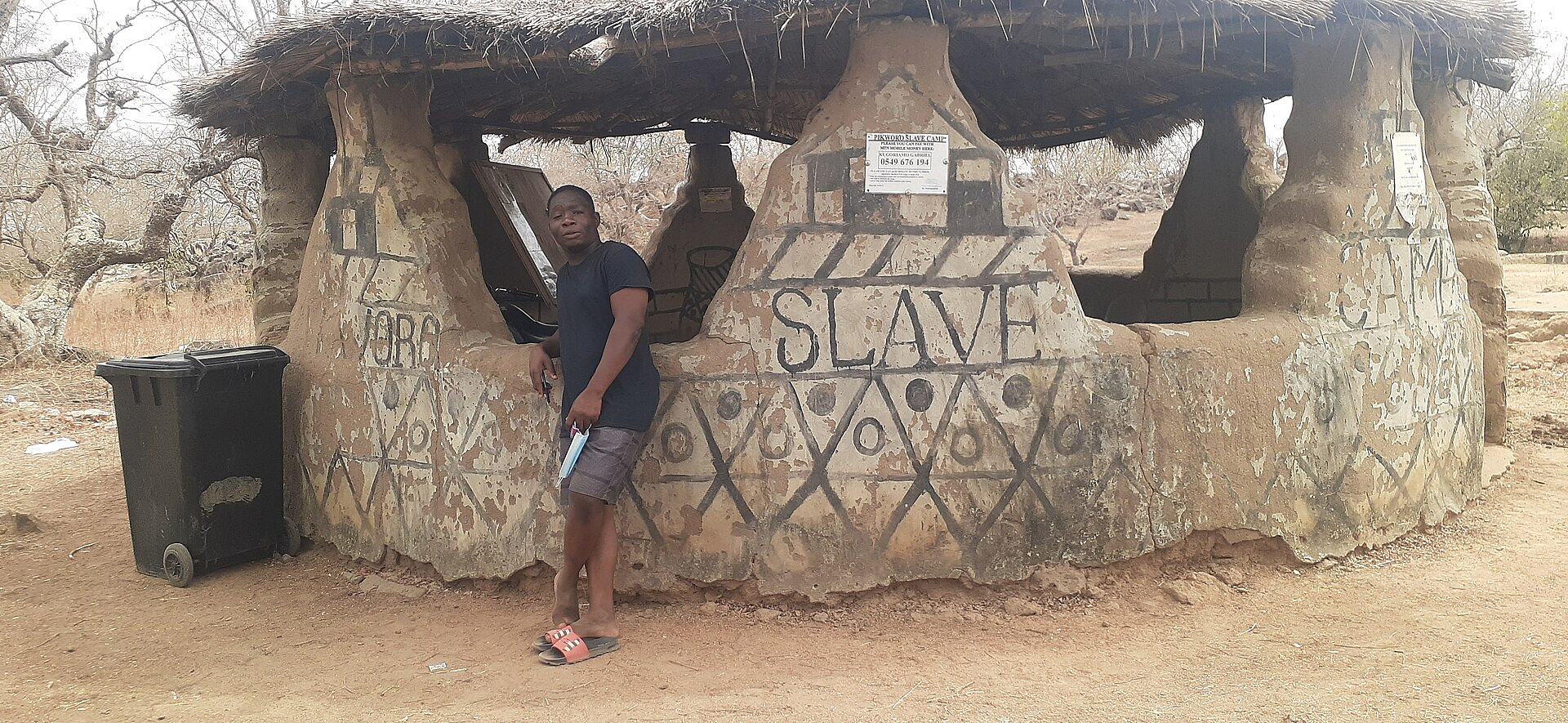
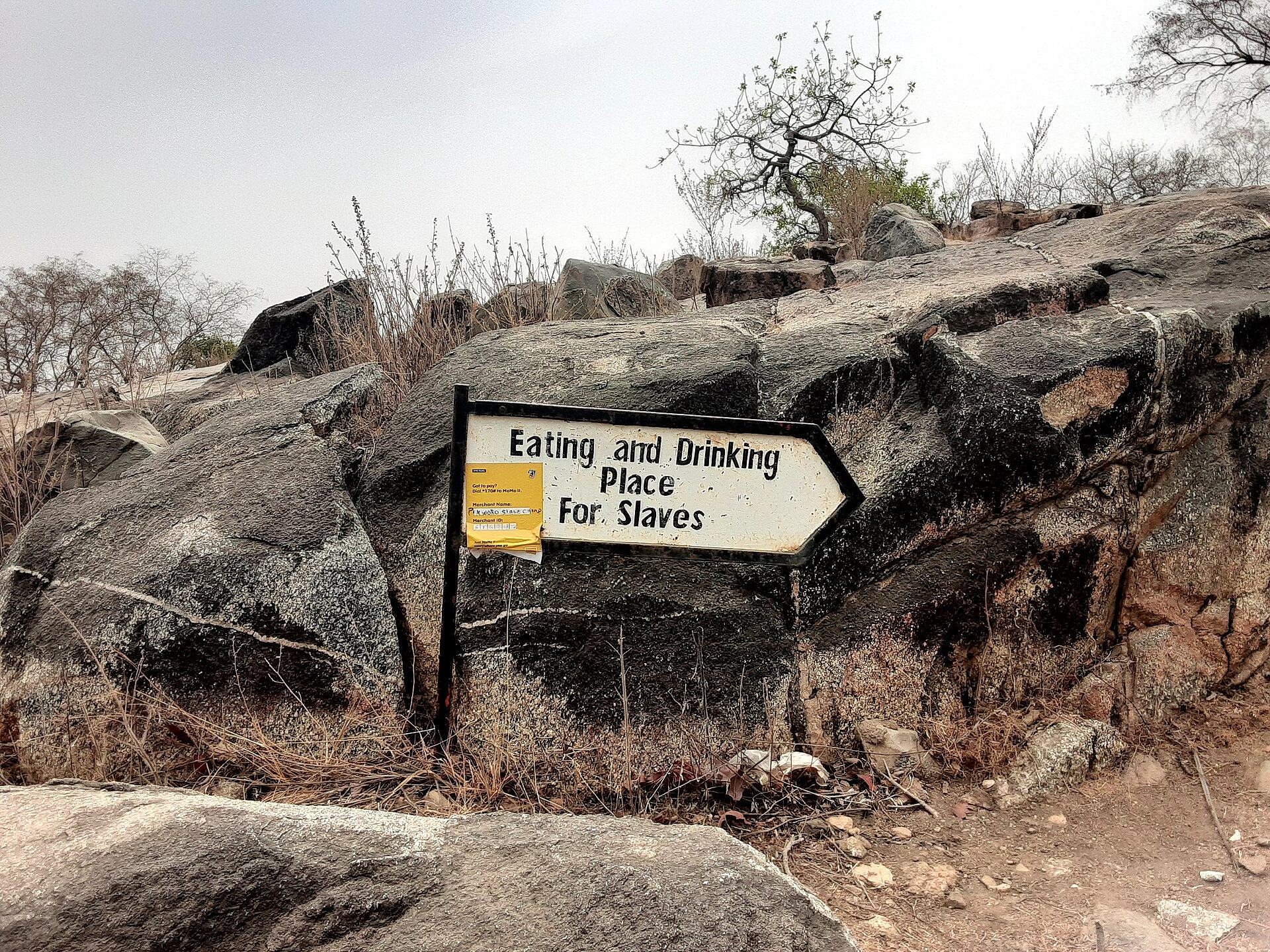
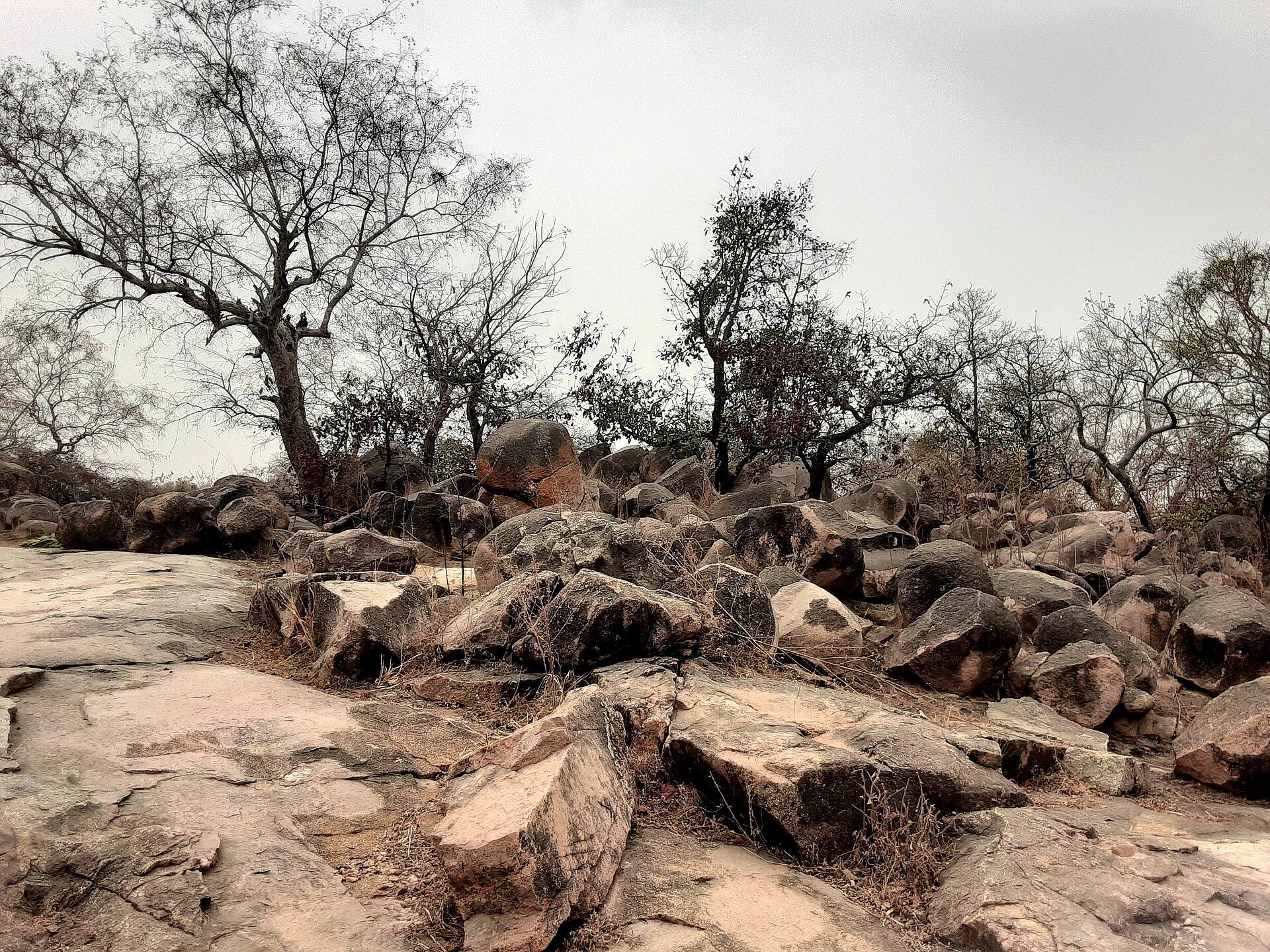
Three kilometres west of Paga, in the farming community of Paga Nania, a low cluster of granite boulders holds one of the most sobering sites in northern Ghana. Pikworo Slave Camp was established in 1704 and remained active until 1845, serving as a transit point in the 18th- and 19th-century slave trade. Its name means "place of rocks", chosen for the landscape that made it defensible and, crucially, water-bearing: the camp was unusual because water was always available in the crevices of the great stones, in a region where water is scarce. Captives from northern Ghana, Burkina Faso and nearby communities were held here — an average of around two hundred at any one time — before being auctioned and marched roughly 150 kilometres south to the Salaga market, and eventually on to the coast for shipment. The camp was run by Ghanaian traders supplying European buyers, among them the English, French and Dutch. The site was identified as an old slave camp in 1992 and brought to the attention of the Ghana Tourist Board in 2002. What remains is quiet and requires a guide to read: trees where captives were shackled, bowls hollowed into the rock by hand to serve food, a gash in a boulder that served as the masters' water source, boulders that rang like drums when struck, a lookout post, a mass grave marked by one large stone ringed with small ones, and the punishment rock where escapees were left exposed to the sun. This is not a place for spectacle. It is a place for attention, and for grief.

Mud walls, painted patterns and a living compound
Paga Pia Palace, the compound of the Paga Pio, is the seat of the paramount chief and a working extended-family home rather than a museum piece. Visitors are met at the gate by a guide and led through a labyrinth of mud-walled quarters, brightly decorated with geometric patterns, connected by narrow paths. The Kassena are known for this architecture, and the compound is a fine introduction to it: flat roofs used for drying grain and for sleeping outdoors on hot nights, low doorways that once forced an intruder to enter on his knees — a defensive measure in an area that saw slave raiding — and a burial pit where the dead are laid straight down into the earth. The district's traditional life is organised around seven paramountcies — Paga, Chiana, Katiu, Nakong, Kayoro, Mirigu and Sirigu — each with at least one Tindana, a chief priest who holds the ancestral traditions in trust. The Kassena and Nankana are the predominant peoples here, alongside Mamprusi and smaller groups, and the society is generally patrilineal. Agriculture employs the great majority of the population, and the markets — Paga among them — run on three-day cycles, selling foodstuffs, livestock, crafts and manufactured goods.

What to do
Things to do in Paga
-
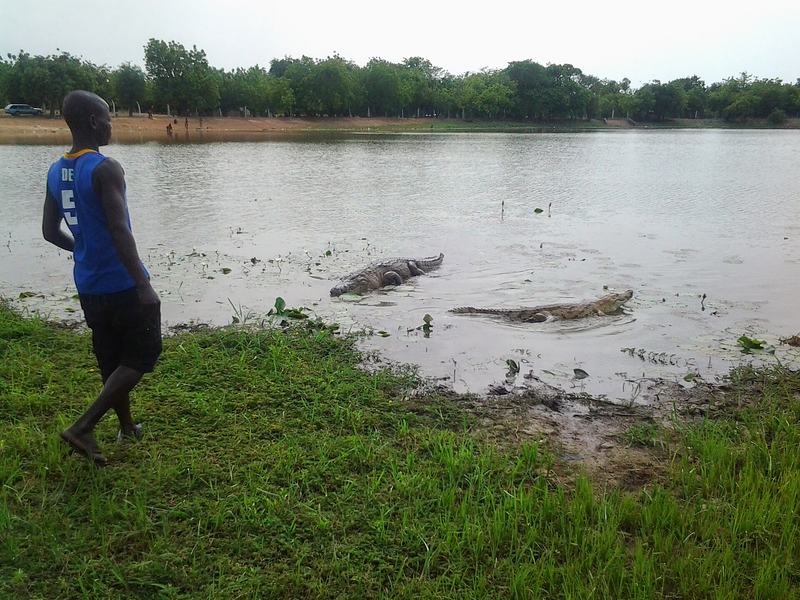
1.Meet the crocodiles at the sacred pond
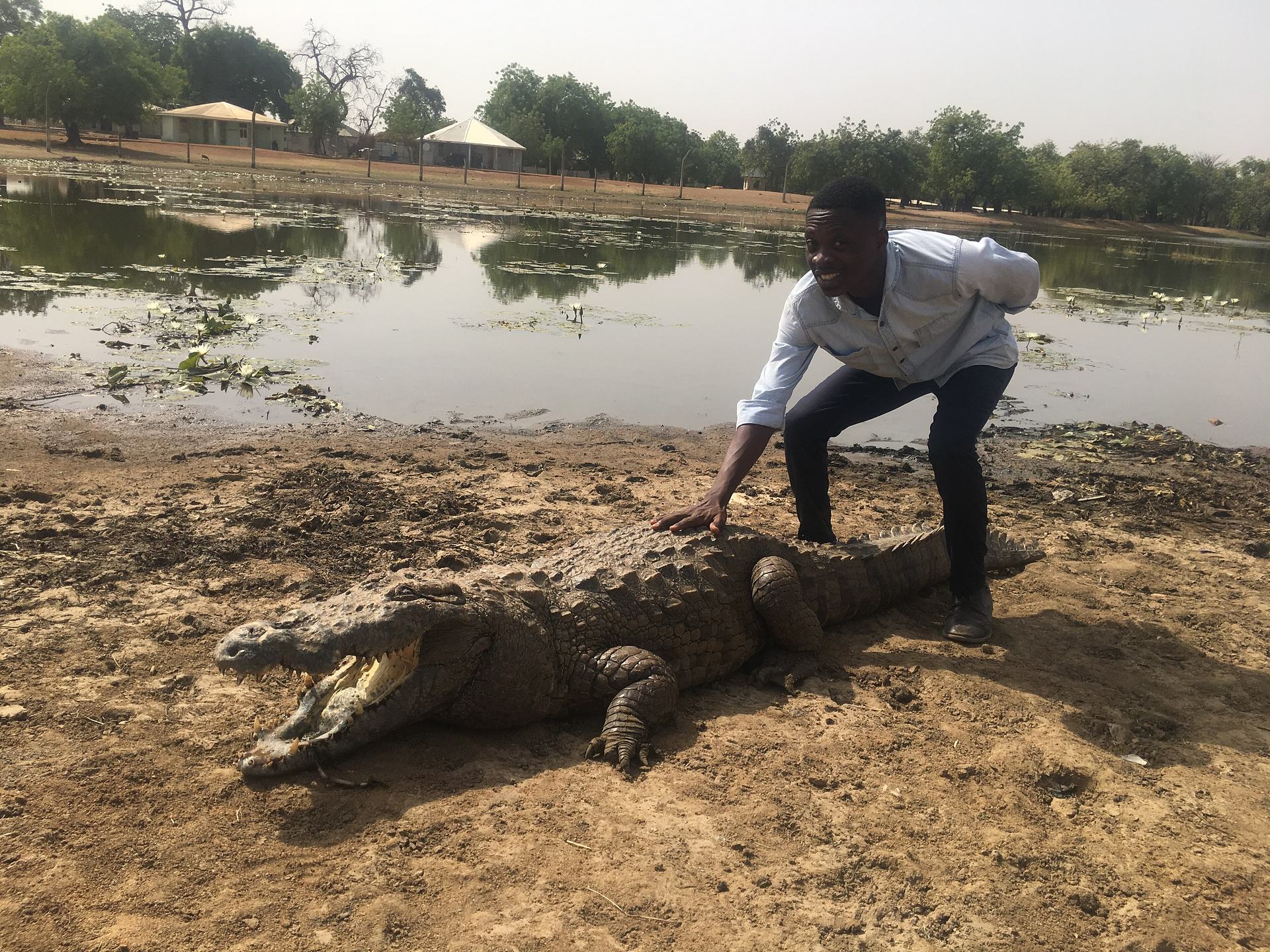
This is why most people come to Paga, and it earns the fuss. The pond is a sacred pool where wild West African crocodiles — some said to be decades old — are called to the shore by a guide's whistle. Visitors can touch them, sit on them and lift their tails, and the animals are fed live fowl for those who want to watch. The crocodiles are totems, believed to hold the souls of the community, so this is a cultural encounter as much as a wildlife one.
Tip: Come early in the morning or in the dry season (November to April), when the greatest number of crocodiles are seen. Follow your guide's instructions, keep children close, and decline any pose you are not comfortable with.
-
2.Visit the Zenga (Paga) Crocodile Pond
Zenga is the name many locals use for the Paga crocodile pond, and it is the same sacred pool described in the town's tradition — a place where protected crocodiles can be seen, touched and fed. Visit Ghana promotes it as a site where you can come close to untamed animals without feeling threatened, and it is the anchor of any visit to Paga. A village tour and an evening of drumming and dancing by a local cultural group can also be arranged.
Tip: Arrange tours at the summer hut near the pond. Evening drumming and dancing must be booked in advance, so ask when you arrive rather than on the day.
-
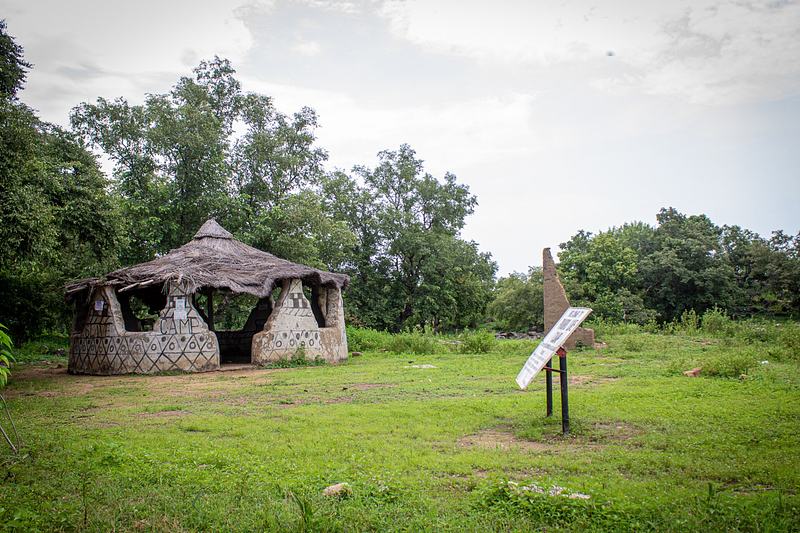
3.Walk the rocks of Pikworo Slave Camp
Founded in 1704 and active until 1845, Pikworo was a transit camp where captives were held before being marched to Salaga and on to the coast. The site is subtle at first glance and only comes alive with a guide, who will show you the shackling trees, the feeding bowls carved into the rock, the punishment rock, the lookout post and the mass grave. It is a place of gravity and remembrance, and it deserves unhurried time.
Tip: Go with a guide — the site is not self-explanatory. Carry water and sun protection, wear modest clothing, and avoid cheerful photographs at the punishment rock and cemetery.
-
4.Pay your respects at the Pikworo Heritage Site
The same site at Paga Nania is also presented as a memorial park and former slave transit camp, about three kilometres west of Paga. Approaching it as a heritage site rather than a curiosity changes the visit: the rocks, the carved bowls and the graves are evidence of human captivity and survival, interpreted through local memory. Give yourself room to be quiet afterwards, and to connect what you see with the wider story of Ghana's inland slave routes.
Tip: Some travellers visit Pikworo first, while minds are fresh, then move on to the pond or a village tour. Build in processing time rather than rushing straight to the next stop.
-
Attraction
5.Tour the chief's compound at Paga Pia Palace
The Paga Pio's palace is a living Kassena extended-family compound, not a staged attraction. A guide leads you through a maze of decorated mud-walled quarters, past flat roofs used for drying grain, low defensive doorways and a burial pit where the dead are laid straight into the earth. It is the best introduction in the area to Kassena architecture and to the everyday life of the paramountcy.
Tip: Ask before photographing people, homes or burial areas. A calm, curious manner goes a long way in a compound that is still a family home.
-
Attraction
6.Wander the Paga Border Market
Paga's market is a working cross-border hub on the Ghana–Burkina Faso frontier, part of a district economy built on commerce and trade with its northern neighbour. Markets here run on three-day cycles, and the goods range from foodstuffs and livestock to crafts and manufactured items. It is a good place to watch the everyday mechanics of a border town — the languages, the currencies, the produce moving both ways.
Tip: Markets in the district operate on three-day cycles, so ask locally which day Paga's falls on. Bring small notes and keep valuables discreet in crowds.
-
7.Take a guided village tour of Paga
A village tour shows how residents of Paga spend a typical day — people at work, food being prepared, local landmarks and the rhythms of a farming community. It is a gentle counterweight to the heavier history at Pikworo, and a chance to understand the town as a place where people live, not only a place where people visit. Tours can be arranged through the visitor centre.
Tip: Ask your guide what is appropriate to photograph, and consider buying directly from local craftspeople rather than only photographing them.
-
8.Watch an evening of drumming and dancing
Local cultural groups perform drumming and dancing in the evening, an experience Visit Ghana lists among the things to do in Paga. It is a chance to see Kassena performance traditions rather than only their architecture and landscape, and it rounds off a day that can otherwise be weighted towards history and heat.
Tip: This must be arranged in advance — ask at the visitor centre or through your host when you plan the trip, not on the day.


Plan your time
Suggested itinerary
Half a day: the essentials
Start early at the sacred crocodile pond, when the animals are most numerous and the heat is kindest. Spend about an hour on the bank with a guide, then drive the short distance west to Pikworo Slave Camp at Paga Nania for a guided walk of roughly ninety minutes. If time allows, finish with a quick stop at the chief's compound on your way back through town. This is a compact but full half-day, and it works well as an add-on from Navrongo or Bolgatanga.
Paga Crocodile Pond→Pikworo Slave Camp→Paga Pia Palace (Paga Chief's Palace)
One day: memory, community and the border
Begin at Pikworo while your attention is fresh, giving the site the quiet it asks for. Move on to the crocodile pond mid-morning, then take a guided village tour to see Paga as a living town. In the afternoon, tour the chief's compound at Paga Pia Palace and walk the border market if it is a market day. Close the day with an evening of drumming and dancing, arranged in advance. This order puts memory first and ends with the living community.
Pikworo Slave Camp→Paga Crocodile Pond→Paga Pia Palace (Paga Chief's Palace)→Paga Border Market
Two days: Paga and the wider Upper East
Give the first day to Paga itself — Pikworo, the crocodile pond, the palace and the market — at an unhurried pace, with time to sit and absorb what you have seen. On the second day, use Paga as a base for the surrounding district: the traditional arts and pottery of Sirigu, the historic mud-built cathedral at Navrongo, and the crafts of Bolgatanga. If you are continuing north, the border crossing at Paga leads on towards Ouagadougou; if you are heading south, the road runs back through Bolgatanga towards Tamale and Mole National Park.
Pikworo Slave Camp→Paga Crocodile Pond→Paga Pia Palace (Paga Chief's Palace)→Paga Border Market


Seasons and festivals
When to go
Paga sits in the interior continental climatic zone, with two sharply defined seasons. The dry harmattan blows down from the Sahara from late November to early March: rainfall is entirely absent, humidity rarely exceeds 20 per cent during the day, and temperatures are relatively modest by tropical standards, around 26 to 28°C. May to October is the wet season, when the district receives an average of about 950 mm of rain. For the crocodiles, the dry season from November to April is the best window — the greatest number are seen then, and early mornings are best at any time of year. Both the sacred pool and the slave camp are coolest early in the morning and during the rainy season, so an early start is wise in any month. The district's vegetation is Sahel savannah: open grassland with deciduous trees that shed their leaves in the dry season.
- Fao Festival · January
- The predominant festival of the Paga Traditional Area, celebrated by communities across the Kassena Nankana Traditional Area to give thanks to the gods for protecting the people through the farming season and for a good harvest. It is one of several post-harvest festivals that strengthen traditional family unions in the district.
- Gakwea Festival · Post-harvest
- Another post-harvest festival in the district, celebrated to give reverence and thanks to the gods for a bumper harvest — a celebration with real significance for food security in a largely farming economy.
- Keposiga and Mokeeka Festivals · Varies
- Celebrated by the people of Sirigu and Kandiga respectively, part of the wider cycle of festivals that mark the district's traditional calendar and reinforce its family and community structures.
Access
Getting there and around
Paga is reached by road, and the usual approach is from Bolgatanga, the Upper East regional capital. Visit Ghana describes the route as driving 18 kilometres north-west from Bolgatanga to Navrongo, then turning right at the junction near the prison and continuing 9 kilometres to the signs for the site on the main road, before turning right down a rough dirt track towards the sacred pond. For public transport, take a taxi from the main transport station in Bolgatanga, behind SG Bank. Paga is also the main border crossing between Ghana and Burkina Faso — the other, lesser-used crossings are at Tumu, Bawku and Hamile — and the town lies on the N5 highway, roughly 166 kilometres south of Ouagadougou. Once in Paga, the crocodile pond, the chief's compound and the market are close together, while Pikworo Slave Camp lies about 3 kilometres west at Paga Nania; a vehicle and a local guide make the day far easier. Hotels are available in Navrongo and Bolgatanga, and homestay and local food arrangements can be made through the visitor centre.
Good to know
Before you go
Paga is hot, dry and rural, and a little preparation makes the day far better. Carry cash in small notes, plenty of water, sun protection, a hat, comfortable shoes and modest clothing; tissues and hand sanitiser are useful, as facilities at the heritage sites are basic. Go with a guide at both the pond and Pikworo — the slave camp in particular is not self-explanatory, and local interpretation is what gives the rocks their meaning. Ask before photographing guides, children, homes, sacred areas or burial sites, and avoid cheerful photographs at the punishment rock and the cemetery. At the pond, remember that the crocodiles are sacred animals, not a zoo exhibit: follow safety instructions, keep children close, and feel free to decline any interaction. Some travellers are quiet after Pikworo; build in time to process what you have seen. Confirm opening hours, access, guide availability and road conditions locally before you travel, as these can change.


FAQ
Questions travellers ask about Paga
Where is Paga in Ghana?
Paga is a town in the Upper East Region of northern Ghana, lying north of Bolgatanga. It is the administrative capital of the Kassena Nankana West District and sits right on the border with Burkina Faso, roughly 166 kilometres south of Ouagadougou via the N5 highway.
Why are the crocodiles at Paga sacred?
Local tradition holds that a crocodile saved a dying man by leading him to the pond, or that a man bargained with a crocodile for his life; the legend is said to date back about 600 years. The crocodiles are regarded as totems, believed to hold the souls of the people of Paga, and killing one or eating crocodile meat is an offence.
Can you really touch the crocodiles?
Yes. The crocodiles are habituated to people, and with a guide you can touch them, sit on them and lift their tails; guides call them to the shore by whistling, and they can be fed live fowl. They are wild animals and a sacred tradition, so follow your guide's instructions and decline anything you are not comfortable with.
What is Pikworo Slave Camp?
Pikworo is a former slave transit camp at Paga Nania, about 3 kilometres west of Paga, established in 1704 and active until 1845. Captives were held there before being marched roughly 150 kilometres to the Salaga market and on to the coast. The site includes feeding bowls carved into rock, a punishment rock, a lookout post and a mass grave.
Can you visit the crocodile pond and Pikworo in one day?
Yes — they are commonly paired, and both lie close to Paga. Plan an early start, a local guide, water and cash, and allow enough time for both. Many travellers visit Pikworo first, while their attention is fresh, then move on to the pond and a village tour.
When is the best time to visit Paga?
The dry season from November to April is best for seeing the greatest number of crocodiles, and early mornings are best at any time of year. Both the pond and the slave camp are coolest early in the morning and during the rainy season, so start early whatever the month.
Is Paga the border crossing into Burkina Faso?
Yes. Paga is the main border crossing between Ghana and Burkina Faso; the other, lesser-used crossings are at Tumu, Bawku and Hamile. The town lies on the N5 highway, the main road linking the two countries.
In pictures
Paga in pictures

Keep exploring
More destination guides
Sources for this guide (12)
- Paga Crocodile Pond — Wikipedia
- Pikworo Slave camp — Wikipedia
- Kassena-Nankana West District — Wikipedia
- Burkina Faso–Ghana border — Wikipedia
- Zenga (Paga) Crocodile Pond — Visit Ghana
- Pikworo Slave Camp — Visit Ghana
- The Pikworo Slave Camp at Paga-Nania — GBC Ghana Online
- Paga & Pikworo Slave Camp Guide — SankofaGo Journal
- Paga Pia Palace — TravelFeed (For 91 Days)
- Sacred Crocodile Ponds of Paga — Atlas Obscura
- Paga — Ghana Tourism Marketplace
- Festivals — National Commission on Culture, Ghana
Written September 29, 2026 from these sources and reviewed by the VisitGhana.app team. Confirm practical details locally before travelling.