
The town at the foot of the hills
Doryumu is the traditional headquarters of the Hiowe Division of the Shai State, one of the three principal towns of the Shai-Osudoku District. It sits about 40 kilometres from Tema, a short distance off the main Tema–Akosombo highway, and the town was founded, by local account, nearly 600 years ago by the Shai, a branch of the wider Dangme people. Seven clans — Blonya Wem, Kutuwe, Apese, Abiete/Salosi, Gbetesie, Obom and Gblaka — make up the town's traditional structure, and each nominates a representative to the toll points that serve the quarries in the surrounding hills. Those quarries are not a small matter: rock splintered from Shai boulders was used in building the Tema Harbour and town in the early 1960s, and the mountain range has supplied construction material to the Accra–Tema metropolis ever since. Doryumu's story is therefore a story about stone, land and who benefits from it — a conversation the town is still having.


The caves and the people who left them
The reserve's caves are its conscience. The Shai lived in and around these hills — using the cave chambers as homes, refuges and shrines — until the British colonial army expelled them in the late nineteenth century. The Forestry Commission dates the dislocation to 1892; the Ghana Wildlife Division's older account gives 1873. Either way, the displacement was total, and the caves still hold the evidence of occupation: pottery, grinding stones, carved recesses, defensive walls and ceremonial objects. The Ngmayem festival, meaning 'millet festival', keeps the memory alive. It commemorates the Shai's survival of a seven-year drought on a diet of millet, and the Great Harvest of 1892 that followed, which inspired a thanksgiving celebration. Originally held in the Shai Hills, the festival was interrupted by the displacement, revived in 1959, and is now celebrated annually across the Shai State, with the Shai Traditional Council launching each edition at Dodowa. Walk into Sayu or Adwuku cave with a guide and you are walking into a former home, not a set.


Savannah, inselbergs and a buffer against the city
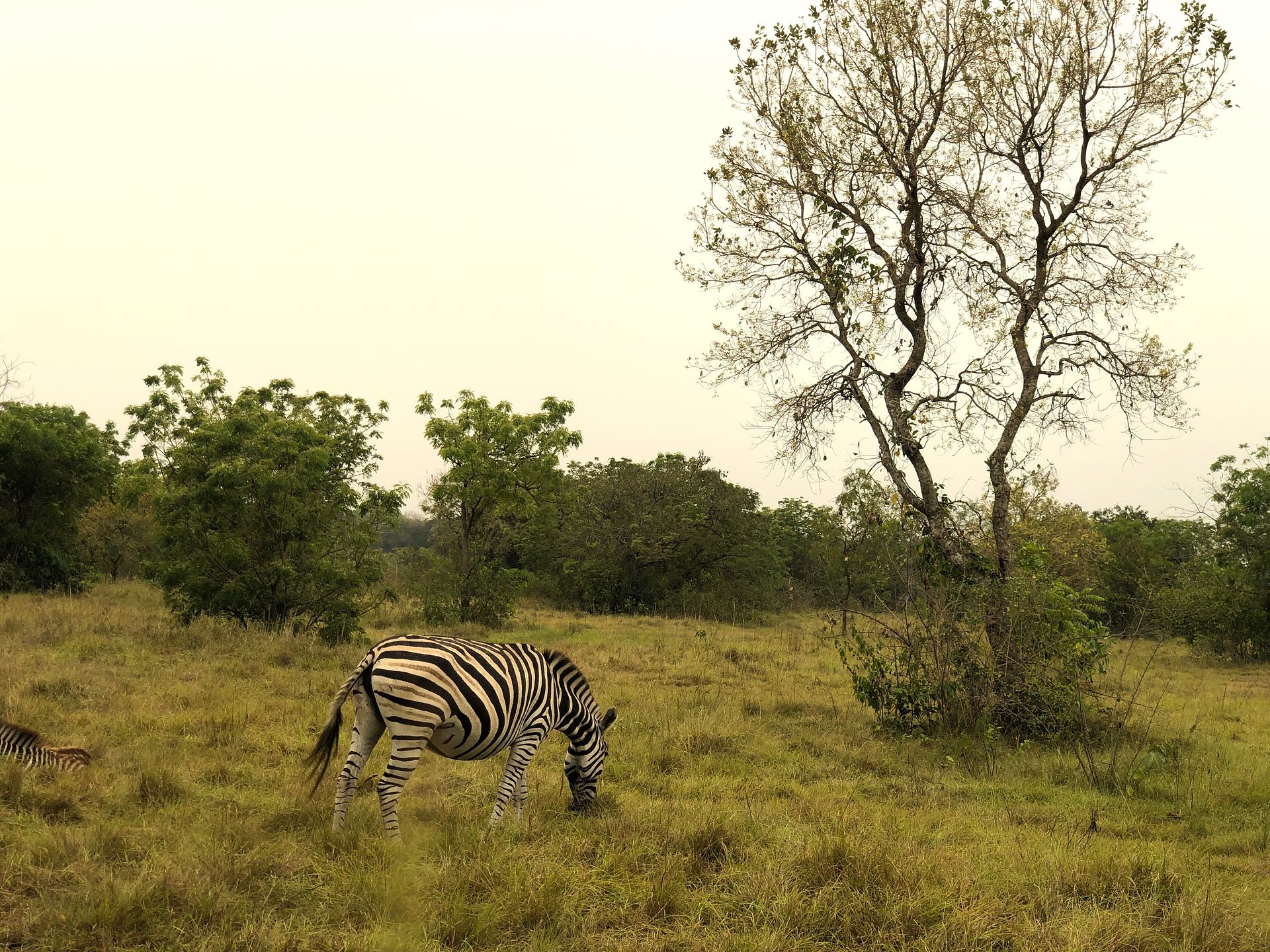
Shai Hills is a resource reserve of grassland and low dry forest, with nearly 400 plant species spread across five separate hills. The vegetation is Guinea savannah — tall grasses, acacia, baobab, shea, tamarind — and roughly 40 per cent of the reserve is imposing hill covered in dry forest. The rock itself belongs to the ancient Dahomeyan complex, granite and quartzite outcrops shaped into cliffs, pinnacles and multi-chamber caves. Wildlife includes kob, bushbuck, duiker, green and spot-nosed monkeys, rock hyrax, monitor lizards and pythons, and the reserve has been designated an Important Bird Area by BirdLife International for species such as the violet turaco, red-billed hornbill and red-necked buzzard. Zebras also roam here, though they are not native: they were imported from South Africa, and guides reported in 2024 that five had been born in the park. The reserve is managed by the Forestry Commission and functions as an ecological buffer against Greater Accra's sprawl — which is precisely why it faces pressure from encroachment, quarrying, poaching, dry-season bushfires and roadkill on the adjacent highway.


What to do
Things to do in Doryumu
-
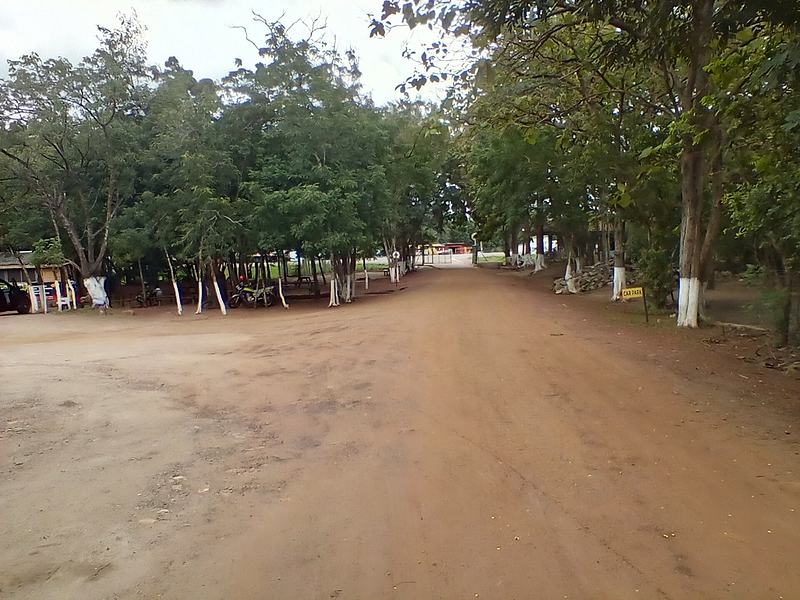
1.Hike the Shai Hills Resource Reserve
This is the reason most people come. The reserve is the wildlife park closest to Accra, and its walking trails take you across open grass plains and up into the hills, past picnic and camping grounds and cultural sites. Guided hikes are the norm, and the reward is a landscape that changes character every few hundred metres — savannah, then dry forest, then bare rock with the Accra plains laid out below. Allow a half day at minimum; a full day lets you add a second trail without rushing.
Tip: Wear sturdy shoes with grip — the granite is uneven and slick after rain — and carry more water than you think you need.
-
Attraction
2.Climb to Sayu Cave and Mogo Hill
Sayu Cave and Mogo Hill are the named cultural and natural features inside the reserve, reached on guided hikes, and they are the heart of the Shai story. The caves were the abode of the Shai people from the late Stone Age until their dislocation by the colonial army, and the climb to the hilltop opens a wide view over the reserve and the plains beyond. It is a proper walk rather than a stroll, and the cave interiors are cool, dark and full of the marks of long occupation.
Tip: Go with a reserve guide rather than striking out alone — the routes are not signposted throughout, and the caves are culturally sensitive sites.
-
3.Watch the baboons — from a safe distance
Shai Hills is known for its large bands of olive baboons, which gather near the highway in the mornings and evenings and are frequently seen on the road to the Volta lake. Green monkeys, spot-nosed monkeys, kobs and bushbucks are also present, along with monitor lizards and pythons. The baboons are habituated to people, which makes for easy viewing and also demands care: they associate humans with food, and they are strong.
Tip: Keep food and snacks out of sight and never feed or approach them; keep vehicle windows up where troops are gathered.
-
4.Birdwatch across the reserve's habitats
The reserve holds over 150 bird species and has been designated an Important Bird Area by BirdLife International. Cliffs, woodland pockets and open grassland each carry different birds: look for violet turaco, green turaco, red-billed hornbill, paradise flycatcher, yellow-fronted tinkerbird, guineafowl, Senegal parrot and red-necked buzzard. Early morning is the productive window, when the plains are still cool and the light is low.
Tip: Bring binoculars; the reserve's interpretive centre is a good place to orient yourself before setting out.
-
5.Rock climbing and scrambling on the inselbergs
The reserve has established climbing routes on its granite outcrops, and rock climbing is one of the popular activities here alongside game viewing, birdwatching and nature walking. Even if you are not a climber, the scramble up to a cave mouth or a hill shoulder gives you the same granite under your hands and the same view at the top. The reserve has hosted national biking and abseil events, so the terrain is well known to adventure operators.
Tip: Arrange climbing through the reserve or a specialist operator rather than improvising on the rock faces.
-
Attraction
6.Shop the Doryumu Community Market
Doryumu's community trading market is the everyday centre of town life — produce, provisions and the small commerce of a Shai town that sits between farmland and quarry country. It is not a staged attraction, which is exactly the point: come to buy fruit, watch the morning trade and see how a peri-urban Ghanaian town actually works. Pair it with a walk through the streets towards the hills.
Tip: Mornings are busiest and best for produce; ask before photographing traders and their stalls.
-
7.Time a visit to the Ngmayem festival
Ngmayem, the millet festival, is the great annual gathering of the Shai State, commemorating the seven-year drought survived on millet and the Great Harvest of 1892. The Shai Traditional Council launches each edition at Dodowa, and the celebration moves through towns including Manya Jorpanya, Ayikuma and Kordiabe. Historically the local people brought the festival to the park's caves for the performance of ethnic rituals, and the modern festival carries a strong environmental message alongside its thanksgiving.
Tip: Festival dates shift year to year — confirm the current programme locally before planning travel around it.
-
8.Picnic and camp inside the reserve
The reserve has picnic sites and campsites, and the Forestry Commission lists them among the facilities visitors can enjoy alongside the cultural sites, climbing routes and walking trails. Staying overnight puts you in the landscape at the hours when it is most alive — dawn birds, evening baboon movement, and the hills turning gold. The reserve also has an interpretation centre from which tours are launched.
Tip: Secure all food and rubbish overnight; the baboons are resourceful and quick.
Plan your time
Suggested itinerary
Half a day: the reserve essentials
Arrive at the reserve gate early, when the plains are cool and the baboons are active. Start at the interpretation centre to orient yourself, then take a guided hike to Sayu Cave and up towards Mogo Hill, with the cave interiors and the hilltop view as the centrepiece. On the way back, keep an eye out for kob, green monkeys and the birdlife along the grassland edges. Finish with a short stop in Doryumu town and the community market before heading back towards Accra or Tema.
Shai Hills Resource Reserve→Sayu Cave and Mogo Hill (Shai Hills Reserve)→Doryumu Community Market
One day: wildlife, rock and town
Give the morning to the reserve: a longer guided trail that combines game viewing and birdwatching on the plains with the climb to the caves, plus time at the picnic grounds. In the early afternoon, if you climb, try one of the established rock routes on the inselbergs, or take a second walking trail for a different habitat. Late afternoon belongs to Doryumu itself — the market, the streets, and the quarry country at the edge of town that has shaped its economy for sixty years. Stay for the evening light on the hills if you can.
Shai Hills Resource Reserve→Sayu Cave and Mogo Hill (Shai Hills Reserve)→Doryumu Community Market
Two days: reserve, town and the wider district
Day one follows the one-day plan, ending with an overnight camp or a stay in nearby Dodowa or Shai Osudoku. Day two starts with dawn birdwatching in the reserve, when the grassland species are most visible, then moves out into the district: Dodowa, the district capital, and the historic Dodowa forest that local leaders are working to develop as an eco-tourism park. If your visit coincides with Ngmayem, build the day around the festival instead — it moves through the Shai towns and is the best possible introduction to the culture behind the landscape.
Shai Hills Resource Reserve→Sayu Cave and Mogo Hill (Shai Hills Reserve)→Doryumu Community Market


Seasons and festivals
When to go
Shai Hills has a tropical savannah climate with two rainy seasons — roughly April to June and September to November — and a long dry season from December to March. The dry months are the best window for wildlife viewing, hiking and rock climbing: skies are clear, grasses are short and animals concentrate around remaining shade and water. The harmattan blows in from the Sahara during this period, bringing cooler mornings, very dry air and hazy views. The rainy seasons turn the plains green, bring out wildflowers and make for excellent birdwatching, but some rocky surfaces become slippery and touring can be difficult in the early rains of May to July because of rough road conditions. The Ghana Wildlife Division's older guidance puts the best visiting window as October to May. The reserve can be visited year round.
- Ngmayem (Millet) Festival · Annual; launched at Dodowa and moving through the Shai towns
- The Shai State's harvest and thanksgiving festival, commemorating the seven-year drought survived on millet and the Great Harvest of 1892. Originally celebrated in the Shai Hills and interrupted by the displacement of the Shai people, it was revived in 1959 and is now held annually, with the Shai Traditional Council launching each edition at Dodowa before celebrations continue through Manya Jorpanya, Ayikuma, Kordiabe and other towns. Recent editions have carried an environmental protection theme.
- Manya festival at the caves · September–October
- The Ghana Wildlife Division records that in September and October the local people celebrate the Manya festival, which brings the community to the park's caves for the performance of ethnic rituals.
Access
Getting there and around
Doryumu sits in the Shai-Osudoku District of the Greater Accra Region, a short distance off the main Tema–Akosombo highway and roughly 40 kilometres from Tema. The Shai Hills Resource Reserve lies along that highway, about 50 to 57 kilometres from Accra, which makes it the closest official wildlife destination to the capital and an easy day trip. The reserve is reached by private vehicle, taxi, organised tour or public bus, all of which travel to the entrance; internal roads are maintained, while some trails are suitable only for walking or guided hikes. The district capital, Dodowa, is about 39 kilometres from Accra. Once you are in Doryumu, the town and the reserve gate are close together, and the practical way to move around inside the reserve is on foot with a guide. Entrance is paid at the main gate, which is managed by the Forestry Commission, and separate permits apply for guided cave tours, professional photography, filming, research and group educational visits.
Good to know
Before you go
Treat the reserve as a guided experience. Rangers and reserve guides know the trails, the caves and the animals' habits, and their guidance is the main safeguard against human–wildlife conflict — especially with the habituated baboons, which are bold, strong and quick to associate people with food. Keep all food and drink secured and out of sight, never feed or approach the animals, and keep vehicle windows closed where troops are gathered near the highway. Wear sturdy footwear for rocky, uneven ground and carry plenty of water, particularly in the hot months. The caves are culturally significant sites, not just geological ones: the Shai people lived in them, were displaced from them, and maintain spiritual ties to them today, so follow your guide's instructions about where to walk and what not to touch. Ask before photographing people in Doryumu, and remember that the town's relationship with the reserve and the quarries is a live local conversation — listen more than you assume.


FAQ
Questions travellers ask about Doryumu
How far is Doryumu and Shai Hills from Accra?
The Shai Hills Resource Reserve lies along the Tema–Akosombo highway about 50 to 57 kilometres from Accra, and Doryumu is roughly 40 kilometres from Tema. It is the closest official wildlife destination to the capital, reachable in under an hour by road.
What animals will I see at Shai Hills?
Olive baboons are the signature sighting, often in large bands near the highway, alongside green monkeys, spot-nosed monkeys, kob, bushbuck, duiker, monitor lizards and pythons. The reserve is also an Important Bird Area with over 150 bird species, and it holds zebras imported from South Africa.
Do I need a guide to visit the caves?
Yes — the caves and hill routes are reached on guided hikes, and guides accompany visitors on hikes and cave explorations for safety. The reserve's interpretation centre is where tours are launched, and separate permits apply for guided cave tours.
Is it safe to be around the baboons?
The baboons are habituated to people, which makes them easy to watch but also means they associate humans with food. Keep food secured and out of sight, never feed or approach them, and be alert where troops gather beside the highway, where speeding vehicles are a hazard for the animals.
When is the best time to visit Shai Hills?
The dry season from December to March is best for wildlife viewing, hiking and climbing, with clear skies and short grass. The rainy seasons bring lush greenery and good birdwatching but can make rocks slippery and roads rough. The reserve can be visited all year round.
What is the Ngmayem festival?
Ngmayem means 'millet festival'. It commemorates the Shai people's survival of a seven-year drought on a millet diet and the Great Harvest of 1892 that followed. Originally held in the Shai Hills, it was interrupted by the displacement of the Shai and revived in 1959; it is now celebrated annually, launched at Dodowa and moving through the Shai towns.
Why were the Shai people displaced from the hills?
The Shai lived in the caves and hills until the British colonial army expelled them in the late nineteenth century — the Forestry Commission dates this to 1892, while the Ghana Wildlife Division's older account gives 1873. Remains of their occupation, including pottery, grinding stones and defensive walls, are still found in the caves.
In pictures
Doryumu in pictures
Keep exploring
More destination guides
Sources for this guide (7)
- Shai Hills Resource Reserve – Forestry Commission
- Shai Hills Resource Reserve – Wikipedia
- Shai Osudoku District – Wikipedia
- Shai Hills Resource Reserve – Ghana Wildlife Division
- Shai Hills Resource Reserve – African Travel Book
- Doryumu sits on riches but its people live in poverty – Graphic Online
- Shai chiefs unveil 2025 Ngmayem Festival, urge environmental protection – Ghana News Agency
Written September 29, 2026 from these sources and reviewed by the VisitGhana.app team. Confirm practical details locally before travelling.