
A fort that gave the town its name
The Dutch were the first Europeans to open trade with Ada, in the 16th century, and built a trading post here in 1775. The Danes then took over — at that time they held power over the whole coast east of Accra — and remained in Ada for more than a century, trading with the local people. To defend their post against neighbouring groups, they built Fort Kongenstein in 1783. The name stuck: "Foah" comes from the word fort, so Ada Foah is, in effect, Ada-by-the-fort.
That history is not a neutral one. Fort Kongenstein was used in the transatlantic slave trade and the related sub-Saharan trade; Ada people were sold and shipped to the Americas through it. The fort was purchased by the English on 15 March 1850, and British colonial rule followed at the end of the 19th century. After abolition, Ada's traders turned to palm oil, palm kernels and rubber, and the town became a major trading centre with warehouses near the shore, its position at the estuary allowing quick transport up the Volta to the north of the country.
Today only traces of the fort remain. A greater portion has been washed away by the sea, and the structure that once served as a prison is gradually being taken by the ocean. Rising water levels continue to threaten the coast and its communities, and a sea defence wall is intended to slow the loss. Stand at the waterline and you are looking at a place that is being edited out of existence, one tide at a time.

The Adas, the Asafo companies and Asafotufiam
The people of Ada are Dangme, and their history is a history of wars fought to establish and hold a territory. Among the conflicts remembered are the battle of Nonobe in 1750, the war with the Anglo in 1769, the unsuccessful Anglo invasion of 1770, the Katamanso war of 1826 and the Glover war of 1876. The Ada survived them, and the kingdom held.
Out of that came rituals to welcome warriors home: feet washing, and the firing of muskets to announce an arrival. When the wars ended, the rituals lapsed — but the need to honour the ancestors, past chiefs and soldiers did not. In the 20th century the people instituted the Asafotufiam Festival in their place. The name comes from "Asafotufiami", which in Dangme means "Divisional Firing of Musketry".
The festival is held in the first week of August, with Big Ada as its main venue and Ada Foah as a secondary one. Warriors dress in traditional battle attire and stage a mock battle; young men are initiated into their Asafo companies — Akomfode and Asorkor, membership by matrilineal lineage — and taught to handle, load and fire a gun for the first time. The procession moves to Kpomkpo-Panya, the old departure and landing point for warriors, where the companies form a single file along the riverside, fire three volleys into the water, dip their feet and wash their hands: a carrying-away of the year's evil and bad omens. The Kpatsa dance is performed to entertain the chief and the people. It is, above all, a homecoming — a time when kinship is reaffirmed and the Ada State is kept united.

River, lagoon and sea
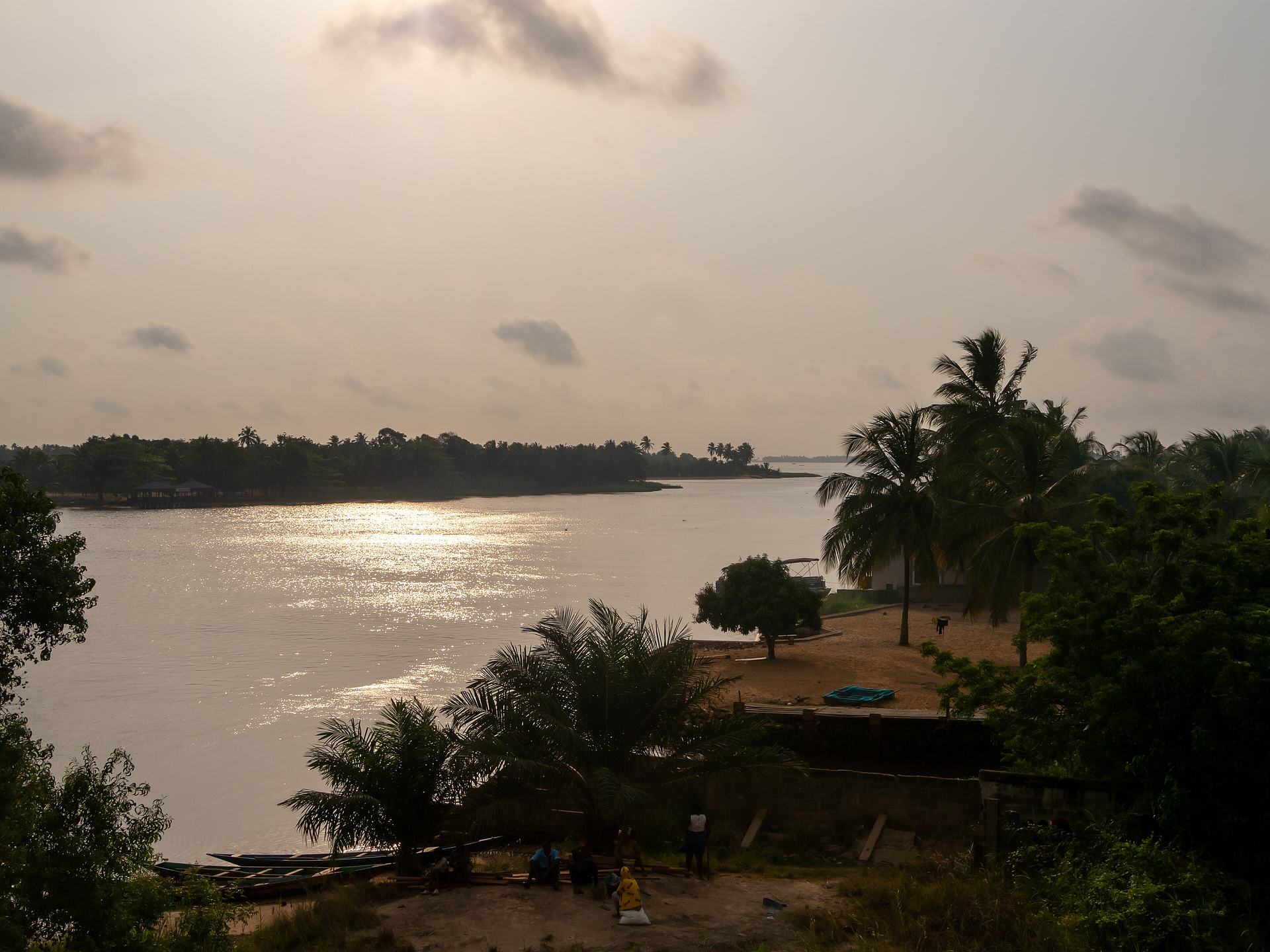
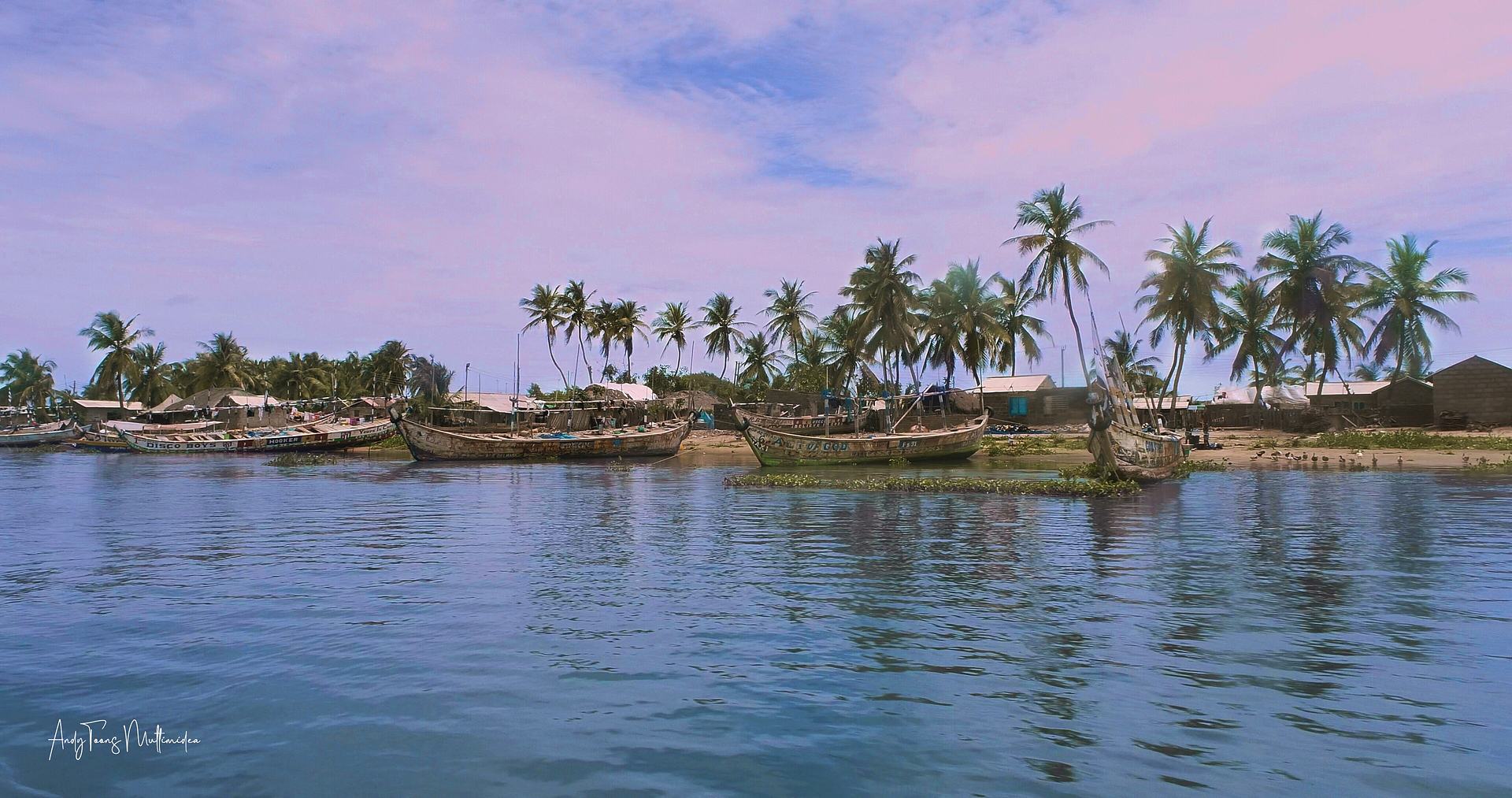
Ada Foah's geography is the reason it exists. The town sits where the Volta River, draining Lake Volta, meets the Atlantic Ocean, and the estuary at Azizanya is the leisure heart of the area. The river shore is largely lined with holiday chalets, because people from Accra treat Ada as a weekend getaway; there is a ferry and boat harbour at the riverside where boats can be hired for cruises around the islands.
To the west of the estuary lies Songor Lagoon, a closed coastal lagoon of about 28,740 hectares, refilled by seepage, runoff, creeks and streams. It was designated a Ramsar wetland of international importance in 1988 and approved as a UNESCO Biosphere Reserve in 2011. Its hypersaline water and mudflats draw birds in extraordinary numbers — populations regularly exceed 100,000 during the European winter, when migratory terns, sandpipers, stilts, plovers and other waterfowl join the resident birds, making Songor one of Ghana's most important wetland sites. The beaches bordering the lagoon and the adjacent Atlantic coast are nesting habitat for green, leatherback and olive ridley turtles, all classified as threatened.
The lagoon is also a working landscape. Salt is extracted by hand during the dry season, when evaporation concentrates the brine to crystallisation point, and Songor salt has long been traded across West Africa to Togo, Burkina Faso, Mali and Nigeria. Several clans — the Adabiawe, Lomobiawe, Dangbebiawe and Tekperbiawe — depend on salt extraction as their primary source of revenue. Reeds, fuel wood, tilapia and crab are harvested too, and the surrounding land is used for cattle grazing and for cassava, maize, tomatoes, okra, pepper, beans, onions and watermelons. A small section called the Yomo lagoon is left uncultivated because a sect of local people consider it consecrated. Community leaders say the habitat around Ada has been protected for generations, and that these are places where human, animal and other spirits meet.

What to do
Things to do in Ada Foah
-
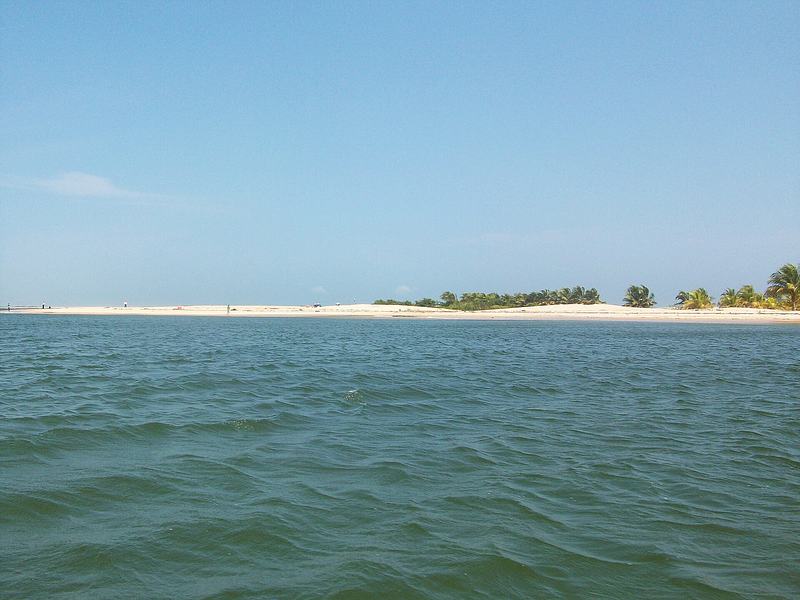
1.Watch the Volta meet the Atlantic at the estuary
This is the reason to come. At the Volta River Estuary the river that drains Lake Volta empties into the Atlantic on Ghana's southeast coast, and the meeting of the two is visible — different colours, different temperatures, a moving seam of foam. The estuary at Azizanya is the area's leisure hotspot, and the sandbars and quiet river channels around it are best seen slowly, on foot and from the water.
Tip: Go early or late in the day for softer light and cooler sand, and keep well back from the channel where the current runs — estuary currents are not swimming water.
-
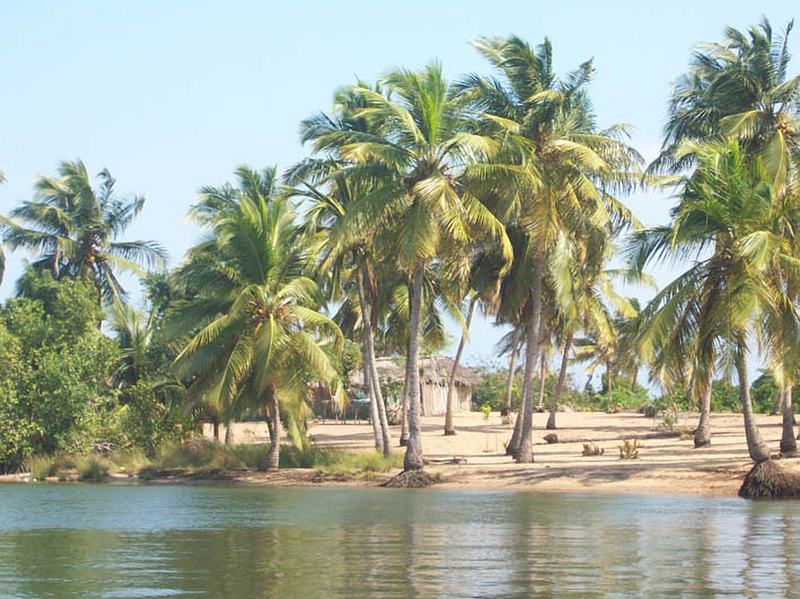
2.Take a boat cruise among the estuary islands
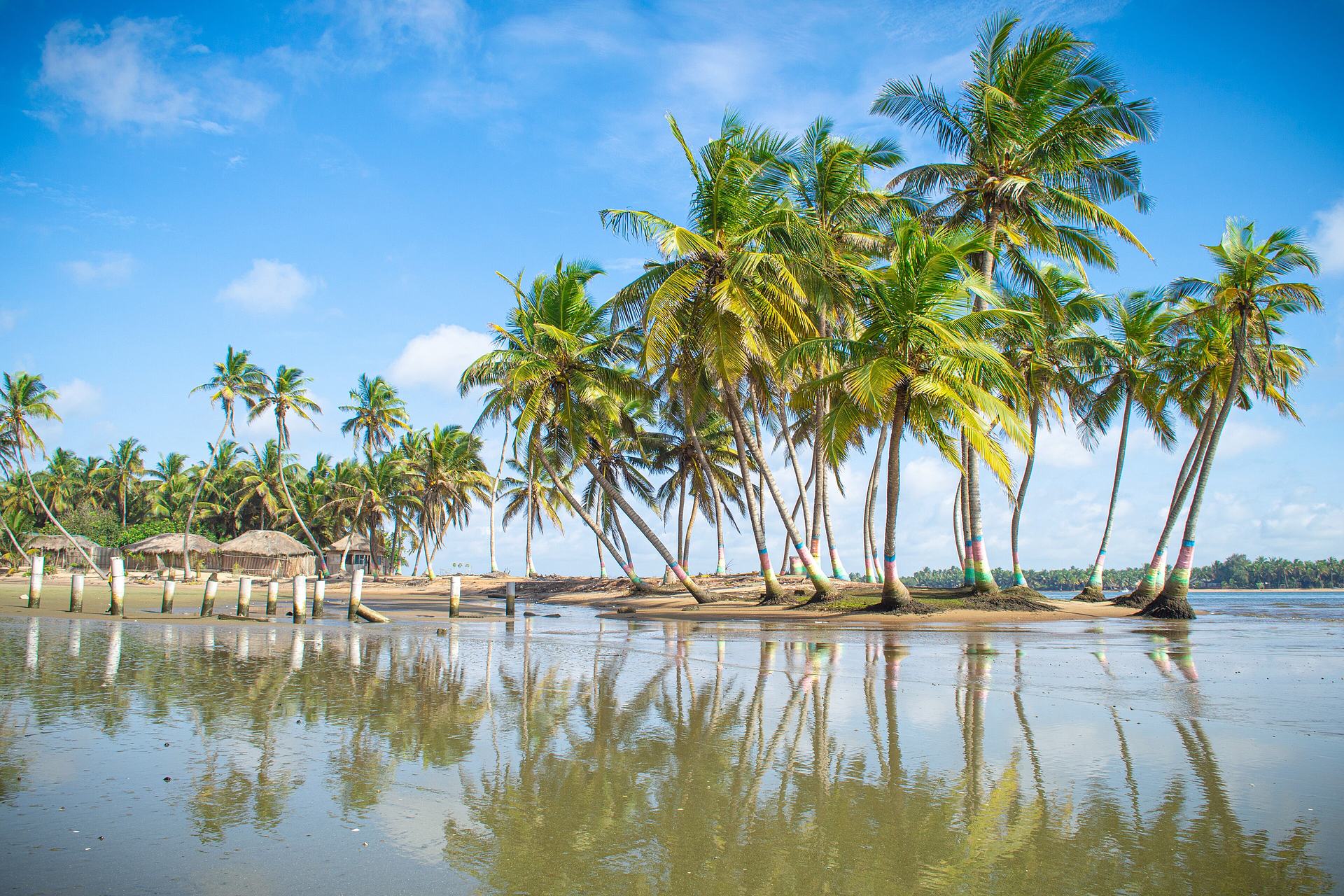
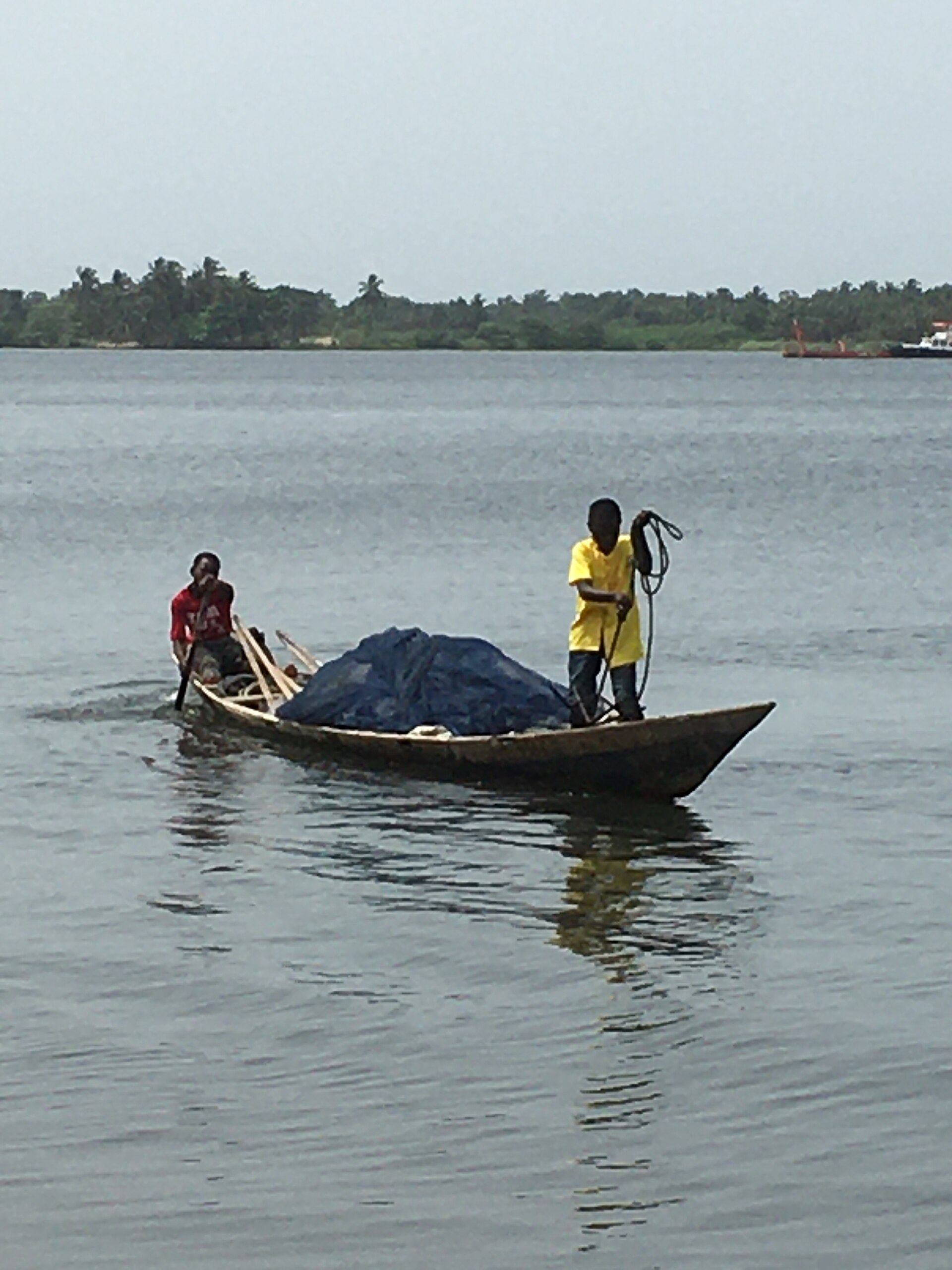
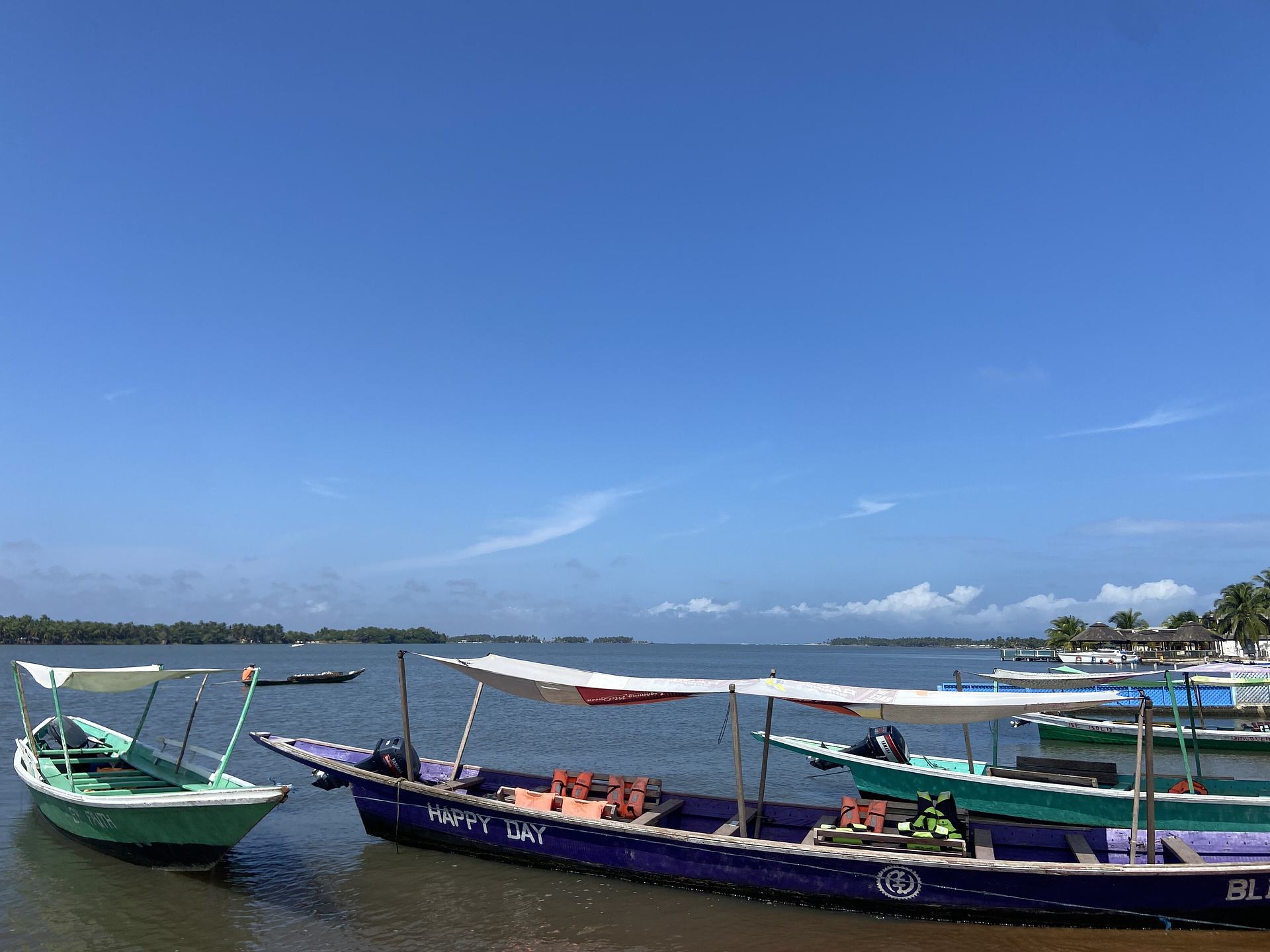
Ada Foah Beach is the palm-lined strand at the estuary, and the water in front of it is the gateway to the islands. Boats can be hired at the riverside ferry and boat harbour for cruises around the islands in the river; Visit Ghana suggests sailing around island communities on the Volta, visiting Aflive — known for its locally distilled apateshie — and looking for mangrove forests, crocodile islands and migratory bird sites. Water sports from speed boats to sailing, canoeing, kayaking and surfing are all part of the offer.
Tip: Agree the route, duration and price before you board, and ask directly whether there is a life jacket for every passenger. Availability depends on weather, currents and operators on the day.
-
Attraction
3.Birdwatch and see salt being harvested at Songor Lagoon
Songor is a Ramsar-listed lagoon and UNESCO Biosphere Reserve near Ada Foah, and one of Ghana's most important wetlands. In the European winter its bird populations regularly exceed 100,000, with terns, sandpipers, stilts, plovers and avocets joining resident waterfowl; two birdwatching platforms, at Pute and Lolanya, host visiting birders. In the dry season you can watch the traditional salt harvest, the brine evaporating to crystallisation in pans worked by hand for generations.
Tip: The dry season from November to March is best for both birds and salt — high water in the rains inundates the mudflats and reduces access. Facilities are minimal, so arrange a local guide through community contacts in Ada.
-
Attraction
4.Walk the beach for nesting sea turtles
The beaches around Songor and the adjacent Atlantic coast are nesting habitat for green, leatherback and olive ridley turtles, all threatened species. The Ghana Wildlife Division manages guided turtle walks, conducted at night between 23:00 and 2:00 when turtles are most likely to come ashore. It is a genuine conservation activity rather than a wildlife show, and the officers are careful to say that a sighting is rare and cannot be guaranteed.
Tip: The best months are August to March. Follow the guide's instructions on light, noise and distance absolutely — never touch a turtle or disturb a nest, and do not pressure anyone to produce wildlife on demand.
-
Attraction
5.Find what is left of Fort Kongenstein
Fort Kongenstein is a largely sea-eroded 1783 Danish trading fort at Ada Foah, and only traces of the structure remain — the Ghana Museums and Monuments Board records simply that the small fort built by the Danish in 1783 was purchased by the English on 15 March 1850, and that it has since disappeared into the sea. It is a modest ruin, but it is the reason the town has its name, and it stands at the centre of Ada's place in the slave trade. Come to think, not to photograph a monument.
Tip: Read up before you go, or ask locally, so the fragments make sense. The remains are close to the Presbyterian church, so pair the two in one walk.
-
Attraction
6.Visit the Presbyterian church and missionary cemetery
Close to the fort stands the Ada Foah Presbyterian Church, built by the first generation of Ghanaian Christians, with the old missionary cemetery beside it. The cemetery was reserved for reverend ministers, missionaries and important church-related people; many of the missionaries who came to Ghana in the 19th century died young of tropical diseases they were not adapted to. A second cemetery nearer the ocean was made for foreign traders and seamen. It is a quiet, affecting corner of town.
Tip: This is an active church and a burial ground: dress modestly, keep voices low, and ask before photographing graves or the interior.
-
7.Shop the Wednesday and Saturday market
Ada Foah's market days are Wednesdays and Saturdays, and the seafood selection is the draw — fresh clams, shrimp, crabs and several varieties of fish, alongside green vegetables such as cucumbers, bell peppers, lettuce, onions and carrots. On Wednesdays a ferry also connects the Ada Foah market with the one at Anyanui across the Volta, so the two market days feed each other. It is the most ordinary and most revealing hour you will spend in Ada.
Tip: Go in the morning while the fish is fresh and the heat is bearable. Ask before photographing traders or their stalls, and bring small notes and coins.
-
8.Try your luck at deep-sea fishing
The water off Ada Foah drops away quickly, and the fishing is serious: tuna, mackerel and barracuda are caught here, and the great blue marlin is the prize. Boats can be chartered for deep-sea trips, which generally last a full day. Local knowledge matters — you need to find a suitable charter boat available for your dates, and the right skipper will make or break the day.
Tip: Ask around in town or through your accommodation well ahead of your dates rather than turning up and hoping. Take sun protection, water and a hat; a full day offshore is more exposure than it sounds.
-
9.Time your visit to Asafotufiam
If you can be in Ada in the first week of August, the Asafotufiam Festival is the cultural event of the year — a commemoration of the ancestors and warriors who established the Ada State, with mock battles in traditional battle attire, drumming, musket volleys fired into the river at Kpomkpo-Panya, and the Kpatsa dance performed for the chief and people. Big Ada is the main venue and Ada Foah the secondary one, with celebrations in both.
Tip: Check the current year's arrangements before travelling: the 89th festival, held 7–14 August 2026, was observed mainly as a period of traditional cleansing and spiritual renewal, with many customary activities not held in their usual form. Ask locally what is public, what is private and where visitors should stand.


Plan your time
Suggested itinerary
Half a day: the estuary and the old town
Arrive by mid-morning and head straight for the water. Start at the Volta River Estuary at Azizanya, walking the sandbars where the river and the ocean meet, then take a short boat cruise from the riverside harbour out among the estuary islands — an hour or two is enough to see the channels, the mangroves and the birdlife. Come back ashore and walk the old town: the traces of Fort Kongenstein, then the Presbyterian church and missionary cemetery beside it. Finish with a late lunch and a slow hour on Ada Foah Beach before the drive back to Accra.
Volta River Estuary→Ada Foah Beach→Fort Kongenstein→Ada Foah Presbyterian Church and Missionary Cemetery
One day: water in the morning, lagoon in the afternoon
Give the morning to the estuary. Walk the sandbars at Azizanya early, then take a longer boat cruise — out to the islands, with a stop at Aflive or one of the weaving and distilling communities if your skipper can arrange it. Eat seafood near the water. In the afternoon, move west to Songor Lagoon: watch the dry-season salt harvest, look for waterbirds from the Pute or Lolanya platforms, and let a local guide explain the lagoon's place in Ada life. If it is a Wednesday or Saturday, fold in the market before you leave. In turtle season, August to March, consider staying on for a night walk with the Wildlife Division.
Volta River Estuary→Ada Foah Beach→Songor Lagoon→Fort Kongenstein
Two days: slow down and let Ada work on you
Day one as above, but do not rush the return. Stay overnight near the river, eat late and watch the sun go down over the water. Day two, start with the market if the day is right, then take the water again — a canoe or kayak on the quiet channels rather than a motor boat, or a full day's deep-sea fishing charter if that is your kind of morning. Spend the afternoon on the beach at Ada Foah or Big Ada, and if the timing is August, build the whole trip around Asafotufiam instead: the mock battles, the drumming and the volleys fired into the river at Kpomkpo-Panya are worth planning a year around.
Ada Foah Beach→Volta River Estuary→Songor Lagoon→Fort Kongenstein→Ada Foah Presbyterian Church and Missionary Cemetery


Seasons and festivals
When to go
Ada Foah has a tropical savanna climate, with monthly mean temperatures above 18°C all year and a pronounced dry season. Rainfall averages around 800 mm a year, concentrated in a major wet season from April to June and a shorter wet period in September and October; the extended dry season runs from November to March, bringing minimal rain, high evaporation and the strongest sunshine — mean daily sunshine is highest in November and December. The hottest months are February to April, and the coolest, greyest stretch is July and August.
For most visitors the sweet spot is the dry season, roughly November to March. That is when the lagoon's mudflats are exposed and accessible, when the salt harvest is under way, and when the migratory birds are in — Songor's bird numbers peak in the European winter. It is also the turtle nesting season, with guided night walks running from August through March. The rains from April to June are heavy and can disrupt boat trips and road travel, though the landscape is green and the crowds thinner.
August is a month apart. It is the coolest and one of the wettest, but it is also when Ada holds Asafotufiam, the festival that matters most in the traditional calendar. If the festival is your reason for coming, plan around it and confirm the year's arrangements in advance — the format can change, as it did in 2026.
- Asafotufiam Festival · First week of August (the 89th festival ran 7–14 August 2026)
- The most important traditional festival of the Ada people, held in remembrance of the ancestors and warriors who fought to establish the Ada State. Warriors in traditional battle attire stage a mock battle; young men are initiated into the Akomfode and Asorkor Asafo companies and taught to fire a musket for the first time; there is drumming, singing and the Kpatsa dance for the chief and people. The procession ends at Kpomkpo-Panya on the riverside, where the companies fire three volleys into the river, dip their feet and wash their hands to carry away the year's evil. Big Ada is the main venue, Ada Foah the secondary one. The 2026 edition was observed mainly as a period of traditional cleansing and spiritual renewal ahead of the festival's 90th anniversary and the Paramount Chief's Golden Jubilee in 2027, with many customary activities not held in their usual form.
- Beach soccer tournament · First weekend of each month
- Teams from different communities in the district compete on the beach near the estuary. The beach is cleaned before play begins, which is the underlying intention of the whole event.
- Boat race · Every December
- Paddle boats for five or fifteen people race against each other. Visitors can watch, and can take part if they register as a group about a week in advance.
Access
Getting there and around
Ada Foah lies off the Accra–Aflao motorway on Ghana's southeast coast, in the Ada East District of the Greater Accra Region. Visit Ghana puts the drive from Accra at about an hour and a half; in practice, traffic, rain, roadworks and where in Accra you start will all change that, so treat it as a half-day's journey rather than a fixed time.
By public transport there is a regular tro tro connection from Accra's Tudu Station and from Kasseh to Ada Foah, and the tro tro station sits just in front of the market. You can also come by taxi, by private car, or on the STC bus from Accra. If you are carrying beach gear, travelling with children or elders, or planning to return after sunset, a known driver makes the day easier to pace.
Once you are in Ada Foah, most of what you want is close together: the estuary and beach, the fort, the church and the market are all within the town, and boats for island cruises can be hired at the riverside ferry and boat harbour. To reach the far bank of the Volta there is a ferry connection to and from Anyanui, which also links the two Wednesday markets. Songor Lagoon lies to the west of the estuary and is reached by road; facilities there are minimal, so arrange a local guide in advance. The Ghana Sailing Club, on the Volta River, is open to members only.
Good to know
Before you go
Treat the water with respect. The Atlantic surf and the estuary currents are not the same thing, and neither is a swimming pool; ask about conditions before you swim, and ask direct questions before you get on a boat — who is operating it, what route you are taking, how long you will be out, and whether there is a life jacket for every passenger. Children should be seated and supervised, and plans should change if the weather does.
Ada is a living place, not a resort backdrop. Greet people before you photograph them, their homes, boats, nets or children, and pay agreed fees fairly. Dress modestly away from the beach, and especially at the church, the cemetery and during traditional ceremonies. During Asafotufiam, ask what is public and what is private.
Bring sun protection, insect repellent, a hat, sandals plus secure shoes, a dry bag and cash. Take your litter away with you, and do not buy or handle turtle products. At the lagoon or the turtle beaches, go with a guide and let conservation rules set the pace.


FAQ
Questions travellers ask about Ada Foah
Where is Ada Foah and how far is it from Accra?
Ada Foah is a town on Ghana's southeast coast in the Ada East District of the Greater Accra Region, where the Volta River meets the Atlantic Ocean. Visit Ghana describes it as about a one-and-a-half-hour drive from Accra, though traffic and road conditions can change that considerably.
What is there to do in Ada Foah?
The main draws are the Volta estuary at Azizanya, the palm-lined beach, boat cruises among the estuary islands, water sports, deep-sea fishing, the ruins of Fort Kongenstein, the Presbyterian church and missionary cemetery, the Wednesday and Saturday market, and the birdlife and salt pans of Songor Lagoon.
When is the Asafotufiam Festival?
It is held in the first week of August each year, with Big Ada as the main venue and Ada Foah as a secondary one. The 89th festival ran from 7 to 14 August 2026 and was observed mainly as a period of traditional cleansing and spiritual renewal, with many customary activities not held in their usual form.
Can you see sea turtles at Ada Foah?
Green, leatherback and olive ridley turtles nest on the beaches around Songor Lagoon and the adjacent Atlantic coast, and the Ghana Wildlife Division runs guided night walks between 23:00 and 2:00 from August to March. Sightings are rare and cannot be guaranteed, and all three species are threatened.
Is Ada Foah worth visiting as a day trip or should I stay overnight?
A day trip from Accra works for a focused estuary visit, a boat ride and lunch. Staying a night gives you a sunset over the river, an unhurried morning, market timing and a less tiring return — and two nights let Ada be a proper beach chapter rather than a stop.
What is the best time of year to visit Ada Foah?
The dry season from November to March is best for the lagoon, the salt harvest and migratory birds, and it is also within the turtle nesting season. April to June brings heavy rain that can disrupt boat trips. August is cool and wet but is when Asafotufiam takes place.
Is it safe to swim at Ada Foah?
Swimming is possible but the Atlantic surf and estuary currents need real-time judgement, and conditions vary with weather and tide. Ask locally before entering the water, keep away from the channel where the river meets the sea, and supervise children closely.
In pictures
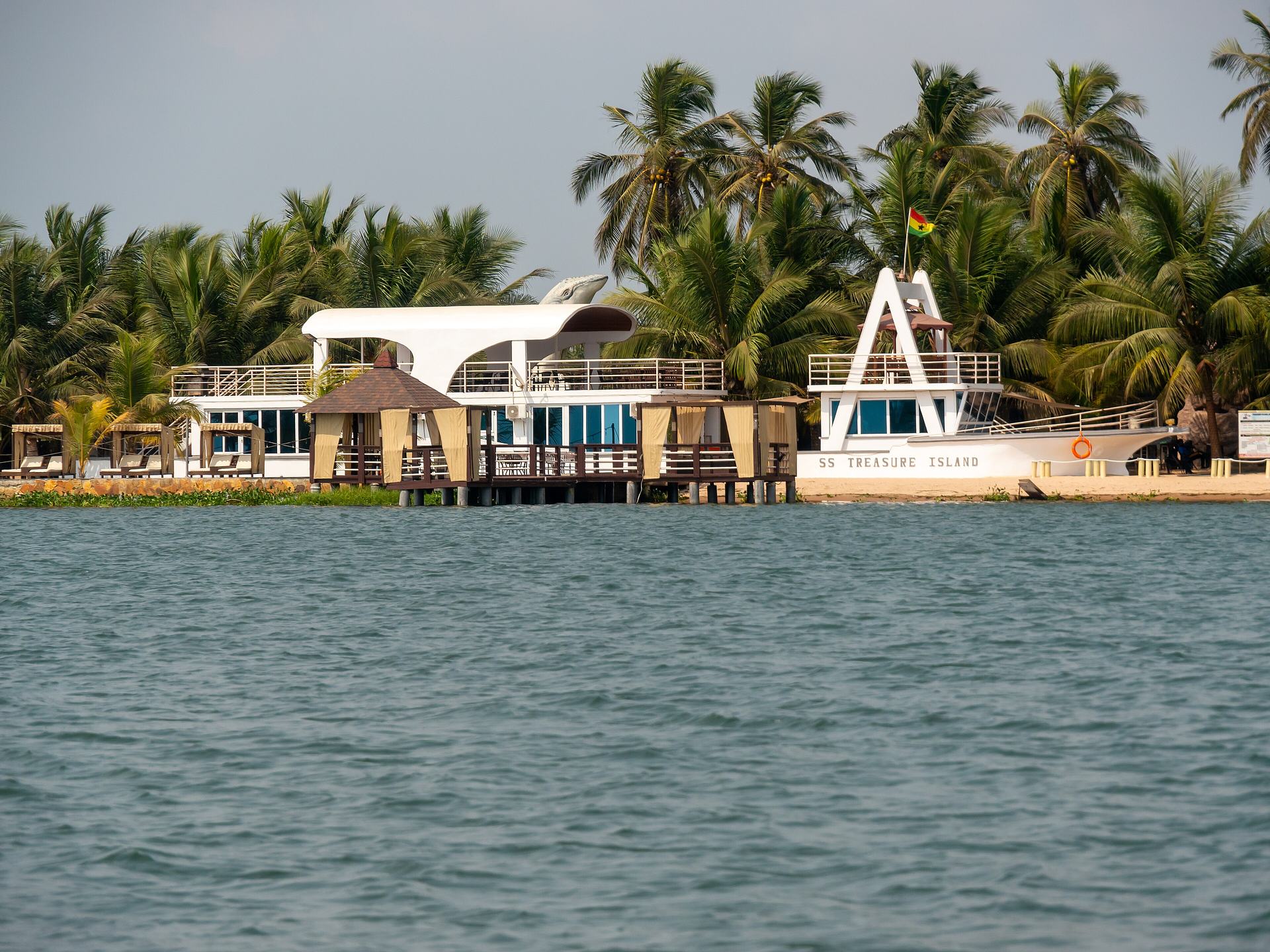
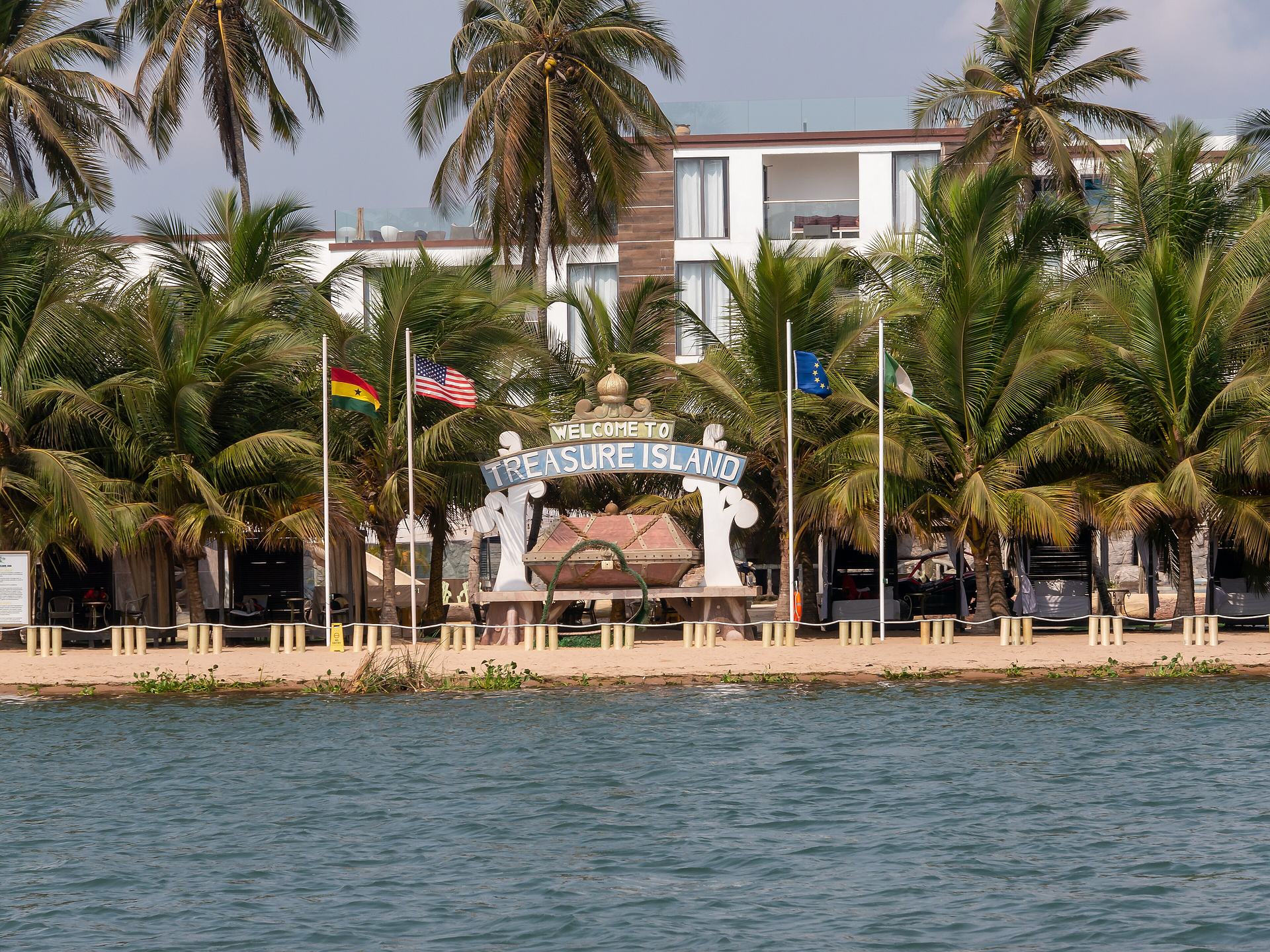
Ada Foah in pictures
Keep exploring
More destination guides
Sources for this guide (10)
- Ada Foah — Wikipedia
- Ada Foah Tourism — Visit Ghana (Ghana Tourism Authority)
- Ada Foah Beach — GhanaWeb Tourism
- Fort Kongenstein, Ada — Ghana Museums and Monuments Board (archived)
- Songhor Lagoon — Wikipedia
- Songor Lagoon — International Parks
- The War Festival (Asafotufiam Festival) of the People of Ada in Ghana — Encyclopaedia Africana
- Asafotufiam Festival — National Commission on Culture, Ghana
- 2026 Ada Asafotufiami Festival to focus on traditional cleansing, spiritual renewal — Ghana News Agency
- Ada Foah Travel Guide: Beaches, Estuary & Asafotufiami — SankofaGo Journal
Written September 29, 2026 from these sources and reviewed by the VisitGhana.app team. Confirm practical details locally before travelling.